 Write to the booksellers
-
Type
Book (7254)
Disk (44)
Drawings (1)
Engraving (9)
Magazine (89)
Maps (4)
Music sheets (135)
New book (2)
Old papers (1)
Photographs (19)
Posters (1)
-
Latest
Last 24h (4)
Last 3 days (2)
Last month (971)
Last week (2)
-
Language
Czech (1)
Dutch (9)
English (156)
French (7380)
German (4)
Italian (2)
Latin (3)
Russian (4)
-
Century
16th (17)
17th (43)
18th (199)
19th (881)
20th (2478)
21st (1565)
-
Countries
Belgium (1156)
Canada (32)
China (56)
Côte d'Ivoire (14)
Denmark (1063)
France (4888)
Germany (1)
Netherlands (181)
Switzerland (155)
United Kingdom (9)
United States of America (4)
-
Syndicate
ALAC (25)
CLAM (25)
CLAQ (2)
ILAB (2234)
NVVA (15)
SLACES (15)
SLAM (1026)
SNCAO (4)
Bijdragen en Mededelingen betreffende de geschiedenis der Nederlanden. BMGN. Deel 121. Aflevering 4. 2006 - Landschap, natuur en nationale identiteit.
16 x 24 Den Haag 2006 Koninklijk Nederlands Historisch Genootschap. Une des principales revues historiques néerlandaises, trimestrielle. Brochée, dos carré, pp. 597-784. Themanummer : Landschap, natuur en nationale identiteit. Excellent exemplaire.(C26) Livre


Bijdragen en Mededelingen betreffende de geschiedenis der Nederlanden. BMGN. Deel 116. Aflevering 3. 2001
Nederlands Historisch Genootschap 16 x 24 Den Haag 2001 Koninklijk Nederlands Historisch Genootschap. Une des principales revues historiques néerlandaises, trimestrielle. Brochée, dos carré, pp. 281-436. Excellent exemplaire.(C95) Livre
Bijdragen en Mededelingen betreffende de geschiedenis der Nederlanden. BMGN. Deel 119. Aflevering 3. 2004
Nederlands Historisch Genootschap 16 x 24 Den Haag 2004 Koninklijk Nederlands Historisch Genootschap. Une des principales revues historiques néerlandaises, trimestrielle. Brochée, dos carré, pp. 209-464. Excellent exemplaire.(C95) Livre
Bijdragen en Mededelingen betreffende de geschiedenis der Nederlanden. BMGN. Deel 111. Aflevering 2. 1996
Nederlands Historisch Genootschap 16 x 24 Den Haag 1996 Koninklijk Nederlands Historisch Genootschap. Une des principales revues historiques néerlandaises, trimestrielle. Brochée, dos carré, pp. 149-296. Excellent exemplaire.(C95) Livre
Bijdragen en Mededelingen betreffende de geschiedenis der Nederlanden. BMGN. Deel 114. Aflevering 3. 1999
Nederlands Historisch Genootschap 16 x 24 Den Haag 1999 Koninklijk Nederlands Historisch Genootschap. Une des principales revues historiques néerlandaises, trimestrielle. Brochée, dos carré, pp. 314-480. Excellent exemplaire.(C103) Livre
Bijdragen en Mededelingen betreffende de geschiedenis der Nederlanden. BMGN. Deel 114. Aflevering 1. 1999
Nederlands Historisch Genootschap 16 x 24 Den Haag 1999 Koninklijk Nederlands Historisch Genootschap. Une des principales revues historiques néerlandaises, trimestrielle. Brochée, dos carré, 168 p.. Sommaire: Looking a medieval gift horse in the mouth. The role of the giving of gift objects in the definition and maintenance of the power networks of Philip the Bold, C.M. Chattaway / Het politiek bestel van de Republiek. Een anomalie in het vroegmodern Europa, G. de Bruin / 'Op de drempel tussen twee werelden'. A.H.J. Lovink, de laatste landvoogd van Indonesië, H. Meijer. Excellent exemplaire.(C113) Livre
Bijdragen en Mededelingen betreffende de geschiedenis der Nederlanden. BMGN. Deel 108. Aflevering 4. 1993
Nederlands Historisch Genootschap 16 x 24 Den Haag 1993 Koninklijk Nederlands Historisch Genootschap. Une des principales revues historiques néerlandaises, trimestrielle. Brochée, dos carré, pp. 649- 838. Sommaire: Nederlandse ondernemers over de grenzen. Een vertrekpunt, P. Kooij / Familienetwerken binnen de Nederlandse koopliedengemeenschap van Archangel in de eerste helft van de achttiende eeuw, J.W. Veluwenkamp / De Verenigde Oostindische Compagnie als ondernemer in Azië. Directe handelscontacten tussen Suratte en Canton (1744-1755), E.M. Jacobs / De Russische handel in kapbalken van de fa. J. M. Meihuizen en zoon, W.E. Goelema / Ondernemen in Nederlands-Indië c.1900-1940, J.Th. Lindblad / Opkomst en ondergang van Anthony Fokker als internationaal vliegtuigbouwer, 1890-1939, M. Dierikx. Excellent exemplaire.(C113) Livre
Bijdragen en Mededelingen betreffende de geschiedenis der Nederlanden. BMGN. Deel 109. Aflevering 2. 1994
Nederlands Historisch Genootschap 16 x 24 Den Haag 1994 Koninklijk Nederlands Historisch Genootschap. Une des principales revues historiques néerlandaises, trimestrielle. Brochée, dos carré, pp. 209-416. Sommaire: Ambtenaren in Nederland (1815-1915), N. Randeraad / Visions of empire. Changing American perspectives on Dutch colonial rule in Indonesia between 1920 and 1942, F. Gouda. Excellent exemplaire.(C113) Livre
Bijdragen en Mededelingen betreffende de geschiedenis der Nederlanden. BMGN. Deel 108. Aflevering 3. 1993
Nederlands Historisch Genootschap 16 x 24 Den Haag 1993 Koninklijk Nederlands Historisch Genootschap. Une des principales revues historiques néerlandaises, trimestrielle. Brochée, dos carré, pp. 417-648. Sommaire: Het onbehaaglijke vaderland. De katholieke staatkunde en de Staat der Nederlanden in de negentiende en twintigste eeuw, J. Bosmans / Russische schulden aan Nederland na de revolutie, N.A. van Horn. Excellent exemplaire.(C113) Livre
Bijdragen en Mededelingen betreffende de geschiedenis der Nederlanden. BMGN. Deel 113. Aflevering 1. 1998
Nederlands Historisch Genootschap 16 x 24 Den Haag 1998 Koninklijk Nederlands Historisch Genootschap. Une des principales revues historiques néerlandaises, trimestrielle. Brochée, dos carré, pp. 142. Sommaire: 'Slecht nieuws, geen nieuws'. Abraham Verhoeven (1575-1652) en de Nieuwe Tijdinghen. Periodieke pers en propaganda in de Zuidelijke Nederlanden tijdens de vroege zeventiende eeuw, K. van Damme / Geschiedenis en oudheidkunde in de negentiende eeuw. De Messager des sciences historiques 1823-1896, J. Tollebeek / Het imperialisme-debat in de Nederlandse geschiedschrijving, M. Kuitenbrouwer. Excellent exemplaire.(C113) Livre
Bijdragen en Mededelingen betreffende de geschiedenis der Nederlanden. BMGN. Deel 113. Aflevering 2. 1998
Nederlands Historisch Genootschap 16 x 24 Den Haag 1998 Koninklijk Nederlands Historisch Genootschap. Une des principales revues historiques néerlandaises, trimestrielle. Brochée, dos carré, pp. 145-288. Sommaire: Leren sterven voor het vaderland. Historische drama's in het negentiende- eeuwse België, T. Verschaffel / Gezag, macht en prestige. Het ontslag van James Loudon als gouverneur-generaal van Nederlands-Indië in 1874 in het perspectief van de veranderende politieke cultuur, J. de Jong. Excellent exemplaire.(C113) Livre
Bijdragen en Mededelingen betreffende de geschiedenis der Nederlanden. BMGN. Deel 113. Aflevering 3. 1998
Nederlands Historisch Genootschap 16 x 24 Den Haag 1998 Koninklijk Nederlands Historisch Genootschap. Une des principales revues historiques néerlandaises, trimestrielle. Brochée, dos carré, pp. 289-456. Sommaire: Cultuur in context. Het spel van Menych Sympel (1466) als spiegel van de Brusselse politieke verhoudingen, R. Stein / Onderwijzers in parlementaire politiek. Thorbecke, Guizot en het Europese doctrinaire liberalisme, H. te Velde. Excellent exemplaire.(C113) Livre
Bijdragen en Mededelingen betreffende de geschiedenis der Nederlanden. BMGN. Deel 113. Aflevering 4. 1998
Nederlands Historisch Genootschap 16 x 24 Den Haag 1998 Koninklijk Nederlands Historisch Genootschap. Une des principales revues historiques néerlandaises, trimestrielle. Brochée, dos carré, pp. 457-624. Sommaire: België in januari 1940. Door Duitsland bedreigd, door Groot-Brittannië en Frankrijk onder druk gezet, G. Janssens. Excellent exemplaire.(C113) Livre
Bijdragen en Mededelingen betreffende de geschiedenis der Nederlanden. BMGN. Deel 109. Aflevering 3. 1994
Nederlands Historisch Genootschap 16 x 24 Den Haag 1994 Koninklijk Nederlands Historisch Genootschap. Une des principales revues historiques néerlandaises, trimestrielle. Brochée, dos carré, pp. 419-610. Sommaire: Nederlandse textiel in het achttiende-eeuwse Perzië, J. Gommans. / Industrialisatie en inkomensverdeling in Overijssel, 1750-1875 Author: J.L. Zanden. Excellent exemplaire.(C113) Livre
Bijdragen en Mededelingen betreffende de geschiedenis der Nederlanden. BMGN. Deel 112. Aflevering 1. 1997
Nederlands Historisch Genootschap 16 x 24 Den Haag 1997 Koninklijk Nederlands Historisch Genootschap. Une des principales revues historiques néerlandaises, trimestrielle. Brochée, dos carré, pp. 176. Sommaire: Pietas Albertina. Dynastieke vroomheid en herbouw van het vorstelijk gezag, L. Duerloo. / 'Gehuld in het schitterend kleed der nieuwste Parijsche mode'. Auguste Comte in Nederland (1845-1880), K. Wils / De laatste ronde van pre-moderne economische groei, J.L. van Zanden / Van moderne groei naar moderne neergang? De economische geschiedenis van Nederland in de vroeg-moderne tijd, K. Davids / Nederland de eerste moderne volkshuishouding. Een zinsbegoocheling of wenkend perspectief? J. de Vries / Het afrossen van een dood paard. Kanttekeningen bij Guido de Bruin, 'Den Haag versus Staats-Brabant. IJzeren vuist of fluwelen handschoen' R. Huiskamp , T. van de Sande. Excellent exemplaire.(C113) Livre
Bijdragen en Mededelingen betreffende de geschiedenis der Nederlanden. BMGN. Deel 112. Aflevering 3. 1997
Nederlands Historisch Genootschap 16 x 24 Den Haag 1997 Koninklijk Nederlands Historisch Genootschap. Une des principales revues historiques néerlandaises, trimestrielle. Brochée, dos carré, pp. 317-458. Sommaire: Ridderslag en ridderlijkheid in laat-middeleeuws Holland, A. Janse / Geleund over de onderdeur. Doorkijkjes in het Utrechtse buurtleven van de vroege Middeleeuwen tot in de zeventiende eeuw, L. Bogaers / Nationale kunst en lokale sociabiliteit. De Nederlandse mannenzangverenigingen in de negentiende eeuw, J. Vos. Excellent exemplaire.(C113) Livre
Bijdragen en Mededelingen betreffende de geschiedenis der Nederlanden. BMGN. Deel 112. Aflevering 2. 1997
Nederlands Historisch Genootschap 16 x 24 Den Haag 1997 Koninklijk Nederlands Historisch Genootschap. Une des principales revues historiques néerlandaises, trimestrielle. Brochée, dos carré, pp. 177-315. Sommaire: Tegenwerkende omstandigheden of falende ondernemers in de economische geschiedenis van Nederland in de negentiende eeuw. Een discussie met een einde ? A.C.A.M. Bots / De jaren vijftig epischer geduid, D. Bosscher. Excellent exemplaire.(C113) Livre
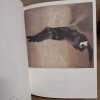
Bridges to Independence - Mosty ku niepodległości
2018 - cartonné - Published by / wydawcw ECR Group (European Conservatives and Reformists Group) - 2018 - In-4 (26,5 x 21,5 cm) cartonné - Sans pagination - Nombreuses illustrations - ISBN : 9788365366856 - Ouvrage sous titré "Polish Modern Art in the Centennial Anniversary of the Restoration of Poland's Independence" / "Polska sztuka wpòłczesna w stulecie odzyskania niepodległości" - Adam KAMINSKI (Factual editor, coordinator / Redacja merytoryczna, koordynacja) - Texte en polonais et en anglais - Contient aussi un carton d'invitation

Bon état
BROEDERSCHAP VAN HET HEILIG EN ONBEVLEKT HERT VAN MARIA, TOT BEKEERING DER ZONDAEREN OPGEREGT IN DE PAROCHIAELE KERK VAN ONZE-LIEVE-VROUW TER VLEMINCKX-STRAET TE LEUVEN,
Leuven, Peeters, 1845 oorspronkelijk papieromslag en originele titelpagina met vignet, 85 x 145mm., 24pp.
Goede staat.
BTJ - BIBLIOTHEQUE DE TRAVAIL JUNIOR N°14 - LE CHOCOLAT
INSTITUT COOPERATIF DE L'ECOLE MODERNE. 1966. In-8. Broché. Bon état, Couv. convenable, Dos satisfaisant, Intérieur frais. 32 pages richement illustrées de photos et dessins en noir et blanc.. . . . Classification Dewey : 633.7-Plantes alcaloïdes (tabac, thé, cacao, café, pavot)


Classification Dewey : 633.7-Plantes alcaloïdes (tabac, thé, cacao, café, pavot)
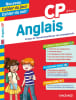
Cahier du jour/Cahier du soir Anglais CP: Conçu et recommandé par les enseignants
MAGNARD 2019 32 pages 21 9x28 8x0 9cm. 2019. Broché. 32 pages.
Neuf
Cahier du jour/Cahier du soir Français 3e
Magnard 2016 72 pages 21 4x0 8x28 2cm. 2016. Broché. 72 pages.

Très bon état
Cahier du jour/Cahier du soir Français 3e
Magnard 2016 72 pages 21 4x0 8x28 2cm. 2016. Broché. 72 pages.

Très bon état
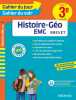
Cahier du jour/Cahier du soir Histoire-Géo-EMC 3e: 14-15 ans
Magnard 2016 72 pages 21 2x0 4x28 6cm. 2016. Broché. 72 pages.
Très bon état
Cahier du jour/Cahier du soir Latin 5e: 12-13 ans
Magnard 2016 64 pages 21 2x1 2x28 6cm. 2016. Broché. 64 pages.

Très bon état

