 Write to the booksellers
-
Type
Book (7790)
Disk (44)
Drawings (1)
Engraving (9)
Magazine (89)
Maps (4)
Music sheets (135)
New book (2)
Old papers (1)
Photographs (19)
Posters (1)
-
Latest
Last 24h (2)
Last 3 days (1)
Last month (956)
Last week (110)
-
Language
Czech (1)
Dutch (9)
English (156)
French (7916)
German (4)
Italian (2)
Latin (3)
Russian (4)
-
Century
16th (17)
17th (43)
18th (199)
19th (884)
20th (2805)
21st (1767)
-
Countries
Belgium (1156)
Canada (32)
China (56)
Côte d'Ivoire (7)
Denmark (1063)
France (5431)
Germany (1)
Netherlands (181)
Switzerland (155)
United Kingdom (9)
United States of America (4)
-
Syndicate
ALAC (25)
CLAM (25)
CLAQ (2)
ILAB (2234)
NVVA (15)
SLACES (15)
SLAM (1026)
SNCAO (4)
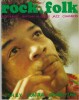
( Revue Rock & Folk ) - Jimi Hendrix - Bob Dylan - Frank Zappa - J.Geils Band - C.S.N & Y - Procol Harum - B.B King - Grand Funk - Redbone - Mott the Hople - Sun Ra - Judy Collins - Rolling Stones - Marcel Gotlib.
Reference : 32653
(1519)
Mensuel Rock & Folk, numéro 60 de janvier 1972 : Jimi Hendrix - BobDylan - Frank Zappa - J.Geils Band - C.S.N & Y - Procol Harum - B.B King - Grand Funk - Redbone - Mott the Hople - Sun Ra - Judy Collins - Rolling Stones - Marcel Gotlib.
Revue Rock & Folk n° 60 de janvier 1972. In-4 agrafé de 90 pages, au format 27 x 21,5 cm. Couvertures photographiques avec Jimi Hendrix. Couvertures avec d'infimes frottis aux coins. Intérieur frais. Mensuel musical français consacré à la musique rock et pop, fondé en 1966 par Robert Baudelet, Jean Tronchot, Philippe Adler, Jean-Pierre Leloir et Philippe Koechlin. La revue connut la participation de nombreux photographes dont : Jean-Pierre Leloir, Claude Gassian, Pierre Terrasson, Gaëlle Ghesquière, Bruno Ducourant,Patrice Guino, Jean-Louis Rancurel, Dominique Tarlé, Bertrand Alary et Saddri Derradji. Nombreux articles sur le Rock, le blues, la soul, la pop dont : Jimi Hendrix, Bob Dylan, Frank Zappa, J.Geils Band, C.S.N & Y, Procol Harum, B.B King, Grand Funk, Redbone, Mott the Hople, Sun Ra, Judy Collins, Rolling Stones, etc. Nombreuses chroniques avec de très nombreuses photographies en noir et blanc. Planche de " Hamster Jovial " par Marcel Gotlib. Rare édition originale, en très bel état de fraicheur.
Vente exclusivement par correspondance. Le libraire ne reçoit, exceptionnellement que sur rendez-vous. Il est préférable de téléphoner avant tout déplacement.Forfait de port pour un livre 10 € sauf si épaisseur supérieure à 3 cm ou valeur supérieure ou égale à 100 €, dans ce cas expédition obligatoire au tarif Colissimo en vigueur. A partir de 2 livres envoi en colissimo obligatoire. Port à la charge de l'acheteur pour le reste du monde.Les Chèques ne sont plus acceptés.Pour destinations extra-planétaire s'adresser à la NASA.Membre du Syndicat Lusitanien Amateurs Morues
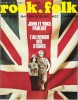
( Revue Rock & Folk ) - John Lennon et Yoko Ono - Elvis Presley - Pete Brown - The Band - Elton John.
Reference : 32645
(1519)
Mensuel Rock & Folk, numéro 52 de mai 1971 : John Lennon et Yoko Ono - Elvis Presley - Pete Brown - The Band - Elton John.
Revue Rock & Folk n° 52 de mai 1971. In-4 agrafé de 106 pages, au format 27 x 21,5 cm. Couvertures photographiques avec John Lennon et Yoko Ono. Couvertures avec d'infimes frottis aux coins. Intérieur frais. Mensuel musical français consacré à la musique rock et pop, fondé en 1966 par Robert Baudelet, Jean Tronchot, Philippe Adler, Jean-Pierre Leloir et Philippe Koechlin. La revue connut la participation de nombreux photographes dont : Jean-Pierre Leloir, Claude Gassian, Pierre Terrasson, Gaëlle Ghesquière, Bruno Ducourant,Patrice Guino, Jean-Louis Rancurel, Dominique Tarlé, Bertrand Alary et Saddri Derradji. Nombreux articles sur le Rock, le blues, la soul, la pop dont : John Lennon et Yoko Ono, Elvis Presley, Pete Brown, The Band, Elton John, etc. Nombreuses chroniques avec de très nombreuses photographies en noir et blanc. Rare édition originale, en très bel état de fraicheur.
Vente exclusivement par correspondance. Le libraire ne reçoit, exceptionnellement que sur rendez-vous. Il est préférable de téléphoner avant tout déplacement.Forfait de port pour un livre 10 € sauf si épaisseur supérieure à 3 cm ou valeur supérieure ou égale à 100 €, dans ce cas expédition obligatoire au tarif Colissimo en vigueur. A partir de 2 livres envoi en colissimo obligatoire. Port à la charge de l'acheteur pour le reste du monde.Les Chèques ne sont plus acceptés.Pour destinations extra-planétaire s'adresser à la NASA.Membre du Syndicat Lusitanien Amateurs Morues
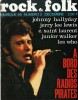
( Revue Rock & Folk ) - Johnny Hallyday - Jerry Lee Lewis - The Who - Junior Walker - Los Bravos - The Beach Boys - Gene Vincent - The Moody Blues - Cat Stevens - The Cream - Avoine - Cabu - Serge Dutfoy - Collectif.
Reference : 32430
Mensuel Rock & Folk, numéro 2 de décembre 1966 : Johnny Hallyday - Jerry Lee Lewis - The Who - Junior Walker - Los Bravos - The Beach Boys - Gene Vincent - The Moody Blues - Cat Stevens - The Cream.
Revue Rock & Folk n° 2 de décembre 1966. In-4 agrafé de 66 pages, au format 27 x 21,5 cm. Couvertures photographiques avec Johnny Hallyday et Jerry Lee Lewis. Couvertures avec d'infimes frottis aux coins. Intérieur frais. Mensuel musical français consacré à la musique rock et pop, fondé en 1966 par Robert Baudelet, Jean Tronchot, Philippe Adler, Jean-Pierre Leloir et Philippe Koechlin. La revue connut la participation de nombreux photographes dont : Jean-Pierre Leloir, Claude Gassian, Pierre Terrasson, Gaëlle Ghesquière, Bruno Ducourant,Patrice Guino, Jean-Louis Rancurel, Dominique Tarlé, Bertrand Alary et Saddri Derradji. Nombreux articles sur le Rock, le blues, la soul, la pop dont : Johnny Hallyday, Jerry Lee Lewis, The Who, Junior Walker, Los Bravos, The Beach Boys, Gene Vincent, The Moody Blues, Cat Stevens, The Cream. Nombreuses chroniques avec de très nombreuses photographies en noir et blanc. Dessins en noir de Avoine, Cabu et Serge Dutfoy. Rarissime édition originale, en très bel état de fraicheur de ce mythique n° 2.
Vente exclusivement par correspondance. Le libraire ne reçoit, exceptionnellement que sur rendez-vous. Il est préférable de téléphoner avant tout déplacement.Forfait de port pour un livre 10 € sauf si épaisseur supérieure à 3 cm ou valeur supérieure ou égale à 100 €, dans ce cas expédition obligatoire au tarif Colissimo en vigueur. A partir de 2 livres envoi en colissimo obligatoire. Port à la charge de l'acheteur pour le reste du monde.Les Chèques ne sont plus acceptés.Pour destinations extra-planétaire s'adresser à la NASA.Membre du Syndicat Lusitanien Amateurs Morues
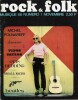
( Revue Rock & Folk ) - Michel Polnareff - Donovan - Vince Taylor - Otis Redding - Small Faces - The Beatles - The Troggs - les Sunlights - Lovin' Spoonful - Little Richard - Avoine - Cabu - Serge Dutfoy - Collectif.
Reference : 32429
(1979)
Mensuel Rock & Folk, numéro 1 de novembre 1966 : Michel Polnareff - Donovan - Vince Taylor - Otis Redding - Small Faces - The Beatles - The Troggs - les Sunlights - Lovin' Spoonful - Little Richard.
Revue Rock & Folk n° 1 de novembre 1966. In-4 agrafé de 66 pages, au format 27 x 21,5 cm. Couvertures photographiques avec Michel Polnareff et les Beatles. Couvertures avec d'infimes frottis aux coins. Intérieur frais. Mensuel musical français consacré à la musique rock et pop, fondé en 1966 par Robert Baudelet, Jean Tronchot, Philippe Adler, Jean-Pierre Leloir et Philippe Koechlin. La revue connut la participation de nombreux photographes dont : Jean-Pierre Leloir, Claude Gassian, Pierre Terrasson, Gaëlle Ghesquière, Bruno Ducourant,Patrice Guino, Jean-Louis Rancurel, Dominique Tarlé, Bertrand Alary et Saddri Derradji. Nombreux articles sur le Rock, le blues, la soul, la pop dont : Michel Polnareff, Donovan, Vince Taylor, Otis Redding, Small Faces, The Beatles, The Troggs, les Sunlights, Lovin' Spoonful, Little Richard, etc. Nombreuses chroniques avec de très nombreuses photographies en noir et blanc. Dessins en noir de Avoine, Cabu et Serge Dutfoy. Rarissime édition originale, en très bel état de fraicheur de ce mythique n° 1.
Vente exclusivement par correspondance. Le libraire ne reçoit, exceptionnellement que sur rendez-vous. Il est préférable de téléphoner avant tout déplacement.Forfait de port pour un livre 10 € sauf si épaisseur supérieure à 3 cm ou valeur supérieure ou égale à 100 €, dans ce cas expédition obligatoire au tarif Colissimo en vigueur. A partir de 2 livres envoi en colissimo obligatoire. Port à la charge de l'acheteur pour le reste du monde.Les Chèques ne sont plus acceptés.Pour destinations extra-planétaire s'adresser à la NASA.Membre du Syndicat Lusitanien Amateurs Morues
( Revue Rock & Folk ) - Robert Plant - Led Zeppelin - Roger Daltrey - The Who - Marc Bolan - Keith Emerson - King Crimson - Traffic - Black Sabbath - Marcel Gotlib.
Reference : 32712
(1519)
Mensuel Rock & Folk, numéro 75 de avril 1973 complet du poster Rock & Folk Galerie n° 13 avec Marc Bolan : Robert Plant - Led Zeppelin - Roger Daltrey - The Who ( spécial double interview exclusive ) - Marc Bolan - Keith Emerson - King Crimson - Traffic - Black Sabbath - Marcel Gotlib - Les Comix.
Revue Rock & Folk n° 75 de avril 1973. In-4 agrafé de 124 pages, au format 27 x 21,5 cm. Couvertures photographiques avec Robert Plant et Roger Daltrey. Couverture en superbe état. Complet du poster dépliant de Marc Bolan au format 40 x 27 cm. Le poster est solidaire de la couverture et plié sous cette dernière. Mensuel musical français consacré à la musique rock et pop, fondé en 1966 par Robert Baudelet, Jean Tronchot, Philippe Adler, Jean-Pierre Leloir et Philippe Koechlin. La revue connut la participation de nombreux photographes dont : Jean-Pierre Leloir, Claude Gassian, Pierre Terrasson, Gaëlle Ghesquière, Bruno Ducourant, Patrice Guino, Jean-Louis Rancurel, Dominique Tarlé, Bertrand Alary et Saddri Derradji. Nombreux articles sur le Rock, le blues, la soul, la pop dont : Robert Plant, Led Zeppelin, Roger Daltrey, The Who, Marc Bolan, Keith Emerson, King Crimson, Traffic, Black Sabbath, Les Comix, etc. Nombreuses chroniques avec de très nombreuses photographies en noir et blanc. Planche de " Hamster Jovial " par Marcel Gotlib. Edition originale en superbe état général. Rare complet du poster.

Vente exclusivement par correspondance. Le libraire ne reçoit, exceptionnellement que sur rendez-vous. Il est préférable de téléphoner avant tout déplacement.Forfait de port pour un livre 10 € sauf si épaisseur supérieure à 3 cm ou valeur supérieure ou égale à 100 €, dans ce cas expédition obligatoire au tarif Colissimo en vigueur. A partir de 2 livres envoi en colissimo obligatoire. Port à la charge de l'acheteur pour le reste du monde.Les Chèques ne sont plus acceptés.Pour destinations extra-planétaire s'adresser à la NASA.Membre du Syndicat Lusitanien Amateurs Morues
( Revue Rock & Folk ) - Rolling Stones - Keith Richard - Redbone - Hawkwind - Rory Gallagher - Paul Simon - Sly and the Family Stone - Dick Rivers - C.S.N. & Y - Nico - Lou Reed - Marcel Gotlib.
Reference : 32656
(1519)
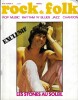
Mensuel Rock & Folk, numéro 61 de février 1972 : Rolling Stones - Keith Richard - Redbone - Hawkwind - Rory Gallagher - Paul Simon - Sly and the Family Stone - Dick Rivers - C.S.N. & Y - Nico - Lou Reed - Marcel Gotlib.
Revue Rock & Folk n° 61 de février 1972. In-4 agrafé de 98 pages, au format 27 x 21,5 cm. Couvertures photographiques avec Keith Richard. Couvertures avec d'infimes frottis aux coins. Intérieur frais. Mensuel musical français consacré à la musique rock et pop, fondé en 1966 par Robert Baudelet, Jean Tronchot, Philippe Adler, Jean-Pierre Leloir et Philippe Koechlin. La revue connut la participation de nombreux photographes dont : Jean-Pierre Leloir, Claude Gassian, Pierre Terrasson, Gaëlle Ghesquière, Bruno Ducourant,Patrice Guino, Jean-Louis Rancurel, Dominique Tarlé, Bertrand Alary et Saddri Derradji. Nombreux articles sur le Rock, le blues, la soul, la pop dont : Keith Richard, Redbone, Hawkwind, Rory Gallagher, Paul Simon, Sly and the Family Stone, Dick Rivers, C.S.N. & Y, Nico, Lou Reed, Les Rolling Stones, etc. Nombreuses chroniques avec de très nombreuses photographies en noir et blanc. Planche de " Hamster Jovial " par Marcel Gotlib. Rare édition originale, en très bel état de fraicheur.
Vente exclusivement par correspondance. Le libraire ne reçoit, exceptionnellement que sur rendez-vous. Il est préférable de téléphoner avant tout déplacement.Forfait de port pour un livre 10 € sauf si épaisseur supérieure à 3 cm ou valeur supérieure ou égale à 100 €, dans ce cas expédition obligatoire au tarif Colissimo en vigueur. A partir de 2 livres envoi en colissimo obligatoire. Port à la charge de l'acheteur pour le reste du monde.Les Chèques ne sont plus acceptés.Pour destinations extra-planétaire s'adresser à la NASA.Membre du Syndicat Lusitanien Amateurs Morues
( Revue Rock & Folk ) - The Rolling Stones - Chuck Berry - Pretty Things - Ray Charles - Eric Clapton - Antoine - Cabu.
Reference : 32577
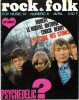
Mensuel Rock & Folk, numéro 6 de avril 1967 : Psychedelic ? - The Rolling Stones - Chuck Berry - Pretty Things - Ray Charles - Eric Clapton - Antoine.
Revue Rock & Folk n° 6 de avril 1967. In-4 agrafé de 66 pages, au format 27 x 21,5 cm. Couvertures photographiques avec The Rolling Stones. Couvertures avec d'infimes frottis aux coins. Intérieur frais. Mensuel musical français consacré à la musique rock et pop, fondé en 1966 par Robert Baudelet, Jean Tronchot, Philippe Adler, Jean-Pierre Leloir et Philippe Koechlin. La revue connut la participation de nombreux photographes dont : Jean-Pierre Leloir, Claude Gassian, Pierre Terrasson, Gaëlle Ghesquière, Bruno Ducourant,Patrice Guino, Jean-Louis Rancurel, Dominique Tarlé, Bertrand Alary et Saddri Derradji. Nombreux articles sur le Rock, le blues, la soul, la pop dont : The Rolling Stones, Chuck Berry, Pretty Things, Ray Charles, Eric Clapton, Antoine, etc. Nombreuses chroniques avec de très nombreuses photographies en noir et blanc. Dessins en noir de Cabu. Rarissime édition originale, en très bel état de fraicheur de ce mythique n° 6.
Vente exclusivement par correspondance. Le libraire ne reçoit, exceptionnellement que sur rendez-vous. Il est préférable de téléphoner avant tout déplacement.Forfait de port pour un livre 10 € sauf si épaisseur supérieure à 3 cm ou valeur supérieure ou égale à 100 €, dans ce cas expédition obligatoire au tarif Colissimo en vigueur. A partir de 2 livres envoi en colissimo obligatoire. Port à la charge de l'acheteur pour le reste du monde.Les Chèques ne sont plus acceptés.Pour destinations extra-planétaire s'adresser à la NASA.Membre du Syndicat Lusitanien Amateurs Morues
Summer number, Juillet 1889. Beauty’s Awakening A masque of Winter ans of the Sprint. presented by the members. of the art workers gvild
librairie P. Ollendorf 1899 Livre en français, anglais. In-4 relié 29,8 cm sur 20,8. 44 pages. Dos muet. Très bon état d’occasion.
Très bon état d’occasion
The World of Tribal Arts. Le monde de l'art tribal. Collection complète reliée du N° 1 (mars 1994) au N° 28 (été-automne 2002).
Paris: , 1994-2002 7 vol. in-4. Collection complète du N° 1 (mars 1994) au N° 28 (été-automne 2002). Reliure pleine peau verte, dos à 4 nerfs, titre et fleuron dorés (fleuron différent sur les 2 derniers volumes). Tous les numéros sont en édition française sauf le N° 1 en édition anglaise. Le numéro 12 n'a pas paru. Bel exemplaire
(revue) The World of Tribal Arts. Le monde de l'art tribal. Collection complète reliée du N° 1 (mars 1994) au N° 28 (été-automne 2002). (Paris: 1994-2002) [M.C.: revue, art primitif, art tribal]
[REVUE]. VIEW. " Through the eyes of poets" puis " The Modern Magazine ".
Reference : 10998
VIEW. 1ère série. N° 11-12. Février-mars 1942.
Lionel Abel (" The Politics of Spirit "), Robert Melville (" Picasso in the light of Chirico - Mutations of the Bull-Fight "), Kurt Seligmann (" Magic Circles "), Henry Miller (" A Night with Jupiter "), Leonora Carrington (" The Sisters "), Parker Tyler, Alva N. Turner, etc. Enquête : " Towards the Unknown " : 1°/ What do you see in stars ? 2°/ What is the disappearing point of the unconscious ? 3°/ What value does death give to life ? Réponses de William Carlos Williams, Mina Loy, Marianne Moore, Archibald MacLeish, Harold Rosenberg, Lee Ver Duft. Illustrations de Picasso et de Max Ernst. Rare. Très bon état.
VIEW. " Through the eyes of poets" puis " The Modern Magazine ". New York (360 East, 55th Street). Direction : Charles Henri Ford et Parker Tyler. Correspondante à Paris : Mary Reynolds. Parmi les conseillers et éditeurs adjoints : Marcel Duchamp, Paul Bowles, Philip Lamantia, Aaron Copland, Henry MacBride, Harold Rosenberg, etc. Les livraisons se présentent généralement sous la forme d'un in-4° agrafé, avec une belle couverture illustrée ; les numéros de la première série ont la forme d'un journal de grand format. VIEW a paru de 1940 à 1947. /// La revue littéraire et artistique VIEW accueillit et publia de nombreux artistes et écrivains européens, réfugiés aux U.S.A. pendant la deuxième guerre mondiale. Parmi ceux-ci, une large part de membres du mouvement surréaliste. VIEW fut le premier magazine à mettre le surréalisme à la portée d'un large auditoire américain.
[REVUE]. VIEW. " Through the eyes of poets" puis " The Modern Magazine ".
Reference : 10996
VIEW. 1ère série. N° 6. Juin 1941.
Important et très motivé pamphlet contre Salvador Dalí : " Anti-Surrealist Dali ", par Nicolas Calas. Parker Tyler, Hugh Chisholm, Saburoh Kuroda, Vicente Huidobro, Thomas James Merton, Troy Garrison, etc. Dessins d'Yves Tanguy et de Kurt Seligmann. Rare. Très bon état.
VIEW. " Through the eyes of poets" puis " The Modern Magazine ". New York (360 East, 55th Street). Direction : Charles Henri Ford et Parker Tyler. Correspondante à Paris : Mary Reynolds. Parmi les conseillers et éditeurs adjoints : Marcel Duchamp, Paul Bowles, Philip Lamantia, Aaron Copland, Henry MacBride, Harold Rosenberg, etc. Les livraisons se présentent généralement sous la forme d'un in-4° agrafé, avec une belle couverture illustrée ; les numéros de la première série ont la forme d'un journal de grand format. VIEW a paru de 1940 à 1947. /// La revue littéraire et artistique VIEW accueillit et publia de nombreux artistes et écrivains européens, réfugiés aux U.S.A. pendant la deuxième guerre mondiale. Parmi ceux-ci, une large part de membres du mouvement surréaliste. VIEW fut le premier magazine à mettre le surréalisme à la portée d'un large auditoire américain.
[REVUE]. VIEW. " Through the eyes of poets" puis " The Modern Magazine ".
Reference : 10997
VIEW. 1ère série. N° 9-10. Décembre 1941 - janvier 1942.
Pierre Mabille (" The Destruction of the World "), Joseph Cornell (" Echanted Wanderer " - Excerpt from a Journey Album for Hedy Lamarr), Leonora Carrington (" White Rabbits "), Hilary Arm, Nicholas Moore, Manuel Moreno Jimeno, Clark Mills, etc. Illustrations de Max Ernst, Pavel Tchelitchew et de Giorgio di Chirico. Rare. Très bon état.
VIEW. " Through the eyes of poets" puis " The Modern Magazine ". New York (360 East, 55th Street). Direction : Charles Henri Ford et Parker Tyler. Correspondante à Paris : Mary Reynolds. Parmi les conseillers et éditeurs adjoints : Marcel Duchamp, Paul Bowles, Philip Lamantia, Aaron Copland, Henry MacBride, Harold Rosenberg, etc. Les livraisons se présentent généralement sous la forme d'un in-4° agrafé, avec une belle couverture illustrée ; les numéros de la première série ont la forme d'un journal de grand format. VIEW a paru de 1940 à 1947. /// La revue littéraire et artistique VIEW accueillit et publia de nombreux artistes et écrivains européens, réfugiés aux U.S.A. pendant la deuxième guerre mondiale. Parmi ceux-ci, une large part de membres du mouvement surréaliste. VIEW fut le premier magazine à mettre le surréalisme à la portée d'un large auditoire américain.
[REVUE]. VIEW. " Through the eyes of poets" puis " The Modern Magazine ".
Reference : 10999
VIEW. 2e série. N° 3. Octobre 1942.
Roger Caillois (" Vertigo "), Nicolas Calas (" The New Prometheus "), André Masson (Portrait de Charles Baudelaire et d'Edgar Allan Poe, d'après Mallarmé - grande composition à double-page), Paul Eaton Reeve, William Carlos Williams, Charles Henri Ford, Parker Tyler, Wallace Stevens, etc. Illustrations de Kurt Seligmann, Pavel Tchelitchew et d'André Masson. Rare. Très bon état.
VIEW. " Through the eyes of poets" puis " The Modern Magazine ". New York (360 East, 55th Street). Direction : Charles Henri Ford et Parker Tyler. Correspondante à Paris : Mary Reynolds. Parmi les conseillers et éditeurs adjoints : Marcel Duchamp, Paul Bowles, Philip Lamantia, Aaron Copland, Henry MacBride, Harold Rosenberg, etc. Les livraisons se présentent généralement sous la forme d'un in-4° agrafé, avec une belle couverture illustrée ; les numéros de la première série ont la forme d'un journal de grand format. VIEW a paru de 1940 à 1947. /// La revue littéraire et artistique VIEW accueillit et publia de nombreux artistes et écrivains européens, réfugiés aux U.S.A. pendant la deuxième guerre mondiale. Parmi ceux-ci, une large part de membres du mouvement surréaliste. VIEW fut le premier magazine à mettre le surréalisme à la portée d'un large auditoire américain.
[REVUE]. VIEW. " Through the eyes of poets" puis " The Modern Magazine ".
Reference : 11000
VIEW. 4e série. N° 4. Novembre 1945.
Couverture illustrée par Esteban Francés. André Breton (" Full Margin "), Lionel Abel (" A B C on Lautréamont "), Man Ray (" Ruth Roses and Revolvers "), Giorgio di Chirico (" Hebdomeros "), Kurt Seligmann (" Microcosmological Chart of Man "), Jean Hélion (" Saluts "), etc. Illustrations de Man Ray, Ossip Zadkine, Eugene Berman, Joan Miró, Kurt Seligmann, Jean Hélion, Mark Rothko. Rare. Très bon état.
VIEW. " Through the eyes of poets" puis " The Modern Magazine ". New York (360 East, 55th Street). Direction : Charles Henri Ford et Parker Tyler. Correspondante à Paris : Mary Reynolds. Parmi les conseillers et éditeurs adjoints : Marcel Duchamp, Paul Bowles, Philip Lamantia, Aaron Copland, Henry MacBride, Harold Rosenberg, etc. Les livraisons se présentent généralement sous la forme d'un in-4° agrafé, avec une belle couverture illustrée ; les numéros de la première série ont la forme d'un journal de grand format. VIEW a paru de 1940 à 1947. /// La revue littéraire et artistique VIEW accueillit et publia de nombreux artistes et écrivains européens, réfugiés aux U.S.A. pendant la deuxième guerre mondiale. Parmi ceux-ci, une large part de membres du mouvement surréaliste. VIEW fut le premier magazine à mettre le surréalisme à la portée d'un large auditoire américain.
[REVUE]. VIEW. " Through the eyes of poets" puis " The Modern Magazine ".
Reference : 11001
VIEW. 5e série. N° 2. Mai 1945. " Tropical Americana ", presented by Paul Bowles.
Couverture illustrée par Wifredo Lam. Poèmes aztèques, extraits du Popol-Buj, du livre de Chilam Balam. Ramon Beteta, Bertrand Flornoy, Ramon J. Sender, Paul Rivet, Ramon Sartoris, Jules Henry, etc. Photographies de Rudolph Burckhardt. Dessins et documents folkloriques anciens. Rare. Très bon état.
VIEW. " Through the eyes of poets" puis " The Modern Magazine ". New York (360 East, 55th Street). Direction : Charles Henri Ford et Parker Tyler. Correspondante à Paris : Mary Reynolds. Parmi les conseillers et éditeurs adjoints : Marcel Duchamp, Paul Bowles, Philip Lamantia, Aaron Copland, Henry MacBride, Harold Rosenberg, etc. Les livraisons se présentent généralement sous la forme d'un in-4° agrafé, avec une belle couverture illustrée ; les numéros de la première série ont la forme d'un journal de grand format. VIEW a paru de 1940 à 1947. /// La revue littéraire et artistique VIEW accueillit et publia de nombreux artistes et écrivains européens, réfugiés aux U.S.A. pendant la deuxième guerre mondiale. Parmi ceux-ci, une large part de membres du mouvement surréaliste. VIEW fut le premier magazine à mettre le surréalisme à la portée d'un large auditoire américain.
[REVUE]. VIEW. " Through the eyes of poets" puis " The Modern Magazine ".
Reference : 11002
VIEW. 5e série. N° 4. Novembre 1945.
Couverture illustrée par Leon Kelly. Francis Ponge (" A New Introduction to the Peeble "), Wallace Fowlie (" The Example of Max Jacob "), Nicolas Calas. Parker Tyler, etc. Illustrations de Georgia O'Keeffe, Max Jacob, Marc Chagall, Joan Miró, Paul Klee. Rare. Très bon état.
VIEW. " Through the eyes of poets" puis " The Modern Magazine ". New York (360 East, 55th Street). Direction : Charles Henri Ford et Parker Tyler. Correspondante à Paris : Mary Reynolds. Parmi les conseillers et éditeurs adjoints : Marcel Duchamp, Paul Bowles, Philip Lamantia, Aaron Copland, Henry MacBride, Harold Rosenberg, etc. Les livraisons se présentent généralement sous la forme d'un in-4° agrafé, avec une belle couverture illustrée ; les numéros de la première série ont la forme d'un journal de grand format. VIEW a paru de 1940 à 1947. /// La revue littéraire et artistique VIEW accueillit et publia de nombreux artistes et écrivains européens, réfugiés aux U.S.A. pendant la deuxième guerre mondiale. Parmi ceux-ci, une large part de membres du mouvement surréaliste. VIEW fut le premier magazine à mettre le surréalisme à la portée d'un large auditoire américain.
[REVUE]. VIEW. " Through the eyes of poets" puis " The Modern Magazine ".
Reference : 11003
VIEW. 5e série. N° 6. Janvier 1946.
Couverture illustrée par John Tunnard. Edith Sitwell (" A Sleepy Tune "), Jorge Luis Borges (" The Circular Ruins "), Marc Chagall (" My Life "), Nicolas Calas, Parker Tyler, Everett MacManus, Hilary Arm, etc. Illustrations de Pavel Tchelitchew, Marc Chagall, John Tunnard, Oscar Dominguez. Rare. Très bon état.
VIEW. " Through the eyes of poets" puis " The Modern Magazine ". New York (360 East, 55th Street). Direction : Charles Henri Ford et Parker Tyler. Correspondante à Paris : Mary Reynolds. Parmi les conseillers et éditeurs adjoints : Marcel Duchamp, Paul Bowles, Philip Lamantia, Aaron Copland, Henry MacBride, Harold Rosenberg, etc. Les livraisons se présentent généralement sous la forme d'un in-4° agrafé, avec une belle couverture illustrée ; les numéros de la première série ont la forme d'un journal de grand format. VIEW a paru de 1940 à 1947. /// La revue littéraire et artistique VIEW accueillit et publia de nombreux artistes et écrivains européens, réfugiés aux U.S.A. pendant la deuxième guerre mondiale. Parmi ceux-ci, une large part de membres du mouvement surréaliste. VIEW fut le premier magazine à mettre le surréalisme à la portée d'un large auditoire américain.
[REVUE]. VIEW. " Through the eyes of poets" puis " The Modern Magazine ".
Reference : 11004
VIEW. 7e série. N° 1. Automne 1946.
Couverture illustrée par Isamu Noguchi. Meyer Schapiro (" On a Painting of Van Gogh "), Kurt Seligmann (" Magic and the Arts "), Paul Bowles (" By the Water "), Parker Tyler, Charles Henri Ford, Edith Sitwell Illustrations de Van Gogh, Peter Busa, Neal Thomas, Joe Massey, Isamu Noguchi, Esteban Francés, Yves Tanguy. Rare. Très bon état.
VIEW. " Through the eyes of poets" puis " The Modern Magazine ". New York (360 East, 55th Street). Direction : Charles Henri Ford et Parker Tyler. Correspondante à Paris : Mary Reynolds. Parmi les conseillers et éditeurs adjoints : Marcel Duchamp, Paul Bowles, Philip Lamantia, Aaron Copland, Henry MacBride, Harold Rosenberg, etc. Les livraisons se présentent généralement sous la forme d'un in-4° agrafé, avec une belle couverture illustrée ; les numéros de la première série ont la forme d'un journal de grand format. VIEW a paru de 1940 à 1947. /// La revue littéraire et artistique VIEW accueillit et publia de nombreux artistes et écrivains européens, réfugiés aux U.S.A. pendant la deuxième guerre mondiale. Parmi ceux-ci, une large part de membres du mouvement surréaliste. VIEW fut le premier magazine à mettre le surréalisme à la portée d'un large auditoire américain.
[REVUE]. VIEW. " Through the eyes of poets" puis " The Modern Magazine ".
Reference : 11005
VIEW. 7e série. N° 2. Décembre 1946. " Surrealism in Belgium ".
Couverture illustrée par René Magritte. Marcel Mariën (" Psychological aspects of the fourth dimension "), Louis Scutenaire (" Entries in a Journal "), Paul Nougé (" Music is dangerous "), René Magritte (" Lifeline "), Paul Colinet (" The Lamp's Stories "), Jacques Wergifosse, Achille Chavée Critique par P[arker] T[yler] de The Great Wall of China et de Metamorphosis, de Franz Kafka. Illustrations de René Magritte, Marcel Mariën, Raoul Ubac, Kurt Seligmann. Rare. Très bon état.
VIEW. " Through the eyes of poets" puis " The Modern Magazine ". New York (360 East, 55th Street). Direction : Charles Henri Ford et Parker Tyler. Correspondante à Paris : Mary Reynolds. Parmi les conseillers et éditeurs adjoints : Marcel Duchamp, Paul Bowles, Philip Lamantia, Aaron Copland, Henry MacBride, Harold Rosenberg, etc. Les livraisons se présentent généralement sous la forme d'un in-4° agrafé, avec une belle couverture illustrée ; les numéros de la première série ont la forme d'un journal de grand format. VIEW a paru de 1940 à 1947. /// La revue littéraire et artistique VIEW accueillit et publia de nombreux artistes et écrivains européens, réfugiés aux U.S.A. pendant la deuxième guerre mondiale. Parmi ceux-ci, une large part de membres du mouvement surréaliste. VIEW fut le premier magazine à mettre le surréalisme à la portée d'un large auditoire américain.
[REVUE]. VIEW. " Through the eyes of poets" puis " The Modern Magazine ".
Reference : 11006
VIEW. 7e série. N° 3. Printemps 1947.
Couverture illustrée par Pavel Tchelitchew. Parker Tyler (" Human Anatomy as the Expanding Universe " et " On the latest concert of John Cage "), Marius Bewley (" Death in America "), Paul Goodman (" The Musical Dogs ", extrait de l'essai de Paul Goodman, Kafka's Prayer), Robert Goldwater (" Dubuffet's Diablerie ") Illustrations de Pavel Tchelitchew, André Masson, Pietro Lazzari, Joan Miró, Henry Moore, Esteban Francés. Rare. Très bon état.
VIEW. " Through the eyes of poets" puis " The Modern Magazine ". New York (360 East, 55th Street). Direction : Charles Henri Ford et Parker Tyler. Correspondante à Paris : Mary Reynolds. Parmi les conseillers et éditeurs adjoints : Marcel Duchamp, Paul Bowles, Philip Lamantia, Aaron Copland, Henry MacBride, Harold Rosenberg, etc. Les livraisons se présentent généralement sous la forme d'un in-4° agrafé, avec une belle couverture illustrée ; les numéros de la première série ont la forme d'un journal de grand format. VIEW a paru de 1940 à 1947. /// La revue littéraire et artistique VIEW accueillit et publia de nombreux artistes et écrivains européens, réfugiés aux U.S.A. pendant la deuxième guerre mondiale. Parmi ceux-ci, une large part de membres du mouvement surréaliste. VIEW fut le premier magazine à mettre le surréalisme à la portée d'un large auditoire américain.
(revue) Yeda-'Am. Journal of the Israel Folklore Society, LEWINSKI Yom-Tov editor
Reference : 13976668
Yeda-'Am. Journal of the Israel Folklore Society. Edited by Dr. Yom-Tov Lewinski. Volume IV, n° 1-2.
Tel-Aviv: , 1956 8vo, 134 pages, ills. Wpps. (soiled). Hebrew text, english abstracts.
(revue) Yeda-'Am. Journal of the Israel Folklore Society. Edited by Dr. Yom-Tov Lewinski. Volume IV, n° 1-2. (Tel-Aviv, 1956) [M.C.: revue, judaïca, judaïsme, Judaïsm, Folklore]
(revue) Yivo Bleter. Journal of the Yiddish Scientific Institute. Volume XXXV.
Reference : 13976669
Yivo Bleter. Journal of the Yiddish Scientific Institute. Volume XXXV.
New York: Yiddish Scientific Institute - Yivo, 1951 8vo, 320 pages. Wpps. (soiled). Yiddish text, english abstracts.
(revue) Yivo Bleter. Journal of the Yiddish Scientific Institute. Volume XXXV. (New York: Yiddish Scientific Institute - Yivo, 1951) [M.C.: revue, judaïca, judaïsme, Judaïsm, Yiddish studies]
Reyneke Voss de olde nye gedrucket, mit sidlykem vorstande unde schonen Figuren erlúchtet undt vorbetert.
(Rostock, Stephan Mölleman, 1592) 4to. In contemporary limp vellum. Extremities with light soiling and miscolouring. Front free end-paper annotated in contemporary hand. Three leaves (T-Tiii) with repairs with loss of text and woodcut. Title-page and colophone supplied in facsimilie. Internally with light occassional browning but in general good condition. 272 ff (f. 272 erroneously printed as f. 273) with 44 woodcut illustrations in text.
Later Rostock edition of the famous epic. Circulating from the 12th-century and derived in part from Aesop, Reynard the Fox is one of the most popular and enduring beast-epics. Reynard the Fox is a collection of fables that originated in medieval Europe, and the exact authorship is unknown. The stories were likely passed down orally before being written down in various versions over the centuries. The fables, with the wily fox as a central character, lent themselves to satire and it became a vehicle used by the Protestant reformers and others. The Low-German version first appeared at Lubeck in 1498 and the Rostock editions which followed from 1517 facilitated the spread of the epic towards the east. The woodcuts had previously illustrated the 1539 Rostock edition, of which 36 are attributed to Erhard Altdorfer. Stylistically they depend on the first Lubeck and Rostock editions.

Recréativité. Comment dépasser les pastiches du passé
- broché - Editions Le mot et le reste - 2014 - In-8 (21 x 15 cm) broché - 40 pages - ISBN : 9782360541430 - Traduction de Suzy Borello


Bon état
Action et changement, méthode d'analyse des dynamismes sociaux et historiques.
Louvain (Belgique), Publications de l'Intistut des Sciences Politiques et Sociales, 1973. 16 x 25, 69 pp., figures, 6 planches volantes, broché, bon état.

