 Write to the booksellers
KRULL (Germaine). FELS (Florent).
100 x Paris.
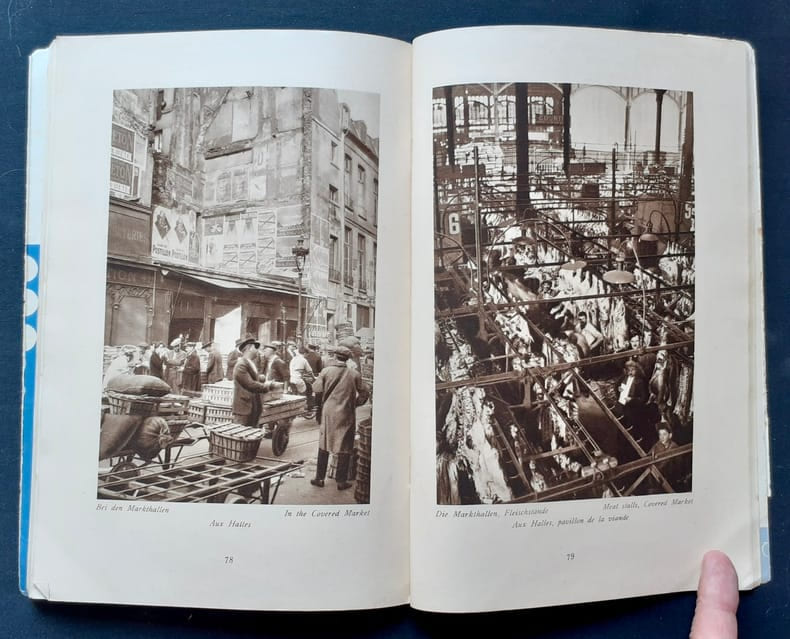
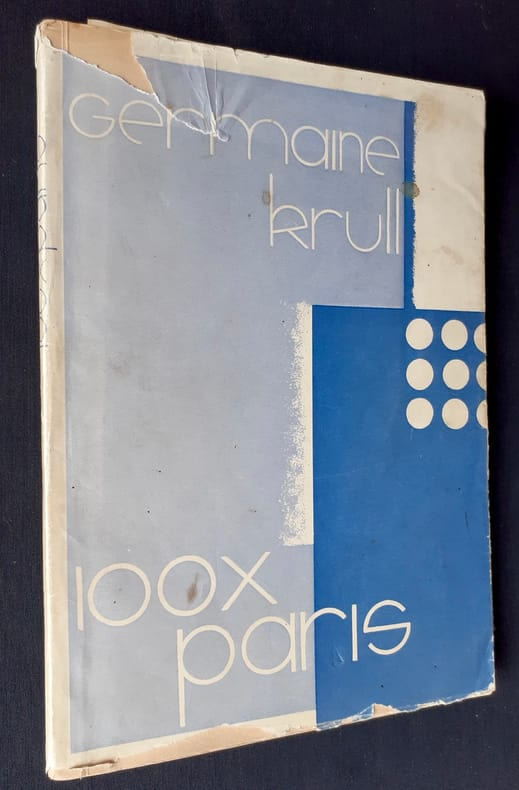
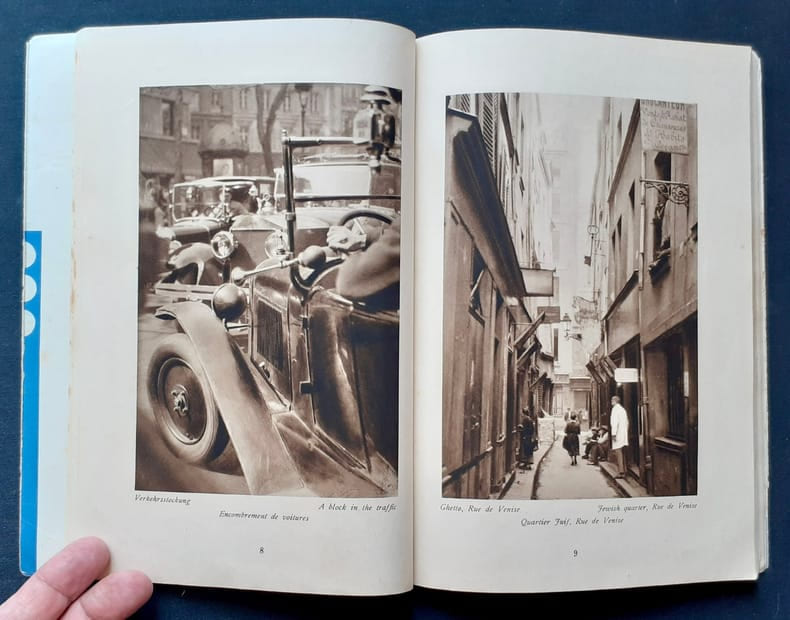
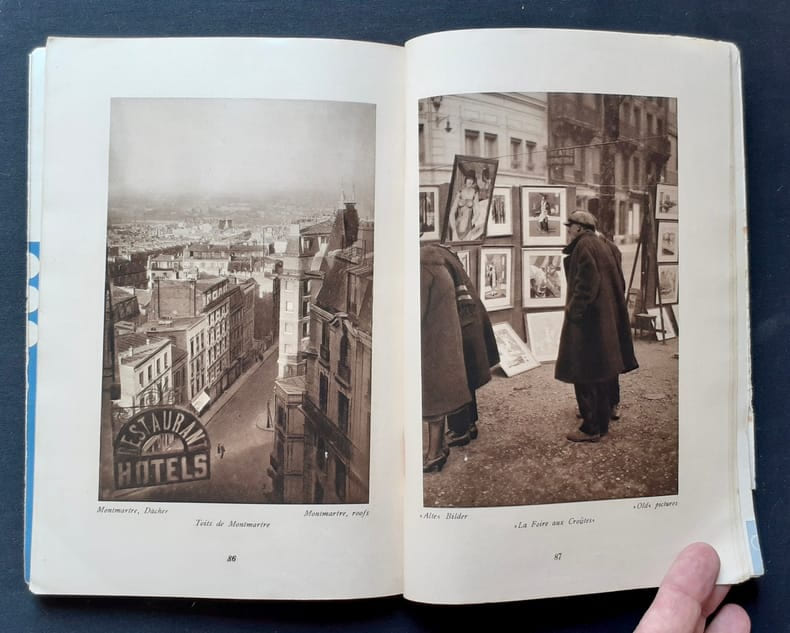
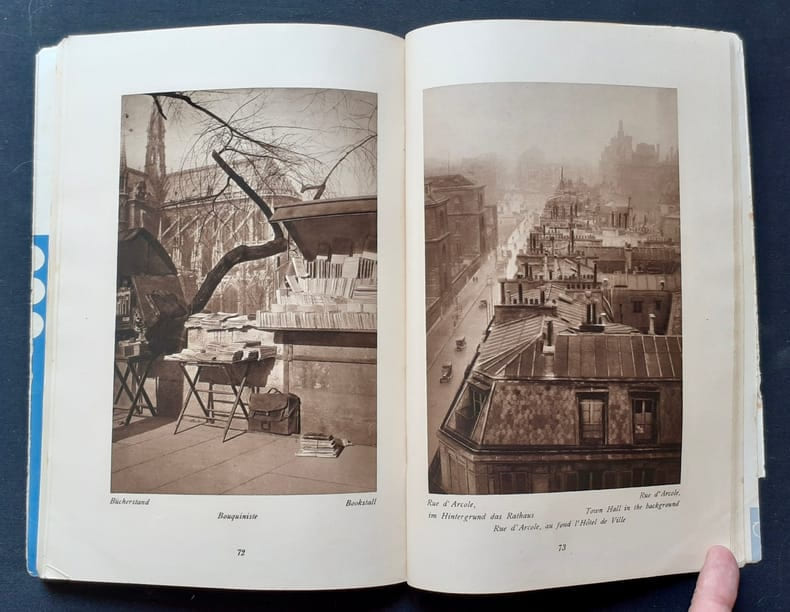
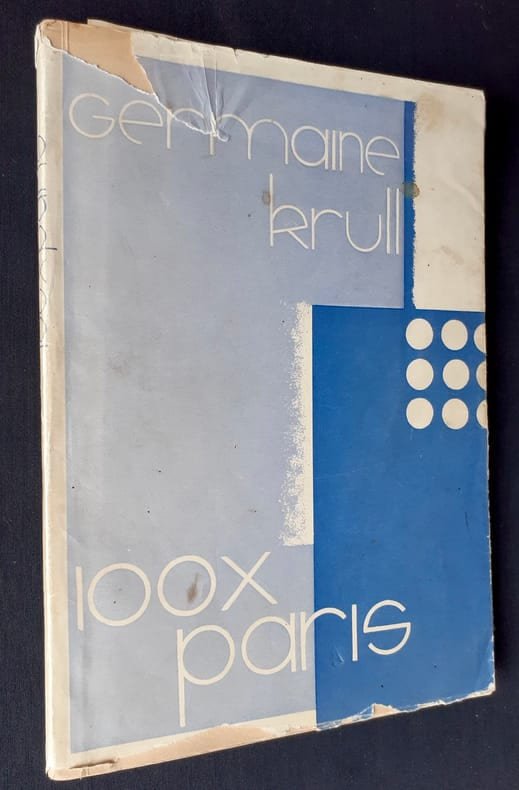
Berlin : Editions Reihe, 1929. Edition originale. Un volume broché (24,5x17 cm) sous jaquette. Texte de Florent Fels en allemand, français et anglais. Avec 100 photographies de Germaine Krull reproduite en hors texte. Jaquette défraichie et rousseurs sur les premières pages de texte, sinon exemplaire en bon état (ni rousseurs, ni manques).
Reference : 48476
Tous nos livres sont visibles sur notre site : https://www.livrepoesie.com/
Bookseller's contact details
Le Livre à Venir
Mme et Mr. Florine et Richard Jaillet
41 Place de l'Oscambre
03140 Chantelle
France
06 44 78 76 58
Payment mode
Sale conditions
Règlement accepté : chèque, paypal, virement bancaire ou mandat. Nous garantissons l'état de nos livres conformes à la description donnée sur nos notices. Envoi de photographies sur demande. Les prix indiqués sont nets, port en sus à la charge de l'acquéreur. A réception de votre commande, vous recevrez une demande de règlement détaillée. Nous envoyons les ouvrages dans un délai de trois jours maximum, à réception de votre règlement par chèque,paypal, espèces ou virement bancaire. <br />
5 book(s) with the same title
100 x Paris.
Berlin-Westend Verlag der Reihe 1929 1 vol. relié in-8, cartonnage toilé bleu de l'éditeur, XXXI + 100 pp. Premier tirage de 100 photographies par Germaine Krull (1897-1985) qui donne à voir le Paris des années 30 où se croisent entre les plus grands monuments les silhouettes de bouquinistes, clochards, flâneurs, marchands, visiteurs... Texte bilingue (allemand / français) de Florent Fels. Charnières fragiles, manque la jaquette.


Die Reihe Der Hundert. La série des cents. The Hundred Series. 100 X Paris
Berlin Westend Verlag der Berlin Westend Verlag der Reihe 1929. Grand In-8 carré, pleine toile grège. XXXI pages pour la préface de Florent Fels (dans les 3 langues : Allemand, Français, Anglais) et 100 superbes photos de Paris en noir et blanc par Germaine Krull. La jaquette est manquante, les feuillets se détachent.
Toutes les expéditions sont faites en suivi au-dessus de 25 euros. Expédition quotidienne pour les envois simples, suivis, recommandés ou Colissimo.
LA VIE DU RAIL N° 3329 - Les assises du ferroviaire - Nathalie Kosciusko-Morizet : L'avenir du train concerne l'ensemble des Francais, Inauguration de la LGV Rhin-Rhone : une journée 100% ferroviaire, Paris - Lyon : les élus vont plaider
AU BUREAU DE LA REVUE. 21 SEPTEMBRE 2011. In-12. Broché. Bon état, Couv. convenable, Dos satisfaisant, Intérieur frais. 51 pages. Nombreuses illustrations en couleur dans et hors texte.. . . . Classification Dewey : 70.49-Presse illustrée, magazines, revues
Sommaire : Les assises du ferroviaire - Nathalie Kosciusko-Morizet : L'avenir du train concerne l'ensemble des Francais, Inauguration de la LGV Rhin-Rhone : une journée 100% ferroviaire, Paris - Lyon : les élus vont plaider pour une meilleure desserte du grand Centre Classification Dewey : 70.49-Presse illustrée, magazines, revues
100 x PARIS. Die reihe der hundert / La série des cent / The hundred series
Berlin , Verlag der Reihe, 1929, 17,4x 24,5cm, broché, jaquette manquante, 100p. Cent photographies n/b tirées en héliogravure. Edition trilingue. Bon exemplaire, très frais. Sans la jaquette.
NB. La librairie est fermée jusqu'à fin septembre. Les questions et commandes seront traitées début octobre.
[Aus: Allgemeine Moden-Zeitung & Les Modes Parisiennes Réunis]. Collection of 100 engraved and coloured fashion-plates. - [HIGH FASHION FROM PARIS - 100 COLOURED PLATES]
[Leipzig, Industrie-Comptoir / Baumgärtner etc.], (1833-1856). Small queer-folio (22 x 28,5) cm. Nice later light brown half calf from ca. 1900 with five raised bands and gilt lines to spine (Carl Petersens Enke). Slight wear to extremities. 100 engraved plates, in contemporary colouring. A bit of even browning and occasional offsetting. A few plates with more browning. Some plates with tiny holes in blank margin, from original stiching (having been vertically bound with text-leaves). Occasional light creasing. One plate with a tear (no loss). A few plates signed A. Brückner, most plates numbered and dated, and some plates having ""Extra-Kupfer"" or ""Les Modes Parisiennes Réunis"" (the last five) underneath.
A lovely collection of 100 beautiful contemporarily coloured engraved fashion-plates from between 1833 and 1856, importing the highest Parisian fashion of the time to Germany. This beautiful collection magnificently documents the clothing fashion and development of two decades, primarily for women, but also for children and men. Also in the mid-19th-century, Paris was seen as the quintessence of elegance and style. The Allgemeine Moden-Zeitung kept the German-speaking public up to date with the latest fashions from Paris. The magazine “Les modes parisiennes reunites” did the same"" that too was produced for the German public, despite its French title. As well as outfits for appearing in high society, eg. at the theatre, the fashion plates collected here show clothes and notably also accessories for almost all other parts of life - paying and receiving social calls, going for walks, attending different events, musical siorées, going out with the children, etc. “As part of her evening wardrobe, every fashionable lady simply had to have elegant dresses in brightly coloured silks and satins, with frills and lace, bows and flounces, tight bodices, natural waistlines and exposed shoulders, which gave the female figure an hour-glass silhouette. The first thing that strikes one about these ladies’ fashions are the stiff, voluminous underskirts. Horsehair crinolines (invented in 1850) supported wide, sweeping skirts, which could measure up to two or two-and-a-half metres in diameter and made the upper body look even slimmer.” (Deutsches Historisches Museum). ""From the 1820s onwards, and particularly under the ostentatious Second Empire (1852–1870), the classicising taste of the Napoleonic era changed completely. Instead, fashion now drew inspiration from the elegance of the Rococo period, so much so that the period became known as the “second Rococo”. The waistline returned to its natural level but was awkwardly styled – at least from a health point of view: agonisingly tight corsets emphasised the so-called “wasp waist”. Ostensibly guided by aesthetics, on closer inspection this fashion trend also had social consequences: with styles that afforded women so little freedom of movement, fashion focused on the ostentatious requirements of ladies from the upper echelons of society, who didn’t have to work. Practicality was not its concern. This ostentatious and – certainly from the perspective of the 21st century – inconvenient fashion style appealed not only to the fine ladies of high society, but also to women from the middle classes and the petty bourgeoisie. The expansion of the textile industry and the rise of the chemical industry made the production of dyes, fabrics, lace, and embroidery and the processing of raw materials and textiles imported from the colonies both quicker and cheaper.” (DHM)

