 Write to the booksellers
-
Type
Book (7254)
Disk (44)
Drawings (1)
Engraving (9)
Magazine (89)
Maps (4)
Music sheets (135)
New book (2)
Old papers (1)
Photographs (19)
Posters (1)
-
Latest
Last 24h (4)
Last 3 days (2)
Last month (971)
Last week (2)
-
Language
Czech (1)
Dutch (9)
English (156)
French (7380)
German (4)
Italian (2)
Latin (3)
Russian (4)
-
Century
16th (17)
17th (43)
18th (199)
19th (881)
20th (2478)
21st (1565)
-
Countries
Belgium (1156)
Canada (32)
China (56)
Côte d'Ivoire (14)
Denmark (1063)
France (4888)
Germany (1)
Netherlands (181)
Switzerland (155)
United Kingdom (9)
United States of America (4)
-
Syndicate
ALAC (25)
CLAM (25)
CLAQ (2)
ILAB (2234)
NVVA (15)
SLACES (15)
SLAM (1026)
SNCAO (4)
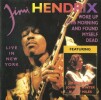
( CD Albums - Rock The Doors ) - Jimi Hendrix - Jim Morrison - Johhny Winter - Buddy Miles.
Reference : 19652
(1991)
Jimi Hendrix live in New York, featuring Jim Morrison, Johhny Winter, Buddy Miles.
Red Lightning Records 1991. Cet album reprend le concert donné par Jimi Hendrix, à " The Scène Club ", New York, en 1968, avec la participation de Jim Morrison, Johhny Winter, Buddy Miles. Le CD présente des traces, mais qui ne gènent pas l'écoute ( testé sur mes 3 lecteurs ). Rare et totalement épuisé. Je vends une partie de ma collection, très fournie, de CD collectors et rares.
Vente exclusivement par correspondance. Le libraire ne reçoit, exceptionnellement que sur rendez-vous. Il est préférable de téléphoner avant tout déplacement.Forfait de port pour un livre 10 € sauf si épaisseur supérieure à 3 cm ou valeur supérieure ou égale à 100 €, dans ce cas expédition obligatoire au tarif Colissimo en vigueur. A partir de 2 livres envoi en colissimo obligatoire. Port à la charge de l'acheteur pour le reste du monde.Les Chèques ne sont plus acceptés.Pour destinations extra-planétaire s'adresser à la NASA.Membre du Syndicat Lusitanien Amateurs Morues
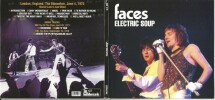
CD digipack " The Faces " : Electric Soup. Live at The Edmonton, London, England, June 4, 1793 + 3 Bonus tracks live at the BBC 1970 et 1971.
The Godfather Records 2013. CD digipack du groupe " The Faces ", formé par Rod Stewart et Ron Wood, Live at The Edmonton, London, England, June 4, 1793 + 3 Bonus tracks live at the BBC 1970 et 1971. Son de qualité moyenne. Boitier et disque en très bon état. Je vends une partie de ma collection, très fournie, de CD collectors et rares.
Vente exclusivement par correspondance. Le libraire ne reçoit, exceptionnellement que sur rendez-vous. Il est préférable de téléphoner avant tout déplacement.Forfait de port pour un livre 10 € sauf si épaisseur supérieure à 3 cm ou valeur supérieure ou égale à 100 €, dans ce cas expédition obligatoire au tarif Colissimo en vigueur. A partir de 2 livres envoi en colissimo obligatoire. Port à la charge de l'acheteur pour le reste du monde.Les Chèques ne sont plus acceptés.Pour destinations extra-planétaire s'adresser à la NASA.Membre du Syndicat Lusitanien Amateurs Morues
( CD Albums - Rock ) - The Rock Bottom Remainders / The Wrockers - Stephen King, Amy Tan, James W. Hall, Kathi Kamen Goldmark, Tony Goldmark, Carl Hiaasen, Party Gang, Susanne Pari, Jessica Mitford, Maya Angelou, Roy Blount, Jr, Billy Philadelphia, Cynthia Robins, Leonard Maltin, Meg Mackay, Bob Greene, Diane Langlois, Faith Sale, Gail Parenteau, Greil Marcus, Joel Selvin, Roger Clark, Sandra Choron, Molly Ivins, Robert Reich, Tomie DePaola, Adaire Elizabeth Kamen, Harry Choron, Norman Mailer, Dave Barry.
Reference : 18931
(1991)
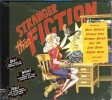
The Rock Bottom Remainders alias The Wrockers ( contraction de " writers " et " rockers " ) : Stranger than Fiction.
Oglio Records 1998. Unique double CD de ce groupe de rock and roll américain, composé d’écrivains renommés, fondé par Kathi Kamen Goldmark en 1992 et dissout après la mort de cette dernière en 2012. On trouvait entres autres : Stephen King, Amy Tan, James W. Hall, Kathi Kamen Goldmark, Tony Goldmark, Carl Hiaasen, Party Gang, Susanne Pari, Jessica Mitford, Maya Angelou, Roy Blount, Jr, Billy Philadelphia, Cynthia Robins, Leonard Maltin, Meg Mackay, Bob Greene, Diane Langlois, Faith Sale, Gail Parenteau, Greil Marcus, Joel Selvin, Roger Clark, Sandra Choron, Molly Ivins, Robert Reich, Tomie DePaola, Adaire Elizabeth Kamen, Harry Choron, Norman Mailer, Dave Barry, etc, accompagnés de musiciens de renom ; Lou ( Accordéon ), Christopher Kee, David O. Golia, Glenn Schuetz, Massimo Biolcati ( basse ), Joe Goldmark, Dobro, Billy Lee Lewis, Feral Wails, Ken Owen, Lee Levin, Peter Tucker, Ron Erwin, Scott Goulding ( batterie ), Doug Adams, Fiddle, Bob Livingston, David Phillips, Jerry Jeff Walker,Jim Campilongo, Jimmy LaFave, John Inmon, Michael Ross, Bob Halperin, Warren Zevon ( guitares ) , Billy Philadelphia, Henry Salvia, Rick Ulfik, Stewart Cochran ( claviers ), David Phillips, Joe Goldmark ( pedal Steel Guitar ), Jaime Brockett, Jeff Narell, Pete Devine, Robert Reich ( percussions ). Ce groupe de garage, reprenant des standards du Blues et du Rock, à tourné pendant deux décennies, à guichets fermés à travers les Etats-Unis, recueillant plus de 2 millions de dollars pour des œuvres caritatives. Etat de neuf, scellé sous blister, mais il y a un petit coup de massicot horizontal au bas du dos, montrant qu'il s'agit d'une solde U.S. Rare et épuisé.
Vente exclusivement par correspondance. Le libraire ne reçoit, exceptionnellement que sur rendez-vous. Il est préférable de téléphoner avant tout déplacement.Forfait de port pour un livre 10 € sauf si épaisseur supérieure à 3 cm ou valeur supérieure ou égale à 100 €, dans ce cas expédition obligatoire au tarif Colissimo en vigueur. A partir de 2 livres envoi en colissimo obligatoire. Port à la charge de l'acheteur pour le reste du monde.Les Chèques ne sont plus acceptés.Pour destinations extra-planétaire s'adresser à la NASA.Membre du Syndicat Lusitanien Amateurs Morues
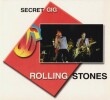
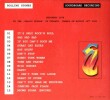
CD Digipack , The Rolling Stones : Secret Gig. Recorded Live, Palais Royal, Toronto, Canada, 2002.
Sans mention d'éditeur ni de date. CD digipack qui contient le concert qui eut lieu au " Palais Royal " de Toronto au Canada en 2002. Son d'excellent qualité. Je vends une partie de ma collection, très fournie, de CD collectors et rares des Rolling Stones.
Vente exclusivement par correspondance. Le libraire ne reçoit, exceptionnellement que sur rendez-vous. Il est préférable de téléphoner avant tout déplacement.Forfait de port pour un livre 10 € sauf si épaisseur supérieure à 3 cm ou valeur supérieure ou égale à 100 €, dans ce cas expédition obligatoire au tarif Colissimo en vigueur. A partir de 2 livres envoi en colissimo obligatoire. Port à la charge de l'acheteur pour le reste du monde.Les Chèques ne sont plus acceptés.Pour destinations extra-planétaire s'adresser à la NASA.Membre du Syndicat Lusitanien Amateurs Morues
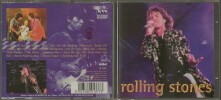
CD The Rolling Stones / Sparks will Fly - Live in New Jersey.
CD Music CO Records de 1994. CD collector du concert au U.S, New Jersey de 1994 avec un son de bonne qualité. Je vends une partie de ma collection, très fournie, de CD collectors et rares des Rolling Stones .
Vente exclusivement par correspondance. Le libraire ne reçoit, exceptionnellement que sur rendez-vous. Il est préférable de téléphoner avant tout déplacement.Forfait de port pour un livre 10 € sauf si épaisseur supérieure à 3 cm ou valeur supérieure ou égale à 100 €, dans ce cas expédition obligatoire au tarif Colissimo en vigueur. A partir de 2 livres envoi en colissimo obligatoire. Port à la charge de l'acheteur pour le reste du monde.Les Chèques ne sont plus acceptés.Pour destinations extra-planétaire s'adresser à la NASA.Membre du Syndicat Lusitanien Amateurs Morues
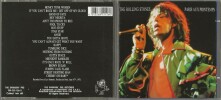
Double CD The Rolling Stones / Paris au Printemps. live aux Abattoirs, Pavillon de Paris, 1976.
The Swingin' Pig Records Records 1992. CD collector avec un son de bonne qualité du concert aux Abattoirs, au Pavillon de Paris en juin 1976. Je vends une partie de ma collection, très fournie, de CD collectors et rares des Rolling Stones.
Vente exclusivement par correspondance. Le libraire ne reçoit, exceptionnellement que sur rendez-vous. Il est préférable de téléphoner avant tout déplacement.Forfait de port pour un livre 10 € sauf si épaisseur supérieure à 3 cm ou valeur supérieure ou égale à 100 €, dans ce cas expédition obligatoire au tarif Colissimo en vigueur. A partir de 2 livres envoi en colissimo obligatoire. Port à la charge de l'acheteur pour le reste du monde.Les Chèques ne sont plus acceptés.Pour destinations extra-planétaire s'adresser à la NASA.Membre du Syndicat Lusitanien Amateurs Morues
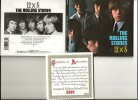
SACD - CD Digipack, The Rolling Stones : 12 x 5. ( Version collector, avec certificat ).
ABKCO Records / The Rolling Stones Remastered Series, 2002. CD digipack, SACD, Hybride remastérisé. Petite trace d'étiquette au coin supérieur droit de la pochette. CD en superbe état avec un son d'une qualité optimale. Complet du certificat. Je vends une partie de ma collection, très fournie, de CD collectors et rares des Rolling Stones.
Vente exclusivement par correspondance. Le libraire ne reçoit, exceptionnellement que sur rendez-vous. Il est préférable de téléphoner avant tout déplacement.Forfait de port pour un livre 10 € sauf si épaisseur supérieure à 3 cm ou valeur supérieure ou égale à 100 €, dans ce cas expédition obligatoire au tarif Colissimo en vigueur. A partir de 2 livres envoi en colissimo obligatoire. Port à la charge de l'acheteur pour le reste du monde.Les Chèques ne sont plus acceptés.Pour destinations extra-planétaire s'adresser à la NASA.Membre du Syndicat Lusitanien Amateurs Morues
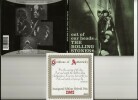
SACD - CD Digipack, The Rolling Stones : Out of our Heads. ( Version collector, avec certificat ).
ABKCO Records / The Rolling Stones Remastered Series, 2002. CD digipack, SACD, Hybride remastérisé. CD en superbe état avec un son d'une qualité optimale. Complet du certificat. Je vends une partie de ma collection, très fournie, de CD collectors et rares des Rolling Stones.
Vente exclusivement par correspondance. Le libraire ne reçoit, exceptionnellement que sur rendez-vous. Il est préférable de téléphoner avant tout déplacement.Forfait de port pour un livre 10 € sauf si épaisseur supérieure à 3 cm ou valeur supérieure ou égale à 100 €, dans ce cas expédition obligatoire au tarif Colissimo en vigueur. A partir de 2 livres envoi en colissimo obligatoire. Port à la charge de l'acheteur pour le reste du monde.Les Chèques ne sont plus acceptés.Pour destinations extra-planétaire s'adresser à la NASA.Membre du Syndicat Lusitanien Amateurs Morues
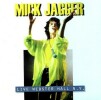
CD Mick Jagger Live Webster Hall N.Y, 1993.
Sans mention d'éditeur, ni de date. CD live au Webster Hall de New.York en 1993 + titres bonus au Wembley Arena en 1986. Son de bonne qualité. Je vends une partie de ma collection, très fournie, de CD collectors et rares.
Vente exclusivement par correspondance. Le libraire ne reçoit, exceptionnellement que sur rendez-vous. Il est préférable de téléphoner avant tout déplacement.Forfait de port pour un livre 10 € sauf si épaisseur supérieure à 3 cm ou valeur supérieure ou égale à 100 €, dans ce cas expédition obligatoire au tarif Colissimo en vigueur. A partir de 2 livres envoi en colissimo obligatoire. Port à la charge de l'acheteur pour le reste du monde.Les Chèques ne sont plus acceptés.Pour destinations extra-planétaire s'adresser à la NASA.Membre du Syndicat Lusitanien Amateurs Morues
( CD Albums - Rock ) - The Rolling Stones & The New Barbarians.
Reference : 18166
(1995)
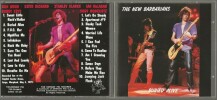
Double CD Keith Richards & The New Barbarians / Buried Alive.
The Swingin' Pig Records 1991. Double CD de Keith Richards des Rolling Stones avec son groupe The New Barbarians. Son de bonne qualité. Je vends une partie de ma collection, très fournie, de CD collectors et rares des Rolling Stones.
Vente exclusivement par correspondance. Le libraire ne reçoit, exceptionnellement que sur rendez-vous. Il est préférable de téléphoner avant tout déplacement.Forfait de port pour un livre 10 € sauf si épaisseur supérieure à 3 cm ou valeur supérieure ou égale à 100 €, dans ce cas expédition obligatoire au tarif Colissimo en vigueur. A partir de 2 livres envoi en colissimo obligatoire. Port à la charge de l'acheteur pour le reste du monde.Les Chèques ne sont plus acceptés.Pour destinations extra-planétaire s'adresser à la NASA.Membre du Syndicat Lusitanien Amateurs Morues
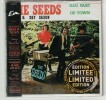
The Seeds & Sky Saxon. Bad part of Town. ( Tirage unique à 900 exemplaires ).
Eva / FLG Productions, 2008. Rare CD paper sleeve vinyle réplica avec obi. Pressage original français, en tirage collector de 900 exemplaires uniquement pour le monde entier. Neuf, scellé.
Vente exclusivement par correspondance. Le libraire ne reçoit, exceptionnellement que sur rendez-vous. Il est préférable de téléphoner avant tout déplacement.Forfait de port pour un livre 10 € sauf si épaisseur supérieure à 3 cm ou valeur supérieure ou égale à 100 €, dans ce cas expédition obligatoire au tarif Colissimo en vigueur. A partir de 2 livres envoi en colissimo obligatoire. Port à la charge de l'acheteur pour le reste du monde.Les Chèques ne sont plus acceptés.Pour destinations extra-planétaire s'adresser à la NASA.Membre du Syndicat Lusitanien Amateurs Morues
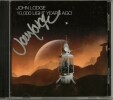
John Lodge of The Moody Blues : 10.000 Light Years Ago. CD dédicacé par John Lodge, bassiste du groupe " The Moody Blues ".
Label Keeping the Faith Records 2015. CD de John Lodge, bassiste des Moody Blues avec livret illustré. Rare CD signé sur la couverture du livret par John Lodge. CD en état superbe, proche du neuf. Import U.K. Provient de ma collection personnelle. Epuisé.
Vente exclusivement par correspondance. Le libraire ne reçoit, exceptionnellement que sur rendez-vous. Il est préférable de téléphoner avant tout déplacement.Forfait de port pour un livre 10 € sauf si épaisseur supérieure à 3 cm ou valeur supérieure ou égale à 100 €, dans ce cas expédition obligatoire au tarif Colissimo en vigueur. A partir de 2 livres envoi en colissimo obligatoire. Port à la charge de l'acheteur pour le reste du monde.Les Chèques ne sont plus acceptés.Pour destinations extra-planétaire s'adresser à la NASA.Membre du Syndicat Lusitanien Amateurs Morues
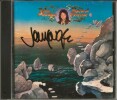
John Lodge of The Moody Blues : Natural Avenue. CD dédicacé par John Lodge, bassiste du groupe " The Moody Blues ".
Label Keeping the Faith Records 2014. CD de John Lodge, bassiste des Moody Blues avec livret illustré par Roger Dean. Rare CD signé sur la couverture du livret par John Lodge. CD en état superbe, proche du neuf. Import U.K. Epuisé.
Vente exclusivement par correspondance. Le libraire ne reçoit, exceptionnellement que sur rendez-vous. Il est préférable de téléphoner avant tout déplacement.Forfait de port pour un livre 10 € sauf si épaisseur supérieure à 3 cm ou valeur supérieure ou égale à 100 €, dans ce cas expédition obligatoire au tarif Colissimo en vigueur. A partir de 2 livres envoi en colissimo obligatoire. Port à la charge de l'acheteur pour le reste du monde.Les Chèques ne sont plus acceptés.Pour destinations extra-planétaire s'adresser à la NASA.Membre du Syndicat Lusitanien Amateurs Morues
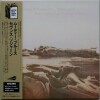
The Moody Blues : Seven Sojourn.
Threshold Records / Série " British Rock Legend Series, Rock Fantasy Part 1 " de 2000. CD en importation Japonaise. Version paper sleeve, vinyle réplica, avec OBI, neuf, scellé et remastérisé. Rare.
Vente exclusivement par correspondance. Le libraire ne reçoit, exceptionnellement que sur rendez-vous. Il est préférable de téléphoner avant tout déplacement.Forfait de port pour un livre 10 € sauf si épaisseur supérieure à 3 cm ou valeur supérieure ou égale à 100 €, dans ce cas expédition obligatoire au tarif Colissimo en vigueur. A partir de 2 livres envoi en colissimo obligatoire. Port à la charge de l'acheteur pour le reste du monde.Les Chèques ne sont plus acceptés.Pour destinations extra-planétaire s'adresser à la NASA.Membre du Syndicat Lusitanien Amateurs Morues
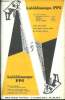
Kaleidoscope PP5/ Kaleidoscope PP6
Editions musicales Fantasia. 1963. In-8. Broché. Bon état, Couv. convenable, Dos satisfaisant, Intérieur frais. 12 pages augmentées de partitions en noir et blanc. Pour piano, violon accordéon, saxo ténor,. . . . Classification Dewey : 780.26-Partitions
Classification Dewey : 780.26-Partitions


MEMOIRES DE BENVENUTO CELLINI orfèvre et sculpteur florentin
1953 pleine reliure vert in-octavo avec une jaquette en papier gris sur les plats (green full binding with a dustjaket in grey paper on the covers), dos insolé (fading spine) - titre frappé or sur le dos (gilt title on the spine), marque-page en tissu (bookmark in tissue), toutes tranches lisses (all smooth edges), pages de garde vertes (gren endpapers), page de faux-titre (half title page), tirage limité à 10126 exemplaires - 1 des 10000 exemplaires hors commerce numérotés de 1 à 10000 réservés exclusivement aux Membres du Club français du Livre (details/certificate of issue - limited edition - 10126 copies were printed - printed for private distribution), illustration : 1 frontispice (illustration : 1 frontispiece), XXVI + 604 pages + 1 page de justificatif du tirage (1 page of details/certificate of issue), 1953 à Paris le Club Français du Livre - 8 rue de la Paix,
Collection "Les Portiques" numéro 24 - édition établie et annoté par (established edition and annotated by) Giulano Maggiora d'après les manuscrits toscans et la traduction de (according to toscans manuscripts and translation of) Léopold Leclanché - bon état malgré le petit défaut signalé (very good condition in spite of the small defect indicated)
Hors la loi! La Vie d'un outlaw américain. Al Jennings raconté par lui-même
Paris Grasset 1936 In-8 Broché Ed. originale
Editon originale de la traduction et adaptation de l'américain et du slang par Cendrars. Portrait de Jennings en frontispice. Un des 62 exemplaires numérotés sur alfa satiné Outhenin Chalandre. Dos discrèrement repris. > C'et le seul tirage de tête avec 6 Montval et 21 pur fil. Bon exemplaire 0
Hors la loi! La Vie d'un outlaw américain. Al Jennings raconté par lui-même
Paris Grasset 1936 In-8 Broché Ed. originale
Editon originale de la traduction et adaptation de l'américain et du slang par Cendrars. Portrait de Jennings en frontispice. Un des 62 exemplaires numérotés sur alfa satiné Outhenin Chalandre. > C'et le seul tirage de tête avec 6 Montval et 21 pur fil. Bon exemplaire 0
Cendrey Hennig Géné Ndiaye Giovanni Vincent Detambel Wajcman Vaneigem Serena Bon Maffesoli
Reference : 100155793
(1999)
ISBN : 2858508895
Les péchés capitaux: La colère + La paresse + L'avarice + L'orgueil + La gourmandise + La luxure (6 des 7 péchés)--- exposition Cente Pompidou
CENTRE POMPIDOU 1999 68 pages 1x21x15cm. 1999. Broché. 6 volume(s). 68 pages.
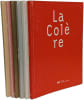
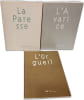
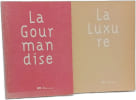
Bon état couvertures un peu frottés intérieurs propres bonne tenue
L'envers de la guerre
Fage Editions 2004 16 256x0 762x22 86cm. 2004. Broché.
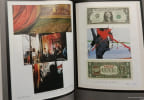
Bon état couverture légèrement ternie bonne tenue intérieur propre
Les Maries De La Tour Eiffel: ET AUTRES NOUVELLES INSPIREES DE CHEFS-D'OEUVRE DE L'ART MODERNE
Centre Georges Pompidou Service Commercial 2013 176 pages 14 8x21 3x2 4cm. 2013. Broché. 176 pages.
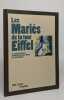
tranches fânées intérieur propre
Cet ouvrage a été publié à l'occasion de l'exposition "Berthe Weill : Art Dealer of the Parisian Avant-Garde". New York, Grey Art Museum, New York University, Octobre 2024 à mars 2025
Reference : 33727
ISBN : 9782080458889
Berthe Weill. Galeriste de l'avant-garde parisienne.
Paris, 2025 Flammarion / Musée de l'Orangerie / Grey art museum 205 p., nombreuses fig. couleur, cartonnage éditeur 18,5 x 25,5
Neuf
TE GAST BIJ VLAAMSE AUTEURS - III.
Antwerpen, De Garve, z/d Paperback, originele uitgeversomslag, 21.1x15.1 cm., 95 pp., geillustreerd in z/w.
Bijdragen van Lode Baekelmans, Pieter G. Buckinx, Marcel Coole, Bert Decorte, Valere Depauw, Maurice Gilliams, Leo Mets, Bert Peleman, Maria Rosseels, Paul Snoek, Jos Vandeloo en Emiel Van Hemeldonck.
Te gast bij Vlaamse auteurs Vijfde reeks Clem Schouwenaars etc
Antwerpen, De Garve, 1969 Softcover, 94pp., 13.5x20cm., 10 z/w portretten, goede staat.
Interviews met Elmar Borg, Tone Brulin, Eugeen de Bock, Paul de Wispelaere, Jef Geeraerts, Jos Ghysen, Ria Scarphout, Clem Schouwenaars, Rene Verbeeck, Jan Vercammen.

