 Write to the booksellers
-
Type
Book (800)
Magazine (7)
Object book (1)
-
Latest
Last 3 days (3)
Last month (3)
-
Language
English (3)
French (805)
-
Century
17th (2)
18th (7)
19th (52)
20th (375)
21st (61)
-
Countries
Belgium (95)
Canada (1)
China (2)
Côte d'Ivoire (1)
Denmark (2)
France (683)
Greece (1)
Switzerland (23)
-
Syndicate
ALAC (1)
ILAB (272)
NVVA (3)
SLACES (3)
SLAM (265)
SNCAO (1)
Pashmina
MOREAU 2004 In-8 relié 23,2 cm sur 22,4. 144 pages. Très bon état d’occasion.
Très bon état d’occasion
Paulvé Dominique ; Boyé Marie
Reference : 142240
(2000)
ISBN : 2846160058 9782846160056
Les métiers de la couture et de la mode
Phare, Hachette 2000 In-12 broché 18 cm sur 14,5. 125 pages. Bon état d’occasion.
Bon état d’occasion
Batik Patterns
The Pepin Press - Agile Rabbit 2005 In-8, format carré, broché couv. illustrée, illustrations en noir et en couleurs. Sous blister, état neuf.

Contient un CD compatible Windows et Mac. Texte en français, anglais, allemand, espagnol, portuguais, italien, chinois et japonais. Très bon état d’occasion
Les Toiles imprimées de Fostat et l'Hindoustan.-
Paris. Éditions d'Art et d'Histoire. 1938. In-4 (224 x 290 mm) broché, couverture ocre imprimée et ornée en rouge et noir, 106 pages, 3 planches en couleurs et 36 planches en noir et blanc, pâles rousseurs sur quelques pages et sur les tranches, sinon bel exemplaire. Très peu courant.
African textiles
London, British Museum 1991 208pp., with 60 colour and 156 bl/w illustrations, 28cm., illustrated softcover, good condition, ISBN 0-7141-1595-9, C96763
Le MUSEE des TISSUS de LYON
Un ouvrage de 128 pages, format 210 x 280 mm, illustré, broché couverture couleurs, publié en 1990, Editions Albin Michel, collection "Musées et Monuments de France", bon état
Phone number : 04 74 33 45 19
Antico Setificio Fiorentino. Prefazione di Kirsten Ashengreen Piacenti.
Firenze, La Lettere 1999, 290x220mm, 157pagine, legatura del editore con sovracopperta. Exemplaire à l'état de neuf.
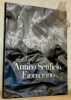
fotografie a colori, Pour un paiement via PayPal, veuillez nous en faire la demande et nous vous enverrons une facture PayPal
La Seta. Texto di Ettore Roncoroni.
Como, Editrice E.P.I., 1984, in 4° , cartonnage vert de l'éditeur, jaquette illustrée en couleurs, 157 pages ; 141 photographies en couleurs ; texte italien, avec la traduction en anglais, français et allemand.
PHOTOS sur DEMANDE ...................... Photos sur demande ...................


Phone number : 04 77 32 63 69
"Collunovar et Hématon".
1970 1 Gouache, (1970), 53.5 x 37 cm, encadrée.
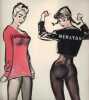
Pierre BRENOT (1913-1998), affichiste des "années 50", formé par l'école Estienne, dessinateur de mode et collaborateur de la fameuse agence De LA VASSELAIS qui regroupe les principaux affichistes de l'après guerre. Il est aussi un illustrateur au talent reconnu. Dans la presse de charme ses couvertures pour le Rire ou la Vie Parisienne séduisaient un très large public. Ses femmes dessinées glamour et sexy ont gagné l'appellation de "Brenot-Girls", faisant fureur dans les calendriers automobiles et animaient les murs de nos villes. (Exposition FORNEY 1996). Une jeune-femme, vêtue d'un simple pull-over rose à la marque Collunovar, tire sur son pull, telle une femme sandwich, provocante, faisant face à celle représentant la marque Hématon, sexy. Maquette d'une affiche du Laboratoire Ethypharm.
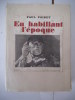
En habillant l’époque
in 12 broché, faux-titre, titre, 312 pages, 1 page de table des illustrations hors-texte. Bernard Grasset 29 décembre 1930. Premier plat de couverture incomplet et contrecollé.
La Filature anglaise. Informations techniques et pratiques sur la préparation de filature anglaise. Lafilature proprement dite le retordage
Paris et Liège, Librairie Technique Ch. Béranger 1927 In-8. Cartonnage éditeur grenat, 376 pp., 84 figures et tableaux dans le texte. Cartonnage frotté.
Bon état d’occasion
Observations sur la nature et le traitement de l’apoplexie et sur les moyens de la prévenir.
Paris, Crochard, 1811 ; in-8, demi-veau, dos lisse, fleurons et filets dorés, pièce de titre bleu de prusse (reliure de l’époque) ; XXIV, 479, [1] pp.
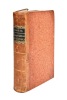
Edition quasi originale tant elle est différente, remanié, corrigée, augmentée de celle de 1781.Très jeune, Portal s’était spécialisé dans l’anatomie, domaine dans lequel il est devenu excellent, au point d’organiser un cours à Paris alors qu’il était lui-même étudiant à la Faculté ; il était même médecin-tâteur pour diagnostiquer, ce qui lui permit bientôt de proclamer la liaison entre les lésions des organes et les symptômes des maladies. En 1769, Portal fut nommé adjoint dans la section d’Anatomie de l’Académie des Sciences ; il fut également choisi comme médecin par le Comte de Provence q’il suivra pendant 22 ans et en 1770, il publia sa monumentale Histoire de l’Anatomie et de la Chirurgie en sept volumes! La même année, Portal occupa la chaire de Médecine au Collège de France, il y enseigna l’Anatomie, la Chirurgie, la Médecine opératoire et l’Anatomie pathologique. Pendant 30 ans, ses cours furent suivis par des foules d’auditeurs français et étrangers. Mourant, Sérac lui demande de publier une nouvelle édition de son “Traité de la structure du coeur”, ouvrage important déjà, mais que Portal va tellement développer qu’il en fera un ouvrage qui sera reçu avec ferveur dans toute l’Europe. Portal eut ensuite une carrière absolument extraordinaire au point de devenir Premier médecin du Roi Louis XVIII. Petite épidermure sinon bel exemplaire.
Précis de blanchiment, teinture, impression et apprêts des tissus, suivi de quatre appendices sur : l'entretien et le nettoyage des étoffes ; la conservation des lainages ; comment rendre la laine irrétrécissabe ; les toiles métalliques
Paris et Liège, Librairie polytechnique Ch. Béranger 1938 In-12. Cartonnage éditeur vert,dos muet, premier plat imprimé de lettres noires, XII-175 pp., 99 figures. Bon exemplaire.
Bon état d’occasion
Les tissus imperméables.Vêtements imperméables - Plans d’aéroplanes - Enveloppes de ballons. Deuxième édition, revue et augmentée
Librairie Polytechnique Ch. Béranger 1925 In-8. Couverture imprimée, IV-162 pp., 20 figures dans le texte. Couverture ternie.
Bon état d’occasion
PRESSE. JOURNAL DES DEMOISELLES. MOUTET, PECQUEUR, RIGOLET, LACOURIERE
Reference : 2736
(1875)
Journal des demoiselles.
Paris AU BUREAU DU JOURNAL 1875 1 Paris, Au Bureau du Journal, Boulevard des Italiens, 12 numéros du N°1 de janvier 1875 au N°12 de décembre 1875, in-8, demi-basane bleue, dos orné, tranches mouchetées.
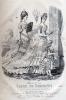
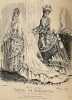

Revue de 32 pages destinée aux jeunes filles, dans laquelle était réunie de nombreux articles sur l'économie domestique, la musique, la poésie, l'éducation et bien sûr la mode avec des planches gravées sur acier en noir ou en couleur. Les 18 planches sont signées par Moutet, Pecqueur, Rigolet, Lacouriere. (COLAS 1568). Usures et manques à la reliure, taches d'encre interne.
Robes, costumes, tailleur, manteaux.
1940 Sans lieu, ni éditeur, (1940), in-folio, en feuilles, sous couverture imprimée.

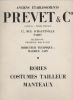
Quatre feuillets présentent des modèles de la Maison Prevet. Infimes usures.
Roubaix capitale du textile.
PARIS SILIC 1968 1 in-4 Paris, Silic imprimerie, 1968, in-4, cartonnage toilé, sous emboîtage, quatre hors-texte en couleurs, nombreuses photos et illustrations en noir et en couleurs, in et hors-texte, 132 pp.

Un des 2000 exemplaires numérotés réservés aux souscripteurs, sur papier Chromo-mat, édité par Jean Piat et la Mairie de Roubaix, qui retrace l'histoire de la ville du textile.
Les Soieries illustrées. Lundi 22 mars.
Paris imprimerie Pigelet 1909 1 in-8 Paris, Pygmalion, imprimerie Pigelet, 1909, in-8, broché, relié par une agrafe, couverture illustrée, titre imprimé en doré.
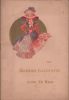
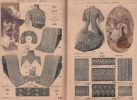
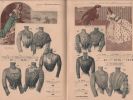
Catalogue à prix marqués présentant, à l'occasion de leur 9e exposition, dentelles, corselets, ombrelles, plumes, rubans corsages, manteaux, jupes, jupons, costumes pour dames... Quelques fines rousseurs. Exemplaire très frais présenté dans son enveloppe d'origine (rarissime).
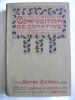
Eléments de composition décorative-Cent thèmes de décoration plane.
In 4 pleine toile d’éditeur,titre et décor style Art Nouveau.Faux-titre,titre illustré d’une vignette,VII,318 pages,non rogné,543 figures pleine page,dans le texte,hors-texte en couleurs sur papier couché.Hachette & Cie 1912 reliure légèrement frottée, par en droit.Une trace de pliure angle inférieur droit en s’atténuant jusqu’à la page 10.Pages de garde décoratives.Bon état d’ensemble
Designers textiles : A l'avant-garde de la création
Thames & Hudson 2009 In-8 broché 24,4 cm sur 20,8. 319 pages. Très bon état d’occasion.
Très bon état d’occasion
Histoire du costume.
P., Bookking International, 1989. In-4, rel. d'édition toile grise sous jaquette ill. en couleurs, nbr. planches en couleurs avec textes de légende en regard. Index.
Réimpression de l'édition de 1888 par Firmin-Didot frères, "Le costume historique". Album retraçant l'histoire du costume dans tous les pays depuis l'antiquité jusqu'au XIXe siècle. Très bon état. - Frais de port : -France 9,65 € -U.E. 11 € -Monde (z B : 17 €) (z C : 42 €)
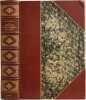
Rapport du jury. Groupe XIII, Classe 83. SOIES ET TISSUS DE SOIE.
Saint-Denis, imprimerie H. Bouillant, 1909. Grand in-8, relié demi-maroquin vieux rouge à coins, bordé d'un filet doré, dos à nerfs ornés de filets perlés dorés, caissons de titre, caissons fleuronnés finement ornementés dorés, papier marbré sur les plats, tête dorée, gardes peignées, couverture conservée, 291pp, 64 gravures h.-t. dont 17 en couleurs.
Coup d'oeil d'ensemble sur l'industrie de la soie - Origines de l'industrie de la soie - La fabrication lyonnaise - Les autres centres de l'industrie des soieries - Paris, son double role comme producteur et consommateur - Paris, le commerce des soies - Paris et la mode - etc Plats un peu frottés (deux épidermes superficielles sur le second plat), un coin un peu froissé, toute petite entame en tête du mors du second plat, brunissures en marges des illustrations, l'intérieur est frais, ex. bien relié. - Frais de port : -France 9,65 € -U.E. 11 € -Monde (z B : 17 €) (z C : 42 €)
SOIES ET TISSUS DE SOIE. Exposition franco-britannique, 1909. Rapport du Jury, groupe XIII, classe 83.
Saint-Denis, imprimerie H. Bouillant, 1909. Fort in-8 br., 291 pp., très nombreuses gravures h.-t. Beau tirage sur vergé fort, non coupé.
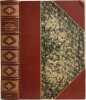
Coup d'oeil d'ensemble sur l'industrie de la soie - Origines de l'industrie de la soie - La fabrication lyonnaise - Les autres centres de l'industrie des soieries - Paris, son double role comme producteur et consommateur - Paris, le commerce des soies - Paris et la mode - etc. Couverture défraîchie, bel état intérieur. - Frais de port : -France 8,4 € -U.E. 10 € -Monde (z B : 15 €) (z C : 33 €)
"Smile".
1920 Aquarelle et mine de plomb, signée en bas à gauche, (1920), 32 x 20 cm.


Comme une marionnette ou une poupée de porcelaine, ce modèle à l'attitude figée et peu naturelle est maquillée pour la scène : le visage poudré, deux ronds roses sur les joues, les yeux écarquillés et la bouche pincée, peinte en rose vif. Elle porte sous sa jupe retroussée, dont on voit les nombreux volants verts et blancs, un pantalon blanc. Le haut de son costume très décolté est composé d'une grende colerette et de manches de tulle vaporeuse. Sur ses boucles blondes, elle porte un haut-de-forme démesuré orné de deux boutons d'or retenus par un ruban fushia. Papier légèrement sali, légères bavures et traces de mine de plomb.
Textiles d'Antinoé (Egypte) en Haute Alsace.
Colmar, Muséum d'Histoire Naturelle de Colmar, 1997. In-4 broché, couv. ill. en coul., 192 pp., 257 fig. et ill. en n/b. et en coul., texte sur 2 colonnes, tableau chronologique, bibliographie, résumés en anglais et en allemand in fine.
Très bon ex. - Frais de port : -France 8,4 € -U.E. 10 € -Monde (z B : 15 €) (z C : 33 €)

