Write to the booksellers
Edith Mannoni
Schneider
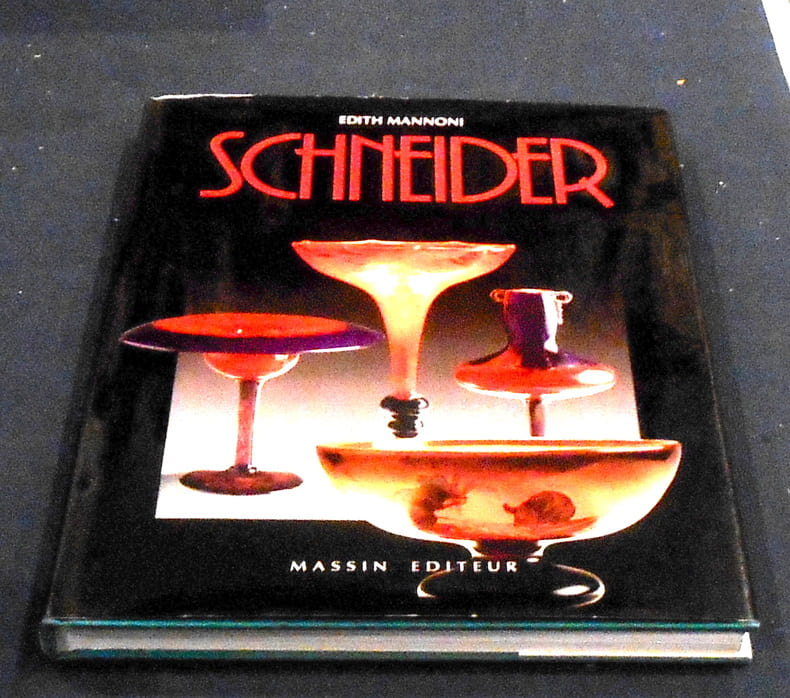
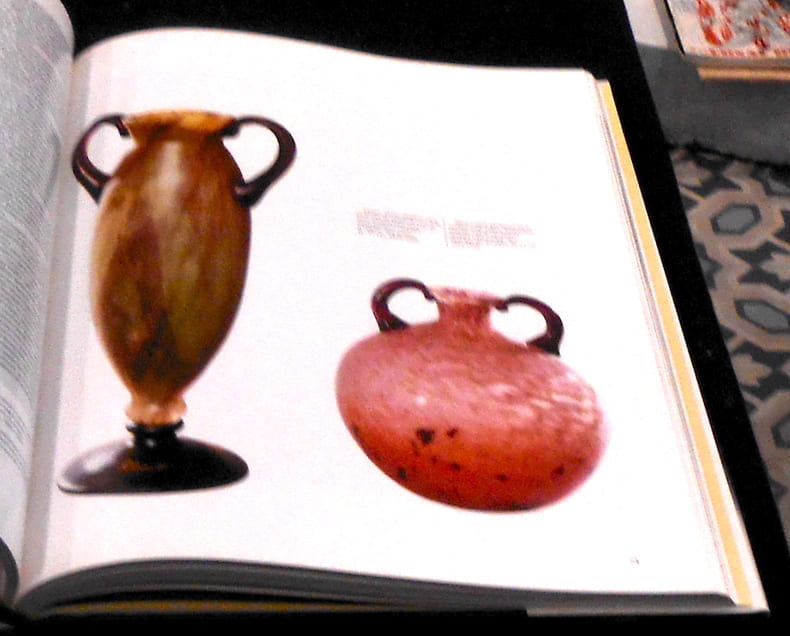
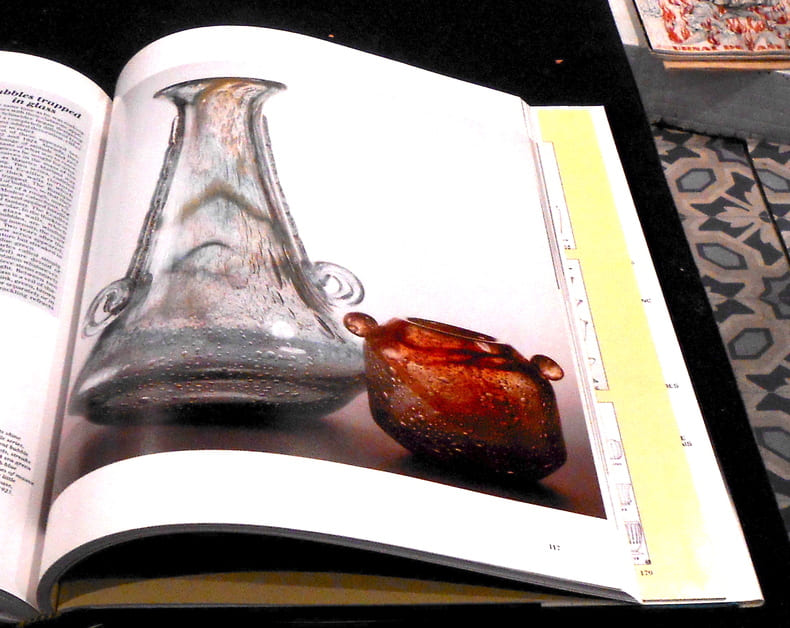
Paris, Massin Éditeur, 1992. Cartonné, bien complet de la jaquette, 25 cm x 33 cm, 192 pages, nombreuses photos couleur in et hors-texte. Texte français de Edith Mannoni avec la collaboration de Gérard Bertand et Jacques Janisson, préface de Jean-Charles Schneider, texte anglais de Mary Scott, photographies de Tomas Heuer, Jacques Janisson et Laurent Sully-Jaulmes, bibliographie. Etat neuf
Reference : 23285
Bookseller's contact details
Librairie Sedon
M. Didier Sedon
59 avenue Charles de Gaulle
17300 Rochefort
France
06 19 22 96 97
Payment mode

Sale conditions
Réglement par paypal, virement bancaire, chèque ou espèces.
5 book(s) with the same title
Les grandes heures du Creusot au temps des Schneider.
Renaudier Ecomusée 1977 H. Renaudier, Ecomusée de la Communauté urbaine, 1977, 158 p., broché, bords de la couverture un peu frottés, bon état néanmoins et intérieur bien propre.
Merci de nous contacter à l'avance si vous souhaitez consulter une référence au sein de notre librairie.
Reference : 84548
Catalogue des Tableaux anciens, dessins et aquarelles composant la collection de feu M. Schneider, dont la vente aura lieu Hotel Drouot, salles N° 6, 7 et 8 à Paris les Jeudi 6 et Vendredi 7 Avril 1876 à deux heures précises.
Chez Me Charles Pillet et Me Escribe, M. Haro, sans date (1876), 1 volume de 185x275 mm environ, 123 pages et 23 gravures (complet), reliure plein chagrin bordeaux, dos muet à 5 nerfs, titres dorés sur le premier, double filet doré sur les coupes, large dentelle dorée sur les chasses, gardes marbrées, tranche de tête rouge. Frottements d'usage et quelques épidermures, 2 coins pliés, un tampon sur la page de titre, bon état pour le reste.
Merci de nous contacter à l'avance si vous souhaitez consulter une référence au sein de notre librairie.
Schneider & Cie Constructeurs au Creusot. Matériel D'Artillerie.
No Place, No Printer, 1894. 4to. Orig. hcalf, raised bands and gilt lettering. Clothcovers with gilt lettering. Upper cover with a bit of foxing. (6) pp. and 34 photographic plates (13 double-page), reproduced in fine heliogravure, each with a printed leaf with details. The first plate is double-page ""Vue Génerale des Usines du Creusot"". Fine and clean.
Original publication from the factory exposing in heliogravure the factory's wide range of canons.Schneider-Creusot, or Schneider et Cie, was a historic French iron and steel-mill which became a major arms manufacturer. After World War II, it evolved into Schneider Electric.

Charles Schneider French art deco glass
, Tiny Esveld, 2015 Hardcover, 23 cm x 29 cm, 288 pages, with 500 photographs in color. fine copy !. ISBN 9789081577663.
reference book !! In 1913 the two brothers had saved enough to buy their own glassfactory, together with a friend, Henri Wolf. This factory was located in Epinay-sur-Seine near Paris. 1913 was not a good year to start a business. In 1914 the first world war broke out and till 1918, the brothers did not really start to make art glass. In 1918 they needed money to relight their furnaces and they accepted the help from an English investor. At that moment they were no longer in control of their glassworks. The investor wanted profit and in 1923 it led to a rupture. The Schneider brothers scraped every bit of money that they could find to buy their factory back. Luckily they succeeded. From then on the success came. In 1924 the Schneider glassworks build the biggest concrete hall ever with the most modern furnaces. In 1926 they are the biggest glassfactory in France with almost 500 employees. In 1925 Charles was asked to be a member of the jury at the Exposition des Art Decoratifs in Paris. This meant that his work could not enter the exposition and would not compete with the work of the other artists. It was an honour to be a member of the jury, so he accepted, but maybe it had been better if he had declined for the honour and participated as an artist. He would have swept the competition away. His coupe bijoux and the big black footed bowls in contrasting colours were an enormous success all over the world. Most of their production went to North and South America. The glass of Charles Schneider has such joyfull colours, bright and happy colours like orange and yellow. It looks like the sun shines every day. The little bijoux vases are jewels of technique and shape and colour. The ?Le verre Francais? line had a great success with the stylized flowers in stunning colours. As the majority of the le verre francais glass , was only etched one time, the producing costs were low. The general public loved these bright vases. The success of the Schneider factory continued until 1929. In 1929 the banks on Wall street crashed and rich people lost a lot or all of their money. The market for luxury goods collapsed. Schneider tried to survive by cutting down costs, but this does not help when there are no buyers left. After a struggle of a three years the furnace extinguised in 1932. The factory filed for bankruptcy in 1938. Charles Schneider died in 1953 before the revival of his glass. In the eighties his glass was rediscovered. It has its place now among Galle and Daum glass as their equivalent.
LES SCHNEIDER une dynastie
Hachette, 1988 - In-8, br, couverture ( portrait ) souple ill, 254 pages, ensemble en très bon état hormis tout de même un jaunissement moucheté sur les tranches et sur la dernière garde.
Bon Etat Mise à jour du 4 novembre 2026. Paiement PayPal immédiat. Mondial Relay pour : France, Angleterre, Allemagne, Autriche, Belgique, Espagne, Italie, Portugal, Luxembourg, Pays-Bas, Pologne (Communiquer votre point ou locker si connu). Une participation supplémentaire peut être demandée hors France; les envois compris entre 5 et 25 kg sont dégressifs Pour linternational hors Europe (Suisse, Canada, Japon, Etats-Unis, les frais dexpéditions peuvent varier selon le poids (mise à jour : 1 juin 2026). A compter de fin novembre un catalogue " Cadeau de fin d'année" sera crée (très bon état à neuf. tous budgets).