 Write to the booksellers
-
Type
Art print (2)
Autograph (4)
Book (33680)
Magazine (146)
Manuscript (3)
Maps (1)
Photographs (8)
-
Latest
Last 24h (7)
Last 3 days (14)
Last month (237)
Last week (107)
-
Language
Chinese (1)
Dutch (3)
English (108)
French (33592)
German (9)
Greek (1)
Italian (112)
Japanese (1)
Latin (5)
Polish (1)
Portuguese (4)
Russian (3)
Spanish (3)
Swedish (1)
-
Century
16th (32)
17th (77)
18th (569)
19th (4294)
20th (11249)
21st (1706)
-
Countries
Belgium (7812)
Brazil (14)
Canada (11)
Côte d'Ivoire (35)
Denmark (146)
France (24560)
Germany (9)
Greece (3)
Netherlands (1)
Switzerland (1253)
-
Syndicate
ALAC (11)
CLAM (15)
CLAQ (3)
CNE (19)
ILAB (13900)
NVVA (532)
SLACES (531)
SLAM (13117)
SNCAO (64)
DE VLAAMSE MEESTERS Van Eyck tot Bruegel.
, ludion, 2023 HB, 290 x 235 mm, 280 pagina's, 200 illustraties,NL edition nieuw!. ISBN 9789493039919.
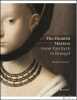
Het rijk ge llustreerde kunstboek De Vlaamse meesters: van Van Eyck tot Bruegel beslaat bijna anderhalve eeuw schilderkunst, van omstreeks 1430 tot de dood van Pieter Bruegel de Oude in 1569. In die tijdspanne kwam de schilderkunst in de Nederlanden tot een ongekende bloei. De Vlaamse Meesters: Van Van Eyck tot Bruegel biedt een representatief overzicht van de belangrijkste en meest invloedrijke schilders van die periode en van alle schildergenres die ontwikkeld of vernieuwd in de regio. Soms, als iets heel vertrouwd lijkt, verlies je uit het oog wat het zo bijzonder maakt: Vlaamse Meesters. Van van Eyck tot Bruegel wil dit effect tegengaan en opent opnieuw de ogen voor de revolutie die in de 15e en 16e eeuw in de Lage Landen plaatsvond en de koers van de Europese kunst bepaalde. In 48 rijkelijk ge llustreerde analyses onderzoekt Matthias Depoorter hoe schilders als Van Eyck, Van der Weiden, Massys, Bosch en Bruegel ongekende hoogten bereikten en tot op de dag van vandaag met recht als vernieuwers worden beschouwd. De bepalende factor was hun perfectionering en beheersing van de olieverftechniek, evenals hun baanbrekende aandacht voor optische lichteffecten. De nieuwe technische mogelijkheden boden een andere manier van kijken naar de wereld en uiteindelijk een nieuwe manier van schilderen. Niet minder vernieuwend was het detailniveau. Deze schilders kenden elkaars werk door en door - dit boek toont de fundamentele artistieke kruisbestuiving. Een must-read voor iedereen die opnieuw verliefd wil worden op de oude meesterwerken. MATTHIAS DEPOORTER (*1980) is schrijver en kunsthistoricus. Hij was een van de curatoren van de baanbrekende tentoonstelling Van Eyck: een optische revolutie in het Museum voor Schone Kunsten in Gent en co rdineerde de bijbehorende wetenschappelijke publicatie. In deze publicatie onderzoekt hij wat deze schilderijen zo nieuw en bijzonder maakte. Deze benadering is zowel genre- als thematisch, en onthult iets over de verschillende artistieke stijlen, formats, functies en stromingen, evenals de artistieke en maatschappelijke context waarin ze zijn ontstaan. Deze schilders kenden elkaars werk goed. Ze leenden regelmatig elementen van een collega en deden er iets nieuws mee. Artistieke kruisbestuiving was fundamenteel.
Transcultural Approaches to the Bible. Exegesis and Historical Writing across Medieval Worlds
, Brepols, 2021 Hardback, viii + 254 pages, Size:156 x 234 mm, Illustrations:19 col., Language: English. ISBN 9782503592855.
Summary This volume, the first in the new series Transcultural Medieval Studies, draws together scholars from around the world to offer new insights into the importance and role of the Bible across the varied cultures of medieval Europe. The papers gathered here take a comparative and multidisciplinary approach to the subject, focusing on the biblical background of perceptions of the religious and cultural 'Self ' and 'Other' in the Mediterranean, in Latin Europe, and in the Baltic. In doing so, the contributions identify commonalities and differences of the 'uses of the Bible' in these various worlds, combining and contrasting studies on Bible manuscripts, their exegesis, and their use for historical writing. TABLE OF CONTENTS Scientific Challenges in a Changing World: Transcultural Medieval Studies in the Twenty-First Century - MATTHIAS M. TISCHLER Bible, Exegesis and Historiography in the Medieval Worlds: Crossing Histories from a Transcultural Point of View - MATTHIAS M. TISCHLER AND PATRICK S. MARSCHNER Part I: The Iberian World Reframing Salvific History in a Transcultural Society: Iberian Bibles as Models of Historical, Prophetic and Eschatological Writing - MATTHIAS M. TISCHLER The Bible of Vic (1268): Textual and Theological Value of its Glosses in the Context of the Barcelona Disputation (1263) - EUL LIA VERNET I PONS The Chronicle of Sampiro, the Arabs, and the Bible: Eleventh-Century Christian-Iberian Strategies of Identifying the Cultural and Religious 'Other' - PATRICK S. MARSCHNER Part II: Latin Europe and the Near East Scripture, Hierarchy, and Social Control: The Uses of the Bible in the Twelfth- and Thirteenth-Century Chronicles and Chansons of the Crusades - SINI KANGAS Condemned Sisters, Effeminate Brothers, and Damned Heretics: Ezekiel 23 and the Negotiation of Clerical Sexuality in the Thirteenth Century - LYDIA M. WALKER Part III: The Baltic World How to Fit the 'Livs' into Sacred History? Identifying the Cultural 'Other' in the Earliest Latin Sources Depicting the Livonian Crusade - PETER FRAUNDORFER Wolves in the Wilderness: Biblical Typology and the Envisioning of Lithuanian Pagans in the Thirteenth and Fourteenth Centuries - STEFAN DONECKER
British Royal Weddings: From the Stuarts to the Early Twentieth Century
, Brepols, 2022 Hardback, xv + 367 pages, Size:216 x 280 mm, Illustrations:32 b/w, 40 col., Language: English. ISBN 9782503596969.
Summary This generously illustrated volume is the first in-depth study of the history and ceremonial at British royal weddings from the late sixteenth century onwards. With its over 70 illustrations it is also the most complete pictorial record of these ceremonies. Focusing on the actual wedding service, it follows the three main aspects of the choice of venue, the structure of the ceremonial, and especially the music of these events up to the early twentieth century. Being so closely linked with the performance of these ceremonies, music presents itself as an intriguing aspect for discussing the ceremonial details. Since the eighteenth century, at least some royal weddings have also been notable musical occasions and since Victorian times they have influenced the choices at other weddings. Many newly discovered sources have allowed for new insights and conclusions about the historical facts and interpretations of these ceremonies. Overall, this study presents the most complete account to date of how these magnificent occasions were celebrated. With its holistic approach and interdisciplinary character, replete with numerous illustrations and tables, this study is an extensive resource for historians and musicians alike - and for all those with a wider range of interest in British royal ceremonies. A second volume "British Royal Weddings: The House of Windsor" is scheduled to appear in 2023 by the same author and is the first in-depth discussion of how the British Royal Weddings since 1919 have been celebrated. TABLE OF CONTENTS Illustrations and Figure Preface Acknowledgments Abbreviations and Conventions 1 Setting the Scene 2 From Elaborate to Modest: The Seventeenth Century 3 The 'Concert' Weddings I: The Children of George II 4 The 'Concert' Weddings II: The Later Eighteenth-Century Georgians 5 Home Weddings: The Early Nineteenth Century 6 'State Marriages': The Early Victorians 7 The 'Windsor Castle' Weddings: The Mid-Victorians I 8 Routine and Innovation: The Mid-Victorians II 9 The Choral Weddings: The Late-Victorians 10 The Last 'of the Old Age': The Early Twentieth Century 11 The 'Pomp of Old Days': Three Centuries of Royal Weddings Appendices A Chronological List of British Royal Weddings B Texts and Transcriptions C Royal Weddings and their Music Sources and Bibliography Printed Orders of Service and Ceremonials Manuscript and Archival Material Published Material (including Dissertations) Index
Roem, hoop en tegenslag. Verhalen uit de wielergeschiedenis van Deurne
, District Deurne , 2021, softcover, 318 pag. met afbeeldingen. ISBN 9789081874816.
Sebastiano del Piombo and Michelangelo: The Compass and the Mirror. An Anthology
, Brepols, 2022 Paperback, 344 pages, Size:210 x 297 mm, Illustrations:10 b/w, 150 col., Language(s):English, Italian. ISBN 9782503580265.
Summary The collaboration between Michelangelo Buonarroti (1475-1564) and Sebastiano del Piombo (1485-1547), is among the most extraordinary artistic partnerships of the early modern period. It produced works of startling originality, crucial to the development of the so-called High Renaissance in the first decades of the sixteenth century. It was arguably Michelangelos most creative collaboration, helping him refine motifs and narrative strategies, and it proved determining for Sebastianos development of a monumental, spiritually invested idiom whose influence became a touchstone for religious art deep into the following century, and for principles of painterly abstraction beyond. Inspired by the exhibition Michelangelo & Sebastiano, mounted at The National Gallery in London in 2017, this book unites a group of international scholars in reflection on the two artists, their collaboration and its wider significance. TABLE OF CONTENTS Matthias Wivel ? The Compass and the Mirror Elena Calvillo ? Friendship, Medium and the Diverging Lives of Sebastiano del Piombo and Michelangelo Piers Baker-Bates ? Copies and Versions in Sebastiano's Art? The Christ Carrying the Cross Sheryl E. Reiss ? A Word Portrait of a Medici Maecenas: Giulio de' Medici (Pope Clement VII) as Patron of Art Arnold Nesselrath ? Raphael: Of Heirs and Pretenders Matthias Wivel and Rachel Billinge ? Sebastiano's Vich Triptych Carlo Piga ? Da Michelangelo a Sebastiano: antiche suggestioni e moderne invenzioni nel ciclo decorativo della Cappella Borgherini in San Pietro in Montorio a Roma Stefania Pasti ? Aperietur in tempore: Sebastiano del Piombo and the Borgherini Chapel in the Light of Prophetic Readings Paul Joannides ? A New Drawing by Sebastiano del Piombo for the Semi-Dome of the Borgherini Chapel Costanza Barbieri ? Sebastiano as Portraitist and a Case Study: The Portrait of Michelangelo Pointing at His Drawings Oriana Sartiani ? A Portrait of Michelangelo Attributed to Sebastiano del Piombo: Technical Examination, Discoveries, and Treatment Simonetta Antellini ? L'originalit compositiva della Nascita della Vergine di Sebastiano del Piombo Daniela Luzi ? 'Il bel secreto': La pittura sperimentale sulla pietra di Sebastiano nella Cappella Chigi Morten Steen Hansen ? The Readings of Angels: Sebastiano del Piombo and the Politics of the Immaculate Conception Andrea Donati ? Marcello Venusti, Michelangelo and the Legacy of Sebastiano del Piombo Charles Robertson ? Michelangelo's Last Judgement: Sebastiano del Piombo's Contribution
Latin Anonymous Sermons from Late Antiquity and the Early Middle Ages (AD 300-800). Classification, Transmission, Dating
, Brepols, 2021 Hardback, 288 pages, Size:156 x 234 mm, Illustrations:4 b/w, 2 tables b/w., Language(s):English, French, Latin. ISBN 9782503591223.
Summary This volume contains the proceedings of the international conference on anonymous sermons, funded by the F.R.S.-FNRS and held on 16 May 2019 at the Universit de Namur (Belgium), within the Faculty of Philosophy and Letters and the research centre Pratiques M di vales de l' crit (PraME). It brings together scholars working on late antique and early medieval Latin preaching, and follows on previous volumes on Augustine and African sermons published in the Ministerium Sermonis subseries. The focus here is on Christian Latin preached texts, thought to date from the period c. 300-800 AD, which are not currently attributed to a known author. Long neglected because of their uncertain attribution, these sermons offer new material for the study of late antique and early medieval Christianity. The contributions assembled here provide an essential entry point to the study of these little-known sermons: after an introduction which sets the aims of the book, discusses the state of the art and describes main avenues for research, individual papers present future tools to classify sermons and explore their medieval transmission in manuscripts, offer new critical editions of previously unknown sermons, and develop methods and reliable criteria to shed new light on their historical context of composition. Both engaging with current issues and challenges and offering innovative case studies, this book opens up new ground for future research on late antique and early medieval Latin Christian preaching in general. TABLE OF CONTENTS List of Abbreviations Introduction: Past and Current Research on Latin Anonymous Sermons (Matthieu Pignot) The Medieval Transmission and Reception of the Pseudo-Augustinian AU s 382/PS-AU s Bou 1. Notes on Converting a Scholarly Tradition into a Digital Network (Shari Boodts) Le corpus du pseudo-Eus be Gallican et l'essor de la pr dication en Provence aux Ve et VIe si cles (Ra l Villegas Mar n) Patchwork Sermons: An Understudied Genre of Late Antique Latin Literature (Clemens Weidmann) Un sermon pseudo-augustinien pour la f te de P ques, confront ses sources (Fran ois Dolbeau) Le Sermon Mai 53 (CPPM I 1218, Nutritos hirundo pullos) propos de la marche de Pierre sur les eaux (Matth. 14, 22-33), un pseudo-augustinien africain ? (Marie Pauliat) Two Anonymous Preachers on the "Woman Taken in Adultery": S. Mai 8 and an Unedited Homily in a Manuscript from Moissac (Gert Partoens & Andr s Handl) propos du sermon De laudibus Mariae (PS-AU s 123; PS-FU s 36) : sa tradition dans les imprim s de Fulgence (Pierre-Maurice Bogaert & Matthieu Pignot) Un tractatus sur Prou. 30, 15-20 (CPPM I 5027) et la question de son attribution Gr goire d'Elvire (J r my Delmulle) Indices
Matthijs de Ridder , Bea Cantillon , Herman Van Goethem, Dennis Van Mol, Ewald Peters
Reference : 69384
pelgrim kunst en zingeving in een onttoverde wereld (1924-1931)
, Hannibal Books, 2023 Softcover, 167 pagina's, 26 x 21 cm, Nederlandstalig, illustraties. *Als nieuw. ISBN 9789464666267.
Een momentum van hoop en vernieuwing voor katholieke Vlaamse schrijvers, kunstenaars en architecten. Zo kan De Pelgrim omschreven worden, een kunstbroederschap dat in 1924 werd opgericht door de schrijvers Felix Timmermans en Ernest Van der Hallen en de architect Flor Van Reeth. Met het trauma van de Eerste Wereldoorlog vers in het geheugen streefden de leden naar een eigentijdse verdieping van het christelijke geloofsleven en een grotere verbondenheid. Vaak knoopten ze aan bij de internationale avant-garde, die na het failliet van de burgerlijke maatschappij een nieuwe wereld wilde vormgeven. Maar evengoed, en tegelijkertijd, toonden geestelijke en artistieke rolmodellen uit vervlogen tijden ? van Ruusbroec en Franciscus tot Bruegel en de Vlaamse primitieven ? hun de weg naar verinnerlijking en naar de wortels van hun Vlaamse zelfbewustzijn. Door een podium te bieden voor lezingen, literatuur, toneel, muziek, beeldende kunst, architectuur en toegepaste kunst bouwde De Pelgrim aan een hernieuwd en performant kunst- en cultuurlandschap. Op die manier wilden de Pelgrims een dam opwerpen tegen de vervlakking van de oprukkende massacultuur, die zij omschreven als een F-drievuldigheid: film, foxtrot en football. Publicatie bij de gelijknamige tentoonstelling in het Koninklijk Museum voor Schone Kunsten Antwerpen (KMSKA) van 27 mei tot 3 september 2023. De expo maakt deel uit van het grootschalige stadsfestival Barokke Influencers in Antwerpen. Met tekstbijdragen van Matthijs de Ridder, Rajesh Heynickx, Ewald Peters en Dennis Van Mol.
Jong Landschap: De verknipte wereld van Bruegel tot Smits en Van Ostaijen
Mol, Dynamiek! en Jakob Smits Museum, 2025 Softcover, 79 pagina's, 24 x 17 cm, NL, illustraties. *Nieuw.
Jakob Smits is meer dan een schilder van traditionele landschappen. Met de elementen die hij aantrof in zijn omgeving gaf hij de wereld weer zoals niemand haar ooit gezien had. Hij had genoeg aan een wolk, een molen, een hoeve of een boom om de essentie van de Kempen op te roepen. Smits nodigde zo generaties kunstenaars uit om anders naar het bestaan te kijken. In de tentoonstelling 'Jong Landschap' laten het Jakob Smitsmuseum en Dynamiek! zien hoe moderne kunstenaars als Paul van Ostaijen, Jules Schmalzigaug en Floris Jespers de verknipte landschappen van Smits leerden kennen n waarderen, en hoe zij vervolgens een stap verder zetten op het pad naar het expressionisme en het surrealisme.
Music-Hall. Paul van Ostaijen en de soundtrack van de roaring twenties
, Lokaal bestuur Schilde, 2024 Softcover, 120 pagina?s, 24 x 17 cm, NL. *Nieuw. ISBN 9789081788021.
Met zijn debuutbundel Music-Hall trekt Paul van Ostaijen de Nederlands-talige literatuur in 1916 de moderne wereld in. Maar wat was er allemaal te beleven in die music-hall? En waarom waren Van Ostaijen en zo veel kunstenaars dermate gefascineerd? Het leven in de music-hall zette creatieve geesten in beweging omdat het een plek van tegenstrijdigheden was. Oud en nieuw, traditie en vernieuwing liepen hier door elkaar. Een avondje music-hall bestond uit muziek, volkstheater, film en dans. Je kon er zelfs een harlekijn tegen het lijf lopen. Music-Hall is een ode aan deze veelzijdigheid. Dans mee op de klanken van de muziek uit de roaring twenties en ervaar hoe beslissend de invloed van de populaire cultuur was op de doorbraak van de moderne kunst in Vlaanderen. - Deze publicatie kwam tot stand in opdracht van lokaal bestuur Schilde, naar aanleiding van de tentoonstelling Music-Hall in het Museum Albert Van Dyck (26 november 2024 ? 30 maart 2025).
Bruegel
, Ludion, De Standaard, 2006 Softcover, 47 pagina's, 30 x 24 cm, Nederlands, illustraties. *Als nieuw. ISBN 97890554463220.
Bruegel
kruisdraging in navolging van Jheronimus Bosch
Brussel, Koning Boudewijnstichting, 2011 Softcover, 59 pagina's, 24 x 18 cm, NL. *Als nieuw. ISBN 9789051307481.
De Koning Boudewijnstichting geeft een publicatie uit over de 'Kruisdraging', een werk dat Victor Jacobs van Merlen en zijn kinderen aan het Erfgoedfonds schonken, zodat het in het Museum Mayer van den Bergh publiek toegankelijk zal zijn. De Kruisdraging in navolging van Jheronimus Bosch getuigt van het succes van de beeldtaal van Bosch in de zestiende eeuw, maar neemt binnen de grote groep schilderijen die in navolging van Bosch zijn gemaakt een bijzondere positie in vanwege de monumentaliteit, de kwaliteit en de creativiteit van de schildering. Het schilderij bleef voordien steeds in priv bezit en was daarom weinig bekend en al zeer lang niet meer bestudeerd of onderzocht. Het Ergoedfonds maakte het mogelijk dat een kritische studie en onderzoek kon gebeuren. Die opdracht werd toevertrouwd aan Prof. A.M. Koldeweij van de Radboud Universiteit in Nijmegen en M. Ilsink van het Bosch Research and Conservation Project te 's-Hertogenbosch. Het resultaat daarvan werd in deze mooi ge llustreerde publicatie vastgelegd. Het situeert de Kruisdraging duidelijk in de navolging van Bosch, maakt de bronnen en betekenis ervan duidelijk, en maakt tegelijk komaf met de oude toeschrijving aan Jan Mandijn.
Hieronymus Bosch Visons of genius
, Fonds Mercator/ Mercatorfonds , 2016 Paperback, 270x225mm, 192p, 140 colour illustrations, English edition ISBN 9789462301184.
Expo: 13/2/2016 - 8/5/2016, Noordbrabants Museum, ?s-Hertogenbosch Hieronymus Bosch (1450-1516) lived and worked in 's Hertogenbosch, The Netherlands, where he created enigmatic paintings and drawings full of bizarre creatures, phantasmagoric monsters, and terrifying nightmares. He also depicted detailed landscapes and found inspiration in fundamental moral concepts: seduction, sin, and judgment. This beautiful book accompanies the largest exhibition ever held on Bosch's work, and will feature important new research on his 25 known paintings and 20 drawings. The book, divided into six sections, covers the entirety of the artist's career. It discusses in detail Bosch's Pilgrimage of Life, Bosch and the Life of Christ, his role as a draftsman, his depictions of saints, and The Garden of Earthly Delights, among other topics, and is handsomely illustrated by new photography undertaken by the Bosch Research and Conservation Project Team. Matthijs Ilsink is project coordinator of the Bosch Research and Conservation Project and teaches at Radboud University, Nijmegen. Jos Koldeweij is professor in art history of the Middle Ages at the University of Nijmegen, the Netherlands. The authors are the curators of the's-Hertogenbosch exhibition.
Jerome Bosch Visions de genie.
, Fonds Mercator/ Mercatorfonds , 2016 Paperback, 270x225mm, 192 pages, 140 colour illustrations, French edition ISBN 9789462301177.
Expo: 13/2/2016 - 8/5/2016, Noordbrabants Museum, s-Hertogenbosch Jerome Bosch (1450-1516) a vecu et travaille a Bois-le-Duc, ou il a cree des ?uvres enigmatiques peuplees d'etres etranges, de monstres fantastiques et de cauchemars inquietants inspires de ses themes de predilection : la seduction, le peche et le Jugement dernier. Ce magnifique ouvrage parait en marge de la plus grande exposition jamais dediee a son travail. Les six chapitres du livre retracent sa carriere, traitant en details des themes varies comme la Perigrinatio vitae de Bosch, Bosch et la vie du Christ, son role en tant que concepteur d'estampes, ses peintures de saints ou le Jardin des delices. Ce livre, qui a ete supervise par l'equipe du BRCP, est magnifiquement illustre grace a de nouvelles photographies. Hieronymus Bosch (1450-1516) lived and worked in 's Hertogenbosch, The Netherlands, where he created enigmatic paintings and drawings full of bizarre creatures, phantasmagoric monsters, and terrifying nightmares. He also depicted detailed landscapes and found inspiration in fundamental moral concepts: seduction, sin, and judgment. This beautiful book accompanies the largest exhibition ever held on Bosch's work, and will feature important new research on his 25 known paintings and 20 drawings. The book, divided into six sections, covers the entirety of the artist's career. It discusses in detail Bosch's Pilgrimage of Life, Bosch and the Life of Christ, his role as a draftsman, his depictions of saints, and The Garden of Earthly Delights, among other topics, and is handsomely illustrated by new photography undertaken by the Bosch Research and Conservation Project Team. Matthijs Ilsink is project coordinator of the Bosch Research and Conservation Project and teaches at Radboud University, Nijmegen. Jos Koldeweij is professor in art history of the Middle Ages at the University of Nijmegen, the Netherlands. The authors are the curators of the's-Hertogenbosch exhibition.
Jheronimus Bosch Visioenen van een genie.
, Fonds Mercator/ Mercatorfonds , 2016 Paperback, 270x225mm, 192p, 140 colour illustrations, Dutch (NL) edition . NIEUW ISBN 9789462301160.
Expo: 13/2/2016 - 8/5/2016, Noordbrabants Museum, s-Hertogenbosch Hieronymus Bosch (1450-1516) leefde en werkte in 's Hertogenbosch waar hij raadselachtige schilderijen en tekeningen vol bizarre wezens, fantastische monsters en angstaanjagende nachtmerries schiep. Hij schilderde ook gedetailleerde landschappen. Zijn inspiratie vond hij in fundamentele morele begrippen: bekoring, zonde en oordeel. Dit prachtige boek verschijnt naar aanleiding van de grootste tentoonstelling die ooit aan zijn werk werd gewijd. Hiervoor werd belangrijk nieuw onderzoek verricht over de 25 schilderijen en 20 tekeningen die van hem bekend zijn. In de zes secties van het boek komt de hele carriere van de kunstenaar aan bod. Het behandelt op gedetailleerde wijze thema's als Bosch' Peregrinatio Vitae, Bosch en het leven van Christus, zijn rol als ontwerper van prenten, zijn schilderijen van heiligen, en de Tuin der Lusten. Het boek is prachtig geillustreerd met nieuwe foto's, gemaakt in opdracht van het Bosch Research and Conservation Project Team. Kenmerkend voor Bosch zijn de beroemde monsters, duivelse figuren, engelen en heiligen die zijn tekeningen en panelen bevolken. Zijn karakteristieke werk, vol illusies en hallucinaties, wonderlijke gedrochten en nachtmerries, verbeeldt onnavolgbaar de grote thema's van zijn tijd: verleiding, zonde en rekenschap. Werkend in de periode rond 1500, de overgang tussen middeleeuwen en renaissance, weerspiegelen Jheronimus' schilderijen en tekeningen op raadselachtige wijze de relatie tussen de mens, zijn omgeving en zijn schepper. Jheronimus Bosch geldt als een geniale kunstenaar, die in zijn werk werelden toonde die zijn tijdgenoten niet voor mogelijk hielden. Het is een kunstenaar die tot de absolute wereldtop behoort, wiens werk navolging kreeg bij generaties na hem en die tot op de dag van vandaag ook nieuwe kunstenaars weet te inspireren. "Jheronimus Bosch is de belangrijkste en meest oorspronkelijke middeleeuwse kunstenaar die ons land heeft voortgebracht. Het is fantastisch dat in 2016 het overgrote deel van zijn oeuvre in zijn geboortestad 's-Hertogenbosch te zien zal zijn. Geweldig ook dat een nieuwe generatie kennis kan maken met dit in alle opzichten unieke werk." Charles de Mooij, directeur van Het Noordbrabants Museum
Jerome Bosch peintre et dessinateur. HIERONYMUS BOSCH CATALOGUE RAISONN
, Fonds Mercator/ Mercatorfonds , 2016 Hardback, 325x240mm, 592 pages, 450 colour illustrations, French edition neuf. ISBN 9789462301122.
Le 500e anniversaire de la mort de Jerome Bosch sera l'occasion de la publication, en 2016, de trois ouvrages sur ce grand maitre a l'imagination foisonnante. Le premier sera un nouveau catalogue raisonne, complet et definitif, de ses 25 tableaux et 20 dessins. Il s'agit de l'aboutissement de six ans de recherches menees par le Bosch Research and Conservation Project. A travers de splendides photographies prises apres restauration, tres detaillees et entierement nouvelles, les auteurs y examinent en details chacun des tableaux et dessins conserves, rendant hommage a l'incroyable creativite de cet artiste de l'extreme fin du moyen age qui en est arrive a changer les regles de la peinture. Compiled by members of the Bosch Research and Conservation Project and published on the 500th anniversary of Hieronymus Bosch's death, this is the definitive new catalogue of all of Bosch's extant paintings and drawings. His mastery and genius have been redefined as a result of six years research on the iconography, technics, pedigree and conservation history of his paintings and on his life. This stunning volume reproduces all new photography, as well as up-to-date research on the individual works. For the first time the incredible creativity of this late medieval artist, expressed in countless details, is reproduced and discussed in this book. Special attention is being paid to Bosch as an image maker, a crafty draughtsman and a brutal painter, changing the game of painting around 1500 by his innovative way of working. Matthijs Ilsink is project coordinator of the Bosch Research and Conservation Project and teaches at Radboud University, Nijmegen. Jos Koldeweij is professor in art history of the Middle Ages at the University of Nijmegen, the Netherlands. Published on the 500th anniversary of Hieronymus Bosch's death, this book represents the most definitive catalogue of the artist's iconic works. Authors: Bosch Research and Conservation Project: Matthijs Ilsink, Jos Koldeweij, Ron Spronk, Luuk Hoogstede, Robert G. Erdmann, Rik Klein Gotink, Hanneke Nap, Daan Veldhuizen
Jheronimus Bosch Schilder en tekenaar. Catalogus raisonne.
, Fonds Mercator/ Mercatorfonds , 2016 Hardcover, 607 pag. NL editie, 330 x 255 x 45 mm, NIEUW !!, in een stevig foedraal, stofomslag, 450 illustraties in kleur. *NIEUW in cellofaan. ISBN 9789462301115.
Vijfhonderd jaar na de dood van de kunstenaar verschijnt de nieuwe en definitieve catalogus van al zijn bewaard gebleven schilderijen en tekeningen, samengesteld door leden van het Bosch Research and Conservation Project. Zes jaar wetenschappelijk onderzoek over zijn leven en over de iconografie, de technieken, de pedigree en de bewaringsgeschiedenis van zijn schilderijen resulteren in een nieuwe definitie van zijn genie en meesterschap. De recentste gegevens over de afzonderlijke werken zijn in het boek verwerkt, samen met nieuwe foto's. De ongelooflijke creativiteit van deze laatmiddeleeuwse kunstenaar die in ontelbare details tot uiting komt, wordt hier voor het eerst uitvoerig toegelicht. Er wordt speciale aandacht besteed aan Bosch als inventor, als geraffineerd tekenaar en als vrijmoedig schilder, die rond 1500 door zijn vernieuwende werkwijze de spelregels van de schilderkunst veranderd heeft. Auteurs: Bosch Research and Conservation Project: Matthijs Ilsink, Jos Koldeweij, Ron Spronk, Luuk Hoogstede, Robert G. Erdmann, Rik Klein Gotink, Hanneke Nap, Daan Veldhuizen
Italien. Arzt und Botaniker.
O.J. (16. Jh.). Holzschnitt (Brustbild in ovaler Umrahmung umgeben von allegorischen Figuren und Blattranken). Bildgrösse: 31 x 22,5 cm (picture size). Blattgrösse: 35 x 23 cm (leaf size).
Knapp bis zum Bildrand beschnitten. - Résumé: Mattioli, Pietro Andrea (1500-1577): Italian physician and botanist. Woodcut (half length portrait in oval with allegoric figures). 16th century. - Margins cropped close.

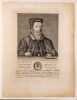
Italien. Arzt und Botaniker.
1764. Kupferstich von F. Allegrini nach Lorenzo Feliciati. Plattengrösse: 29,5 x 19,5 cm. Blattgrösse: 42 x 32,5 cm.
Valentino. A Grand Italian Epic
, Taschen, 2025 hardcover, dusjacket, 25 x 33.4 cm, 4.56 kg, 576 pages full colors. Englsh text. *new. ISBN 9783754400692.
Genius, Glamour, And Magnificent Gowns Valentino Garavani: the greatest name in Italian couture For almost half a century Valentino dominated Italian haute couture, dressing the world?s wealthiest and most glamorous women. Only a few years after opening his fashion house in Rome in 1959, Valentino could already count Elizabeth Taylor, Jackie Kennedy, and Audrey Hepburn among his devotees. Despite his retirement in 2007 little has changed; his brand continues to thrive and prosper, and is worn by celebrities like Gwyneth Paltrow and Jennifer Lopez. Valentino has always designed magnificent gowns, never wavering from his signature style despite fads like grunge, deconstruction, and minimalism. This book traces Valentino?s illustrious career through copious images from his archives, including drawings, magazine editorial shoots, advertisements, portraits, and documentary photographs. Presented chronologically, the visual material is accompanied by a vast array of newspaper and magazine articles about Valentino throughout the years. Combined, they provide an in-depth look at the man, his lifestyle, and his genius.
Grand Budapest Hotel
, Abrams, 2017 Hardcover, 256 pages, 28.6 x 23.8 cm, richly illustrated, EN. *NEW. ISBN 9781419715716.
The Wes Anderson Collection: The Grand Budapest Hotel
De l'origine des espèces par voie de la dérive naturelle - La diversification des lignées à travers la conservation et le changement des phénotypes ontogéniques.
Presses universitaires de Lyon. 1999. In-8. Broché. Bon état, Couv. convenable, Dos satisfaisant, Intérieur frais. 93 pages.. . . . Classification Dewey : 500-SCIENCES DE LA NATURE ET MATHEMATIQUES
Texte traduit de l'espagnol par Louis Vasquez et Paul Castella, augmenté d'une interview de J.Mpodozis et J.-C- Letelier. Classification Dewey : 500-SCIENCES DE LA NATURE ET MATHEMATIQUES

Le désir malade (dans un monde libre et sans tabous)
JCLattès 2011 2011, JCLattès, in-8 broché de 264 pages. Longtemps, le plaisir a été un péché et sa quête une maladie. Notre époque l'a libéré. puis elle en a contrôlé à nouveau l'usage, imposant ses normes au nom de la santé publique ou privée. Et si, pour retrouver le vrai sens du désir, il fallait lui rendre sa liberté ? | Etat : Très bon état général (Ref.: Ref8855)
Sauvée par qui ? La science, ma volonté ou l'au-delà ?
Santé, bien-être ,1980, in-8 de 190 pages ,broché ,Bon état , .(2 photos du livre sur mon site https://www.vieuxlivre.fr) .Les frais de port pour la France sont offerts à partir de 25 euros d'achat (Mondial relay ). (colissimo suivi +6,90 ).
Desir et écriture melancoliques : lecture du page disgracie de tristan l'hermite.: Lectures du "page disgracié" de Tristan l'Hermite
SLATKINE 1981 14 8x0 8x21 2cm. 1981. Broché.

Bon Etat couverture défraîchie intérieur propre
charme du concret. Le d tail r v lateur du savoir dans l'Antiquit
, Brepols, 2025 Hardback, Pages: 262, Size:156 x 234 mm, Illustrations:1 b/w, 1 col., Language: French. ISBN 9782503608808.
Summary Ce volume r unit les contributions de philologues, d'historiens de l'art et d'arch ologues qui se penchent sur le d tail et son statut pist mologique. Toutes les tudes ici rassembl es reconnaissent au d tail concret le r le essentiel d'un pivot autour duquel le point de vue bascule et le savoir se construit. Les d tails d'un texte ou d'une image s'imposent au lecteur-spectateur, qui s'en rapproche pour profiter du spectacle de leur pr sence. Puis ces d tails l'incitent, au contraire, prendre du recul, car pour saisir leur sens, il faut les replacer dans leur cadre, comme des pi ces ins rer dans un puzzle. Tout se passe donc comme si le d tail, per u comme la concr tion du r el, devait tre d roul pour qu'on puisse en extraire une id e g n rale. C'est une pelote compacte dont il faut tirer le fil du sens, pour r v ler un savoir abstrait , c'est- -dire, au sens litt ral, extrait du d tail concret qui le rec lait. Les contributions sont regroup es en trois th matiques. Le charme du concret appara t d'abord comme une construction artificielle, destin e un lecteur-spectateur averti. On analyse ensuite la tension entre la singularit de l'objet concret et le d ploiement d'un corpus de r f rences qui semble maner de lui. Enfin, l'ekphrasis peut tre lue comme un art po tique en acte, dans une dimension programmatique : le petit d tail r v le les grands enjeux de la construction. L'approche pluridisciplinaire d voile les multiples facettes du d tail et son r le herm neutique dans l' laboration du savoir. TABLE OF CONTENTS Maud Pfaff-Reydellet, Maryse Schilling, Avant-propos I. Le charme du concret Doris Meyer, Qu'est-ce qui est concret dans l' pigramme grecque ? Maud Pfaff-Reydellet, Le charme du concret chez Virgile et Ovide. Quand un petit d tail r v le de grands enjeux Jean-Christophe Jolivet, L'outre d' ole, memorabile munus. Avatars ex g tiques d'un objet hom rique d'Eratosth ne de Cyr ne (1 A 16) Ovide (M t. XIV, 223-232 et Am. III, 12) Thomas Baier, Le concret et l'ambigu dans les pigrammes d ictiques de Martial II. Tension entre la singularit de l'objet concret et le d ploiement d'un corpus de r f rences Maryse Schilling, Les accessoires de la f te. Petits objets et d tails dans l' pinicie horatienne Evelyne Prioux, Des catalogues d'allusions litt raires dans les descriptions d'oeuvres toreutiques (Martial, pigrammes, VIII, 6 et 50) Cl ment Chillet, Repr senter la ville. De l'ancrage dans le concret l' laboration symbolique Giovanna Laterza, Templum architecturae (Vitruve, De Architectura, I, 1, 11) III. L'ekphrasis et le charme du concret Anne Sinha, La chlamyde fait-elle le h ros ? R flexions sur deux ekphraseis piques flaviennes (Argonautica, II, 408-417 et Punica, XV, 425-434) Catherine Notter, Le d tail au service de la repr sentation po tique dans les Xenia de Martial. L'exemple des pigrammes relatives aux oiseaux Renaud Robert, Architectures modestes. Quelques cabanes dans la litt rature d' poque romaine Index

