 Write to the booksellers
-
Type
Autograph (1)
Book (5209)
Magazine (35)
Music sheets (3)
Photographs (8)
-
Latest
Last 24h (1)
Last 3 days (2)
Last month (8)
Last week (2)
-
Language
Czech (1)
English (3)
French (5239)
German (11)
Latin (1)
Spanish (1)
-
Century
17th (16)
18th (197)
19th (1142)
20th (2265)
21st (80)
-
Countries
Belgium (353)
Côte d'Ivoire (20)
Denmark (697)
France (3828)
Switzerland (358)
-
Syndicate
CLAM (2)
ILAB (3011)
NVVA (183)
SLACES (183)
SLAM (2106)
SNCAO (48)
"WOLLASTON, WILLIAM HYDE. - CHEMICAL 'EQUIVALENTS' INTRODUCED.
Reference : 42248
(1814)
A Synoptic Scale of Chemical Equivalents. Read November 4, 1813.
(London, W. Bulmer and Co., 1814). 4to. 4to. No wrappers as extracted from ""Philosophical Transactions"" 1814 - Part I. Pp. 1-22 and 1 engraved plate. Last textleaf slightly browned, otherwise clean and fine.
First appearance of this importent paper in which Wollaston introduces the ""chemical slide rule"".""In 1814 he draw up ""A Synoptic Table of Chemical Equivalents"", wherein many ""equivalents"" (a term apparently first used in the chemical sense by him) were arranged in a logarithmic scale. Chemists found this device of great practical assistance, and it survives today in the form of the chemical slide rule."" (A Source Book in Chemistry p. 221).""The design of the scale here proposed by the author (Wollaston) is to save chemists the labour of many troublesome computations in estimating the ingredients of neutral salts, and the reagents and precipitates by whic these ingredients might be ascertained."" (Abstract).
"WOLLASTON, WILLIAM HYDE. - CYSTINE, THE FIRST AMINO ACID TO BE DISCOVERED.
Reference : 45130
(1810)
On Cystic Oxide, a new species of Urinary Calculus. Read July 5, 1810.
(London, W. Bulmer and Co., 1810). 4to. No wrappers as extracted from ""Philosophical Transactions"" 1810 - Part I. Pp. 223-230. Light browning to first leaf. Wide-margined.
First appearance of this fundamental paper in the history of organic chemistry in which Wollaston announced his discovery of ""Cystine"", the very first of the amino acids, the building blocks of protein, to be discovered.Wollaston ""in 1812 (correct 1810) identified a new and rare type of stone, which he called ""cystic oxide"" since it occurred in the bladder. This was later renamed cystine, the first of the amino acids to be discovered. Fourcroy and Vauquelin reported similar investigations, but unaccountably gave no recognition to Wollaston. This led Alexander Marcet, a physician, to set matters right in a popular work dedicated to Wollaston.""(DSB XIV, p. 492).Garrison & Morton: 668.1.
"WOLLASTON, WILLIAM HYDE. - THE DISCOVERY OF THE ELEMENT RHODIUM.
Reference : 42469
(1804)
On a new Metal, found in crude Platina. Read June 24, 1804.
(London, Bulwer and Co., 1804). 4to. Without wrappers as extracted from ""Philosophical Transactions of the Royal Society of London."" Year 1804-Part II. Pp. 419-430. Clean and fine.
First appearance of the paper in which Wollaston announced his discovery of the metallic element Rhodium.""Dr. Wollaston dissolved a portion of crude platinum in qgua regia, and neutralized the excess acid with caustic soda. He then added salammoniac to precipitate the platinum as ammonium chloroplatinate, and mercurous cyanide to precipitate the palladium as palladium cyanide. After filteringoff the precipitate, he decomposed the excess mercurous cyanide inthe filtarate by adding hydrochloric acid and evaporating to dryness. When he washed the residue with alcohol, everything dissolved except a beautiful dark red powder, which proved to be a double chloride of sodium and a new metal, which because of the rose color of its salts, Dr. Wollaston named 'Rhodium'. He found that the sodium rhodium chloride could be easely reduced by heating it in a current of hydrogen, and that after the sodium chloride had been washed out, the rhodium remained as a metallic powder. he also succeeded in obtaining a rhodium button.""(Weeks: Discovery of the Elements. p. 104-05.)
Processus en chaîne et facteurs limitatifs en biochimie et en biologie. Actualités biochimiques, 13.
Liège, Desoer/Paris, Masson, 1949. 16 x 24, 77 pp., broché, bon état.
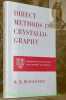
Direct Methods in Crystallography. Collection: Monographs on the Physics and Chemistry of Materials.
Oxford, At the Clarendon Press 1961, 220x140mm, VIII - 144pages, editor's binding with jacket. Name of previous owner on top of front page and brown spots on top and bottom endpapers and name of previous owner on top of front page otherwise book in good condition.
Pour un paiement via PayPal, veuillez nous en faire la demande et nous vous enverrons une facture PayPal
Experiments on some Mineral Substances. Communicated at the Desire of William Hunter. Read Nov. 19, 1778.
(London, J. Nicols, 1779). 4to. Extract from ""Philosophical Transactions, of the Royal Society of London."" Vol. 69, Year 1779 - Part I. Pp. 11-34.
First printing. In the paper Woulfe described a white tin ore and other minerals. (Partington III: p. 301).Woulfe is mainly remembered for the two-necked bottle generally known as a Woulfe’s bottle which has long been a standard item of equipment in most chemical laboratories. The apparatus has been traced back to J. R. Glauber, and its attribution to Woulfe seems to stem from his use of a vessel with two outlets in a series of distillation experiments described in 1767. His ""new method"" was designed to prevent the escape of fumes ""very hurtful to the lungs"" by passing them through a tube into water.(DSB).
"La théorie de la relativité d'Einstein; Exposé élémentaire."
Bruxelles, Librairie Albert Dewit, 1922. 16 x 24, 86 pp., 8 figures, broché, mauvais état (couverture déchirée, cachets du Collège jésuite Saint Stanislas à Mons).
traduit d'après la 3e édition revue et augmentée par le P. H. Dopps, S.J.
Chimie et standard de vie
Badische Anilin- & Soda-Fabrik AG Cartonné avec jaquette In-4 (21,5 x 30 cm), cartonné avec jaquette, sans date, 45 pages, photographies en couleurs ; petites déchirures, pliures et marques de frottement à la jaquette notamment sur les bords, par ailleurs assez bon état général. Livraison a domicile (La Poste) ou en Mondial Relay sur simple demande.
Leçon élémentaires de Chimie moderne --- 3e éd. revue et augmentée
G. Masson 1875 in12. 1875. Cartonné.
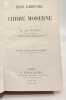
Bon état bords un peu frottés intérieur propre dans l'ensemble quelques légères rousseurs éparses
LECONS ELEMENTAIRES DE CHIMIE MODERNE / 4e EDITION.
MASSON G.. 1889. In-8. Relié demi-cuir. Etat d'usage, Plats abîmés, Dos frotté, Intérieur acceptable. VII + 754 pages augmentées de nombreuses figures en noir et blanc in texte - Plats et contre-plats jaspés - Coins émoussés - Plats, tranches abimés - Coiffes en tete et pied frottées.. . . . Classification Dewey : 540-Chimie et sciences connexes
Classification Dewey : 540-Chimie et sciences connexes
DICTIONNAIRE DE CHIMIE PURE ET APPLIQUEE, 7 VOLUMES (COMPLET)
Librairie Hachette et Cie, Paris. Non daté. In-8. Relié demi-cuir. Etat d'usage, Coins frottés, Dos frotté, Quelques rousseurs. 7 volumes d'env. 700 pages chacun. Illustrés de nombreuses gravures en noir et blanc (et en couleur) dans le texte et hors texte. Pièces de titre rouges et vertes sur les dos. Auteur, titre, tomaison et filets dorés sur les dos. Tranches marbrées. Texte sur 2 colonnes. Tampons en pages de titre.. . . . Classification Dewey : 540-Chimie et sciences connexes
Ouvrage du dernier quart du XIXe siècle. Comprenant la Chimie organique et inorganique, La Chimie appliquée à l'Industrie, à l'Agriculture et aux Arts, La Chimie analytique, La Chimie physique et la Minéralogie. Avec la collab. de MM. J. Bouis, E. Caventou, Ph. de Clermont, H. Debray, P.P. Dehérain, Ch. Friedel, E. Grimaux, A. Naquet. L. Troost, etc. Tome I, 1re partie: A-B. Tome I, 2e partie; C-G. Tome II, 1re partie: H-P. Tome II, 2e partie: P-St. Tome III: S-Z. Supplément, 1re partie: A-F. Supplément, 2e partie: G-Z. Classification Dewey : 540-Chimie et sciences connexes
Dictionnaire de Chimie pure et appliquée. Comprenant , la chimie organique et inorganique. La chimie appliquée à l industrie, à l agriculture et aux arts. La chimie analytique, la chimie physique et la minéralogie en 6 volumes
Librairie hachette et cie. 1873 à 1878. In-8. Relié. Etat d'usage, Couv. convenable, Dos frotté, Rousseurs. Tome Premier Première partie A-B/Tome Premier deuxième partie C-G/Supplément première partie A-F /Tome second première partie H-P/ Environ 800 pages par volume. détail des 6 volumes : Supplément deuxième partie G-Z/ TOme Troisième S-Z. Titre ,auteur et fleuron en doré au dos.. . . . Classification Dewey : 540-Chimie et sciences connexes
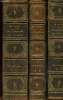
Classification Dewey : 540-Chimie et sciences connexes
Dictionnaire de chimie pure et appliquée, comprenant la chimie organique et inorganique, la chimie appliquée à l'industrie, à l'agriculture et aux arts, la chimie analytique, la chimie physique et la minéralogie.
Paris: Hachette, 1868 3 volumes en 5 forts tomes in-8, [viii]-1650, 1696, 794 pages, 806 fig. dans le texte, 1 planche en couleurs hors-texte. Reliure basane havane, dos lisse très orné, pièces de titre brune, éraflures sur les plats, sinon bel exemplaire décoratif, qqs rousseurs et mouillures.
Dictionnaire de chimie pure et appliquée, comprenant la chimie organique et inorganique, la chimie appliquée à l'industrie, à l'agriculture et aux arts, la chimie analytique, la chimie physique et la minéralogie. (Paris: Hachette, 1868). [M.C.: sciences, chimie, dictionnaire]
Dictionnaire de chimie pure et appliquée comprenant la chimie organique et inorganique, la chimie appliquée à l'industrie, à l'agriculture et aux arts, la chimie analytique, la chimie physique et la minéralogie
HACHETTE. sans date vers 1900. In-8. Relié demi-cuir. Bon état, Couv. convenable, Dos satisfaisant, Intérieur frais. A la suite, Tome 1, A-B, 687 pp., rousseurs - Tome 1, deuxième partie, C-G, 1650 pp., rousseurs - Tome 2, H-P, 920 pp., rousseurs, mors fendus, coiffe en pied abîmée - Tome 2, deuxième partie, P-S, 1696 pp., rousseurs - Tome 3, S-Z, 794 pp., rousseurs, dos fané - Supplément, 1ère partie, A-F, 848 pp., rousseurs - Supplément, 2è partie, G-Z, 1712 pp., 2 tableaux, rousseurs - Deuxième supplément, Première partie, A-B, 832 pp., rousseurs - Deuxième supplément, deuxième partie, C, 1585 pp., rousseurs - Nombreuses illustrations in texte, dos à nerfs, titre doré au dos, assez bon état général. COMPLET - 3 PHOTOS DISPONIBLES.. . . . Classification Dewey : 540-Chimie et sciences connexes
5 TOMES - 4 SUPPLEMENTS - 9 VOLUMES COMPLET. Classification Dewey : 540-Chimie et sciences connexes
Dictionnaire de Chimie pure et appliquée comprenant : la chimie organique et inorganique, la chimie appliquée à l'Industrie, à l'Agriculture et aux Arts, la chimie analytique, la chimie physique et la minéralogie.
1868 demi-rel. éditeur p. de tomaison r. et vertes., tr. mouchetées (rousseurs à certains cahiers). 8 vol. in-8, T I : (4ff.), XCIV-687pp. ; TII. (2ff.), 688 à 1650 ; TIII. (2ff.), 920pp. 1 pl. ; TIV. (2ff.), 921 à 1696. ; TV. (2ff.), 794pp. TVI. (2ff.), 848pp. 1 pl. ; TVII. (2ff.), 849-1712, 2 pl. ; T VIII. 2ème sup. Iere partie A-B (2ff.), 832pp. P. Hachette 1868-1892.
Le premier volume contient l'Histoire des doctrines chimiques depuis Lavoisier jusqu'à nos jours . Il y déclare : " La Chimie est une science française. Elle fut constitutée par Lavoisier " ce qui allait entraîner quelques réactions outre-Rhin...Quatre pl. dont une en couleurs representant le spectre lumineux ; nombreuses figures in-texte. Exemplaire avec 3 volumes de supplément.
Histoire des Doctrines Chimiques depuis Lavoisier jusqu'a nos Jours.
Paris, Hachette et Cie, 1869. Uncut in orig. printed wrappers. Haftitle taped to inside frontwrapper.
First edition.
Leçons Elémentaires de Chimie Moderne.Cinquième édition, revue et considérablement augmentée, avec 133 figures dans le texte.
Paris, Masson 1884, 180x115mm, II- 828pages, demi-reliure. Dos cuir. Plats marbrés. Etiquette de titre manuscrite au dos, peu lisible. Dos très légèrement frotté. Rousseurs. Bon état.
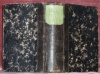
Pour un paiement via PayPal, veuillez nous en faire la demande et nous vous enverrons une facture PayPal
Leçons élémentaires de chimie moderne 5e édition revue et considérablement augmentée
Masson et Cie 1884 In-12 reliure demi- maroquin vert, dos à petits nerfs, caissons ornés, 133 figures dans le texte ; 828 pp. Menus frottements en coiffe, sinon bon état d’occasion.
Bon état d’occasion
Leçons élémentaires de chimie moderne. Quatrième édition, revue et augmentées, avec 132 figures dans le texte.
Paris, G. Masson 1879, 185x115mm, VII - 754pages, reliure demi-chagrin. Titre au dos doré, rousseurs.
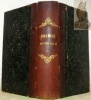
Pour un paiement via PayPal, veuillez nous en faire la demande et nous vous enverrons une facture PayPal
Traité élémentaire de chimie médicale contenant quelques notions de toxicologie et les principales applications de la chimie à la physiologie, à la pathologie, à la pharmacie et à l'hygiène. Tome 1 : Chimie inorganique.
P., Masson, 1864, in 8° relié demi veau marron, dos lisse, II-672 pages ; figures dans le texte ; 1 planche couleurs dépliante hors-texte ; petits frottis au dos.
Fermeture du 1er au 23 Août


Phone number : 04 77 32 63 69
Dictionnaire de chimie pure et appliquee. 3 tomes en 5 volumes.
Paris, Hachette, 1874-78, in-4to, rousseurs, qqs taches d'eau, demi-cuir originale, dos du tome 3 abimé avec manque.
Contient: Tome 1, 1re partie: Histoire des doctrines chimiques depuis Lavoisier - Notes - Dictionnaire de chimie A-B. / Tome 1, 2me partie C-G / Tome 2, 1re et 2e partie & Tome 3: H-Z.
(SLACES, NVVA)
Phone number : 41 (0)26 3223808
Dictionnaire de chimie pure et appliquée. [suivi de ] Premier supplément [et du début du 2e supplément].
P., Hachette, [vers 1890] - 1894. Neuf volumes in-8 demi-basane verte.
Dictionnaire : 5 volumes / 1er supplément (complet): 2 volumes / 2e supplément (lettres A-C seules) : 2 volumes. Dos passés, mors et coiffes légèrement frottés, bonne condition. - Frais de port : -France 15 € -U.E. 15 € -Monde (z B : 35 €) (z C : 92 €)
LECONS ELEMENTAIRES DE CHIMIE MODERNE. 4em EDITION REVUE ET AUGMENTEE.
MASSON.. 1879. In-12. Relié demi-cuir. Etat d'usage, Plats abîmés, Dos à nerfs, Rousseurs. 754 pages. Nombreuses ilustrations en noir et blanc dans le texte. Titre et auteur sur dos en cuir marron.. . . . Classification Dewey : 540-Chimie et sciences connexes
Classification Dewey : 540-Chimie et sciences connexes
Leçons élémentaires de chimie moderne
G. Masson. Non daté. In-12. Broché. Etat d'usage, Couv. convenable, Dos satisfaisant, Papier jauni. 828 pages augmentées de nombreuses illustrations en noir et blanc, dans le texte. Ex-libris à l'encre en page de titre.Auteur et titre dorés au dos. Nombreuses rousseurs.. . . . Classification Dewey : 540-Chimie et sciences connexes
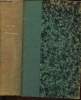
6ème édition. Classification Dewey : 540-Chimie et sciences connexes
DICTIONNAIRE DE CHIMIE PURE ET APPLIQUÉE. Comprenant: La chimie organique et inorganique, la chimie appliquée à l industrie, à l'agriculture et aux arts, la chimie analytique, la chimie physique et la minéralogie. Volumes I-V (3 tomes)
Paris Librairie Hachette et Cie, 1874-1878 1874 in 8 (25,5x17) 5 forts volumes reliures demi chagrin noir de l'époque, dos à nerfs. Tome premier: première partie (A-B) et deuxième partie (C-G) [3] XCIV et 1659 pages (pagination continue). Tome second: première partie (H-P) et deuxième partie (P-S) 1696 pages. Tome troisième: 794 pages. Volumes illustrés de nombreuses figures dans le texte (804) et de planches hors texte en couleurs, quelques rousseurs éparses. Texte sur 2 colonnes. Bon exemplaire ( Photographies sur demande / We can send pictures of this book on simple request )
Bon Couverture rigide

