 Write to the booksellers
-
Type
Autograph (15)
Book (50944)
Magazine (288)
Manuscript (2)
Maps (1)
New book (1)
Old papers (1)
Photographs (1)
-
Latest
Last 24h (10)
Last 3 days (35)
Last month (1183)
Last week (31)
-
Language
Dutch (6)
English (43)
Finnish (1)
French (51123)
German (19)
Greek (5)
Italian (20)
Japanese (2)
Latin (21)
Polish (1)
Portuguese (3)
Spanish (7)
Swedish (2)
-
Century
16th (61)
17th (194)
18th (1304)
19th (3625)
20th (22007)
21st (3743)
-
Countries
Belgium (6718)
Brazil (24)
Canada (6)
China (2)
Côte d'Ivoire (69)
Denmark (1046)
France (38714)
Germany (3)
Greece (3)
Netherlands (269)
Switzerland (4399)
-
Syndicate
ALAC (6)
CLAM (37)
CNE (6)
ILAB (19985)
NVVA (998)
SLACES (907)
SLAM (17652)
SNCAO (41)
LES MALADIES DE LA MEMOIRE
PRESSES UNIVERSITAIRES DE FRANCE / NOUVELLE ENCYCLOPEDIE PHILOSOPHIQUE. 1949. In-12. Broché. Etat d'usage, Couv. légèrement passée, Dos abîmé, Intérieur frais. 137 pages. Manques au dos. Premier plat détaché.. . . . Classification Dewey : 100-PHILOSOPHIE ET DISCIPLINES CONNEXES
Classification Dewey : 100-PHILOSOPHIE ET DISCIPLINES CONNEXES


LA PEUR EN OCCIDENT XIVe-XVIIIe siècles une cité assiégée
1978 / 481 pages. Broché Editions Fayard
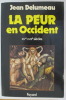
Trés bon état.
LE CHRISTIANISME VA-T-IL MOURIR?
HACHETTE ESSAIS. 1977. In-12. Broché. Bon état, Couv. convenable, Dos satisfaisant, Intérieur frais. 211 pages. . . . Classification Dewey : 210-Philosophie et théorie
Classification Dewey : 210-Philosophie et théorie
L'évolution régressive en biologie et en sociologie
Paris, Félix Alcan, 1897. Un volume relié in-8, 222 x 144 mm, 324 pp. + 32 pp. de catalogue éditeur. Relié pleine toile, frappé en doré sur le plat de couverture, dos lisse orné en doré avec noms d'auteurs, titre et éditeur en doré. Reliure signée "M. Engel Rel." en queue. Provenance prestigieuse : étiquette de la Casa Garraux, la plus grande librairie française de São Paulo, au premier contreplat. "Les sociétés sont des organismes ; les organismes sont des sociétés cellulaires. Entre les organes d'un corps vivant, il existe une véritable division du travail ; les institutions sont des organes ou des appareils. Dans quelle mesure pareilles assimilations sont-elles légitimes ? Doivent-elles être prises autrement que dans un sens métaphorique ? Peut-on délimiter exactement les frontières de la biologie et de la sociologie ?" Un essai avant-gardiste qui tente de pousser le plus loin possible l'analogie entre organisme individuel, organismes sociaux animaux et sociétés humaines. Sa thèse essentielle est que pour évoluer dans un sens, il faut régresser sur d'autres éléments, que l'on soit une bactérie ou un superorganisme social humain. Nombreuses figures dans le texte, table des matières en fin d'ouvrage.


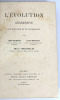
Plat et dos quelque peu frottés, sinon bon état.
LA PHILOSOPHIE DE L'EVEIL OU L'IMPOSSIBLE PASSAGE.
LES IMPRESSIONS MARRIMPOUEY.. 30 juin 1989. In-12. Relié plein cuir. Bon état, Couv. convenable, Dos satisfaisant, Mouillures. 142 pages. Titre et filets dorés sur le dos.Tranches dorée. Présence du signet.. . . . Classification Dewey : 100-PHILOSOPHIE ET DISCIPLINES CONNEXES
Classification Dewey : 100-PHILOSOPHIE ET DISCIPLINES CONNEXES
JEAN DE RIPA [GIOVANNI DA RIPA, JEAN DE LA MARCHE] (& COMBES Andre, ed.)
Reference : F80724
(1961)
Lectura super primum sententiarum. Prologi, Quaestiones I & II. Edition critique
Paris, Vrin 1961 xxxv + 433pp., signé avec dédicace par A.Combes au savant augustinien Eelcko Ypma, 25cm., pour la plupart non coupé, dans la série "Textes philosophiques du moyen age" volume 8, br.orig. (manque de papier au dos en tête) protogé par papier de cristal, texte et intérieur en bel état, introduction en français & texte de Jean de Ripa en latin, F80724
Quelques mots sur Montesquieu.
Bourg, Milliet-Bottier, 1869 ; in-8, broché ; 28 pp., premier plat conservé.
On joint une lettre autographe de 4 pp., signée de M. Jeandet, datée du 1er janvier 1871, qui s'excuse auprès de son collègue (M. Aynès) de ne pouvoir être présent au tribunal pour raisons de santé. Bon exemplaire, les considérations sur Montesquieu sont fort intéressantes.
La connaissance humaine - préface de Cuenot
Ronsard 1948 in12. 1948. Broché.
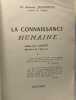
Bon Etat de conservation sous papier de soie tranche salie en bas rousseurs en tête intérieur propre
"Le Panpsychisme vital - collection ""Occident"""
Victor Attinger. 1954. In-12. Broché. Etat d'usage, Couv. légèrement passée, Dos satisfaisant, Papier jauni. 256 pages. Signature à l'encre sur le 1er contreplat.. . . . Classification Dewey : 100-PHILOSOPHIE ET DISCIPLINES CONNEXES
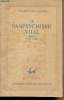
Préface de Henri Baruk. Classification Dewey : 100-PHILOSOPHIE ET DISCIPLINES CONNEXES
Avant que Nature meure. Pour une écologie politique Collection «Les Beautés de la Nature », 1965 [compte-rendu]
1971 PARIS, Delachaux & niestlé, Collection «Les Beautés de la Nature », 1971 - In-8 - Cartonnage éditeur sous haquette illustrée - illustrations en texte & H.T.N. & B. & couleurs -542 pages + Catalogue éditeur - bon exemplaire
![Avant que Nature meure. Pour une écologie politique Collection «Les Beautés de la Nature », 1965 [compte-rendu] . Jean Dorst](https://static.livre-rare-book.com/pictures/SPR/47519_1_thumb.jpg)
Cnformément à nos conditions générales de vente :Les frais de port sont affichés à titre indicatif. Il se peut que nous devions vous contacter pour vous informer du coût de laffranchissement supplémentaire en fonction du poids et du nombre de livres, surtout pour les envois internationaux Cependant vu l'augmentation des tarifs postaux à l'internationale, nous pouvons expédier les ouvrages en point relais MONDIAL RELAY pour les pays suivants : Allemagne, Autriche, Belgique, Espagne, Italie, Luxembourg, Pays-Bas, Pologne, et Portugal. Merci de nous indiquer en retour le point relais choisi ainsi que votre numéro de téléphone mobile & adresse Courriel pour assurer le suivi du colis.N'hésitez pas à nous interroger.In accordance with our general terms and conditions of sale:Shipping costs are displayed for informational purposes only. We may need to contact you to inform you of the additional postage costs depending on the weight and number of books, especially for international shipments.However, given the increase in international postal rates, we can ship books via Mondial Relay to the following countries: Germany, Austria, Belgium, Spain, Italy, Luxembourg, Netherlands, Poland, and Portugal. Please provide us with your chosen Mondial Relay point, as well as your mobile phone number and email address to ensure package tracking.Please feel free to contact us with any questions
LES PUISSANCES DU MAL
broche - 14x22.5 - 190pp - 1996 - éditions du rocher/ belles lettres
. ANTHROLOGIE HISTOIR PHILOSOPHIE LITTERATURE PARADES
HEIDEGGER ET LA LIBERTE Le Projet politique de "Sein und Zeit"
IN 8-256 PAGES-(21C)
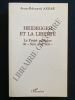
L'HARMATTAN COUVERTURE SOUPLE ETAT NEUF
MESSIEURS DU CANARD
1973 / 297 pages. Broché Editions Stock
Couverture d'usage légèrement frottée, dos cassé, intérieur trés frais. Bon état.
Le dossier scurit n 148074: L'histoire de l'achat d'un mdecin roumain interdit d'immigration en Isral
Hermann Broch D'occasion bon tat 23/02/2011 278 pages
Les seigneurs d'Aryana Nomades contrebandiers d'Afghanistan
Flammarion 1972 in8. 1972. Broché.
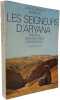
Très Bon Etat intérieur frais
La philosophie de l'amour de Marsile Ficin et son influence sur la littérature française au XVIe siècle
Paris 1941 LIBRAIRIE PHILOSOPHIE J. VRIN Soft cover
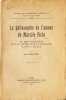
Couverture souple originale de l'éditeur, 26 x 17 cm, VIII + 168 pp., français, état du livre : Très bon [Cette description peut avoir été traduite par une IA.]
La philosophie de la longévité - 13e éd
Félix alcan 1919 in8. 1919. Broché.
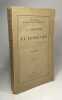
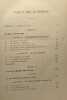
couverture défraîchie intérieur propre
La phénoménologie
Presses Universitaires de France 1954 collection Que sais-je #625. in12. 1954. broché. Cet ouvrage de Jean-François Lyotard paru en 1954 est une introduction à la phénoménologie. Il en présente la signification historique et les différents cheminements depuis Husserl le précurseur. Publié dans la collection Que sais-je ? il constitue une synthèse de référence sur le sujet

Bon état couverture usagée intérieur propre
Essais de Morale prospective
Editions Gonthier | Paris 1966 | 13.50 x 21.50 cm | broché
Edition originale pour laquelle il n'a pas été tiré de grands papiers. Envoi autographe signé de Jean Fourastié au philosophe Etienne Soureau erronément daté de 1948. - Photographies et détails sur www.Edition-Originale.com -
Essais de Morale prospective
Editions Gonthier | Paris 1966 | 13.50 x 21.50 cm | broché
Edition originale pour laquelle il n'a pas été tiré de grands papiers, un des exemplaires du service de presse. Bel envoi autographe signé de Jean Fourastié à Hubert Beuve-Méry : "... qui a tant fait pour la morale politique - et continue de faire tant, je présente cet essai qui tente d'envisager ce que pourra être la morale dans la société scientifique. J. Fourastié Janv. 67." - Photographies et détails sur www.Edition-Originale.com -
HEIDEGGER ET LE ZEN
COLLECTION LE SOLEIL DANS LE COEUR-GRAND IN 8 BROCHE-224 PAGES-(7E)

PRESENCE COUVERTURE SOUPLE ETAT NEUF
Pour connaitre la pensée de Machiavel - Collection Pour connaitre
BORDAS. 1974. In-8. Broché. Etat d'usage, Couv. convenable, Dos satisfaisant, Quelques rousseurs. 271 pages. . . . Classification Dewey : 100-PHILOSOPHIE ET DISCIPLINES CONNEXES
Classification Dewey : 100-PHILOSOPHIE ET DISCIPLINES CONNEXES
PHILOSOPHER EN FRANCAIS LANGUE DE LA PHILOSOPHIE ET LANGUE NATIONALE
ESSAI-COLLECTION QUADRIGE-IN 12 BROCHE-516 PAGES-(7D)

PUF COUVERTURE SOUPLE ETAT NEUF
JEAN FRANCOIS OLIVIER ET MARIANNE LACROIX
Reference : R200020179
(2003)
ISBN : 2883533105
LES SUCCES DE LA MAGNETOTHERAPIE APAISER VOS TROUBLES ET VOS DOULEURS
JOUVENCE. 2003. In-8. Broché. Bon état, Couv. convenable, Dos satisfaisant, Intérieur frais. 173 pages.. . . . Classification Dewey : 100-PHILOSOPHIE ET DISCIPLINES CONNEXES
Classification Dewey : 100-PHILOSOPHIE ET DISCIPLINES CONNEXES

