 Write to the booksellers
-
Type
Book (9921)
Engraving (8)
Magazine (12)
Maps (1)
-
Latest
Last 24h (15)
Last 3 days (1)
Last month (30)
Last week (18)
-
Language
English (4)
French (9901)
German (2)
Greek (28)
Italian (2)
Latin (4)
Swedish (1)
-
Century
16th (12)
17th (29)
18th (48)
19th (695)
20th (1774)
21st (114)
-
Countries
Belgium (1186)
Brazil (1)
Canada (7)
Côte d'Ivoire (5)
France (2895)
Greece (16)
Netherlands (5655)
Switzerland (176)
United Kingdom (1)
-
Syndicate
ALAC (7)
CLAM (35)
ILAB (1910)
NVVA (2)
SLACES (2)
SLAM (1825)
SNCAO (3)
LES AUTEURS GRECS : PLUTARQUE - VIE D'ALEXANDRE / EXPLIQUES D'APRES UNE METHODE NOUVELLE PAR DEUX TRADUCTIONS FRANCAISES.
HACHETTE ET CIE. 1858. In-12. Broché. Etat d'usage, Coins frottés, Dos frotté, Mouillures. 340 pages. Renfort papier craft. Trace de mouillures sans réelle conséquence sur la lecture. Tampon sur la page de titre et la page 25.. . . . Classification Dewey : 480-Langues helléniques. Grec
EXPLIQUES PAR DEUX TRADUCTIONS FRANCAISES. TRADUCTION LITTERALE ET JUXTALINEAIRE PRESENTANT LE MOT A MOT FRANCAIS EN REGARDE DES MOTS GRECS CORRESPONDANTS. ET UNE TRADUCTION CORRECTE ET PRECEDEE DU TEXTE GREC. Classification Dewey : 480-Langues helléniques. Grec


LES AUTEURS GRECS : PLUTARQUE, VIE DE CESAR - EXPLIQUES D'APRES UNE METHODE NOUVELLE.
HACHETTE ET CIE. 1863. In-12. Relié. Etat d'usage, Couv. convenable, Dos satisfaisant, Mouillures. 264 pages. Tampon sur la page de titre et la page 25. Trace de mouillures sans réelle conséquence sur la lecture. Quelques annotations au crayon à papier sans réelle conséquence sur la lecture.. . . . Classification Dewey : 480-Langues helléniques. Grec
EXPLIQUES PAR DEUX TRADUCTIONS FRANCAISES. TRADUCTION LITTERALE ET JUXTALINEAIRE PRESENTANT LE MOT A MOT FRANCAIS EN REGARDE DES MOTS GRECS CORRESPONDANTS. ET UNE TRADUCTION CORRECTE ET PRECEDEE DU TEXTE GREC. Classification Dewey : 480-Langues helléniques. Grec
LES AUTEURS GRECS : PLUTARQUE, VIE DE MARIUS - EXPLIQUES D'APRES UNE METHODE NOUVELLE.
HACHETTE ET CIE. 1875. In-12. Relié demi-cuir. Etat d'usage, Coins frottés, Mors arrachés, Mouillures. 238 pages. Tampon sur la page de titre et la page 25. Trace de mouillures sans réelle conséquence sur la lecture.. . . . Classification Dewey : 480-Langues helléniques. Grec
EXPLIQUES PAR DEUX TRADUCTIONS FRANCAISES. TRADUCTION LITTERALE ET JUXTALINEAIRE PRESENTANT LE MOT A MOT FRANCAIS EN REGARDE DES MOTS GRECS CORRESPONDANTS. ET UNE TRADUCTION CORRECTE ET PRECEDEE DU TEXTE GREC. Classification Dewey : 480-Langues helléniques. Grec
LES AUTEURS GRECS : SOPHOCLE, OEDIPE A COLONE - EXPLIQUES D'APRES UNE METHODE NOUVELLE.
HACHETTE ET CIE. 1865. In-12. Relié. Etat d'usage, Couv. convenable, Dos satisfaisant, Mouillures. 243+8 pages. Tampon sur la page de titre et la page 25. Trace de mouillures sans réelle conséquence sur la lecture.. . . . Classification Dewey : 480-Langues helléniques. Grec
EXPLIQUES PAR DEUX TRADUCTIONS FRANCAISES. TRADUCTION LITTERALE ET JUXTALINEAIRE PRESENTANT LE MOT A MOT FRANCAIS EN REGARDE DES MOTS GRECS CORRESPONDANTS. ET UNE TRADUCTION CORRECTE ET PRECEDEE DU TEXTE GREC. Classification Dewey : 480-Langues helléniques. Grec
LES AUTEURS GRECS : XENOPHON, 2 EME LIVRE DE LA CYROPEDIE - EXPLIQUES D'APRES UNE METHODE NOUVELLE.
HACHETTE ET CIE. 1863. In-12. Relié. Etat d'usage, Coins frottés, Dos satisfaisant, Mouillures. 140 pages. Tampon sur la page de titre et la page 25. Trace de mouillures sans réelle conséquence sur la lecture.. . . . Classification Dewey : 480-Langues helléniques. Grec
EXPLIQUES PAR DEUX TRADUCTIONS FRANCAISES. TRADUCTION LITTERALE ET JUXTALINEAIRE PRESENTANT LE MOT A MOT FRANCAIS EN REGARDE DES MOTS GRECS CORRESPONDANTS. ET UNE TRADUCTION CORRECTE ET PRECEDEE DU TEXTE GREC. Classification Dewey : 480-Langues helléniques. Grec
LES AUTEURS GRECS : XENOPHON - ECONOMIQUE CHAPITRE I A XI.
HACHETTE ET CIE. 1879. In-12. Broché. Etat d'usage, Coins frottés, Dos abîmé, Intérieur acceptable. 190 pages. Renfort papier craft.. . . . Classification Dewey : 480-Langues helléniques. Grec
EXPLIQUES PAR DEUX TRADUCTIONS FRANCAISES. TRADUCTION LITTERALE ET JUXTALINEAIRE PRESENTANT LE MOT A MOT FRANCAIS EN REGARDE DES MOTS GRECS CORRESPONDANTS. ET UNE TRADUCTION CORRECTE ET PRECEDEE DU TEXTE GREC. Classification Dewey : 480-Langues helléniques. Grec
LES AUTEURS GRECS : XENOPHON / PREMIER LIVRE DE LA CYROPEDIE. EXPLIQUES D'APRES UNE METHODE NOUVELLE PAR DEUX TRADUCTIONS FRANCAISES. + XENOPHON / CYROPEDIE.
HACHETTE ET CIE. 1883. In-12. Broché. Etat d'usage, Couv. convenable, Dos satisfaisant, Déchirures. 211+140 pages. Trace de mouillures sans réelle conséquence sur la lecture. Tampon sur la page de titre et la page 25.. . . . Classification Dewey : 480-Langues helléniques. Grec
EXPLIQUES PAR DEUX TRADUCTIONS FRANCAISES. TRADUCTION LITTERALE ET JUXTALINEAIRE PRESENTANT LE MOT A MOT FRANCAIS EN REGARDE DES MOTS GRECS CORRESPONDANTS. ET UNE TRADUCTION CORRECTE ET PRECEDEE DU TEXTE GREC. Classification Dewey : 480-Langues helléniques. Grec
L'ILIADE D'HOMERE - 22e CHANT - LES AUTEURS GRECS
LIBRAIRIE HACHETTE ET CIE. 1891. In-12. Broché. Etat passable, Livré sans Couverture, Dos abîmé, Quelques rousseurs. 69 + 4 pages - LIVRE SANS COUVERTURE - VENDU EN L'ETAT. . . . Classification Dewey : 480-Langues helléniques. Grec
expliqués d'après une méthode nouvelle par deux traductions françaises : l'une littérale et juxtalinéaire présentant le mot à mot français en regard des mots grecs correspondant - l'autre correcte et précédée du texte grec Classification Dewey : 480-Langues helléniques. Grec
LUCIEN - DIALOGUES DES MORTS - LES AUTEURS GRECS
LIBRAIRIE HACHETTE ET CIE. 1912. In-12. Broché. Etat d'usage, Couv. légèrement passée, Dos abîmé, Intérieur acceptable. 194 +36 pages - coiffes abimées. . . . Classification Dewey : 480-Langues helléniques. Grec
expliqués d'après une méthode nouvelle par deux traductions françaises : l'une littérale et juxtalinéaire présentant le mot à mot français en regard des mots grecs correspondant - l'autre correcte et précédée du texte grec Classification Dewey : 480-Langues helléniques. Grec
PLUTARQUE - VIE DE CICERON / LES AUTEURS GRECS EXPLIQUES D'APRES UNE METHODE NOUVELLE PAR DEUX TRADUCTIONS : L'UNE LITTERALE ET JUSTALINEAIRE PRESENTANT LE MOT A MOT FRANCAIS EN REGARD DES MOTS GRECS...
LIBRAIRIE HACHETTE ET CIE. 1843. In-12. Relié plein cuir. Etat d'usage, Plats abîmés, Dos satisfaisant, Mouillures. 227 pages. Etiquette collée sur la page de titre. Coins frottés.Trace de mouillures sans réelle conséquence sur la lecture. Page de faux-titre désolidarisé.. . . . Classification Dewey : 480-Langues helléniques. Grec
... CORRESPONDANTS, L'AUTRE CORRECTE ET PRECEDEE DU TEXTE GREC. ECRIT EN GREC ET EN FRANCAIS. Classification Dewey : 480-Langues helléniques. Grec
"PLUTARQUE - VIE DE DEMOSTHENE / COLLECTION ""LES AUTEURS GRECS""."
LIBRAIRIE HACHETTE ET CIE. 1863. In-12. Broché. Etat d'usage, Couv. défraîchie, Dos abîmé, Papier jauni. 142 pages - Charnieres abimées.. . . . Classification Dewey : 480-Langues helléniques. Grec
OUVRAGE EN GREC ET FRANCAIS. / Expliquées litteralement annotées et revues pour la traduction francaise par M SOMMER. Classification Dewey : 480-Langues helléniques. Grec
"SOPHOCLE - ELECTRE / COLLECTION ""LES AUTEURS GRECS""."
LIBRAIRIE HACHETTE ET CIE. 1874. In-12. Broché. Etat d'usage, Plats abîmés, Mors fendus, Quelques rousseurs. 221 pages - 2e plat manquant.. . . . Classification Dewey : 480-Langues helléniques. Grec
OUVRAGE EN GREC ET FRANCAIS. / Expliquées litteralement annotées et revues pour la traduction francaise par M. BENLOEW ET TRADUITE EN FRANCAIS PAR M. BELLAGUET. Classification Dewey : 480-Langues helléniques. Grec
SOPHOCLE PHILOCTETE - LES AUTEURS GRECS EXPLIQUES D'APRES UNE METHODE NOUVELLE PAR DEUX TRADUCTIONS : L'UNE LITTERALE ET JUSTALINEAIRE PRESENTANT LE MOT A MOT FRANCAIS EN REGARD DES MOTS GRECS CORRESPONDANTS, L'AUTRE...
LIBRAIRIE HACHETTE ET CIE. 1876. In-12. Relié plein cuir. Etat d'usage, Plats abîmés, Dos à nerfs, Mouillures. 202 pages. Tampon sur la page de titre. Etiquette de bibliothèque collée sur le premier contre-plat. Coins frottés. Dos à 4 nerfs. Titre et auteur en dorés sur pièce de titres. Roulettes en dorés. Etiquette collée sur le dos. Trace de mouillures sans réelle conséquence sur la lecture. Contre-plats jaspés.. . . . Classification Dewey : 480-Langues helléniques. Grec
... CORRECTE ET PRECEDEE DU TEXTE GREC. ECRIT EN GREC ET EN FRANCAIS. Classification Dewey : 480-Langues helléniques. Grec
Anacréon, Théocrite, Bion, Moschus, Callimaque texte grec à l'usage des élèves - 2e édition avec sommaires et notes.
Auguste Delalain. 1834. In-12. Cartonné. Etat d'usage, Coins frottés, Dos satisfaisant, Intérieur acceptable. 169 pages - ouvrage en grec avec des notes en français.. . . . Classification Dewey : 480-Langues helléniques. Grec
ouvrage en grec avec des notes en français. Classification Dewey : 480-Langues helléniques. Grec
Adagia sive proverbia Graecorum. ex Zenobio seu Zenodoto, Diogeniano & Suidae collectaneis, partim edita nunc primum, partim Latine reddita, scholiisque parallelis illustrata, ab Andrea Schotto (..)
Anvers, Plantin, veuve et fils de Jean Moretus, 1612 in-4, [] ff. n. ch. (titre, dédicace, au lecteur, privilège), 702 pp., un f. n. ch. (marque de libraire), texte grec et traduction latine en regard sur deux colonnes, demi-veau fauve marbré, dos à nerfs cloisonné et fleuronné, pièce de titre cerise, tranches rouges (rel. du XVIIIe siècle). Coins abîmés, coupes un peu frottées.
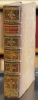
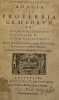
Élégante édition des parémiographes grecs, donnée par le jésuite anversois André Schott (1552-1629) : le sophiste Zénobios (rhéteur actif sous Hadrien) ; Diogénien d'Héraclée (également du IIe siècle de notre ère) ; la partie correspondante de la Souda. Elle demeure extrêmement pratique par sa lisibilité et la sobriété de l'appareil de notes.Brunet, I, 45. - - VENTE PAR CORRESPONDANCE UNIQUEMENT - LIEN DE PAIEMENT, NOUS CONSULTER.
Connaissance Hellénique
Université de provence 2009 80 pages in8. 2009. broché. 80 pages.
Très bon état
Connaissance Hellénique
Université de provence 2009 80 pages in8. 2009. broché. 80 pages.
Très bon état
PASCAL NEBOUT- CHRISTIAN ROUGIER- COUTANCEAU GREGO
Reference : RO20269000
(2007)
ISBN : 2917363002
Les p'tits chefs - Tome 1 : en poitou charente - enfin la cuisine devient un jeu d'enfant - DVD manquant - a partir de 6 ans - 4 Memus complets
Rollmops Production. 2007. In-4. Relié. Bon état, Couv. convenable, Dos satisfaisant, Intérieur frais. 81 pages illustrées en couleur - DVD non inclus. . . . Classification Dewey : 641.5-Cuisine, art culinaire

PASCAL NEBOUT- CHRISTIAN ROUGIER- COUTANCEAU GREGORY - JEAN PHILIPPE VOUHE Classification Dewey : 641.5-Cuisine, art culinaire
Niketas David Paphlagon, to prosopo kai to ergo tou : symvole ste melete tes prosopographias kai tes agiologikes grammateias tes prometaphrastikes periodou
Thessalonike, Kentro vyzantinon ereunon 1999 351pp., 25cm., in the series "Vyzantina keimena kai meletai" (Byzantina. Byzantine Texts and Studies) volume 28, text in Greek, includes bibliographical references (pp.15-49) and indexes, publisher's hardcover in full cloth with gilt lettering, very good condition, X116539
Definities der generale kapittels van de Orde van het H. Kruis. 1410-1786
Bruxelles, Palais des Académies, 1969 fort in-4, XIV-629-[3]-V pp., index, bibliographie, bradel percaline grise, plat supérieur orné (reliure de l'éditeur). 2 coins renforcés.
Publication de la Commission royale de Belgique sur les prérogatives, statuts et actes de l'Ordre de la Ste Croix en Belgique. - - VENTE PAR CORRESPONDANCE UNIQUEMENT - LIEN DE PAIEMENT, NOUS CONSULTER.
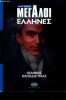
Megaloi Ellines - Ioannis kapodistrias
SKAI. 2009. In-8. Relié. Bon état, Couv. convenable, Dos satisfaisant, Intérieur frais. 169 PAGES. Nombreuses planches couleurs et noir et blanc. En grec.. . . . Classification Dewey : 480-Langues helléniques. Grec
Classification Dewey : 480-Langues helléniques. Grec
PROSODIE GRECQUE D'APRES LES TABLEAUX PROSODIQUES DE FRANCOIS PASSOW
Jacques Lecoffre et Cie, Paris. 1848. In-8. Relié. Etat d'usage, Couv. légèrement passée, Dos satisfaisant, Rousseurs. 80 pages. Etiquette de code sur la couverture. Quelques tampons et annotations de bibliothèque. Pages de garde et de titre manquantes. Fortes rousseurs.. . . . Classification Dewey : 480-Langues helléniques. Grec
Publié par MM. Longueville et Congnet. Le complément naturel de toutes les Grammaires, de tous les Dictionnaires grecs, etc. Classification Dewey : 480-Langues helléniques. Grec
Figures grecques de l'épouvante de l'antiquité au présent.
Leiden, Boston, Brill, 2015.
XXXI,405 p. Hardbound. 24 cm (Mnemosyne Supplement 376) (New 164 Euro) (Examines an aspect of Greek pedagogy, fear for the bogeyman/woman, Lamia, Mormô, Gellô and Empousa, female figures that belong to the children's world)

