 Write to the booksellers
-
Type
Book (605)
Magazine (5)
-
Language
English (2)
French (584)
Russian (24)
-
Century
18th (16)
19th (46)
20th (229)
21st (61)
-
Countries
Belgium (27)
Denmark (6)
France (510)
Germany (1)
Netherlands (3)
Switzerland (38)
United Kingdom (1)
United States of America (24)
-
Syndicate
CLAM (3)
ILAB (299)
NVVA (6)
SLACES (6)
SLAM (265)
Erich Lessing : 50 ans de Photographie
Agens-Werk Geyer + Reisser, Vienne 1995 In-4 broché. Très bon état d’occasion.
Très bon état d’occasion
Erich lessing - Mémoire du Temps - Photographies de reportage 1948-1973
Hazan 2003 In-4 relié 27,5 cm. 456 pages. Très bon état d’occasion.
Très bon état d’occasion
Femmes mythologies
Imprimerie Nationale Cartonné avec jaquette 1994 In-4 (32.5x24.5 cm), cartonné sous jaquette illustrée, 413 pages, belle iconographie en couleurs et en pleine page ; mors et bordures frottés, assez bon état. Livraison a domicile (La Poste) ou en Mondial Relay sur simple demande.


LA RENAISSANCE ITALIENNE / le ciecle de l esperance, histoire de la renaissance italienne, l art de la renaissance italienne, repertoire des auteurs des textes de la renaissance.....
HATIER. 1985. In-4. Relié. Bon état, Couv. convenable, Dos satisfaisant, Intérieur frais. 323 pages augmentees de nombreuses planches en couleurs et d illustrations en couleurs dans et hors texte. Avec Jaquette. . . Classification Dewey : 945-Italie
Classification Dewey : 945-Italie
Les Celtes.
Paris Hatier 1978 1 vol. relié in-4, cartonnage sous jaquette illustrée, 255 pp., nombreuses photos en couleurs. Très bon état.
Les Celtes
Hatier Cartonné avec jaquette 1978 In-4 (27,5 x 31,5 cm), cartonné avec jaquette, 255 pages ; jaquette un peu usée (frottements aux plats, bordures un peu recourbées, petite réparation au ruban adhésif au premier plat), par ailleurs le reste de l'ouvrage est en bon état général. Livraison a domicile (La Poste) ou en Mondial Relay sur simple demande.
L'Odyssée : L'Epopée d'Homère racontée en images
Hatier Cartonné avec jaquette 1966 In-4 (26,5 x 30 cm), cartonné avec jaquette, 281 pages, photographies en couleurs ; frottements, déchirures et un petit manque sur les bords de la jaquette, par ailleurs assez bon état général. Livraison a domicile (La Poste) ou en Mondial Relay sur simple demande.
L'Odyssée - L'épopée d'Homère racontée en images
Hatier. 1972. In-4. Relié toilé. Bon état, Couv. convenable, Dos satisfaisant, Intérieur frais. 281 pages. Nombreuses photos en couleurs dans et hors texte. Jaquette légèrement déchirée.. Avec Jaquette. . . Classification Dewey : 880-Littératures helléniques. Littérature grecque
Classification Dewey : 880-Littératures helléniques. Littérature grecque
VERITE ET PORSIE DE LA BIBLE.
HATIER. 1969. In-Folio. Relié. Bon état, Couv. convenable, Dos satisfaisant, Intérieur frais. 317 pages. Nombreuses photos en noir et blanc dans et hors texte.. . . . Classification Dewey : 220-Bible
Classification Dewey : 220-Bible
Vérité et poésie de la bible.
Hatier. 1969. In-4. Relié. Bon état, Couv. convenable, Dos satisfaisant, Intérieur frais. 317 pags - jaquette en bon état - nombreuses photos en couleurs dans et hors texte.. Avec Jaquette. . . Classification Dewey : 220-Bible
Classification Dewey : 220-Bible
Vérité et poésie de la bible
Hatier 1969 in4. 1969. Cartonné jaquette.
Bon Etat légèrement jauni déchirures jaquette
Pompeji
, Librero, 2001 Hardcover onder stofomslag, 31 x 25 cm, 203 pagina's, Nederlandstalige tekst. *Als nieuw. ISBN 9789057641466.
Pompeji
LESSING Erich avec La Collaboration De Karl OTMAR VON ARETIN et Friedrich PIEL
Reference : 015379
(1985)
ISBN : 2218072556
La Renaissance Italienne
Paris Hatier 1985 In Quarto Très bon état , avec sa jaquette . Traduction de Nicole Casanova , Pierre Guislain , Olivier Mannoni , mise en images par Erich Lessing . Au sommaire : Le siècle de l'espérance et des promesses - Histoire de la Renaissance Italienne - Images de la Renaissance Italienne - L'art de la Renaissance Italienne - Description des oeuvres représentées - Répertoire des auteurs des textes de la Renaissance - Bibliographie - Index . Magnifiques illustrations en couleurs dont " la saliera " ( la salière en or de François Ier ) de Benvenuto Cellini . - 324 p., 2 kg 200 gr.
Couverture rigide Très bon Très bon 1ère Édition
BUDAPEST - 1956 - LA REVOLUTION
BIRO EDITEUR. 2006. In-Folio. Relié. Bon état, Couv. convenable, Dos satisfaisant, Intérieur frais. 249 pages augmentées de nombreuses photos en noir et blanc dans et hors texte.. . . . Classification Dewey : 940-Histoire générale de l'Europe
COLLECTIF: Lessing, Erich - Fejto, Francois - Konrad, Gyorgy - Bauquet, Nicolas / PHOTOGRAPHE : ERICH LESSING. Classification Dewey : 940-Histoire générale de l'Europe
Immortelle Egypte
Editions de La Martinière 2001 257 pages 23x2 8x30cm. 2001. cartonnage editeur avec jaquette. 257 pages. Immortelle Égypte est un ouvrage illustré par les photographies d'Erich Lessing qui analyse les raisons de la fascination pour la civilisation égyptienne. Il met en lumière les constantes de cette culture millénaire magnifiant le Nil ses sites son art et la pérennité de ses paysages et coutumes
Bon état
Lessing Erich Delacampagne Christian Lessing Erich
Reference : 200107
(1998)
ISBN : 2744113565
Immortelle Egypte
France loisirs 1998 256 pages in4. 1998. Relié jaquette. 256 pages.
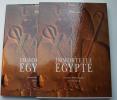
Etat de Neuf emboitement cartonné éditeur
Femmes, mythologies.
Paris, Imprimerie Nationale, 1994. 25 x 33, 413 pp., très nombreuses illustrations en couleurs, reliure pleine toile + jaquette, très bon état.
LA HAUTE ECOLE ESPAGNOLE DE VIENNE
MICHEL ALBIN / STOCK. 1972. In-4. Relié. Bon état, Couv. convenable, Dos satisfaisant, Intérieur frais. Environs 250 pages - nombreuses photos et illustrations en noir et blanc et en couleurs dans et hors texte - contre-plats illustrés en couleur.. . . . Classification Dewey : 943-Allemagne, Autriche, Hongrie
Classification Dewey : 943-Allemagne, Autriche, Hongrie
La haute école Espagnole de Vienne.
Albin Michel / Stock 1972 In-4 reliure éditeur pleine toile sous jaquette, 33 cm sur 24,5. 274 pages. Jaquette en assez bon état. Bon état d’occasion.
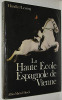
Bon état d’occasion
Die Odyssee. Homers Epos in Bildern erzählt von Erich Lessing
Herder. 1966. In-Folio. Relié toilé. Bon état, Couv. convenable, Dos satisfaisant, Papier jauni. 284 pages. Texte en allemand. Nombreuses illustrations en noir et blanc, dans le texte. Nombreuses planches d'illustrations en couleur. Jaquette en état d'usage. Etui en carton en état d'usage.. Avec Jaquette. Sous Emboitage. . Classification Dewey : 430-Langues germaniques. Allemand
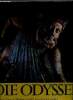
Classification Dewey : 430-Langues germaniques. Allemand
DIE ABENTEUER DES ODYSSEUS
Schweizer Volks-Buchgemeinde. 1971. In-8. Relié. Bon état, Couv. convenable, Dos satisfaisant, Intérieur frais. Env. 150 pages (dont 68 de texte). Illustré de nombreuses photos en couleur hors texte.. Avec Jaquette. . . Classification Dewey : 430-Langues germaniques. Allemand
Homers Epos in Bildern. Mit einer Einführung 'Homer und seine Odysee', von Karl Kerenyi. Classification Dewey : 430-Langues germaniques. Allemand
La renaissance italienne.
Reliure toile de l'éditeur sous jaquette, 33X24 cm, 323 pages, 1985, nombreuses illustrations en noir et en couleurs, Hatier. Très bon état.
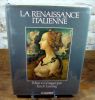
LESSING, Erich. - POMAREDE, Vincent. - GREBE, Anja. - LOYRETTE, Henri.
Reference : 120866
Le Louvre. Toutes les peintures. Préface par Henri Loyrette. Photographies par Erich Lessing. Introductions par Vincent Pomarède. Textes par anja Grebe.
Paris, Skira Flamarion Louvre 2012, 275x275mm, XVI - 766pages, reliure d'éditeur sous jaquette. Très bel exemplaire.
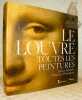
photos couleurs in et hors texte, Pour un paiement via PayPal, veuillez nous en faire la demande et nous vous enverrons une facture PayPal
Vérité et poésie de la Bible
Hatier 1969 In-4, cartonnage éditeur toile sous jaquette abimee, 318pp. Bon état d’occasion.
Bon état d’occasion

