 Write to the booksellers
- Home page
- Search by criteria
- author : qianlong empereur de chine amiot joseph marie traducteur guignes joseph editeur
1 books for « qianlong empereur de ... »Edit
QIANLONG (Empereur de Chine), AMIOT (Joseph Marie) [traducteur], GUIGNES (Joseph) [éditeur].
Reference : 4201
(1770)
Eloge de la ville de Moukden et de ses environs; Poëme composé par Kien-Long, Empereur de la Chine & de la Tartarie, actuellement régnant. Accompagné de Notes curieuses sur la Géographie, sur lHistoire naturelle de la Tartarie Orientale, & sur les anciens usages des Chinois; composé par les Editurs Chinois & Tartares. On y a joint une Piece de Vers sur le thé, compose par le même Empereur.
Paris, N. M. Tilliard, 1770. 1770 1 vol in-8° (210 x 133 mm) de: [xxiv], xxxviii, 381, [ii] (approbation) pp. Annotations manuscrites d'époque à l'encre en chinois dans les marges. (rares rousseurs). Cartonnage d'époque recouvert de papier à la colle rose, dos lisse orné de filets dorés, titre de marocain noir. (dos jauni, usures et petits manques).
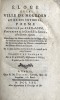
Edition originale de la première traduction en langue occidentale du poème élogieux de l'empereur Qianlong sur la ville de Mukden (Mandchou, également appelée Shengjing « Capitale montante »). Mukden fut conquise par le chef Jurchen (Mandchou) Nurhaci (1559-1626) en 1625 des Ming. Il procéda au transfert de toute son administration dans la ville et construisit un grand complexe de palais pour les accueillir. De là, les Mandchous lancèrent leur attaque sur la Chine du Nord qui conduisit à la chute de la dynastie Ming en 1644. Après l'établissement de la dynastie Qing, Nurhace fut élevé au rang de premier empereur Qing et reçut le nom d'empereur Taizu. Mukden resta le foyer spirituel des Mandchous et les empereurs Qing suivants continuèrent à visiter et à agrandir les palais. L « Ode à Mukden » fut écrite à l'occasion d'une visite de l'empereur Qianlong en 1743, qui la fit publier la même année dans une belle édition de palais (« Yuzhi Shengjing fu »). Intéressantes annotations manuscrites d'époque en chinois dans les marges. Bel exemplaire à larges marges conservé dans son cartonnage dorigine. 1 vol. 8vo (210 x 133 mm) of: [xxiv], xxxviii, 381, [ii] (approval) pp. Contemporary handwritten annotations in Chinese ink in the margins. (rare foxing). Contemporary cardboard binding covered with pink paper, smooth spine decorated with gilt fillets, black morocco title. (yellowed spine, wear and small losses). First edition of the first Western translation of Emperor Qianlong's eulogistic poem on the city of Mukden (Manchu, also known as Shengjing, Rising Capital). Mukden was conquered by the Jurchen (Manchu) leader Nurhaci (1559-1626) in 1625 from the Ming. He transferred his entire administration to the city and built a large palace complex to house them. From there, the Manchus launched their attack on northern China, which led to the fall of the Ming dynasty in 1644. After the establishment of the Qing dynasty, Nurhaci was elevated to the rank of first Qing emperor and given the name Emperor Taizu. Mukden remained the spiritual home of the Manchus, and subsequent Qing emperors continued to visit and expand the palaces. The Ode to Mukden was written on the occasion of a visit by Emperor Qianlong in 1743, who had it published in the same year in a beautiful palace edition (Yuzhi Shengjing fu). Interesting handwritten annotations in Chinese from the period in the margins. A fine copy with wide margins, preserved in its original cardboard slipcase.



