 Write to the booksellers
FRANK (Robert).
Paris.
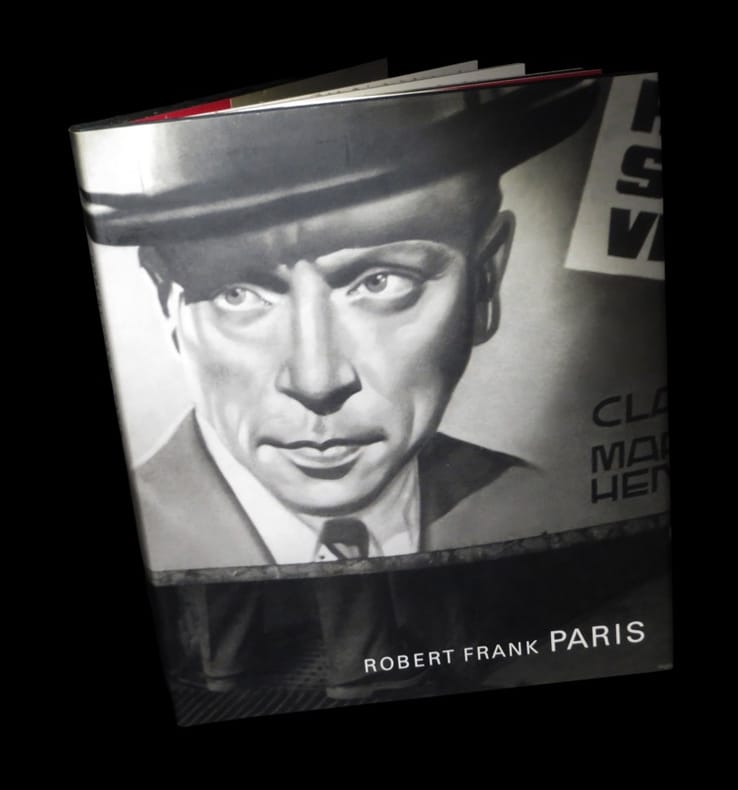
S.l., Steidl, (2008). Un vol. au format pt in-4 (227 x 192 mm) non paginé. Reliure d'édition de pleine percaline ébène, sous jaquette illustrée.
Reference : 32149
Première édition agrémentée de la reproduction de nombreuses photographies. ''Les mots correspondent plus aux pensées, l'image du photographe est toujours drapée d'un éclat romantique''. Très belle condition.
Bookseller's contact details
Babel Librairie
M. Mathieu Salzgeber
3, Rue André Saigne
24000 Périgueux
France
06.84.15.59.05
Payment mode

Sale conditions
Conformes aux usages de la profession.
5 book(s) with the same title
Réunion de 63 actes réglementaires et législatifs concernant l’administration de la ville et de la généralité de Paris.
Paris, divers imprimeurs, 1768-1783 ; in-4, en feuilles, traces de brochage. 1768 : LETTRES PATENTES du Roi qui fixent l’établissement & construction du nouvel Hôtel des Monnoies de la ville de Paris, Quai & anciens Hôtels de Conti. Paris, P. G. Le Mercier, 4 pp.1769 : ARREST du Parlement rendu entre M. le Procureur général (...) contre les officiers du Bailliage Royal de Meudon (...) qui adjuge à Sa Majesté, la succession du sieur Abbé Perrin (...) - ARREST du Conseil d’état du Roi et Lettres patentes d’icelui, concernant la construction de la nouvelle Église de Saint-Philippe-du-Roule, & l’acquisition des terreins nécessaires à cet effet. Paris, Simon, 1770. 4 pp.1771 : De par les prévôts des Marchands et Échevins de la ville de Paris. Ordonnance de Police concernant la conduite par eau des Bourgeois et Habitans. Paris, Simon, 4 pp. Sur le bachotage et le transport de passagers sur la Seine. - LETTRES PATENTES du Roi, portant la nomination par provision d’administrateurs du Collège de Louis-le-Grand. Paris, Simon, 3 pp. papier jauni. - ARREST du Conseil d’État du Rois et lettres patentes d’icelui concernant la reconstruction de la nef de l’église royale & paroissiale de Saint Barthélémi, en la cité de Paris, & l’acquisition des terreins nécessaires à cet effet. Paris, Impr. Royale, 1771 ; 6 pp. - ARREST du Conseil d’État du Roi qui règle la perception (...) sur les droits dus aux entrées de la ville, faubourgs & banlieue de Paris. Paris, Simon, 1771 : 3 pp.1773 : ORDONNANCE du Bureau des Finances de la Généralité de Paris portant suppression d’une partie de la rue de Surêne à Paris. Paris, Simon, 1772 : 3 pp. [concernant la construction de la future église de la Madeleine dont le prolongement de la rue de Suresne coupait alors la nef.] Mouillure. - ARREST du Conseil d’État du Roi qui ordonne que les Officiers sur les ports, quais, halles, chantiers, foires & marchés de la ville de Paris seront responsables de la perception (...) les Huit sous pour livre... Paris, Simon, 4 pp. Mouillure - ARREST du Conseil d’Etat du roi concernant les Communautés d’officiers établis sur les ports. Paris, Desprez ; 4 pp. mouillure - ARREST du Conseil d’Etat du roi concernant le Marc d’or à payer pour les Offices sur les ports, quais, chantiers, halles, places, foires & marchés de la ville, faubourgs & banlieue de Paris. P., Desprez, 4 pp. mouillure.1774 : ARREST du Conseil d’Etat du roi portant cassation d’un arrêt du Parlement de Paris (...) rendues en direction de voirie par les officiers du Bureau des Finances. P., Desprez, 3 pp. - LETTRES PATENTES du roi pour le Couvent et Collège des Frères Prêcheurs de la rue Saint-Jacques à Paris. Paris, Simon, 8 pp. (les 5 dernières en latin) - ARREST du Conseil d’Etat du roi (...) en matière de voirie, casse deux arrêts de défenses du Parlement de Paris, & confirme les ordonnances du Bureau des Finances... P., Desprez, 4 pp. - ARREST du Conseil d’Etat du roi (...) sur les titres des Offices sur les Ports, quais, halles & marchés de la ville de Paris. P., Desprez, 4 pp. 1775 : EXTRAIT des registres du Parlement du 13 mars 1775. P., Simon, 3 pp. Au sujet des opposants aux criées. - ARREST du Conseil d’Etat du Roi. P., Impr. Royale, 4 pp. Sur les droits sur les denrées dans la ville de Paris. - SENTENCE rendue par le Lieutenant civil au Châtelet de Paris, qui enjoint aux curés & autres ecclésiastiques de Paris de faire signer les actes de sépulture aux parents... P., Ant. Boudet, 7 pp. - ARREST de la Cour des Aides du 31 mars 1775. P., Simon, 4 pp. Au sujet des opposants aux criées. - ARREST du Conseil d’Etat du roi, qui commet le Sieur Albert, Lieutenant gal de Police au lieu du sieur Lenoir [6 arrêts portant ce titre] : Pour les abreuvoirs, puits & autres édifices publics 3 pp., pour la démolition & réédification de la Halle aux Draps 3 pp. pour l’établissement des boucheries dans la banlieue. 3 pp. Pour juger sommairement toutes les contestations relatives aux pensions des prisonniers renfermés dans les maisons de S. Lazare, des Frères de la Charité & autres Congrégations. 2 pp. ... qui nomme le sieur Albert Commissaire au Bureau du Commerce. 2 pp. pour recevoir les comptes de la Régie de la Halle aux Draps. 2 pp. Paris, Impr. Royale. 1776 : ORDONNANCE du roi concernant le Régiment Provincial de la ville de Paris. Impr. Royale, 3 pp. - ÉDIT du roi portant suppression des Offices sur les ports, quais, halles, marchés & chantiers de la ville de Paris. P., Impr. Roy. 7 pp. - ORDONNANCE du Bureau des Finances de la généralité de Paris concernant les échoppes. P., Impr. Roy., 7 pp. - ARREST du Conseil d’Etat du roi qui ordonne que l’adjudicataire général des Fermes sera mis en possession de la perception des droits (...) sur les ports, quais, halles, marchés & chantiers de la ville de Paris. P., Impr. Roy., 7 pp. - ARREST du Conseil d’Etat du roi qui ordonne que le Bureau de déclaration des bois carrés (...) sera réuni au bureau général des Aides. P., Impr. Roy., 2 pp. - ARREST du Conseil d’Etat du roi qui ordonne que les biens, droits & revenus dépendant du monastère des célestins de Paris seront régis (...) par Bollioud de Saint-Julien. Impr. Roy., 6 pp. - ARREST du Conseil d’Etat qui ordonne la visite & l’estimation des maisons appartenant aux Corps & Communautés supprimés. Impr. Roy., 3 pp.1777 : ARREST du Conseil d’Etat du roi (...) qui ordonne le remboursement des Offices établis sur les ports (...) de la ville de Paris. Impr. Roy., 7 pp. - ORDONNANCE du Bureau des Finances de la gal. de Paris concernant l’élargissement de la ruelle de l’Egout. Impr. Roy., 4 pp. - ÉDIT du Roi portant suppression des Communautés d’Arts & Métiers (...) de Paris. Paris, Simon, 16 pp. - DÉCLARATION du roi qui ordonne la vente de deux hôtels servant de logement aux compagnies des Mousquetaires de la Garde du Roi dans la ville de Paris. P., Simon, 7 pp. - ARRÊT du Conseil d’Etat du roi portant nouvelle distribution aux Receveurs des impositions de la ville de Paris. P., Impr. Roy., 7 pp. - ARREST de la Cour du Parlement portant règlement entre les six Corps des Marchands de la ville de Paris. P., Simon, 4 pp. - ÉDIT du Roi qui autorise les Prévôts des Marchands & Echevins de la ville de Paris à faire un emprunt. P., Simon, 7 pp. - ARRÊT du Conseil d’Etat du roi concernant les Communautés d’officiers sur les ports, quais, halles, marchés & marchés de la ville de Paris. Impr. Roy., 8 pp. - ORDONNANCE du roi concernant la police du Marché aux Chevaux. Impr. Roy., 6 pp. 1778 : LETTRES PATENTES du roi portant établissement d’un marché sur le terrein de la Couture Sainte-Catherine. P., Simon, 4 pp. - ORDONNANCE du Bureau des Finances de la gal. de Paris concernant l’alignement des maisons & édifices de la rue des Marais & l’écoulement des eaux de la rue Lancry. Impr. Roy., 4 pp. - LETTRES PATENTES du roi qui ordonnent la vente des bâtimens des anciennes écoles de Droit. P., Simon. 3 pp. mouillure. - ORDONNANCE du roi concernant les recrues qui se font à Paris. Impr. Roy., 7 pp. 1779 : LETTRES PATENTES du roi pour l’ouverture de la rue du Colisée. P., Simon, 4 pp. - ORDONNANCE du roi concernant les logements dans l’Hotel royal des Invalides. P., Impr. Roy., 6 pp. - ARRÊT du Conseil d’Etat du roi portant distribution et répartition des emplacements de la nouvelle Garde des prisonniers du Palais... P., Impr. Roy., 6 pp. 1780 :LETTRES PATENTES du roi portant réunion des bâtiments du Palais de quelques parties de terreins appartenant au chapitre de la Sainte Chapelle. Simon, 4 pp. - 1781 : ORDONNANCE de la Chambre du domaine qui ordonne la réunion de la Chapelle dite Saint Michel située dans l’enclos du Palais de Paris. Impr. Roy. 6 pp. - DÉCLARATION du roi qui autorise la Prévôté des marchands & Echevins de Paris à faire un emprunt. Simon, 7 pp. -1783 : ORDONNANCE du Bureau des Finances de la généralité de Paris concernant la suppression des Saillies & Avances en charpente & maçonnerie pratiquée aux maisons & bâtimens de la ville & faubourgs de Paris. Impr. Roy., 4 pp. - ORDONNANCE du Bureau des Finances de la généralité de Paris concernant la suppression des Saillies en pierre & en bois pratiquées le long des maisons de la rue de Tournon. Impr. Roy., 3 pp. - ARRÊT du Conseil d’Etat du roi et lettres patentes d’icelui qui fixent à cinq le nombre des Inspecteurs généraux des Ponts & Chaussées... Impr. Roy., 6 pp. - ORDONNANCE du Bureau des Finances de la généralité de Paris pour l’adjudication d’un terrein sur la nouvelle route de Paris au pont de Neuilly. Impr. Roy., 3 pp. - ORDONNANCE du Bureau des Finances de la généralité de Paris concernant le placement des bornes dans les rues de la nouvelle salle de théâtre italien. Impr. Roy., 3 pp. - ORDONNANCE du Bureau des Finances de la généralité de Paris concernant le payement des droits de péage sous le Pont de Sèves (sic). Impr. Roy., 6 pp. - ARREST de la Cour de Parlement concernant les visites des syndics-adjoints des communautés d’Arts & Métiers de la ville de Paris. P., Simon, 7 pp. - ORDONNANCE du Bureau des Finances de la généralité de Paris concernant le nettoyement de l’égout de Picpus. Impr. Roy., 3 pp. - LETTRES PATENTES du roi qui autorisent le sieur Marchant du Colombier adjudicataire des terreins de la Couture Sainte-Catherine à distribuer suivant un nouveau plan le marché qui doit y être établir. P., Simon & Nyon, 3 pp. - ARREST de la Cour de Parlement qui ordonne que la sentance rendu en la justuce de Bagnolet concernant la police, l’ordre & la tranquillité publique sera exécutée... P., Simon & Nyon, 18 pp. - DE PAR LE PREVOST des Marchands, et Echevins de la ville de Paris ordonnance de police concernant les bains dans la rivière. Simon, 4 pp. - DE PAR LE PREVOST des Marchands, et Echevins de la ville de Paris ordonnance de police concernant la sureté des marchandises sur la rivière & dans les ports. P., Simon, 4 pp. - ARRÊT du Conseeil d’Etat du roi qui ordonne que les enfans qui auront appris un métier dans l’hôpital de la Trinité, seront reçus dans les communautés d’Art & Métiers... Impr Roy. 2 pp. - ÉDIT DU ROI qui supprime l’Office de Maître Général des Bâtimens & celui de Maître des œuvres de Charpenterie de la ville de Paris. Simon, 4 pp. - ORDONNANCE du Bureau des Finances de la Généralité de Paris portant défenses de peler & écorcer les ormes & autres arbres plantés le long des routes & grands chemins.. Simon, 4 pp. - ORDONNANCE du Bureau des Finances de la Généralité de Paris pour le recensement des constructions nouvelles faites dans les villes & faubourgs de Paris.
Sermon presche a l'ouverture de l'assemble generale du clerge de France. Le 9. novembre 1681. a la messe solemnelle du Saint Esprit, dans l'Eglise des Grands Augustins. Paris, 1682. -- Oraison funebre de Marie Terese d'Austeriche. Paris, 1683. -- Oraison funebre de ... princesse Anne de Gonzague de Cleves. Paris, 1685. -- Oraison funebre de ... Messire Michel Le Tellier. Paris, 1686. -- Oraison funebre de ... Louis de Bourbon. Paris, 1687. -- Lettre pastorale de Monseigneur l'Evesque de Meaux. Paris, 1691. -- Statutes et ordinnances synodales pour le diocese de Meaux. Paris, 1695. -- Ordonnance et Instruction pastorale de Moseigneur l"Evesque de Meaux. Paris, 1697. -- Epistola illustris. et reverendiss ecclesiae principum. Paris, 1697.
1681 à 1697. 1681 9 parties reliées en 1 vol. in-4° (250 x 180 mm) de : 74 pp.; 61 [1] pp.; 59 pp.; 62 pp.; [1] ff.; 61, [1] f. bl.; 54 pp., [1] ff.; 27 pp., 24 pp., [1] f. bl.; 23 pp. [3] f. bl. Annotations au crayon dans le premier texte, note au crayon sur le 1er contre-plat, note manuscrite à lencre brune face au titre décrivant lexemplaire. Plein veau moucheté d'époque, dos à nerfs orné et titré, roulette dorée sur les coupes, tranches jaspées. (mors fendus, corps d'ouvrage frais)
Exemplaire personnel de Bossuet réunissant neuf de ses uvres publiées entre 1681 et 1697. Jacques-Bénigne Bossuet, surnommé l« Aigle de Meaux » (1627-1704) est un homme d'Église, évêque, prédicateur et écrivain français célèbre pour ses sermons et oraisons funèbres de personnalités importantes du règne de Louis XIV. Il est l'auteur d'une abondante uvre écrite qui porte sur la spiritualité, l'instruction du dauphin, la controverse antiprotestante ou encore diverses polémiques dont celle qui l'oppose à Fénelon à propos du quiétisme. Il est élu à l'Académie française en 1671. Ce recueil comprenant : « Sermon presche à l'ouverture de l'assemblée générale du clergé de France. Le 9 novembre 1681. à la messe solennelle du Saint Esprit, dans l'Église des Grands Augustins. Paris, 1682 ». « Oraison funèbre de Marie Thérèse d'Austeriche ». Paris, 1683. « Oraison funèbre de la princesse Anne de Gonzague de Clèves ». Paris, 1685. « Oraison funèbre de Messire Michel Le Tellier ». Paris, 1686. « Oraison funèbre de Louis de Bourbon ». Paris, 1687. « Lettre pastorale de Monseigneur l'Evesque de Meaux ». Paris, 1691. « Statuts et ordonnances synodales pour le diocèse de Meaux ». Paris, 1695. « Ordonnance et Instruction pastorale de Moseigneur l"Evesque de Meaux ». Paris, 1697. « Epistola illustras. et reverendiss ecclesiae principum ». Paris, 1697. Tous ces textes sont en premières éditions sauf la Lettre pastorale, en seconde édition. Provenance : Jacques-Bénigne BOSSUET, exemplaire de l'auteur avec plusieurs annotations au crayon dans le premier texte ; la page de garde libre du recto); note du libraire sur contre-collée 'Voir l'article de Sainte-Beuve sur l'Abbé Ledieu [Le Menteur, mars avril 1896]). Querard, vol. 1, p. 432-433. , 13980 (« synodaux »), 14091, 14066 (83 p.) ; Tchemerzine II, pp. 367-399. Exceptionnel exemplaire conservé dans sa reliure dorigine. 9 parts bound in 1 vol. 4° (250 x 180 mm) of: 74 pp.; 61 [1] pages; 59 pages; 62 pages; [1] et seq.; 61, [1] f. bl.; 54 p., [1] following; 27 p., 24 p., [1] f. bl.; 23 p. [3] f. bl. Pencil annotations in the first text, pencil note on the first cover, handwritten note in brown ink opposite the title describing the copy. Full period speckled calf, decorated and titled ribbed spine, gilded roulette on the cuts, marbled edges. (Split jaws, inside fresh). Personal copy of Bossuet bringing together nine of his works published between 1681 and 1697. Jacques-Bénigne Bossuet, nicknamed the Eagle of Meaux (1627-1704) was a French man of the Church, bishop, preacher and writer famous for his sermons and funeral orations of important personalities of the reign of Louis XIV. He is the author of an abundant written work which focuses on spirituality, the instruction of the dauphin, the anti-Protestant controversy and various controversies including that which opposed him to Fénelon regarding quietism. He was elected to the French Academy in 1671. This collection includes: Sermon preached at the opening of the general assembly of the clergy of France. November 9, 1681. at the solemn mass of the Holy Spirit, in the Church of the Grands Augustins. Paris, 1682. Funeral oration of Marie Thérèse of Austeriche. Paris, 1683. Funeral oration of Princess Anne de Gonzague de Clèves. Paris, 1685. Funeral oration of Messire Michel Le Tellier. Paris, 1686. Funeral oration of Louis de Bourbon. Paris, 1687. Pastoral letter from Monseigneur lEvesque de Meaux. Paris, 1691. Synodal statutes and ordinances for the diocese of Meaux. Paris, 1695. Ordinance and Pastoral Instruction of Moseigneur the Bishop of Meaux. Paris, 1697. Epistola illustras. et reverendiss ecclesiae principum. Paris, 1697. All these texts are in first editions except the Pastoral Letter, in second edition. Provenance: Jacques-Bénigne BOSSUET, author's copy with several pencil annotations in the first text; bookseller's note opposite the title (See Sainte-Beuve's article on Abbé Ledieu [Le Menteur, March April 1896]). Quérard, vol. 1, p. 432-433., 13980 (synodal), 14091, 14066 (83 p.); Chemerzine II, pp. 367-399). Exceptional copy preserved in its original binding.


[Chez tous les Libraires qui vendent les Nouveautés] - COLLECTIF
Reference : 69354
(1786)
Collection Complette des Mémoires relatifs au Procès de M. le Cardinal de Rohan, arrangés dans l'ordre où ils ont paru [ Affaire du Collier de la Reine - Recueil de 22 Mémoires et Pièces diverses : ] 1 : Mémoire pour Dame Jeane de Saint-Remy de Valois, Epouse du Comte de La Motte [ Suivi de : ] 2 : Mémoire pour Jean-Charles-Vincent de Bette d'Etienville, Bourgeois de Saint-Omer en Artois, détenu ès prison du Châtelet de Paris, Accusé, contre le Sieur Vaucher, Marchand Horloger, & le Sieur Loque, Marchand Bijoutier à Paris, Plaignans [ Suivi de : ] 3 : Requête Introductive au Parlement,les Chambres Assemblées par le Cardinal de Rohan, Signifiée à M. le Procureur-Général [ Suivi de : ] 4 : Requête au Parlement,les Chambres Assemblées par le Cardinal de Rohan, Signifiée à M. le Procureur-Général, A Paris, et se trouve à Bruxelles [ Suivi de : ] 5 : Mémoire pour le Comte de Cagliostro, Accusé ; contre M. le Procureur-Général , Accusateur ; En présence de M. le Cardinal de Rohan, de la Comtesse de La Motte, & autres Co-Accusés [ Suivi de : ] 6 : Requête au Parlement, les Chambres assemblées par le Comte de Cagliostro, Signifiée à M. le Procureur-Général le 24 Février 1786 [ Suivi de : ] 7 : Second Mémoire à Consulter et Consultation, sur la Défense à une Accusation d'Escroquerie, pour Jean-Charles-Vincent de Bette d'Etienville, Bourgeois de Saint-Omer en Artois [ Suivi de : ] 8 : Mémoire pour la Demoiselle Le Guay d'Oliva, fille mineure, émancipée d'âge, accusée ; contre M. Le Procureur Général, Accusateur ; en présence de M. le Cardinal de Rohan, de la dame De La Motte-Valois, du sieur de Cagliostro, & autres ; tous co-accusés, [ Suivi de : ] 9 : Mémoires pour M. le Baron de Fages-Chaulnes, Garde-du-Corps de Monsieur, Frère du Roi, Accusé, contre les Sieurs Vaucher et Loque, Marchands Bijoutier, Accusateurs [ Suivi de : ] 10 : Mémoire pour le Sr de Bette d'Etienville, servant de réponse à celui de M. Fages [ Suivi de : ] 11 : Mémoire pour les Sieurs Vaucher, Horloger, & Loque, Bijoutier, Accusateurs ; Contre le Sieur Bette d'Etienville, le Baron de Fages-Chaulnes, & autres Accusés [ Suivi de : ] 12 : Mémoire pour Louis-René-Edouard de Rohan, Cardinal de la Sainte Eglise Romaine, Evêque & Prince de Strasbourg, Landgrave d'Alscae, Prince-Etat d'Empire, Grand Aumônier de France, contre M. le Procureur-Général, en présence de la Dme de La Motte, du Sr de Villette, de la Dlle d'Oliva, & du Sr. Comte de Cagliostro, Co-Accusés, [ Suivi de : ] 13 : Pièces Justificatives pour M. le Cardinal de Rohan, Déclarations authentiques selon la forme Angloise [ Suivi de : ] 14 : Sommaire pour la Comtesse de Valois-Lamotte, accusée ; contre M. le Procureur-Général, Accusateur ; En présence de M. le Cardinal de Rohan, & autres co-Accusés [ Suivi de : ] 15 : Supplément et Suite aux Mémoires du Sieur de Bette d'Etienville, Ancien Chirurgien Sous-Aide Major, pour servir de Réponse aux différens Mémoires faits contre lui [ Suivi de : ] 16 : Réflexions Rapides pour M. le Cardinal de Rohan, sur le Sommaire de la Dame de La Motte, De l'Imprimerie de Cl. Simon, s.d., 24 pp. [ Suivi de : ] 17 : Second Mémoire pour la Demoiselle Le Guay d'Oliva. Analyse & Résultat des récolemens & confrontations [ Suivi de : ] 18 : Requête à joindre au Mémoire du Comte de Cagliostro [ Suivi de : ] 19 : Requête pour le Sieur Marc-Antoine Rétaux de Villette, Ancien Gendarme, Accusé ; Contre M. le Procureur Général, Accusateur [ Suivi de : ] 20 : Mémoire à Consulter et Consultation pour F. François-Valentin Mulot, Docteur en Théologie de la Faculté de Paris, Chanoine Régulier de l'Abbaye Royale de Saint-Victor, Accusé, contre le sieur Loque, Bijoutier, & le Sieur Vaucher, Horloger, Accusateurs, en présence du Baron de Fages, du Sieur Bette d'Etienville & autres [ Suivi de : ] 21 : Réponse de M. le Comte de Précourt, Colonel d'Infanterie, Chevalier de l'Ordre Royal & Militaire de Saint-Louis ; Aux Mémoires des Sieurs d'Etienville, Vaucher & Loque[ Suivi de : ] 22 : Arrêt de la Cour de Parlement, rendu la Grand'chambre Assemblée le trente-un mai 1786
1 vol. in-4 reliure fin XVIIIe demi-basane marron, dos à 5 nerfs orné, Collection Complette des Mémoires relatifs au Procès de M. le Cardinal de Rohan, arrangés dans l'ordre où ils ont parun Chez tous les Libraires qui vendent les Nouveautés, Paris, 1786 [ Affaire du Collier de la Reine - Recueil de 22 Mémoires : ] 1 : Mémoire pour Dame Jeane de Saint-Remy de Valois, Epouse du Comte de La Motte, De l'Imp. de L. Cellot, Paris, 47 pp. [ Suivi de : ] 2 : Mémoire pour Jean-Charles-Vincent de Bette d'Etienville, Bourgeois de Saint-Omer en Artois, détenu ès prison du Châtelet de Paris, Accusé, contre le Sieur Vaucher, Marchand Horloger, & le Sieur Loque, Marchand Bijoutier à Paris, Plaignans, De l'Imp. de L. Cellot, Paris, 1786, 30 pp. [ Suivi de : ] 3 : Requête Introductive au Parlement,les Chambres Assemblées par le Cardinal de Rohan, Signifiée à M. le Procureur-Général, A Paris, et se trouve à Bruxelle Chez Emannuel Flon, 1786, 40 pp. [ Suivi de : ] 4 : Requête au Parlement,les Chambres Assemblées par le Cardinal de Rohan, Signifiée à M. le Procureur-Général, A Paris, et se trouve à Bruxelle Chez Emannuel Flon, 1786, 8 pp. [ Suivi de : ] 5 : Mémoire pour le Comte de Cagliostro, Accusé ; contre M. le Procureur-Général , Accusateur ; En présence de M. le Cardinal de Rohan, de la Comtesse de La Motte, & autres Co-Accusés, De l'Imprimerie de Lottin l'aîné & de Lottin de S-Germain, Paris, 1786, 51 pp. [ Suivi de : ] 6 : Requête au Parlement, les Chambres assemblées par le Comte de Cagliostro, Signifiée à M. le Procureur-Général le 24 Février 1786, 48 pp. [ Suivi de : ] 7 : Second Mémoire à Consulter et Consultation, sur la Défense à une Accusation d'Escroquerie, pour Jean-Charles-Vincent de Bette d'Etienville, Bourgeois de Saint-Omer en Artois, De l'Imprimerie de Cailleau, Paris, 1786, 29 pp. [ Suivi de : ] 8 : Mémoire pour la Demoiselle Le Guay d'Oliva, fille mineure, émancipée d'âge, accusée ; contre M. Le Procureur Général, Accusateur ; en présence de M. le Cardinal de Rohan, de la dame De La Motte-Valois, du sieur de Cagliostro, & autres ; tous co-accusés, Chez P.G. Simon & N. H. Nyon, Paris, 1786, 46 pp. [ Suivi de : ] 9 : Mémoires pour M. le Baron de Fages-Chaulnes, Garde-du-Corps de Monsieur, Frère du Roi, Accusé, contre les Sieurs Vaucher et Loque, Marchands Bijoutier, Accusateurs, Chez Prault, Paris, 1786, 30 pp. [ Suivi de : ] 10 : Mémoire pour le Sr de Bette d'Etienville, servant de réponse à celui de M. fages, De l'Imprimerie de Cailleau, Paris, 1786, 30 pp. [ Suivi de : ] 11 : Mémoire pour les Sieurs Vaucher, Horloger, & Loque, Bijoutier, Accusateurs ; Contre le Sieur Bette d'Etienville, le Baron de Fages-Chaulnes, & autres Accusés, De l'Imprimerie de Prault, Paris, 1786, 88 pp. avec ex-libris ms. de M. Landry de la Gautaye, avocat rue des Pro... près St Eustache [ Suivi de : ] 12 : Mémoire pour Louis-René-Edouard de Rohan, Cardinal de la Sainte Eglise Romaine, Evêque & Prince de Strasbourg, Landgrave d'Alscae, Prince-Etat d'Empire, Grand Aumônier de France, contre M. le Procureur-Général, en présence de la Dme de La Motte, du Sr de Villette, de la Dlle d'Oliva, & du Sr. Comte de Cagliostro, Co-Accusés, De l'Imprimerie de Lottin, Paris, 1786, 146 pp. [ Suivi de : ] 13 : Pièces Justificatives pour M. le Cardinal de Rohan, Déclarations authentiques selon la forme Angloise, De l'Imprimerie de Lottin l'Aîné, 1786, 32 pp. [ Suivi de : ] 14 : Sommaire pour la Comtesse de Valois-Lamotte, accusée ; contre M. le Procureur-Général, Accusateur ; En présence de M. le Cardinal de Rohan, & autres co-Accusés, De l'Imprimerie de L. Cellot, Paris, 1786, 62 pp. [ Suivi de : ] 15 : Supplément et Suite aux Mémoires du Sieur de Bette d'Etienville, Ancien Chirurgien Sous-Aide Major, pour servir de Réponse aux différens Mémoires faits contre lui, De l'Imprimerie d'André Charles-Cailleau, Paris, 1786, 69 pp. [ Suivi de : ] 16 : Réflexions Rapides pour M. le Cardinal de Rohan, sur le Sommaire de la Dame de La Motte, De l'Imprimerie de Cl. Simon, s.d., 24 pp. [ Suivi de : ] 17 : Second Mémoire pour la Demoiselle Le Guay d'Oliva. Analyse & Résultat des récolemens & confrontations, Chez P.G. Simon & N. H. Nyon, Paris, 1786, 56 pp. [ Suivi de : ] 18 : Requête à joindre au Mémoire du Comte de Cagliostro, De l'Imprimerie de Lottin, Mai 1786, 11 pp. [ Suivi de : ] 19 : Requête pour le Sieur Marc-Antoine Rétaux de Villette, Ancien Gendarme, Accusé ; Contre M. le Procureur Général, Accusateur, Chez P.G. Simon, & N. H. Nyon, Paris, 1786, 19 pp. [ Suivi de : ] 20 : Mémoire à Consulter et Consultation pour F. François-Valentin Mulot, Docteur en Théologie de la Faculté de Paris, Chanoine Régulier de l'Abbaye Royale de Saint-Victor, Accusé, contre le sieur Loque, Bijoutier, & le Sieur Vaucher, Horloger, Accusateurs, en présence du Baron de Fages, du Sieur Bette d'Etienville & autres, de l'Imprimerie Demonville, Paris, 1786, 48 pp. [ Suivi de : ] 21 : Réponse de M. le Comte de Précourt, Colonel d'Infanterie, Chevalier de l'Ordre Royal & Militaire de Saint-Louis ; Aux Mémoires des Sieurs d'Etienville, Vaucher & Loque, Chez L. F. Prault, Paris, 1776, 42 pp. [ Suivi de : ] 22 : Arrêt de la Cour de Parlement, rendu la Grand'chambre Assemblée le trente-un mai 1786, 32 pp.
Ce beau recueil relatif à l'Affaire du Collier de la Reine réunit 22 pièces et mémoires. Les mémoires ne sont pas rangés dans l'ordre de la table, et l'un des mémoires ("Réponse pour la Comtesse de Valois-Lamotte" a été omis, remplacé par l'important arrêt final de la Cour de Parlement. Bon état (l'ex-libris manuscrit au feuillet de titre a été découpé, affectant le texte des tables au verso, qq. rares pailles dans le texte, reliure un peu frottée avec petits mq. en coupes, coupes un peu frottées, très bon état par ailleurs)
[De l'Imprimerie Royale] - Collectif ; NECKER, Jacques ; LA TOUR-DU-PIN ; MONTMORIN, M. de ; GUIGNARD SAINT-PRIEST
Reference : 66038
(1789)
[ Mémoires ministériels 1789 - 1790 : recueil de 39 Titres ] Lettre du Roi pour la Convocation des Etats-Généraux à Versailles le 27 avril 1789, et Règlement y annexé [ Suivi de : ] Etat, par ordre alphabétique, des Bailliages royaux & des Sénéchaussées royales des Pays d'Elections, qui députeront directement ou indirectement aux Etats-Généraux [ Suivi de : ] Ordonnance à rendre par les Baillis & Sénéchaux de la première classe, ou en leur absence, par leurs Lieutenants Généraux, lorsque des Bailliages ou Sénéchaussées de la seconde classe devront concourir avec eux à la convocation pour les Etats-Généraux [ Suivi de : ] Modèle de l'Assignation à donner aux Ecclésiastiques possédant bénéfices, & aux Ducs, Pairs, Marquis, Comtes, barons, Châtelains & généralement à tous les Nobles possédant fiefs A Paris [ Suivi de : ] Ouverture des Etats-Généraux, faite à Versailles le 5 Mai 1789. Discours du Roi ; Discours de M. Le Garde des Sceaux ; Rapport de M. le Directeur Général des Finances, fait par Ordre du Roi [ Suivi de : ] Discours de M. Necker à l'Assemblée Nationale. Réponse de M. le Duc de Liancourt, Président de l'Assemblée Nationale [ Suivi de : ] Rapport de M. Necker, Premier Ministre des Finances, lû à l'Assemblée Nationale le 27 Août 1789 [ Suivi de : ] Discours prononcé le 30 Juillet 1789 à l'Hôtel-de-Ville par M. Necker, Directeur général des Finances [ Suivi de : ] Discours de M. le Garde des Sceaux à l'Assemblée nationale, le 7 Août 1789 [ Suivi de : ] Discours de M. Necker, Premier Ministre des Finances à l'Assemblée Nationale [ Suivi de : ] Lettre du Roi aux Archevêques & Evêques de son Royaume, A Versailles ce 2 septembre 1789 [ Suivi de : ] Discours de M. le Garde des Sceaux à l'Assemblée nationale, le 7 Août 1789 [ Suivi de : ] Lettre de M. Necker, Premier Ministre des Finances, à M. le Président de l'Assemblée Nationale, Versailles, le 11 septembre 1789 [ Suivi de : ] Discours prononcé par M. Necker, premier Ministre des Finances, à l'Assemblée nationale, le 24 Septembre 1789 [ Suivi de : ] Projet de décret présentée à l'Assemblée Nationale par le premier Ministre des Finances, le 1er Octobre 1789 [ Suivi de : ] Proclamation du Roi du 9 Octobre 1789 [ Suivi de : ] Mémoire des Ministres du Roi, adressé à l'Assemblée Nationale le 24 Octobre 1789 [ Suivi de : ] Mémoire Lû par le premier Ministre des Finances, à l'Assemblée Nationale, le 14 Novembre 1789 [ Suivi de : ] Mémoire adressé par le premier Ministre des Finances, à l'Assemblée Nationale, le 17 Décembre 1789 [ Suivi de : ] Instruction publiée par Ordre du Roi, Relativement à la Contribution Patriotique. [ Suivi de : ] Mémoire adressé à M. le Président de l'Assemblée Nationale par M. le Garde des Sceaux [ Suivi de : ] Mémoire du Premier Ministre des Finances, lû à l'Assemblée Nationale le 6 Mars 1790 [ Suivi de : ] Mémoire du Premier Ministre des Finances, lû à l'Assemblée Nationale le 12 Mars 1790 [ Suivi de : ] Mémoire lu à l'Assemblée Nationale par M. le premier Ministre des Finances le 29 Mai 1790 [ Suivi de : ] Lettre de M. Necker à M. le Président de l'Assemblée Nationale, le 11 juin 1790 [ Suivi de : ] Mémoire envoyé par le Premier Ministre des Finances à l'Assemblée Nationale, le 21 Juillet 1790 [ Suivi de : ] Mémoire adressé à l'Assemblée Nationale, le 25 Juillet 1790 par le premier Ministre des Finances [ Suivi de : ] Mémoire adressé à l'Assemblée Nationale, le 17 Août 1790 par le Premier Ministre des Finances [ Suivi de : ] Lettre de M. de Montmorin, à M. le Président de l'Assemblée Nationale, [ Suivi de : ] Mémoire en réponse sur cet objet, adressé par M. de La Tour-du-Pin, Ministre de la Guerre, à MM. les Commissaires de l'Assemblée Nationale [ Suivi de : ] Mémoire instructif remis de la part du Roi au Comité des subsistances des Etats-Généraux par le Directeur général des Finances [ Suivi de : ] Aperçu de l'Etat Général des Finances pendant les huit derniers mois de l'année 1790, tant pour l'ordinaire que pour l'extraordinaire, 6 ff. [ Suivi de : ] Mémoire sur la Répartition des Impositions ordinaires, & Confection des Rôles de 1790 [ Suivi de : ] Opinion de M. Necker, relativement au Décret de l'Assemblée Nationale, concernant les titres, les noms & les armoiries [ Suivi de : ] Mémoire lû par ordre du Roi à l'Assemblée Nationale, le 4 Juin 1790, par M. le Comte de La Tour-du-Pin, Ministre de la Guerre [ Suivi de : ] Lettres écrite par M. le Contrôleur général, à M. le Président de l'Assemblée Nationale, le 28 juin 1790 [ Suivi de : ] Lettre de M. le Contrôleur Général à M. le Président de l'Assemblée Nationale du 18 août 1790 [ Suivi de : ] Lettre écrite par M. Guignard-Saint-Priest, à M. le Président de l'Assemblée Nationale, le 18 Août 1790 [ Suivi de : ] Dernier Rapport de M. Necker à l'Assemblée Nationale
1 vol. in-4 reliure de l'époque demi-basane marron, dos à 5 nerfs orné et vernissé, [ Mémoires ministériels 1789 - 1790 : recueil de 39 Titres ] Lettre du Roi pour la Convocation des Etats-Généraux à Versailles le 27 avril 1789, et Règlement y annexé, De l'Imprimerie Royale, Paris, 1789, 24 pp. [ Suivi de : ] Etat, par ordre alphabétique, des Bailliages royaux & des Sénéchaussées royales des Pays d'Elections, qui députeront directement ou indirectement aux Etats-Généraux [ ... ], A Paris, De l'Imprimerie Royale, Paris, 1789, 16 pp. [ Suivi de : ] Ordonnance à rendre par les Baillis & Sénéchaux de la première classe, ou en leur absence, par leurs Lieutenants Généraux, lorsque des Bailliages ou Sénéchaussées de la seconde classe devront concourir avec eux à la convocation pour les Etats-Généraux, s.l.n.d., 18 pp. [ Suivi de : ] Modèle de l'Assignation à donner aux Ecclésiastiques possédant bénéfices, & aux Ducs, Pairs, Marquis, Comtes, barons, Châtelains & généralement à tous les Nobles possédant fiefs A Paris, De l'Imprimerie Royale, Paris, 1789, 18 pp. [ Suivi de : ] Ouverture des Etats-Généraux, faite à Versailles le 5 Mai 1789. Discours du Roi ; Discours de M. Le Garde des Sceaux ; Rapport de M. le Directeur Général des Finances, fait par Ordre du Roi, De l'Imprimerie Royale, A Paris, 1789, 103 pp. et 5 ff. n. ch. [ Suivi de : ] Discours de M. Necker à l'Assemblée Nationale. Réponse de M. le Duc de Liancourt, Président de l'Assemblée Nationale, Chez Baudouin, Imprimeur de l'Assemblée Nationale, A Versailles, s.d., 4 pp. [ Suivi de : ] Rapport de M. Necker, Premier Ministre des Finances, lû à l'Assemblée Nationale le 27 Août 1789, De l'Imprimerie Royale, A Paris, 1789, 16 pp. [ Suivi de : ] Discours prononcé le 30 Juillet 1789 à l'Hôtel-de-Ville par M. Necker, Directeur général des Finances, De l'Imprimerie Royale, A Paris, 1789, 8 pp. [ Suivi de : ] Discours de M. le Garde des Sceaux à l'Assemblée nationale, le 7 Août 1789, De l'Imprimerie Royale, A Versailles, 1789, 6 pp. [ Suivi de : ] Discours de M. Necker, Premier Ministre des Finances à l'Assemblée Nationale, De l'Imprimerie Royale, A Paris, 1789, 7 pp. [ Suivi de : ] Lettre du Roi aux Archevêques & Evêques de son Royaume, A Versailles ce 2 septembre 1789 [ Suivi de : ] Discours de M. le Garde des Sceaux à l'Assemblée nationale, le 7 Août 1789, De l'Imprimerie Royale, A Versailles, 1789, 4 pp. [ Suivi de : ] Lettre de M. Necker, Premier Ministre des Finances, à M. le Président de l'Assemblée Nationale, Versailles, le 11 septembre 1789, De l'Imprimerie Royale, A Paris, 1789, 16 pp. [ Suivi de : ] Discours prononcé par M. Necker, premier Ministre des Finances, à l'Assemblée nationale, le 24 Septembre 1789, De l'Imprimerie Royale, A Paris, 1789, 30 pp. [ Suivi de : ] Projet de décret présentée à l'Assemblée Nationale par le premier Ministre des Finances, le 1er Octobre 1789, De l'Imprimerie Royale, A Paris, 1789, 15 pp. [ Suivi de : ] Proclamation du Roi du 9 Octobre 1789, De l'Imprimerie Royale, A Paris, 1789, 6 pp. [ Suivi de : ] Mémoire des Ministres du Roi, adressé à l'Assemblée Nationale le 24 Octobre 1789, De l'Imprimerie Royale, A Paris, 1789, 11 pp. [ Suivi de : ] Mémoire Lû par le premier Ministre des Finances, à l'Assemblée Nationale, le 14 Novembre 1789, De l'Imprimerie Royale, A Paris, 1789, 38 pp. [ Suivi de : ] Mémoire adressé par le premier Ministre des Finances, à l'Assemblée Nationale, le 17 Décembre 1789, De l'Imprimerie Royale, A Paris, 1789, 14 pp. [ Suivi de : ] Instruction publiée par Ordre du Roi, Relativement à la Contribution Patriotique, De l'Imprimerie Royale, A Paris, 1789, 21 pp. [ Suivi de : ] Mémoire adressé à M. le Président de l'Assemblée Nationale par M. le Garde des Sceaux, De l'Imprimerie Royale, A Paris, 1789, 14 pp. et 1 f. [ Suivi de : ] Mémoire du Premier Ministre des Finances, lû à l'Assemblée Nationale le 6 Mars 1790, De l'Imprimerie Royale, A Paris, 1789, 48 pp. [ Suivi de : ] Mémoire du Premier Ministre des Finances, lû à l'Assemblée Nationale le 12 Mars 1790, De l'Imprimerie Royale, A Paris, 1790, 8 pp. [ Suivi de : ] Mémoire lu à l'Assemblée Nationale par M. le premier Ministre des Finances le 29 Mai 1790, De l'Imprimerie Royale, A Paris, 1789, 24 pp. [ Suivi de : ] Lettre de M. Necker à M. le Président de l'Assemblée Nationale, le 11 juin 1790, De l'Imprimerie Royale, A Paris, 1790, 24 pp. [ Suivi de : ] Mémoire envoyé par le Premier Ministre des Finances à l'Assemblée Nationale, le 21 Juillet 1790, De l'Imprimerie Royale, A Paris, 1790, 6 pp. [ Suivi de : ] Mémoire adressé à l'Assemblée Nationale, le 25 Juillet 1790 par le premier Ministre des Finances, De l'Imprimerie Royale, A Paris, 1789, 8 pp. [ Suivi de : ] Mémoire adressé à l'Assemblée Nationale, le 17 Août 1790 par le Premier Ministre des Finances, De l'Imprimerie Royale, A Paris, 1790, 6 pp. [ Suivi de : ] Lettre de M. de Montmorin, à M. le Président de l'Assemblée Nationale, De l'Imprimerie Royale, A Paris, 1790, 3 pp. [ Suivi de : ] Mémoire en réponse sur cet objet, adressé par M. de La Tour-du-Pin, Ministre de la Guerre, à MM. les Commissaires de l'Assemblée Nationale, De l'Imprimerie Royale, A Paris, 1790, 4 pp. [ Suivi de : ] Mémoire instructif remis de la part du Roi au Comité des subsistances des Etats-Généraux par le Directeur général des Finances, De l'Imprimerie Royale, A Paris, 1790, 15 pp. [ Suivi de : ] Aperçu de l'Etat Général des Finances pendant les huit derniers mois de l'année 1790, tant pour l'ordinaire que pour l'extraordinaire, 6 ff. [ Suivi de : ] Mémoire sur la Répartition des Impositions ordinaires, & Confection des Rôles de 1790, De l'Imprimerie Royale, A Paris, 1790, 46 pp. [ Suivi de : ] Opinion de M. Necker, relativement au Décret de l'Assemblée Nationale, concernant les titres, les noms & les armoiries, De l'Imprimerie Royale, A Paris, 1790, 11 pp. [ Suivi de : ] Mémoire lû par ordre du Roi à l'Assemblée Nationale, le 4 Juin 1790, par M. le Comte de La Tour-du-Pin, Ministre de la Guerre, De l'Imprimerie Royale, A Paris, 1790, 6 pp. [ Suivi de : ] Lettres écrite par M. le Contrôleur général, à M. le Président de l'Assemblée Nationale, le 28 juin 1790, De l'Imprimerie Royale, A Paris, 1790, 20 pp. [ Suivi de : ] Lettre de M. le Contrôleur Général à M. le Président de l'Assemblée Nationale du 18 août 1790, De l'Imprimerie Royale, A Paris, 1790, 18 pp. [ Suivi de : ] Lettre écrite par M. Guignard-Saint-Priest, à M. le Président de l'Assemblée Nationale, le 18 Août 1790, De l'Imprimerie Royale, A Paris, 1790, 12 pp. [ Suivi de : ] Dernier Rapport de M. Necker à l'Assemblée Nationale, De l'Imprimerie Royale, A Paris, 1790, 26 pp.
Bel exemplaire de ce remarquable recueil réunissant 39 lettres, états et mémoires ministériels parus en 1789 et 1790, parmi lesquels de nombreux écrits de Necker. Bel exemplaire (infime accroc en coiffe sup., très petites mouill. en premier et dernier feuillet, très bel état par ailleurs).
Nestor BURMA-Les nouveaux mystères de Paris
MALET Léo Nestor BURMA-Les nouveaux mystères de Paris 12 volumes (sur 15) in 12 brochés,180x117mm, couvertures illustrées en couleurs. Robert LAFFONT éditeur Paris Le numéro de chaque volume est celui imprimé en pied. Volume 1 Le soleil naît derrière le Louvre Une enquête de Nestor BURMA dans les nouveaux mystères de Paris volume in 12 broché, couverture illustrée en couleurs 223 pages troisième trimestre 1954. Edition originale, un manque en pied restauré Volume 2 : Des kilomètres de linceuls. Une enquête de Nestor BURMA dans les nouveaux mystères de Paris. In 12 broché couverture illustrée en couleurs 205 pages 10 janvier 1955. Edition originale. Robert LAFFONT éditeur Paris Volume 3 : L’ours et la culotte Les nouveaux mystères de Paris Enquête dans le Nestor BURMA enquête dans le IIIème arrondissement. In 12 broché couverture illustrée en couleurs 205 pages, Robert LAFFONT éditeur Paris 25 février 1955. Edition originale Volume 4 : Le sapin pousse dans les caves Les nouveaux mystères de Paris Nestor BURMA à Saint Germain-des-Près. In 12 broché couverture illustrée en couleurs 223 pages, 25 février 1955. Robert LAFFONT éditeur Paris Volume 5 : Les rats de Montsouris Les nouveaux mystères de Paris Nestor BURMA enquête dans le XIVème arrondissement de Paris. In 12 broché couverture illustrée en couleurs 207 pages, 23 août 1955. Robert LAFFONT éditeur Paris édition originale Volume 6 : M’as-t-vu en cadavre ? Les nouveaux mystères de Paris Nestor BURMA enquête dans le Xème arrondissement de Paris. In 12 broché couverture illustrée en couleurs 221 pages, 3 janvier 1956 Robert LAFFONT éditeur Paris édition originale Volume 7 : Corrida aux Champs Elysées Léo Les nouveaux mystères de Paris Nestor BURMA enquête dans VIIIème arrondissement de Paris. In 12 broché couverture illustrée en couleurs 23 février 1956 Robert LAFFONT éditeur Paris édition originale Volume 8 : Pas de bavards à la muette Les nouveaux mystères de Paris Nestor BURMA enquête dans le XVIème arrondissement de Paris. in 12 broché couverture illustrée en couleurs 235 pages, 25 janvier 1956 Robert LAFFONT éditeur Paris édition originale Volume 9 : Brouillard au pont de Tolbiac Les nouveaux mystères de Paris Nestor BURMA enquête dans le XIIIème arrondissement de Paris in 12 broché couverture illustrée en couleurs 243 pages Quatrième trimestre 1956 Edition originale Volume 13 : Mic Mac moche au Boul’Mich’ Les nouveaux mystères de Paris Nestor BURMA enquête dans le Vème arrondissement in 12 broché couverture illustrée en couleurs 203 pages 20 décembre 1957, Robert LAFFONT éditeur Paris édition originale Volume 14 :Du Rebecca rue des rosiers Les nouveaux mystères de Paris Nestor BURMA enquête dans le IVème arrondissement de Paris. in 12 broché couverture illustrée en couleurs 229 pages 18 avril 1958 Robert LAFFONT éditeur Paris édition originale Volume XVII : l’envahissant cadavre Les nouveaux mystères de Paris Nestor BURMA enquête dans le XVIIème arrondissement de Parsi in 12 broché couverture illustrée en couleurs 233 pages 18 février 1959 Robert LAFFONT éditeur Paris édition originale

