 Write to the booksellers
DEMAY (Marcelle).
Nos étoiles.
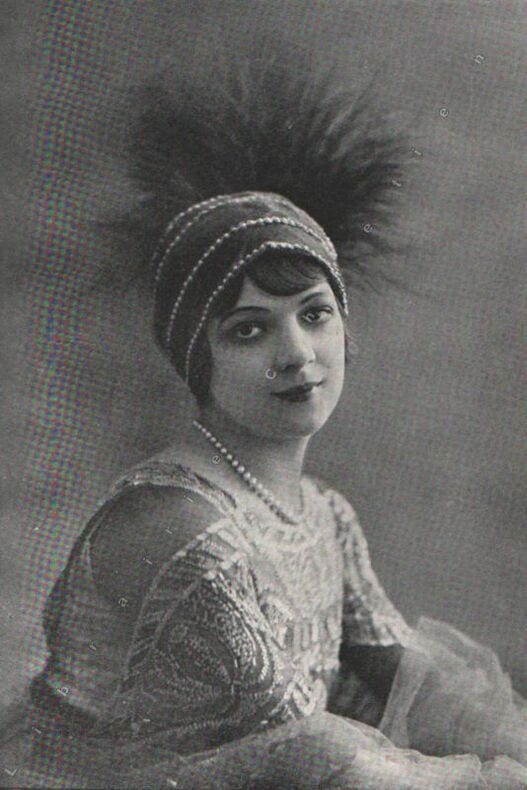
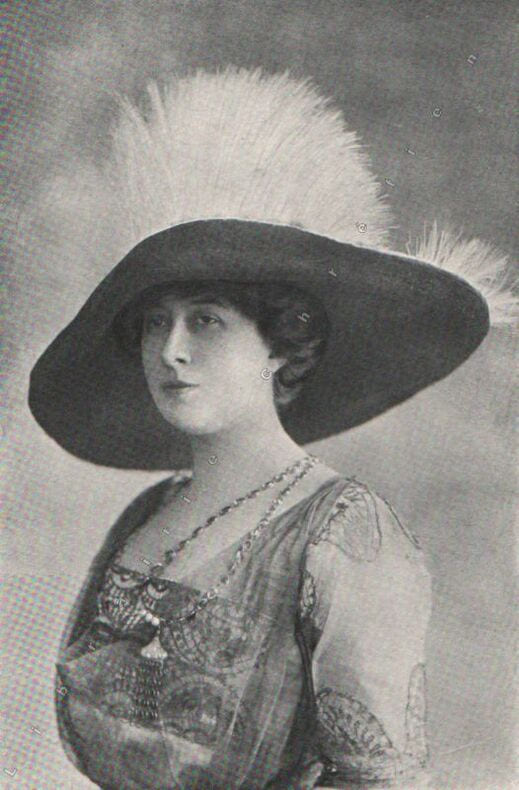
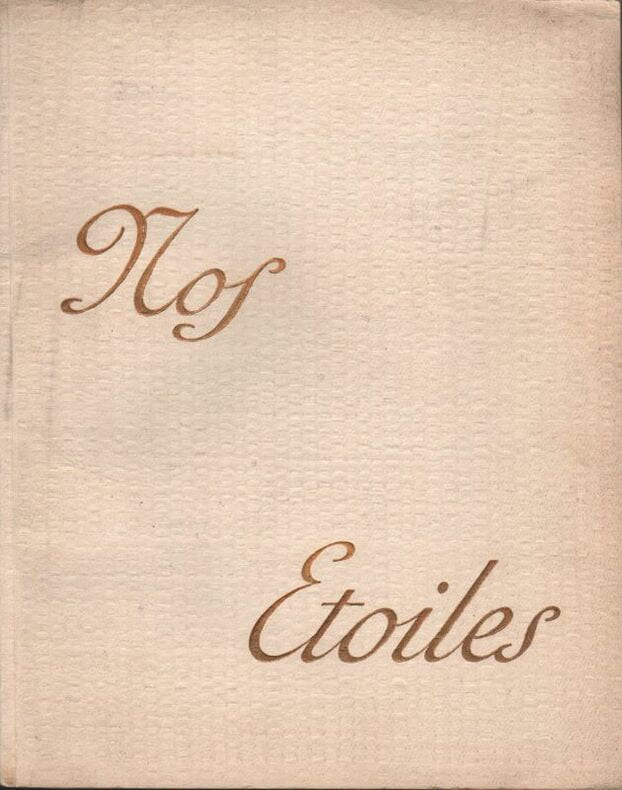
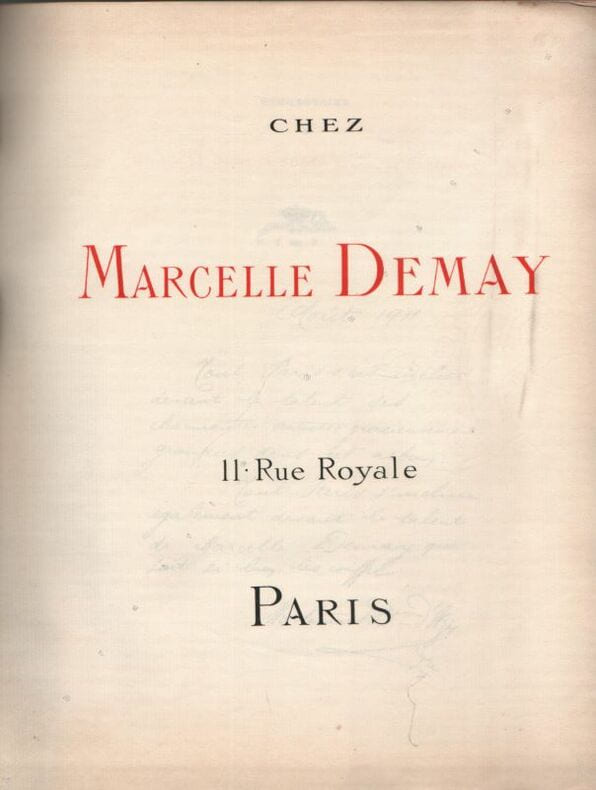
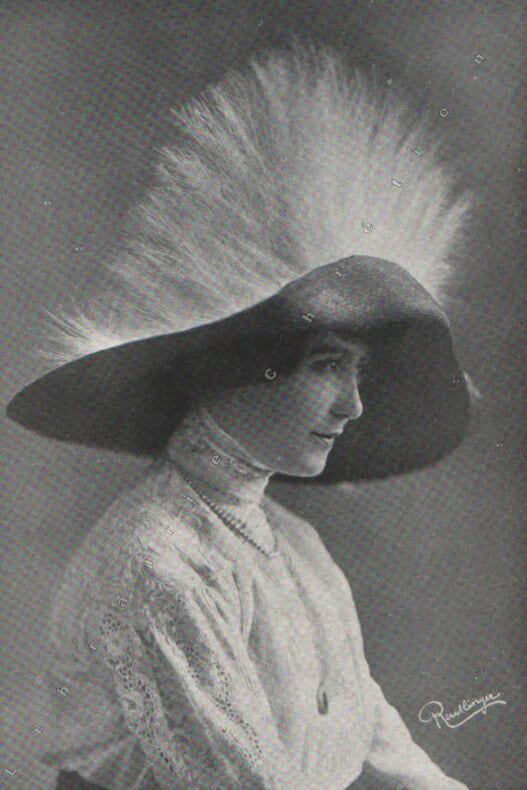
1911 Paris, Chez Marcelle Demay, Carel Frères Graveurs-Imprimeurs, 1911, in-4, broché, couverture crème, titre doré imprimé en relief, sous jaquette éditeur rempliée.
Reference : 23780
Bel album publictaire réunissant de nombreuses artistes et personnalités (Suzanne Avril, Lucienne Bréval, Jane Faber, Yvette Guilbert, Stasia Napierkowska...) photographiées coiffées d'un chapeau Marcelle Demay. Une serpente, légendée par les vedettes, d'un court texte manuscrit reproduit en fac-similé, accompagne chacune des 24 photographies en noir et blanc. Petites usures et très légère insolation sur la couverture.
Bookseller's contact details
Librairie Chrétien
M. Jean Izarn
178 Rue du Faubourg Saint Honoré
75008 Paris
France
33 01 45 63 52 66
Payment mode


Sale conditions
Passez votre commande sans intermédiaire à la librairie ! Contactez nous par téléphone, e-mail ou mieux : Venez nous voir ! Prix nets en euros. Nous acceptons la Visa, chèques français et paiement espèces. Envoi du livre après encaissement du règlement, frais de ports à la charge du client, envoi en recommandé. La librairie est fermée du 1er au 31 Août ...
5 book(s) with the same title
3 Etoiles #1 : Le style Gagnaire. Dédicacé par Paul BOCUSE et Alain DUCASSE
2004 - broché - 3 Etoiles, revue intitulée "L'Art de la Haute Gastronomie" - Publication trimestrielle - In-4 (30 x 23 cm) broché - 138 pages - Très nombreuses photographies en couleurs - Jean D. NOUAILHAC (Directeur de la publication) - Dédicaces de Paul BOCUSE et de Alain DUCASSE en page de titre - Avec une lettre (envoi) de Catherine TRANCHANT, du Guide Michelin, à Monsieur Antoine MAILLON
Bon état - Quelques frottements sur la couverture - Superbes dédicaces
Les Étoiles du Cinéma #1 : Marilyn Monroe
2014 - broché - Numéro 1 - Collection Les Étoiles du Cinéma - Edition collector - Publication du groupe CapElitis - Edith CYR (Directrice) - 2014 - In-4 (28 x 22 cm) agrafé - 80 pages - Très nombreuses photographies en couleurs et en noir et blanc - ISBN : 9791093568003 - SOMMAIRE : Une artiste complète - Une mort restée inexpliquée - Le symbole du Glamour - Le mythe américain - ...
Bon état - Infimes frottements sur la couverture
Les étoiles (progrès des instruments et développement de l'astronomie sidérale; photométrie stellaire - spectres des étoiles; température des étoiles et constitution de leurs atmosphères - distances, dimensions et mouvements des étoiles; étoiles doubles et masse des étoiles). [Hardcover] Bruhat (Georges)
broche
Merci de nous contacter à l'avance si vous souhaitez consulter une référence dans notre boutique à Authon-du-Perche.
Etoiles d'Encre - Revue de femmes en Méditérranée - Responsables de la rédaction : Dominique Le Boucher - Directrice de la publication : Marie-Noël Arras
Reference : 27837
Etoiles d'Encre / En-corps prisonnières? : A corps perdus... - Paroles des femmes de ce temps là: Mémoires en fragments... - Paroles de chèvres...que je sois transformée en bouc si je mens! - Poussières d'Ecumes... - Pousières d'Etoiles... - Cris et-crits de femmes... - ...
N° 11-12 - Octobre 2002 - Revue trimestrielle illustrée - Editions Chèvre-feuille étoilée - broché - 414 pages
bon état
Les étoiles
Frace loisirs 1987 1987. Livre documentaire illustré sur l'astronomie publié dans la collection 'La Nature en couleurs' présentant les étoiles et les associations stellaires. L'auteur Joachim Herrmann y développe notamment ses théories sur les étoiles T Tauri comme étoiles jeunes et sur la dissociation des associations stellaires
Bom estado

