 Write to the booksellers
POIRET (Paul). COCTEAU (Jean), DUFY (Raoul), FOUJITA, BOFA, DUPAS, MARTIN (Charles), DYL, DELUERMOZ, EDY-LEGRAND, GESMAR, BOUCHER (Lucien), SEM...
Pan.
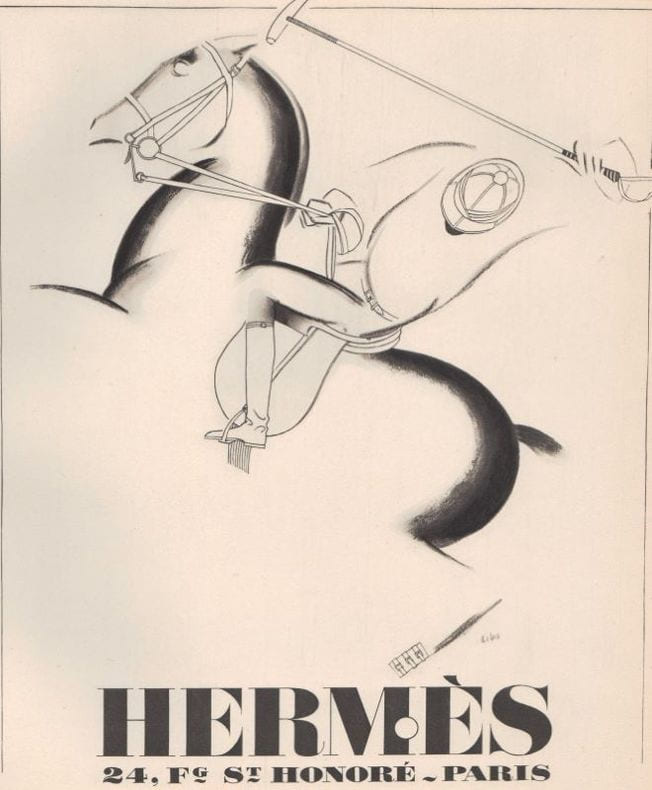
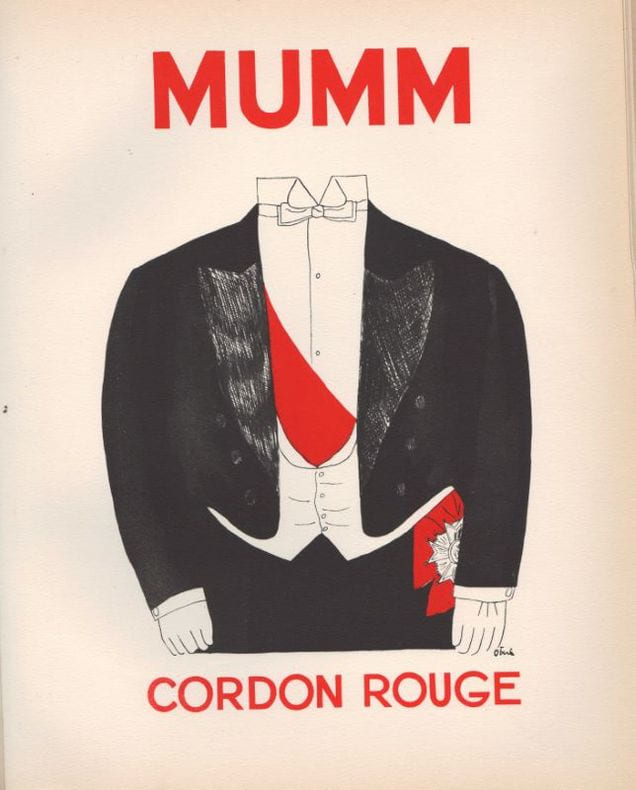
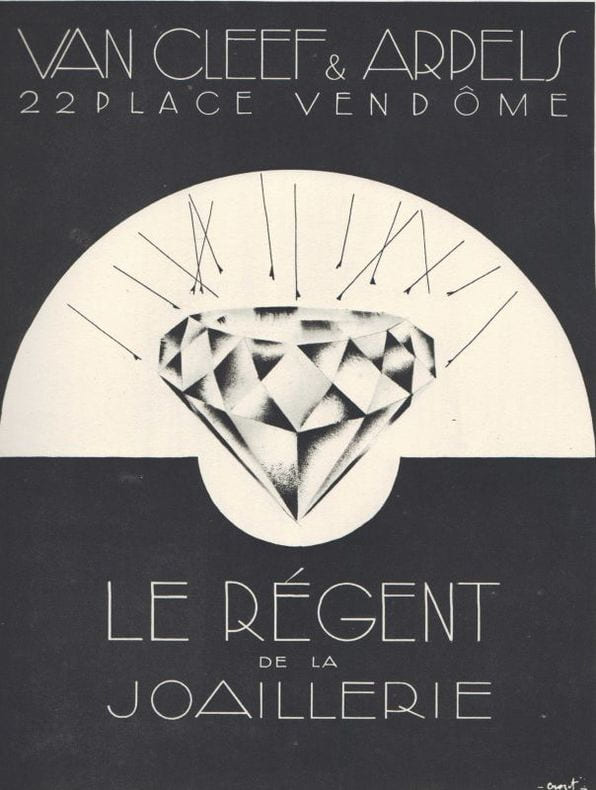
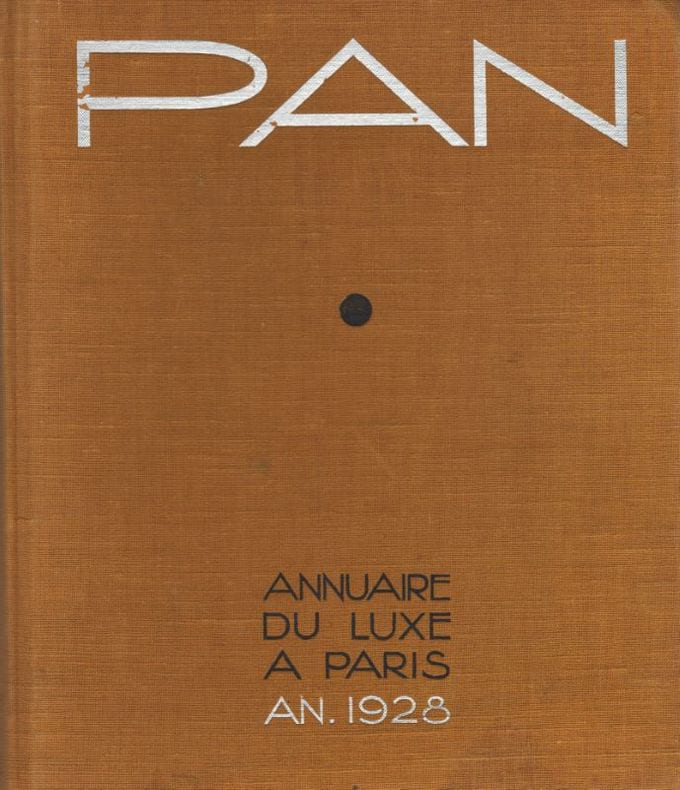
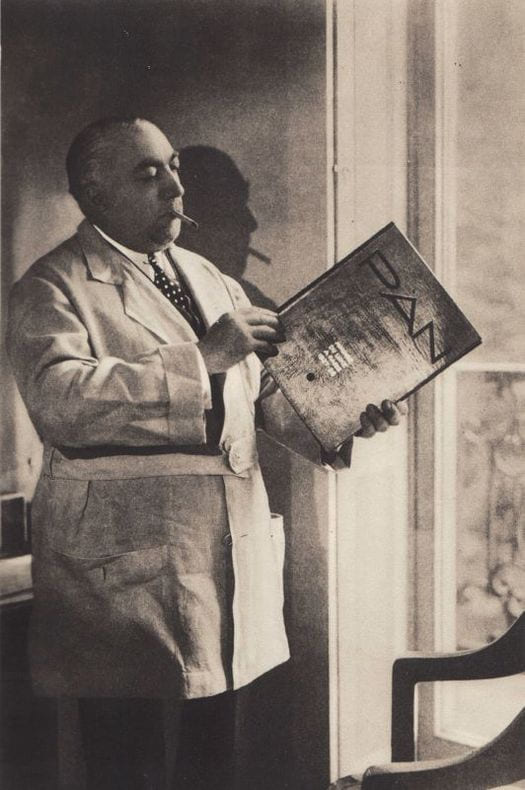
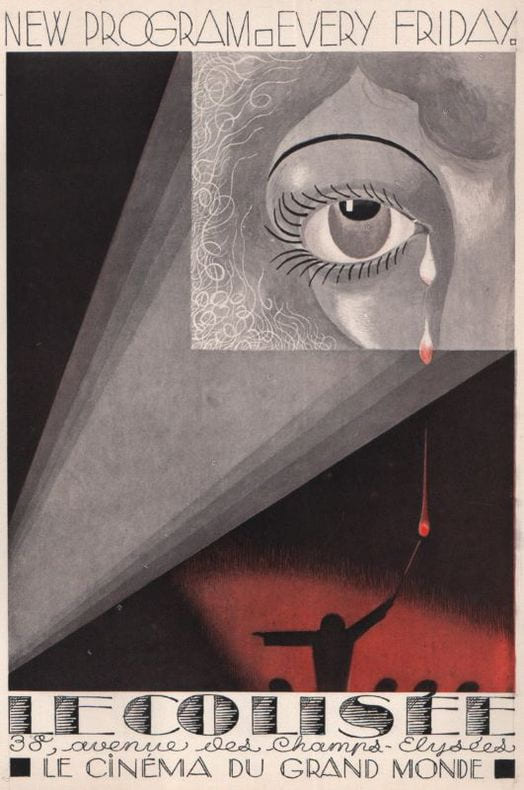
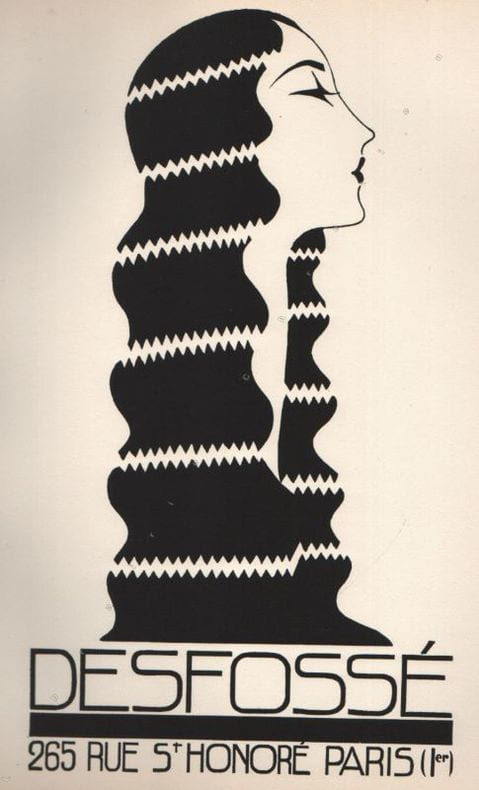
DEVAMBEZ 1928 1 Annuaire du luxe à Paris, Hommage des grandes maisons françaises, Paul Poiret fondateur. Paris, Devambez, 1928, in-4, reliure toile éditeur ocre titrée noir et argent, (Magnier Relieur).
Reference : 22835
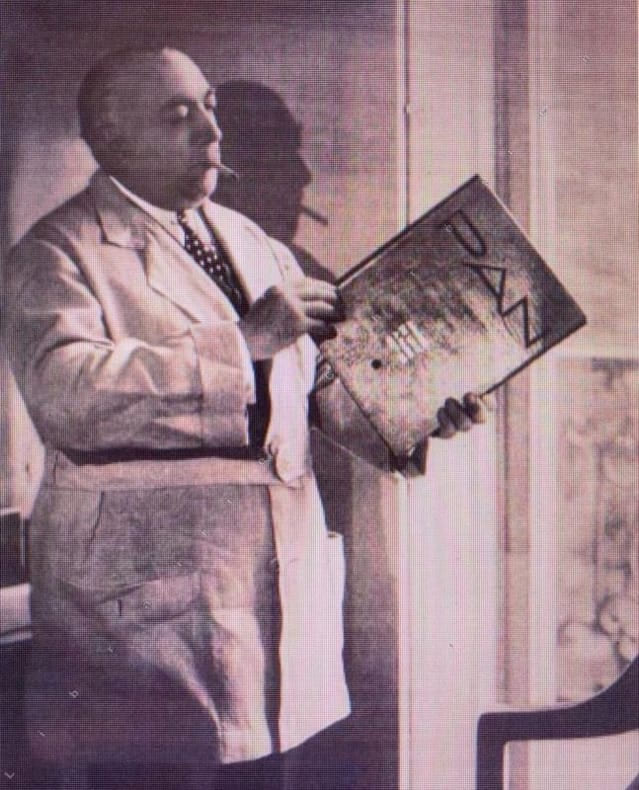
Cet important ouvrage, publié sous l'égide de Paul POIRET, décrit parfaitement le rayonnement de l'industrie du luxe à Paris dans les années 1925 et peut être présenté comme l'ancêtre du Comité COLBERT par le nombre de Maisons prestigieuses réunies dont nombre d'entre elles sont toujours présentes aujourd'hui. 115 planches de créations publicitaires (plus un frontispice) d'artistes tels que MARTIN, LIBIS, WURCI, SEM, BOUCHER, DUPAS, DYL, EDY- LEGRAND, BOFA, MOURGUE, FAU, BONNOTTE, GESMAR, VAN MOPPES, DELUERMOZ, OBERLE, de VALERIO... On y retrouve aussi COCTEAU, DUFY, FOUJITA. Exemplaire monté sur onglets relié par MAGNIER Frères (étiquette). Photographie de Paul Poiret présentant le livre, en frontispice, par LIPNITZKI. Paul Poiret est l'instigateur de cet ouvrage. Infimes usures, salissures et légers plis à la serpente.
Bookseller's contact details
Librairie Chrétien
M. Jean Izarn
178 Rue du Faubourg Saint Honoré
75008 Paris
France
33 01 45 63 52 66
Payment mode


Sale conditions
Passez votre commande sans intermédiaire à la librairie ! Contactez nous par téléphone, e-mail ou mieux : Venez nous voir ! Prix nets en euros. Nous acceptons la Visa, chèques français et paiement espèces. Envoi du livre après encaissement du règlement, frais de ports à la charge du client, envoi en recommandé. La librairie est fermée du 1er au 31 Août ...
5 book(s) with the same title
Pan a franchi le Rubicon. Recherches sur le dieu-bouc romain
, Brepols - Ecole Pratique des Hautes Etudes, 2026 Hardback, Pages: 452, Size:156 x 234 mm, Illustrations:35 b/w, Language: French. ISBN 9782503618487.
Summary ...immense travail d' rudition fourni par . Borron qui pr sente ici une somme impressionnante sur une divinit jusqu'ici trop souvent consid r e comme allant de soi. ( lisabeth Buchet, dans Cahiers d' tudes du Religieux. Recherches Interdisciplinaires, 28, 2026, [en ligne]) labor dans le cadre d'une th se de doctorat, le sujet de cet ouvrage est un tre hybride, mi-homme, mi-bouc, le dieu grec que les Anciens nommaient Pan. Toutefois, on n'adoptera pas le point de vue hell ne sur cette divinit , mais plut t celui de Rome, qui accueillit de bonne heure le dieu parmi les siens. Cette monographie s'attache donc l' tude du dieu-bouc romain, entre le Ve si cle av. notre re, o son iconographie appara t en Italie, et le IIIe si cle de notre re, avant que le discours chr tien ne s'empare du personnage ; tout au long de ces huit si cles, elle questionnera les modalit s selon lesquelles Pan, dieu grec, impose sa pr sence dans le panth on et l'imaginaire romain. Pour mieux appr hender la complexit et les diverses facettes du sujet, c'est un point de vue interdisciplinaire qui pr vaudra, alliant l'apport des textes celui des images, de l'arch ologie et de l'histoire. TABLE OF CONTENTS Introduction Premi re partie : Le dieu-bouc en Italie I. Pan sur les rives italiennes I.1. Entre Arcadie et Grande Gr ce I.2. L'entr e en litt rature II. Pan rencontre les faunes II.1. Faunes : un ph nom ne pluriel II.2. Les modalit s de l'assimilation Deuxi me partie : Sous le signe du Capricorne : Pan parmi les dieux d'Auguste I. Auguste et l' laboration d'un ethos panique I.1. Le Capricorne I.2. La figure panique II. Un jalon id ologique august en II.1. Les Lupercales, ou la port e politique d'un festival II.2. Pan jupit rien, partie prenante du discours mill nariste ? III. La r ponse des lettr s au berger III.1. Faunus-Pan horatien, ou l'espace de la securitas III.2. Ovide : la remise en question d'une id ologie esth tique III.3. Transformations du Pan august en Troisi me partie : Un Pan de ralliement : les manifestations d'un engouement durable I. L'universalisme culturel la mode panique I.1. L'alt rit incluse dans les lettres romaines : uariationes paniques I.2. Faunes : le retour aux bois I.3. Pan, un dieu qui parle tous et en tout lieu II. Sur la piste du Grand Pan II.1. Au-del des fronti res esth tiques : l'espace panique comme lieu d'exp rimentation II.2. Et le bouc se fit homme pour les guider : vers une magnification du personnage Conclusion Annexes
Pope PAUL VI - Patriarch ATHENAGORAS - Pan American World Airways - Pan Am :
Reference : 47121
Unique photo album illustrating Pope Paul VI visit and flight to Istambul and Izmir aboard the Pan Am Jet Clipper Saint Paul in July 1967. With 64 large size photos and several other documents.
New York / Rome -Vatican , 1967, large photo album, with 35 strong leaves, containing 64 large size original pictures (some in colour), size 180 x 238 mm, other documents include a photocopy of the pope's boarding pass, a list of the 59 press people who were aboard (compiled by Pan Am Rome office), 19 manuscript reservation cards for the cardinals and officials on board ( among them Cardinal Cigognani , Tisserant, Casaroli , Willebrands...) , the breakfast menu ( printed in gilt lettering, with silk ties), the dinner menu ( idem ) , excerpts from '' Il Viaggio di Paolo VI a Istanbul e a Efese, Loosely inserted are a photo of the chalice offered to the pope by Pan Am on the occasion of this voyage and a typescripted letter by the Vatican to thank for this gift. The letter is signed in holograph by cardinal Cicognani and was received at the office of Najeeb Elias Halaby ( 1915 - 2003). Album bound in full red leather, with large gilt title on front cover, with the papal coart of arms, kept in a similar slipcase. A fine copy. Unique album which illustrates the famous visit of the pope to Istanbul where he met patriarch Athenagoras for the second time. (2 pictures). The album was most probably made by the Rome office of Pan Am to be presented at the Vatican. This is probably a spare copy which ended up in the office of the future CEO N. Halaby ( a letter adressed to him by the Vatican, is inserted). A full account of the flight can be found in : Alejo Nicolas Larocca '' My Pan Am Story - forty years as a stewardess with the world's most experienced airline'' pp.170-177. The author , chief stewardess, is also depicted on two photographs.
DISQUE VINYLE 33T : LE JAZZ DE LA NOUVELLE-ORLEANS - Les Tin Pan Stompers, Mississipi Rag; Orchestre Claude Bolling, Lime-House Blues; Les Tin Pan Stompers, Tiger Rag; The Dutch Swing College Band, Ory's Creole Trombone; Les Tin Pan Stompers, When The...
FONTANA. NON DATE. In-12. Broché. Bon état, Couv. convenable, Dos satisfaisant, Intérieur frais. Pochette en couleurs. Légères traces de scotch. Les Tin Pan Stompers, Mississipi Rag; Orchestre Claude Bolling, Lime-House Blues; Les Tin Pan Stompers, Tiger Rag; The Dutch Swing College Band, Ory's Creole Trombone; Les Tin Pan Stompers, When The Saints Go Marching In; Orchestre Claude Bolling, Ain't She Sweet; The Dutch Swing College Band, South Rampant Street Parade; Les Tin Pan Stompers, Twelth Street Rag; Orchestre Claude Bolling, Harlem Strut; The Dutch Swing College Band, Carry Me Back To Old Virginny; Orchestre Claude Bolling, Alexander's Ragtime Band; Orchestre Claude Bolling, Weary Blues.. . . . Classification : 410-33 Tours
Disque n° 850 068 Y. Classification : 410-33 Tours


Reference : alba371058c0898b798
The Second Pan Book of Horror Stories. In English /The Second Pan Book of Horro
The Second Pan Book of Horror Stories. In English /The Second Pan Book of Horror Stories. Selected by Herbert van Tal. Series: Pan Books of Horror Stories. London. Pan Books Ltd. 1960. Contact us for details or to request photos of available books. Delivery of this book could take longer than normal due to additional handling time before shipping, and no rush delivery options are available. Please let us know if you have a specific date by which you need to receive your order. SKUalba371058c0898b798
Reference : albd6a23a1eccd1bed3
Henryk Sienkiewicz. Henryk Senkiewicz. Pan Wolodyjowski. Pan Volodyevsky. In Ru
Henryk Sienkiewicz. Henryk Senkiewicz. Pan Wolodyjowski. Pan Volodyevsky. In Russian /Henryk Sienkiewicz. Genrik Senkevich. Pan Wolodyjowski. Pan Volodyevskiy. Warszawa. Panstwowy Instytut Wydawniczy. 1980. We have thousands of titles and often several copies of each title may be available. Please feel free to contact us for a detailed description of the copies available. SKUalbd6a23a1eccd1bed3.

