 Write to the booksellers
[HOOGSTRATANUS David (HOOGSTRATEN David van)] -
PHEDRE - ESOPE
Liberti Fabularum Aesopiarum Libri V.
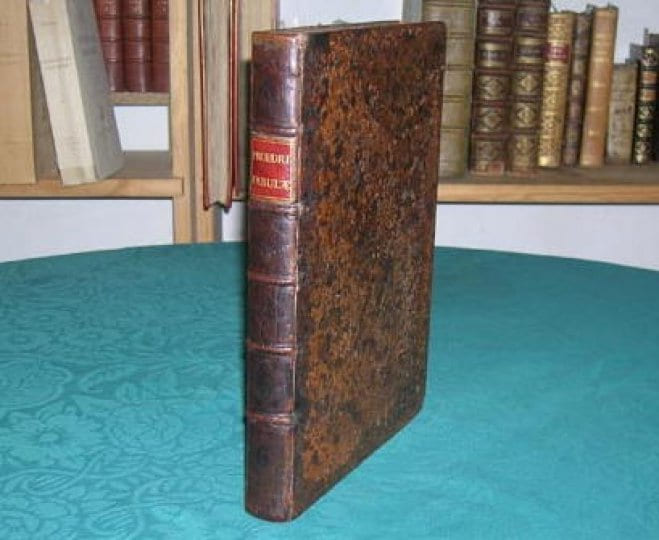
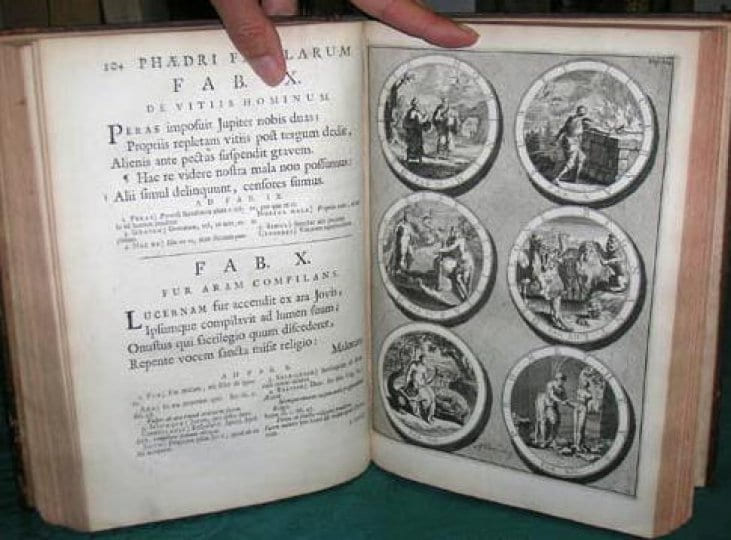
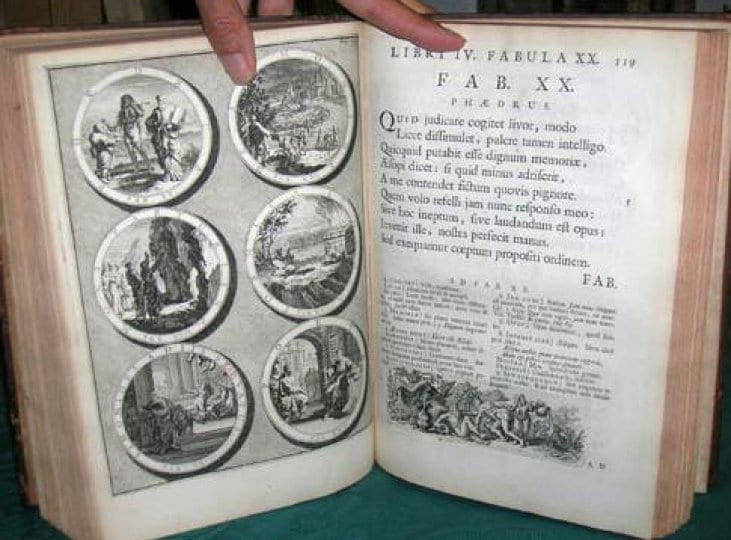
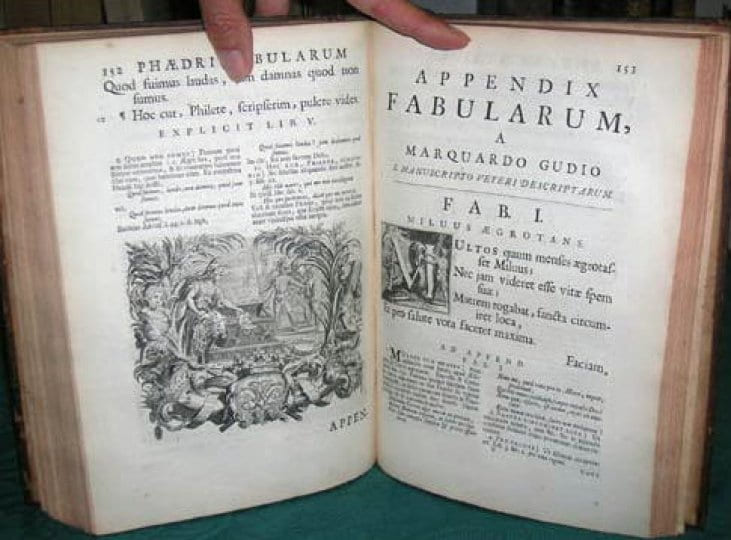
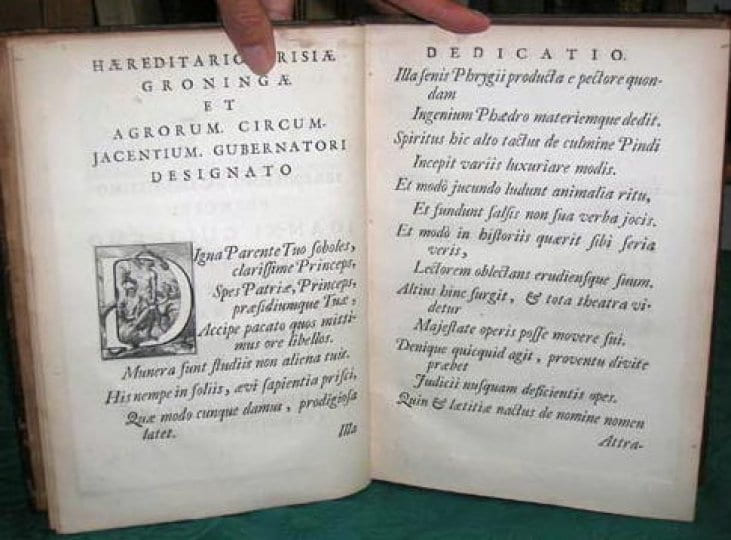
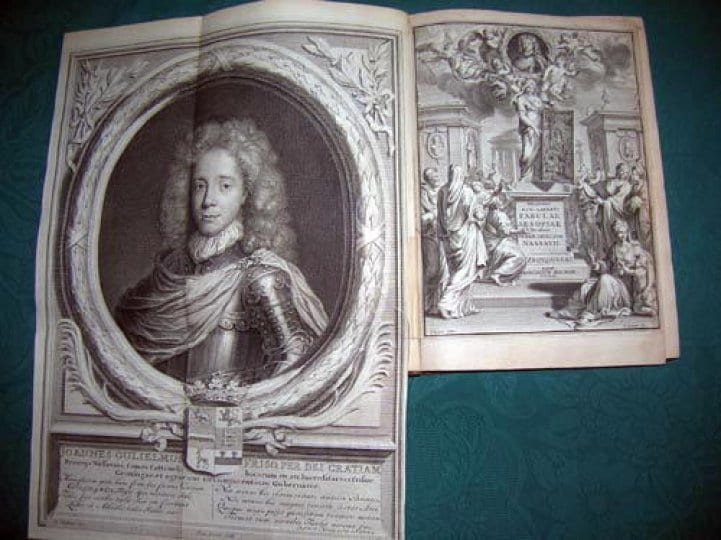
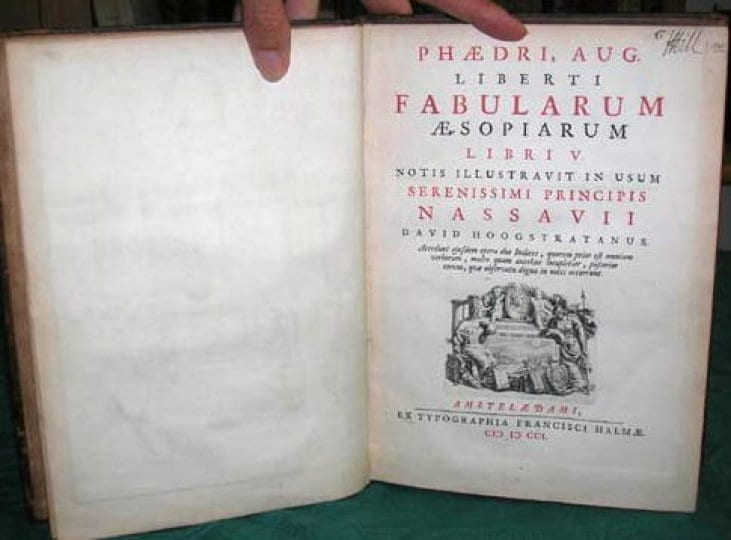
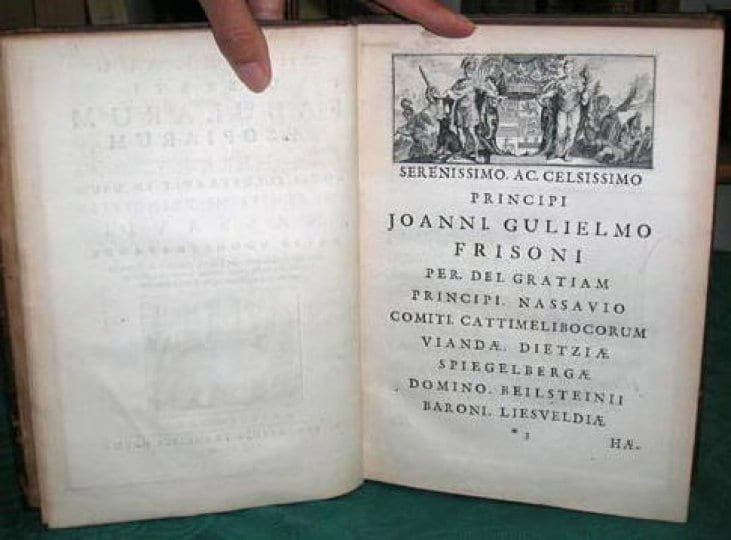
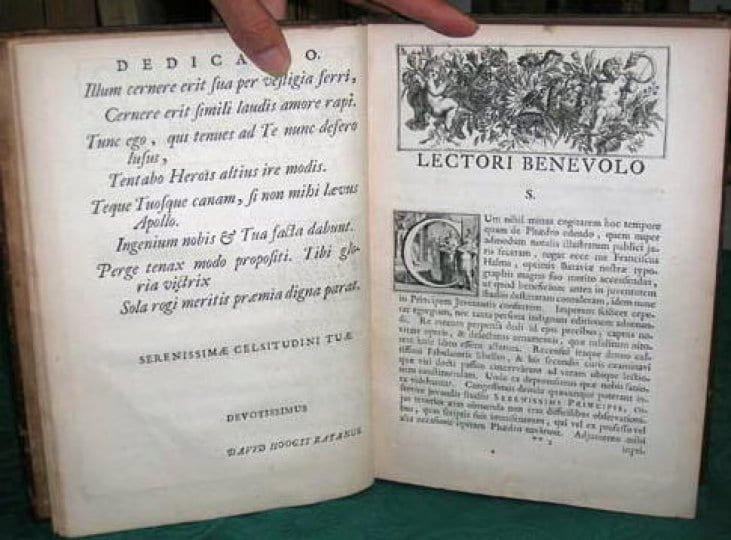
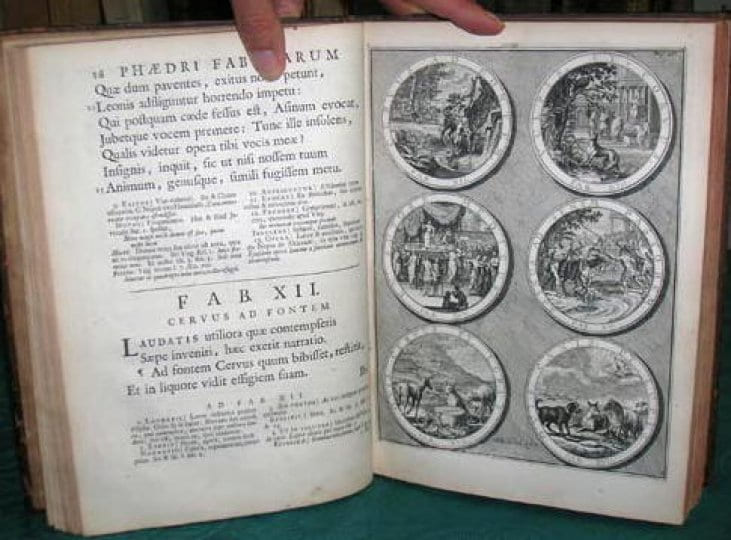
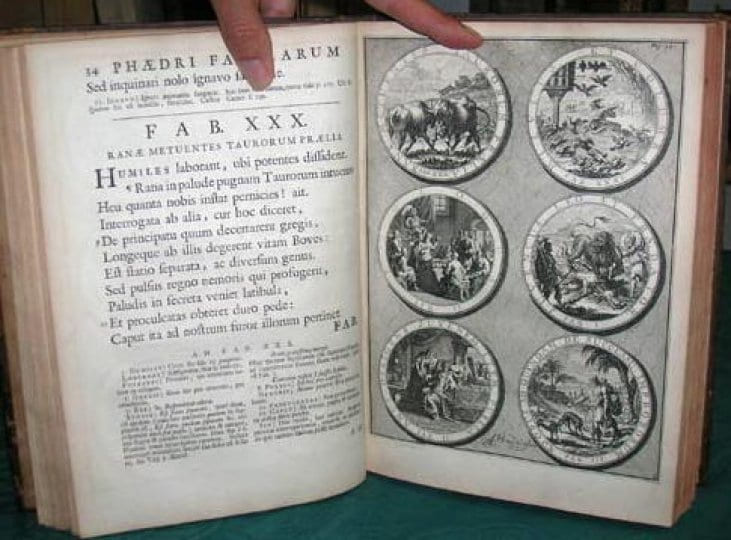
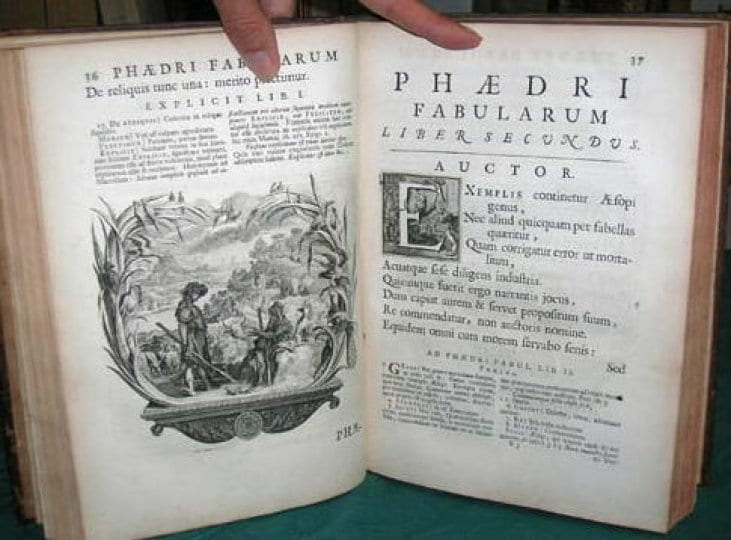
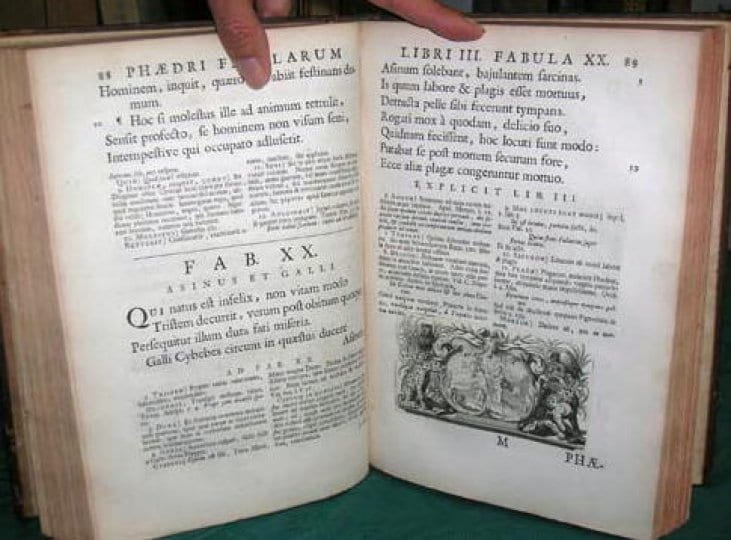
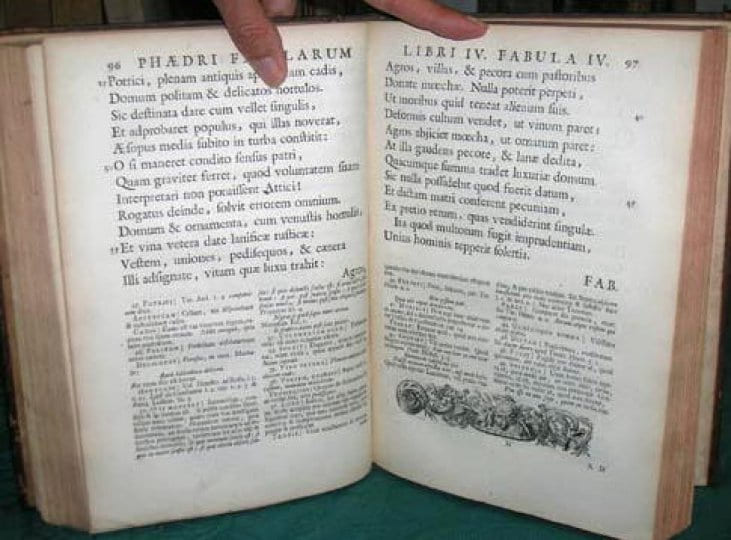
Phaedri, Aug. Liberti Fabularum Aesopiarum Libri V. Notis illustravit in usum Serenissimi principis Nassavii David Hoogstratanus.Amstelaedami (Amsterdam), ex Typographia Francisci Halmae 1701. Ex-libris de la bibliothèque de Ph.-L. de Bordes de fortage.Très belles Illustrations de David van Hoogstraten (1658-1724) :1 grand portrait-frontispice de Nassau gravé par Van Gunst replié.1 titre-frontispice gravé par Boutats.1 vignette de titre.6 vignettes de chapitres.9 lettrines illustrées.32 culs-de-lampe.18 planches de 6 médaillons gravées par Van Vianen.Reliure plein veau granité de l'époque. Dos à nerfs avec pièce de titre maroquin rouge. Tranches jaspées rouge. Dos noirci. Mors fendillés. Pas de rousseur. Déchirure latérale restaurée sur le portrait. Très belle édition, bien illustrée. Bon état. Format in-4°(26x19).
Reference : 14633
HOOGSTRATANUS David (HOOGSTRATEN David van)
Bookseller's contact details
Livres et Collections P. Commerot
M. Philippe Commerot
8 allée des Acacias
92310 Sèvres
France
09 67 04 07 48
Payment mode


Sale conditions
Les livres sont expédiés le jour même de la réception du règlement. Vous pouvez passer vos commandes par mail, ou par téléphone. Règlements en euros, par carte bancaire, chèque français, virement bancaire, ou lien de paiement Stripe. Evitez paypal.
5 book(s) with the same title
Phaedri Augusti Caesaris liberti fabularum aesopiarum libri quinque ; Notis perpetuis illustrati, & cum integris Aliorum Observationibus In lucem editi à JOHANNE LAURENTIO JC.
Amstelodami, apud Johannem Janssonium à Waesberge & Viduam Elizei Weyerstraet, 1667, 1 volume in-12 de 185x105x40 mm environ, 1f.blanc, titre-frontispice gravé par Hagens, 31 ff.-462-1f.b.-titre-102 ff. (Index)-3 ff.blancs, un ex-libris gravé sur le premier contreplat et un autre sur l'avant dernier feuillet blanc, reliure muette en parchemin crème ancien, tranches mouchetées de rouge et brun. Ouvrage illustré de 1 frontispice de Hagens et 103 vignettes dans le texte.Quelques auréoles sur le parchemin, rares petites rousseurs, bon état. Première édition illustrée hollandaise, complète des 275 à 281 mais les vignettes ont été tachées d'encre car licencieuses.
Phèdre (en latin Caius Iulius Phaedrus ou Phaeder), né vers 14 av. J.-C. et mort vers 50 apr. J.-C., est un fabuliste latin d'origine thrace, affranchi de l'empereur. À peu près le tiers de son uvre est repris dÉsope dont il adapte les fables ; les deux autres tiers sont issus de son imagination. Tout comme son prédécesseur, Phèdre raconte des histoires danimaux, mais il met en scène aussi des personnages humains et parmi ceux-ci Ésope. Au total, il composera 5 livres de fables. Merci de nous contacter à l'avance si vous souhaitez consulter une référence au sein de notre librairie.
Phaedri Augusti Liberti Fabularum Aesopiarum. Libri quinque, ad optimas quasque editiones emendati.
Parisiis, apud Coustelier, 1742 ; in-12, veau raciné, dos lisse à faux nerfs dorés, fleurons à la lyre, palette à la grappe de raisins, pièce de titre rouge, belle roulette d’encadrement et roulette sur les coupes, tranches dorées, gardes oranges (reliure de l’époque) ; [24], 132 pp., frontispice de Coypel gravé par Fessard, bandeau répété cinq fois, par Pierre, gravé par Fessard.
Edition donnée par l’abbé Jean-Baptiste Le Mascrier, la vie de Phèdre par Johannes-Gerhard Scheffer ; à la suite de Phèdre, “Flavii Aviani fabularum aesopiarum liber unicus”, avec page de titre propre, mais pagination continue; ajouté: Publii Syri sententiae, donné par Dom Pierre Carpentier. Très bonne édition, dans une élégante reliure en très bon état. Vignette ex-libris illustrée de M. Froissart.


Phaedri Augusti Liberti Fabularum Aesopiarum Libri Quinque. Flavi Aviani Fabularum Aesopiarum Liber Unicus. Publii Syri Sententiae
Coustelier Cuir Paris 1742
Très bon In-12. 14f., 132 pages. Manque le feuillet blanc, page 109-110. Taches au dos et au plat arrière. Plein maroquin havane, dos lisse orné, triple filets d'encadrement aux plats, tranches dorées. Complet du frontispice, d'après Coypel. Jolie édition d'Antoine-Urbain Coustelier, inspirée des Elzevier, avec leur marque en pages de titre, et l'hommage "Typographus Lectori Benevolo". Bel exemplaire.
Phaedri, Augusti liberti, fabularum Aesopiarum. Libri quinque, or les fables de Phèdre en latin and english.
Londres, D. Wilson and G. Nicol, 1776.
In-8, 183 p. Reliure en cuir marron abîmée à 5 nerfs et reste de filets dorés. Cuir des coiffes manquant. Charnière du recto entièrement fendue et sans attache.Plats usés, coins rognés. la page de garde du recto est déchirée et se détache avec la page de titre.
Phone number : 04 96 21 81 64
Phaedri Augusti Caesaris liberti fabularum Aesopiarum libri quinque. Interpretatione et notis illustravit Petrus Danet
F. Leonard 1675 In-4 plein veau brun, dos à nerfs, caisons ornés, 15- 101- 32 pp. Frontispice de F. Chauveau gravé par Langlois, Bandeaux, lettrines et culs-de-lampe. Humidité angulaire, et brunissures. Reliure ternie, coiffes et coins usés. Tampons de bibliothèque.
Edition classique des Fables ésopiques commentées par le philologue Pierre Danet (1650-1709) Bon état d’occasion Livres anciens

