 Write to the booksellers
Tawfik Younis
Islam
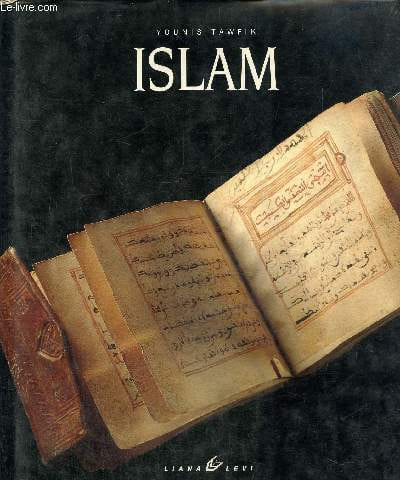
Liana levi. 1997. In-4. Relié. Bon état, Couv. convenable, Dos satisfaisant, Intérieur frais. 143 pages augmentées de nombreuses photos en couleurs dans le texte.. . . . Classification Dewey : 297-Islam et religions dérivées
Reference : RO80226879
ISBN : 2867461723
Classification Dewey : 297-Islam et religions dérivées
Bookseller's contact details
Le-livre.fr / Le Village du Livre
ZI de Laubardemont
33910 Sablons
France
05 57 411 411
Payment mode


Sale conditions
Les ouvrages sont expédiés à réception du règlement, les cartes bleues, chèques , virements bancaires et mandats cash sont acceptés. Les frais de port pour la France métropolitaine sont forfaitaire : 6 euros pour le premier livre , 2 euros par livre supplémentaire , à partir de 49.50 euros les frais d'envoi sont de 8€ pour le premier livre et 2€ par livre supplémentaire . Pour le reste du monde, un forfait, selon le nombre d'ouvrages commandés sera appliqué. Tous nos envois sont effectués en courrier ou Colissimo suivi quotidiennement.
5 book(s) with the same title
Recueil de 48 articles et traductions rédigés par le professeur Georges H. Bousquet sur le thème de l'Islamologie et les Questions Nord Africaines (1948-1953) [ Contient : ] Partie I : Islamologie en Général. 1 : La Pureté Rituelle en Islam (Etude de fiqh et de sociologie religieuse) ; 2 : L'Islam et la limitation volontaire des naissances ; 3 : Le rituel du culte des saints (A propos du livre de T. Canaan) ; II : Sociologie Musulmane en Afrique du Nord ; 4 : Instruction religieuse de la fillette musulmane dans les Centres urbains d'Algérie ; 5 et 6 : Deux notes sur la circoncision ; 7 et 8 : Bid'as en Afrique du Nord ; 9 : Patronymiques féminines ; 10 : Le Bouafif dans le Guergour ; 11 : Pratique religieuse en Aurès ; 12 : Le Carnaval de l'Achoura à Ouarzazate ; 13 : Deux petites curiosités sociologiques ; 14 : Survivance de formulaires turcs en Tunisie ; 15 : Les enfants naturels musulmans et l'état civil à Alger ; 16 : L'Ian, Ila et Zhihar ; III : Droit Musulman : 17 : Loi musulmane et droit européen. Quelques remarques de psychologie comparée ; 18 : La conception du Nikah' selon les docteurs de la loi musulmane ; 19 : Plaidoyer pour les faraïdhr ; 20 : Les Vices rédhibitoires de la femme en droit musulman ; 21 : Le droit de "djebr" et la Cour d'Alger ; 22 : Une petite erreur de Juijnboll et de Perron à propos d'une institution peu connue l'Ifâf ; 23 : Islamic Law and customary Law in French North Africa ; 24 : Glanures de Droit Musulman ; 25 : Consultation Habour Boufaris ; IV : Politique Musulmane ; 26 : Pour l'étude des Droits Berbères ; 27 : Un culte à détruire. L'adoration de Haniteau et Letourneux ; 28 : Documents contemporains curieux relatifs au droit en Kabilie ; 29 : Mariages kabiles protestants ; 30 : Coutumes en Aurès ; 31 : Pactes de protection et d'Alliance chez les Berbères au Maroc Central ; V : Islam à l'Etranger ; 32 : Les Elites gouvernantes en Afrique du Nord ; 33 : Un étrange tabou ; 34 : L'Islam et les boissons spiritueuses ; 35 : Election et Ramadan ; 36 : Questions Nationales et Sociales dans l'Islam Contemporain ; 37 : Allah et le Mikado ; 38 : Une communication du Professeur Joseph Schacht sur "l'Islam en Nigéria" ; 39 : Musulmans indonésiens en Guyane hollandaise ; VI : Traductions : Le chameau volé (Document de procédure marocaine) ; 41 : L'interdiction (Bidaya) d'Averroès ; 42 : Les Conquêtes Musulmanes et L'Impérialisme arabe par J. Schumpeter ; 43 : La légende Qoranique d'Abraham par Snouck-Hurgonje; 44 : Le Kitab al-Wara ou Livre du Scrupule religieux selon l'Imam Ibn Hanbal ; 45 : Les droits de l'Esclave (Ih'ya de Ghazali) ; 46 : Quelques Ruses du Kitabl al-H'iyâl ; 47 : Fiqh et Sorcellerie ; 48 : Acte de mariage Tlemcen
1 vol. in-4 reliure demi-percaline verte, Recueil de 48 articles et traductions rédigés par le professeur Georges H. Bousquet sur le thème de l'Islamologie et les Questions Nord Africaines (1948-1953) [ Contient : ] Partie I : Islamologie en Général. 1 : La Pureté Rituelle en Islam (Etude de fiqh et de sociologie religieuse), R. Hist Rel 194... ; 2 : L'Islam et la limitation volontaire des naissances Annales IEO 49 ; 3 : Le rituel du culte des saints (A propos du livre de T. Canaan) R. Afr. 1949 ; II : Sociologie Musulmane en Afrique du Nord ; 4 : Instruction religieuse de la fillette musulmane dans les Centres urbains d'Algérie, Hesperis 1949 ; 5 et 6 : Deux notes sur la circoncision ; 7 et 8 : Bid'as en Afrique du Nord ; 9 : Patronymiques féminines ; 10 : Le Bouafif dans le Guergour ; 11 : Pratique religieuse en Aurès ; 12 : Le Carnaval de l'Achoura à Ouarzazate ; 13 : Deux petites curiosités sociologiques ; 14 : Survivance de formulaires turcs en Tunisie ; 15 : Les enfants naturels musulmans et l'état civil à Alger ; 16 : L'Ian, Ila et Zhihar ; III : Droit Musulman : 17 : Loi musulmane et droit européen. Quelques remarques de psychologie comparée ; 18 : La conception du Nikah' selon les docteurs de la loi musulmane ; 19 : Plaidoyer pour les faraïdhr ; 20 : Les Vices rédhibitoires de la femme en droit musulman ; 21 : Le droit de "djebr" et la Cour d'Alger ; 22 : Une petite erreur de Juijnboll et de Perron à propos d'une institution peu connue l'Ifâf ; 23 : Islamic Law and customary Law in French North Africa ; 24 : Glanures de Droit Musulman ; 25 : Consultation Habour Boufaris ; IV : Politique Musulmane ; 26 : Pour l'étude des Droits Berbères ; 27 : Un culte à détruire. L'adoration de Haniteau et Letourneux ; 28 : Documents contemporains curieux relatifs au droit en Kabilie ; 29 : Mariages kabiles protestants ; 30 : Coutumes en Aurès ; 31 : Pactes de protection et d'Alliance chez les Berbères au Maroc Central ; V : Islam à l'Etranger ; 32 : Les Elites gouvernantes en Afrique du Nord ; 33 : Un étrange tabou ; 34 : L'Islam et les boissons spiritueuses ; 35 : Election et Ramadan ; 36 : Questions Nationales et Sociales dans l'Islam Contemporain ; 37 : Allah et le Mikado ; 38 : Une communication du Professeur Joseph Schacht sur "l'Islam en Nigéria" ; 39 : Musulmans indonésiens en Guyane hollandaise ; VI : Traductions : Le chameau volé (Document de procédure marocaine) ; 41 : L'interdiction (Bidaya) d'Averroès ; 42 : Les Conquêtes Musulmanes et L'Impérialisme arabe par J. Schumpeter ; 43 : La légende Qoranique d'Abraham par Snouck-Hurgonje; 44 : Le Kitab al-Wara ou Livre du Scrupule religieux selon l'Imam Ibn Hanbal ; 45 : Les droits de l'Esclave (Ih'ya de Ghazali) ; 46 : Quelques Ruses du Kitabl al-H'iyâl ; 47 : Fiqh et Sorcellerie ; 48 : Acte de mariage Tlemcen
Exceptionnel recueil. Le recueil est divisé en 6 parties (I : Islamologie en Général ; II : Sociologie Musulmane en Afrique du Nord ; III : Droit Musulman ; IV : Politique Musulmane ; V : Islam à l'Etranger ; VI : Traductions. Exemplaire de l'auteur, souvent enrichi de ses corrections manuscrites. Ouvrage provenant de la propre bibliothèque de l'auteur, le professeur Georges-H. Bousquet (Docteur en droit en 1923 avec une thèse sur "L'évolution sociale en Hollande 1914-1922"), économiste de l'école de Pareto et Schumpeter, mais également islamisant de l'école de Goldziher et Snouck-Hugronje, professeur aux facultés d'Alger puis de Bordeaux. Peu après sa thèse, il participa à la mission de la SDN pour la restauration financière de l'Autriche.Georges-H. Bousquet résumait ainsi ses travaux en Islamologie (dans les mélanges qui lui furent consacrés dans les Cahiers Pareto en 1965) : "Très en gros, on pourrait dire à ce sujet que je suis parti intellectuellement de la Loi rituelle, morale et juridique de l'Islâm (fiqh) et ai essayé de voir dans quelle mesure cette étrange casuistique (dont j'ai traduit de nombreux textes et dont j'ai exposé les règles dans divers ouvrages) est appliquée, ou non, dans les sociétés musulmanes d'Afrique du Nord surtout (mais également en Indonésie). En particulier, mon attention s'est portée sur le rituel ('ibâdates) presque toujours systématiquement négligé par mes prédécesseurs". Bon exemplaire
Religious Conflict from Early Christianity to the Rise of Islam (Arbeiten zur Kirchengeschichte 121)
de Gruyter 2013 268 pages 16x2x23cm. 2013. Cartonné. 268 pages.
Très bon état proche du neuf
Mélanges de travaux sur l'Islam, rédigés de 1930 à 1935. Généralités et Statut Personnel - Islam contemporain - Traductions [ Contient : ] 1 : Observations Générales sur l'Islam ; 2 : Enquête sur les domaines respectifs de la législation française, de la loi musulmane et de la coutume en Afrique du Nord ; 3 : La législation française et son influence sur le droit de famille indigène ; 4 : Note sur le mariage mechrouth ; 5 : Le droit musulman en Yougoslavie ; 6 : Nouvelles observations sur le droit musulman en Yougo-slavie ; 7 : Le droit de famille musulman à Java ; 8 : Le problème algérien ; 9 : Solution transitoire ; 10 : Note sur les conditions d'une mobilisation générale ; 11 : Moslem religious influences in the United States ; 12 : L'Islam aux USA ; 13 : L'Islam en Angleterre ; 14 :Le Livre des Successions du Cahîh d'El-Bokhâry. Traduction avec éclaircissements et commentaires ; 15 : Abrégé de la Loi musulmane selon le rite de l'imâm El-Chäfi'i par Abou Chodja
1 vol. in-8 reliure demi-chagrin brun, dos à 5 nerfs, Mélanges de travaux sur l'Islam, rédigés de 1930 à 1935. Généralités et Statut Personnel - Islam contemporain - Traductions [ Contient : ] 1 : Observations Générales sur l'Islam, Rev. Alg. 1932 ; 2 : Enquête sur les domaines respectifs de la législation française, de la loi musulmane et de la coutume en Afrique du Nord, Actes du Congrès de la Fédération des Sociétés Savantes d'Afrique du Nord, 1935 ; 3 : La législation française et son influence sur le droit de famille indigène, R. Alg. 1930 ; 4 : Note sur le mariage mechrouth, R. A. 1933 ; 5 : Le droit musulman en Yougoslavie, R. A. 1930 ; 6 : Nouvelles observations sur le droit musulman en Yougo-slavie, R.A., 1932 ; 7 : Le droit de famille musulman à Java (R.A. 1932) ; 8 : Le problème algérien, Eur. Nouv. 1935 ; 9 : Solution transitoire, Dép. Alg. 1935 ; 10 : Note sur les conditions d'une mobilisation générale, manuscrit, 1935 ; 11 : Moslem religious influences in the United States, Islam Wolrd, 1934 ; 12 : L'Islam aux USA, Dép. Alg. 1934 ; 13 : L'Islam en Angleterre, Dép. Alg. 1935 ; 14 : Le Livre des Successions du Cahîh d'El-Bokhâry. Traduction avec éclaircissements et commentaires, Revue Algérienne, Tunisienne et Marocaine, 1933 ;15 : Abrégé de la Loi musulmane selon le rite de l'imâm El-Chäfi'i par Abou Chodja, Revue Algérienne, Tunisienne et Marocaine, 1935
Exceptionnel recueil de 15 articles et tirés-à-part, voire tapuscrits, provenant de la propre bibliothèque de l'auteur, le professeur Georges-H. Bousquet (Docteur en droit en 1923 avec une thèse sur "L'évolution sociale en Hollande 1914-1922"), économiste de l'école de Pareto et Schumpeter, mais également islamisant de l'école de Goldziher et Snouck-Hugronje, professeur aux facultés d'Alger puis de Bordeaux. Peu après sa thèse, il participa à la mission de la SDN pour la restauration financière de l'Autriche.Georges-H. Bousquet résumait ainsi ses travaux en Islamologie (dans les mélanges qui lui furent consacrés dans les Cahiers Pareto en 1965) : "Très en gros, on pourrait dire à ce sujet que je suis parti intellectuellement de la Loi rituelle, morale et juridique de l'Islâm (fiqh) et ai essayé de voir dans quelle mesure cette étrange casuistique (dont j'ai traduit de nombreux textes et dont j'ai exposé les règles dans divers ouvrages) est appliquée, ou non, dans les sociétés musulmanes d'Afrique du Nord surtout (mais également en Indonésie). En particulier, mon attention s'est portée sur le rituel ('ibâdates) presque toujours systématiquement négligé par mes prédécesseurs".
Intertwined Worlds: Medieval Islam and Bible Criticism (Princeton Legacy Library)
Princeton University Press 1992 196 pages 14 224x2 032x23 114cm. 1992. Cartonné jaquette. 196 pages.
Très bon état
Recueil de 14 articles rédigés par le professeur Georges H. Bousquet sur le thème de l'Islam (1936-1938) [ Contient : ] A : Islam nord-africain et divers : 1e : Brève note sur la possession ; 2e : Le nouveau régime de de la Tutelle des mineurs musulmans ; 3e : Adoption dans la famille tunisienne ; 4e : Un Qanoun kabyle contemporain ; 5e : Note sur deux aspects contemporains du Culte des Saints chez les Musulmans ; 6e : La canonisation spontanée d'une Saint inconnu ; 6 bis: Le Jeûne des Algéroises et le Fiqh ; 7 : C. Snouck Hurgronje (1857-1936) ; 8 : Commémoration d'Edmond Fagnan ; B : L'Islam à l'étranger ; 9 : Islam in the Balkans ; 10 : Notes sur les Réformes de l'Islam albanais ; 11 : Un exemple de laïcisation du Droit musulman Le Code civil albanais ; 12 : Les Musulmans à Surinam. Note sur la reconnaissance d'un statut ; 13 : Les Musulmans de l'Inde française et leur statut politique et civil.
1 vol. in-8 reliure demi-toile, A : Islam nord-africain et divers : 1e : Brève note sur la possession (Société Historique Algérienne, Revue Africaine) ; 2e : Le nouveau régime de de la Tutelle des mineurs musulmans (Société Historique Algérienne, Revue Africaine) ; 3e : Adoption dans la famille tunisienne (Congrès de la Fédération 1937) ; 4e : Un Qanoun kabyle contemporain (Congrès 1936) ; 5e : Note sur deux aspects contemporains du Culte des Saints chez les Musulmans (Congrès 1936) ; 6e : La canonisation spontanée d'une Saint inconnu (Congrès 1937); 6 bis: Le Jeûne des Algéroises et le Fiqh (Congrès 1938) ; 7 : C. Snouck Hurgronje (1857-1936) (Société Historique Algérienne 1936, Revue Africaine) ; 8 : Commémoration d'Edmond Fagnan (Société Historique Algérienne 1938, Revue Africaine); B : L'Islam à l'étranger ; 9 : Islam in the Balkans (Muslim World 1937) ; 10 : Notes sur les Réformes de l'Islam albanais (R.E.I. 1936) ; 11 : Un exemple de laïcisation du Droit musulman Le Code civil albanais (R.E.I. 1936) ; 12 : Les Musulmans à Surinam. Note sur la reconnaissance d'un statut (R.EI. 1938); 13 : Les Musulmans de l'Inde française et leur statut politique et civil (R.A. 1938).
Rare recueil réunissant parmi les tous premiers articles d'islamologie rédigés par professeur G.H. Bousquet. Etat satisfaisant (fente en mors, fortes mouill. aux plats, bon état intérieur) Ouvrage provenant de la propre bibliothèque de l'auteur, le professeur Georges-H. Bousquet (1900-1978). Celui-ci était juriste (Docteur en droit en 1923 avec une thèse sur "L'évolution sociale en Hollande 1914-1922") qui enseigna en particulier à la Faculté d'Alger. Il reste connu comme un économiste ami de Pareto et Schumpeter, ainsi que comme un islamisant de l'école de Goldziher et Snouck-Hugronje. En islamologie, Georges-H. Bousquet résumera ainsi ses travaux (dans les mélanges qui lui furent consacrés dans les Cahiers Pareto en 1965) : "Très en gros, on pourrait dire à ce sujet que je suis parti intellectuellement de la Loi rituelle, morale et juridique de l'Islâm (fiqh) et ai essayé de voir dans quelle mesure cette étrange casuistique (dont j'ai traduit de nombreux textes et dont j'ai exposé les règles dans divers ouvrages) est appliquée, ou non, dans les sociétés musulmanes d'Afrique du Nord surtout (mais également en Indonésie). En particulier, mon attention s'est portée sur le rituel ('ibâdates) presque toujours systématiquement négligé par mes prédécesseurs".

