 Write to the booksellers
Histoire de france tome quatre
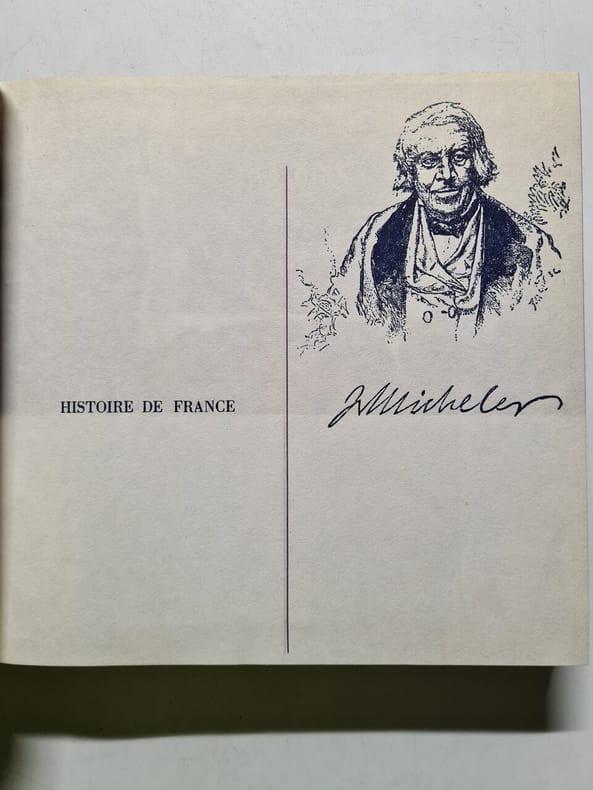
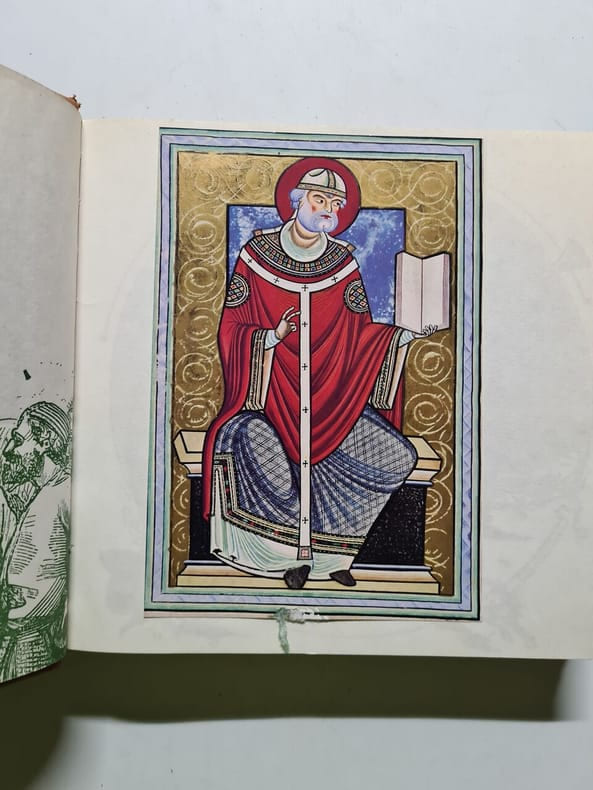
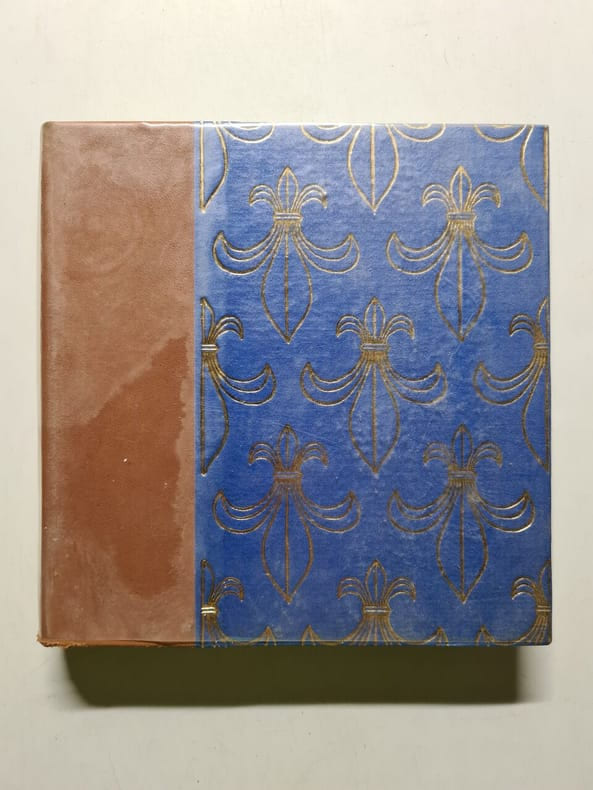
Sans date.
Reference : 500271505
Bon état
Bookseller's contact details
Démons et Merveilles
M. Christophe Ravignot
contact@demons-et-merveilles.com
07 54 32 44 40
Payment mode

Sale conditions
Rapidité d'envoi Tous nos articles sont expédiés le jour même de la confirmation de la commande Soin de l'emballage Un soin particulier est apporté à l'emballage, vos objets voyagent en toute sécurité. A votre écoute Si toutefois un incident devait survenir lors de l'acheminement de votre paquet, n'hésitez pas à nous contacter, nous mettrons tout en oeuvre pour vous satisfaire, en vous proposant un retour, un remboursement ou toute autre soluton à votre convenance. Professionnalisme Les livres que nous vendons sont pour la plupart des livres anciens, nous tâchons d'être le plus objectif possible quant à leur état.
5 book(s) with the same title
Oeuvres complètes de Chateaubriand - Tome dixième - Histoire de France - Les quatre stuarts - Vie de Rancé -
Garnier frères. Non daté. In-4. Broché. Etat d'usage, Couv. défraîchie, Dos abîmé, Rousseurs. 584 pages. frontispice en noir et blanc sous serpente. Dos avec mors légèrement fendus. Petits accrocs et déchirures sur les plats. Vendu en l'état.. . . . Classification Dewey : 840.08-XIX ème siècle
Nouvelle édition revue avec soin sur les éditions orginales précédée d'une étude littéraire sur Chateaubriand par M. Sainte Beuve / Tome dixième - Histoire de France - Les quatre stuarts - Vie de Rancé - Classification Dewey : 840.08-XIX ème siècle
Oeuvres complètes de Chateaubriand - Nouvelle édition, précédée d'une étude littéraire sur Chateaubriand par M. Sainte-Beuve - Tome 10 : Histoire de France - Les Quatre Stuarts - Vie de Rancé
Garnier Frères. Non daté. In-8. Broché. Etat d'usage, Couv. légèrement passée, Dos abîmé, Non coupé. 584 pages. Portrait en noir et blanc sous serpente en frontispice. Non daté. Dos plié et cassé, mors fendus.. . . . Classification Dewey : 840.08-XIX ème siècle
Classification Dewey : 840.08-XIX ème siècle
HISTOIRE MARITIME DE FRANCE - EN 4 VOLUMES : DU TOME PREMIER AU TOME QUATRE INCLUS / COMPRENANT L'HISTOIRE DES PROVINCES, DES VILLES MARITIMES, DES COLONIES - DES VOYAGES ET DES COMBATS DE MER.
DUFOUR ET MULAT. 1852-1858. In-4. Relié demi-cuir. Etat d'usage, Coins frottés, Dos frotté, Quelques rousseurs. 480 pages illustrées de nombreuses gravures en noir hors texte dont certaines sous serpente - Frontispices sous serpente / Coins et tranches frottés - Coiffes en tete et pied frottées / Auteru, titre, tomaison, fleurons, roulettes et filets dorés - Nombreuses pages jaunies en TOME II (sans réelle conséquence sur la lecture). . . . Classification Dewey : 386-Marine
"Depuis la fondation de Marseille, 600 ans avant J.-C., de la flibuste, des navigations, voyages autour du monde, naufrages célèbres, découvertes, colonisations, de la marine en général ... jusqu""à l""année 1850 / Nombresues gravures sur acier et de plans de bataille . Classification Dewey : 386-Marine"
Dictionnaire universel de commerce, contenant tout ce qui concerne le commerce qui se fait dans les quatre parties du monde, par terre, par mer, de proche en proche, & par des voyages au long cours, tant en gros qu'en détail. L'explication de tous les termes qui ont rapport au négoce, les monnayes de compte qui servent à y tenir les livres et écritures des marchands .... les productions .... les étoffes, ouvrages et manufactures .... les Compagnies de commerce tant français qu'étrangères .... avec l'histoire de leur établissement .... les banques .... les Chambres d'Assurances, le détail du commerce de la France .... l'établissement des six corps marchands et des cent-vingt-quatre communautés des Arts et métiers .... Les Édits, déclarations, ordonnances, arrêts et réglements. Ouvrage posthume, continué sur les mémoires de l'auteur par Ph.L. Savary. Nouvelle édition. Tome Premier [-Tome Troisième].
A Paris, Chez la Veuve Estienne et Fils, 1741. 3 volumes. (8), xxvii, (1), 544 pp., (545)-1140 numbered columns; (4) pp., 1772 numbered columns; (4) pp., 1316, 684 numbered columns. Folio. Contemporary marbled calf, spines gilt with raised bands, red labels with gilt lettering. Kress 4584; Goldsmiths 7819; not in Einaudi; not in INED. Jacques Savary (1622-1690) was for some time director of the French Royal Domains, and later became general business agent to the Duke of Mantua. He had such sound notions about commerce and was so successful in his operations that Colbert appointed him in 1670 in the "Conseil de la Reforme", which was to reform and refine the rules of commercial practice. The "Commercial Code" of 1673 resulting from it was called after him "Code Savary". He was then also pressed to write down and publish all his commercial knowledge, which pressure led to the publication of the famous Le parfait Négociant (1675). It taught everything a merchant should know, but only his left papers revealed to the world the immense and universal knowledge on commerce Savary possessed. The dictionary was immensely successful and covers all aspects of commerce and trade as well as legal and historical matters. Deals among others with: trading cities throughout the world, their manufactures, operation of foreign trade, trading companies (including a short history of the South Sea Company), banking (including an account of John Law's Bank), bookkeeping, etc. etc. The dictionary was the first of its kind to appear in Europe, and has furnished the principal part of the material for most of the dictionaries that were to follow. The project was sponsored by the French government who justly considered that such a dictionary, if well executed, would be of national importance. Hence a considerable, and indeed the most valuable portion of the work is compiled from memoirs sent to the author, by order of government, by the inspectors of manufactures in France and by the French consuls in foreign countries (see: McCulloch, p. 61). The dictionary is preceded, in volume one, with an elaborate, long (upto column 544) separate essay on the "État général du commerce de l'Europe" (and followed by the other continents Africa, Asia and the Americas). - Very small damage to head of spines of volumes 1 and 2.


(NVVA, )
Phone number : 31 20 698 13 75
Dictionnaire universel de commerce, contenant tout ce qui concerne le commerce qui se fait dans les quatre parties du monde, par terre, par mer, de proche en proche, & par des voyages au long cours, tant en gros qu'en détail. L'explication de tous les termes qui ont rapport au négoce, les monnayes de compte qui servent à y tenir les livres et écritures des marchands .... les productions .... les étoffes, ouvrages et manufactures .... les Compagnies de commerce tant français qu'étrangères .... avec l'histoire de leur établissement .... les banques .... les Chambres d'Assurances, le détail du commerce de la France .... l'établissement des six corps marchands et des cent-vingt-quatre communautés des Arts et métiers .... Les Édits, déclarations, ordonnances, arrêts et réglements. Ouvrage posthume, continué sur les mémoires de l'auteur par Ph.L. Savary. Nouvelle édition. Tome Premier [-Tome Troisième].
A Paris, Chez la Veuve Estienne et Fils, 1741. With nice head- and tailpieces. 3 volumes. (8), xxvii, (1), 544 pp., (545)-1140 numbered columns; (4) pp., 1772 numbered columns; (4) pp., 1316, 684 numbered columns. Folio. Contemporary marbled calf, spines gilt with raised bands, red labels with gilt lettering, red edges, joints, head and foot of spine and some corners repaired. Kress 4584; Goldsmiths 7819; not in Einaudi; not in INED. Jacques Savary (1622-1690) was for some time director of the French Royal Domains, and later became general business agent to the Duke of Mantua. He had such sound notions about commerce and was so successful in his operations that Colbert appointed him in 1670 in the "Conseil de la Reforme", which was to reform and refine the rules of commercial practice. The "Commercial Code" of 1673 resulting from it was called after him "Code Savary". He was then also pressed to write down and publish all his commercial knowledge, which pressure led to the publication of the famous Le parfait Négociant (1675). It taught everything a merchant should know, but only his left papers revealed to the world the immense and universal knowledge on commerce Savary possessed. The dictionary was immensely successful and covers all aspects of commerce and trade as well as legal and historical matters. Deals among others with: trading cities throughout the world, their manufactures, operation of foreign trade, trading companies (including a short history of the South Sea Company), banking (including an account of John Law's Bank), bookkeeping, etc. etc. The dictionary was the first of its kind to appear in Europe, and has furnished the principal part of the material for most of the dictionaries that were to follow. The project was sponsored by the French government who justly considered that such a dictionary, if well executed, would be of national importance. Hence a considerable, and indeed the most valuable portion of the work is compiled from memoirs sent to the author, by order of government, by the inspectors of manufactures in France and by the French consuls in foreign countries (see: McCulloch, p. 61). The dictionary is preceded, in volume one, by an elaborate, long (upto column 544) separate essay on the "État général du commerce de l'Europe" (and followed by other essays on the continents of Africa, Asia and the Americas). Ooii -Vviv in volume three with a wormtrack in the upper outer blank margin.
(NVVA, )
Phone number : 31 20 698 13 75

