 Write to the booksellers
Eliot Ness
Sommaire
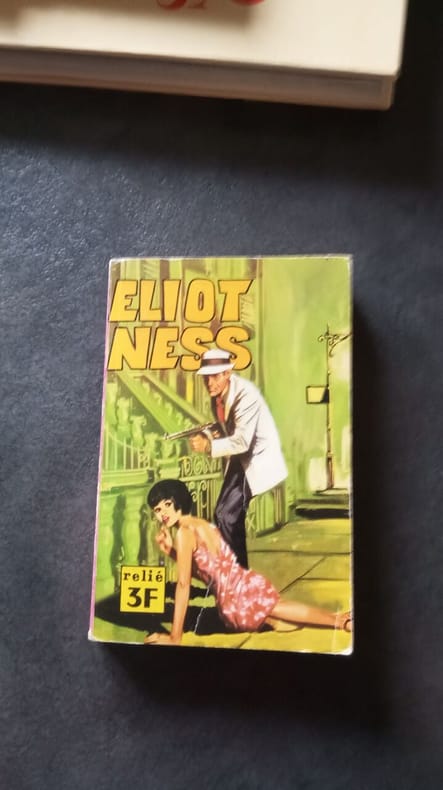
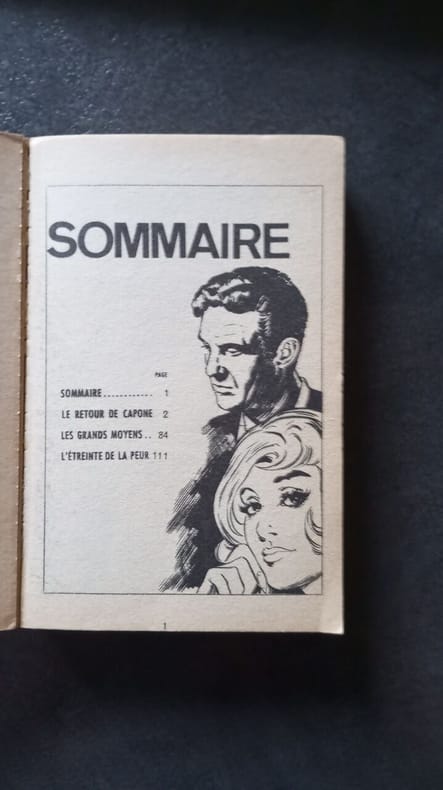
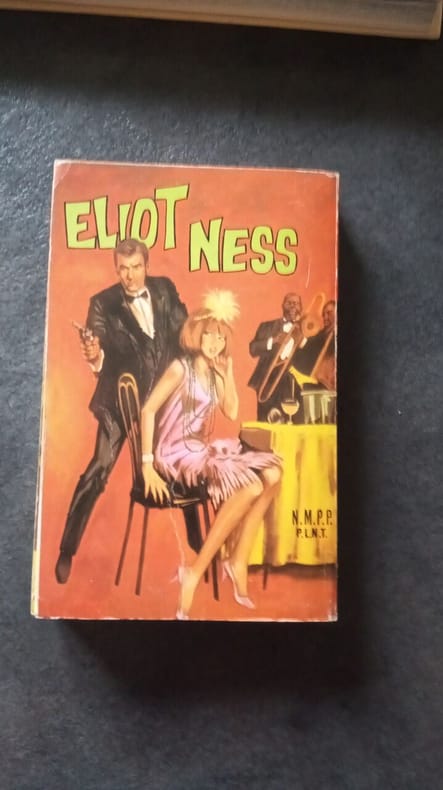
Sans date.
Reference : 500151401
Bon état
Bookseller's contact details
Démons et Merveilles
M. Christophe Ravignot
contact@demons-et-merveilles.com
07 54 32 44 40
Payment mode

Sale conditions
Rapidité d'envoi Tous nos articles sont expédiés le jour même de la confirmation de la commande Soin de l'emballage Un soin particulier est apporté à l'emballage, vos objets voyagent en toute sécurité. A votre écoute Si toutefois un incident devait survenir lors de l'acheminement de votre paquet, n'hésitez pas à nous contacter, nous mettrons tout en oeuvre pour vous satisfaire, en vous proposant un retour, un remboursement ou toute autre soluton à votre convenance. Professionnalisme Les livres que nous vendons sont pour la plupart des livres anciens, nous tâchons d'être le plus objectif possible quant à leur état.
5 book(s) with the same title
Divers écrits ou mémoires sur le livre intitulé Explication des maximes des saints, etc. Sommaire de la doctrine de ce livre en latin et en françois. Déclaration des sentimens de trois évesques, aussi en latin et en françois. Avec une préface sur l'instruction pastorale donnée à Cambray le 15 septembre 1697
Paris, Jean Anisson, 1698. 680 g In-8, plein veau, [19] ff., 34-cclviii-304 pp., [12] ff.. Edition originale. Verlaque, 60-61. Coiffes usés, fentes aux mors. . (Catégories : Religion, )
Traité de l'association domestique-agricole. 2 Vols. (+) Sommaire du traité de l'association domestique-agricole ou attraction industrielle. - [FOUNDING UTOPIAN SOCIALISM AND COINING ""FEMINIST""]
Paris, Bossange père"" Londres, Martin Bossange et Comp., 1822 & 1823. 8vo. [Traité:] Two lovely contemporary, uniform half calf bindings with gilding and blindstamped ornamentations to spines. ""E. C."" in gilt lettering to top of spine on both volumes + [Sommaire:] a bit later red half cloth with marbled paper over boards. Gilt title to spine. [Traité]: signed by the author on verso of half-title in vol. 1: ""Ch Fourier"". Title-page of vol. 1 with a small light brown stain (probably candle-starin), far from affecting lettering. Both volumes in lovely condition, with only very light occassional brownspoting. LXXX, 592 pp."" VIII, 648 pp. [Sommaire:] Title-page slightly browned, evenly. Otherwise very nice, clean, and fresh. 16 pp, pp. (1329) -1448 + 4 ff. (= (A8 (unnumbered) - on two leaves, first recto and second verso blank) + B8, C8, D8, E8).A lovely set.
Scarce first edition of Fourier's milestone work of political theory, which is considered a founding work of Utopian Socialism and a main inspiration for Marx. The work, which contains ""the essence of Fourier's doctrine"" (David Owen Evans, Social Romanticism in France 1830-1848, p. 129.), is here presented together with the exceedingly rare complete supplement, which was published the following year.It is in the ""Traité..."" that Fourier presents the revolutionary ideas that Marx were to adopt and use in his ""Kapital"", namely the theory of poverty and exploitation and its relation to the means of production. These same ideas are those that made Marx speak of Fourier's ""Gargantuan view of man"".It is due to the ""Traité de l'association"" that Fourier is considered one of the founding fathers of Utopian Socialism (being by far the most utopian of them)"" in his quest for a more equal society, he became one of the very first to defend things such as same-sex sexuality and the rights of women - in fact, it is Fourier that later coins the word ""Feministe"", while stating that the position of women in society was equal to that of slaves. Many of his publications preceded those of de Saint-Simon, Owens, and Marx, but his ideas seemed to find greater influence when interpreted by others. Due to the lack of success of the ""Traité"", Fourier decided, the following year, to publish the ""Sommaire"", in an attempt to draw attention to his revolutionary ideas in the ""Traité"". The ""Sommaire"" constitutes a short, more easily understood, summary, though also containing some additional new work. The ""Sommaire"" is often referred to as ""The Appendix"" to the ""Traité"" and is considered as belonging to that work. One of the central themes of the work is the thought of ""harmony"": ""The word harmonisme - here fully explained and described for the first time - was first applied to the highest of the passions or motives of humankind" then (as a synonym for Harmonie) to the ultimate stage of social evolution. The fortunate inhabitants of the perfected world he called harmoniens, a word coined in the present work. These words were duly translated by the Fourierites of other lands. Harmony, the Harmonic state, Harmonization, or integral contrasted association, were the terms used in the earliest English translations in 1841 to describe Fourier's proposed social system and Harmonism was employed in the 1850's. The inhabitants were spoken of as Harmonians" and Fourier's philosophy as a whole was sometimes described as the Harmonian Doctrine. Even the word harmonious was called into service as a technical term, one English disciple writing of a Harmonious Phalanx."" (Bestor, The Evolution of the Socialist Vocabulary, p. 264).Charles Fourier claimed to find inspiration in the exorbitant price of an apple in a Parisian restaurant and he convinced himself that he could design a more efficient way to produce and deliver goods. Unlike other socialists of his day, Fourier believed that the pursuit of self interest served as an effective incentive to productive work. He simply did not believe that the market economy of his day successfully mobilized the pursuit of self interest for the common good and he was offended by the low productivity of labor. He argued that most people were employed in deadening jobs that failed to fully utilize their energies, and that nearly two thirds of all workers were performing virtually useless tasks. A more efficient economic organization promised enormous benefits to all if only a benefactor capitalist would advance the money necessary to set up the first community or ''phalanstery''.Phalanxes, structures called Phalanstères or ""grand hotels"", were four level apartment complexes where the richest had the uppermost apartments and the poorest occupied the ground floor residence. Wealth was determined by one's job, jobs were assigned based on the interests and desires of the individual. There were incentives: jobs people might not enjoy doing would receive higher pay. Fourier considered trade, which he associated with Jews, to be the ""source of all evil"" and advocated that Jews be forced to perform farm work in the phalansteries. Furthermore he believed that there were twelve common passions which resulted in 810 types of character (it is not clear why exactly this number), so the ideal phalanx would have exactly 1620 people. One day there would be six million of these, loosely ruled by a world ""omniarch"", or a World Congress of Phalanxes.Fourier and his contemporaries such as Owen and Saint-Simon were named utopian socialist because of their visions of imaginary ideal societies. Many saw them as not being grounded in the material conditions of society and as reactionary. Despite Fourier's lacking sense of practicality his ideas profoundly influenced all later socialist political and economic though"" Not only was he immortalized by Marx, ""John Stuart Mill shared the same enthusiasm for Fourier as did the German Marx and Engels and the American George Ripley. Fourier's was ""the most skillfully combined, and with the greatest foresight of objections, of all the forms of Socialism."" (Feuer, The Influence of the American Communist Colonies on Engels and Marx, P. 466). Fourier's views inspired in the mid 19. century the founding of the communities in Utopia, Ohio, La Reunion near present-day Dallas, Texas and several other communities within the United States of America, including the North American Phalanx in Red Bank, New Jersey"" Brook Farm in West Roxbury, Massachusetts and the Community Place and Sodus Bay Phalanx in New York State.In the mid 20th Century, Fourier's influence began to rise again among writers appraising socialist ideas outside the Marxist doctrines. After the Surrealists had broken with the French Communist Party, André Breton turned to Fourier, writing Ode à Charles Fourier in 1947.""Traité de l'association domestique-agricole "":Kress C864 Goldsmiths 23694 Einaudi 1960 (including both works). ""Sommaire du traité"":Kress C1060Goldsmiths 23997.

[revue] Objets et Mondes tome 7 [tome VII] fascicule 1. Printemps 1967 (Auteurs: Sommaire: Jacques DOURNES, Claude ROBINEAU, Jacques MILLOT, Robert GESSAIN, Renée L. DOIZE)
Reference : 1357015
[revue] Objets et Mondes tome 7 [tome VII] fascicule 1. Printemps 1967. Sommaire: Jacques DOURNES, Pièges ches les Jörai. - Claude ROBINEAU, Culture matérielle des Djem de Souanké. - Jacques MILLOT, Ethnographie japonaise et XIè Congrès du Pacifique. - Robert GESSAIN, Sénégal 1966. - Renée L. DOIZE, Comment travaillait l'abbé Breuil.
Paris: Musée de l'Homme, Museum National d'Histoire Naturelle, 1967 in-4, illustrations. Broché, très bon état. Sommaire: Jacques DOURNES, Pièges ches les Jörai. - Claude ROBINEAU, Culture matérielle des Djem de Souanké. - Jacques MILLOT, Ethnographie japonaise et XIè Congrès du Pacifique. - Robert GESSAIN, Sénégal 1966. - Renée L. DOIZE, Comment travaillait l'abbé Breuil.
[revue] Objets et Mondes tome 7 [tome VII] fascicule 1. Printemps 1967. Sommaire: Jacques DOURNES, Pièges ches les Jörai. - Claude ROBINEAU, Culture matérielle des Djem de Souanké. - Jacques MILLOT, Ethnographie japonaise et XIè Congrès du Pacifique. - Robert GESSAIN, Sénégal 1966. - Renée L. DOIZE, Comment travaillait l'abbé Breuil. (Paris: Musée de l'Homme, Museum National d'Histoire Naturelle, 1967). [M.C.: revue, Ethnologie, Vietnam, Indochine, chasse, Gabon, Sénégal, Japon, préhistoire]
[Monik Rabasté] - COLLECTIF - VILBERT, Loïc-René, Directeur de la Publication - Illustration de couverture de Jean VERCEL
Reference : 47673
(1991)
Le Pays de Dinan - Tome III, VII, VIII, IX & XI- Années 1983, 1987, 1988, 1989 & 1991 - 5 Volumes1983 --- Sommaire : Bibliographie "" - Les premiers journaux dinanais au temps de la monarchie de Juillet - Manger à Plouer en 1928 - Une vieille maison de Dinan"e moyen-age" - Anne por vrauy, je fus nommée - Maurice de guérin - Rémi, le pikeur maen - Jeanne jugan - Le gallo et les gargailles - Les Leconte de lisle et Dinan - louis Thoreux - Céramiques sigillées découvertes à Corseul - Les remparts de Dinan.1987 --- Sommaire : Bibliographie "Pays de Dinan" - Botrel - Dinan retrouvé, photographies de J. Jéhan - Lettres sur Duclos, les femmes et les voyages - J. Nozal - A propos de Kowalski : l'oeuvre de L. Leroux - Les parentés bretonnes de Kowalski (1841/1916) - Jean alfred Agnès (1803/1872) - Les Coetquen - Du Guesclin : sa mort en Auvergne - T.-M. du Breil de Pontbriand, Colonel des chouans du Pays de Dinan - Luigi Odorici ( 1809/1882) - Sorcellerie et diablerie -histoire géologique du Pays de Dinan )1988 --- Sommaire : Bibliographie "Pays de Dinan" - L. Giblat (1879/1927) - P. Omnès (1900/1988), Les vies parallèles de F. Coadou - Un fabuliste plancoëtain : P. Bousset - Les Salésiens de don Bosco à Dinan (1891/1903) - Les Archéologues du XIX è explorent Dinan : P. Mérimée, A. de Caumont, A. Ramé - Saint-Judoce - Du XIV au XX : visites royales et princières - Aviation : Brindejonc des Moulinais - Denoual contre coupé - vivent les LIII députés des Ordres - Les du Breil de Pontbriand - Mde de Villemonble - La passage de napoléon III à Pleudihen - Patira, le trésor de l'abbaye & Jean Canada.1989 ---Sommaire : Bibliographie "" - La justice sous la Révolution dans le Pays de Dinan - Les prénoms révolutionnaires - Les chouans du Pays de Dinan - entre rance & Frémur (1939/1940) - Le poète G. Heullant (1907/1982) - R. Service : poète du Grand Nord Canadien & de la Ruée vers l'or - J. de Lavarende - Les dames de Kerrozen - Dom N. Jamin, Bénédictin de la congrégation de Saint-Maur (1712/1917) - A la rencontre de J. Vernachet (1863/1917) - Saint-Sauveur-de- Dinan.1991 --- Sommaire : Bibliographie "" - R. Jean VERCEL - F. du Breil de Marzan - Les Elégies mélancoliques de Guy de Villartray (1881/1907) - La chasse à courre : une tradition perpétuée par le Rallye-Armor - Le Manoir de la Grand'Cour en Taden - L'Amiral de La Bretonnière (1775/1851) - Sopuvenir d'enfance à vildé-Guingalan par le général Briand - 1939/1944 à Dinan - Projet de restauration pour l'église de Saint-Suliac - Dinan vu par des artistes anglais au XIX - P.-F. Morvan : imagier & breton de Paris - Pomme-de-la-Madeleine, Coeur-de-boeuf, Claque-pépin & autres - La cidrerie Cornic - Auront-ils encore le droit de "bouillir"?
1991 DINAN, L'Entente Culturelle du Pays de Dinan/Le Pays de Dinan - 1983 - In-8 - Broché - Couverture illustrée de Louis Guillard - Illustrations NB dans le texte et HT - 143 pages DINAN, L'Entente Culturelle du Pays de Dinan/Le Pays de Dinan - 1987 - In-8 - Broché - Couverture illustrée de André MACK- Illustrations NB dans le texte et HT - 227 pagesDINAN, L'Entente Culturelle du Pays de Dinan/Le Pays de Dinan - 1988 - In-8 - Broché - Couverture illustrée de Olivier SERY - Illustrations NB dans le texte et HT - 215 pagesDINAN, L'Entente Culturelle du Pays de Dinan/Le Pays de Dinan - 1989 - In-8 - Broché - Couverture illustrée de Robert JOSSEY - Illustrations NB dans le texte et HT - 295 pagesDINAN, L'Entente Culturelle du Pays de Dinan/Le Pays de Dinan - 1991 - In-8 - Broché - Couverture illustrée de Jean VERCEL - Illustrations NB dans le texte et HT - 255 pages
Conformément à nos conditions générales de vente :Les frais de port sont affichés à titre indicatif. Il se peut que nous devions vous contacter pour vous informer du coût de laffranchissement supplémentaire en fonction du poids et du nombre de livres, surtout pour les envois internationaux Cependant vu l'augmentation des tarifs postaux à l'internationale, nous pouvons expédier les ouvrages en point relais MONDIAL RELAY pour les pays suivants : Allemagne, Autriche, Belgique, Espagne, Italie, Luxembourg, Pays-Bas, Pologne, et Portugal. Merci de nous indiquer en retour le point relais choisi ainsi que votre numéro de téléphone mobile & adresse Courriel pour assurer le suivi du colis.N'hésitez pas à nous interroger.In accordance with our general terms and conditions of sale:Shipping costs are displayed for informational purposes only. We may need to contact you to inform you of the additional postage costs depending on the weight and number of books, especially for international shipments.However, given the increase in international postal rates, we can ship books via Mondial Relay to the following countries: Germany, Austria, Belgium, Spain, Italy, Luxembourg, Netherlands, Poland, and Portugal. Please provide us with your chosen Mondial Relay point, as well as your mobile phone number and email address to ensure package tracking.Please feel free to contact us with any questions
[ Recueil de 7 volumes d'Anciens Mémoires, Précis, Consultations relatifs à des affaires judiciaires dans le département de la Somme et régions limitrophes, de 1755 à 1813. Contient notamment : ] Tome I 1755-1773 : Mémoire pour Maître Bourdon, Greffier en chef de l'Hôtel de Ville de Péronne 1755 - Arrests de la Cour de Parlement portant défenses aux nommés Bazin, De La Sauvagère, Mormont & De Renty de récidiver leurs Libelles & diffammations - Sommaire pour Me Jean-Baptiste Ropiquet, Procureur en la Cour contre Messire De La Folie de Vorme, Seigneur de Reincheval - Sommaire pour Jacques Maillard, Fermier de la Ferme de Renancourt - Précis sur Délibéré pour le Sieur Gallot & les Héritiers du Sr Savoye, Propriétaires des Moulins bannaux du Bourg d'Ault - Mémoire pour Me Etienne Lalau, Prêtre Chapelain de la Cathédrale d'Amiens - Mémoire pour la Dame veuve Masset et les Sieurs Masset... tous Marchands Commissionnaires à Saint-Valéry sur Somme, Intimés Contre la prétendue Communauté des Gribaniers de la même Ville - Mémoire sur Délibéré pour le Sieur Dubus Avocat en Parlement... Elu en l'Election de Senlis - Observations Sommaires pour les Habitans, Corps & Communautés d'Wavant & Beauvoir-Rivière contre le Vicomte de Marle & la Dame son Epouse - Mémoire et Consultation pour M. Luneau de Boisjermain, Soucripteur de l'Encyclopédie contre le Sieur Briasson et le Sieur Lebreton - Mémoire pour Me Boistel, Ecuyer, Seigneur de Belloy-sur-Somme, Avocat en Parlement au Bailliage & Siège Présidial d'Amiens - Mémoire pour les Maïeurs & Echevins de la Ville d'Abbeville, Défendeurs ; contre le receveur Général des Domaines & Bois de la Généralité de Picardie - Mémoire pour les Maire, Echevins et Officiers Municipaux de la Ville d'Amiens, Intervenans, contre le Sieur Le Seneschal, Receveur Général des Domaines & Bois de Picardie, Demandeur - Précis pour Me Jean-Baptiste Hesse, Curé d'Agnière, Doyen de Chrétienté de Grandvilliers - Précis pour les Srs Claude & Balthazar Picquet Seigneurs de Belloy-sur-Somme - Mémoire pour le Marquis de Gouy contre la Marquise de Gouy, par Le Go, Procureur. 1772 - Addition au Mémoire par De Vergès et Linguet - A Messieurs les Grands Bailli, Lieutenant-Particulier & Hommes de Fiefs, Gradués de la Gouvernance & Bailliage Royal d'Arras. 1773 - Mémoire signifié pour les Sieurs Dégardin, Bailli-Général de la Châtellenie & Comté d'Oisy - Mémoire pour le Sieur Ducandas, Chanoine de l'église Cathédrale d'Amiens - etc... ; Tome II 1774-1777 : Consultation pour le Marquis de Soyecourt 1774 - Mémoire pour la Communauté des Procureurs au Parlement contre les Prévot et Echevins de la Ville de Paris, les Conseillers et Quartiniers, les Six Corps des Marchands, De l'Imprimerie de Louis-Charles Caron, Amiens, 1774 - Mémoire pour Anéglique Gallet,Veuve Clément, Contre Joseph & Jean-Baptiste Leroi, neveux & héritiers de Me Jean-Baptiste Leroi, en son vivant Curé de Warloy 1774 - Mémoire pour le Sieur Louis-Pierre-François Assegond Marchand Corroyeyr à Dieppe Contre Charles Duval, Marchand Tanneur à Blangy en Normandie - Mémoire sur Délibéré pour le Sieur Jean Marchant du Casseau, Avocat en Parlement, Intimé, Contre Timothée Girault, ci-devant Meunier du moulin de Saint-Eloy de Ferrière, Appelant, et les Abbé Prieur & Religieux de l'Abbaye Royale de Ferriere - Précis pour Gabriel Bos é Consors intimés Contre Me Jean Martin, Prêtre, Curé d'Allenay, appellant et contre Firmin Machet, Ménager à Bourseville - Mémoire pour les Maire, Echevins, Habitans & Corps commun de la Ville d'Albert en Auvergne contre M. le Comte de Merle, Brigadier des Armée du Roi, ci-devant son Ambassadeur en la Cour de Portugal 1775 - Précis pour la Demoiselle Elizabeth Mouret, Demanderesse, Contre Maître Watier & le Sieur Calixte Vilbault, dit Condé - Observations pour le Receveur-Général des Domaines & Bois de la Généralité d'Amiens, Demandeur, Contre le Sieur François-Alexandre de Bucy, Chevalier, Seigneur de Villers-Saint-Christophe, 1755 - Réponses Sommaires du Sieur de Bucy, Chevalier, Seigneur de Villers, aux Observations du Sieur le Sénéchal - Extrait de Titres et Observations Sommaires pour Monsieur le Comte de Crequi Canaples contre les Habitans de Beauquêne 1775 - Mémoire pour la Comtesse de Béthune, De l'Imprimerie de Philippe-Denys Pierres, Paris, Seguier, Avocat, Linguet Avocat 1775 - lettre de M . le Président de Meinières à Madame la Comtesse de Béthune - Mémoire pour la Comtesse de Béthune, Seconde Partie - Observations sur un Imprimé ayant pour titre : Mémoire pour Me Gerbier ancien Avocat, De l'Imprimerie de Philippe-Denys Pierres, Paris, 1775 - Supplêment aux Réflexions pour Me Linguet, Avocat de la Comtesse de Béthune - Mémoire pour la ville d'Amiens 1776 - Mémoire pour le sieur Isidore-Parfait Mimerel Chapelain de la Chapelle de Notre-Dame, dite de l'Aurore, érigée dans l'Eglise Cathédrale d'Amiens, Défendeur, contre le Sieur Asselin, Vicaire de la Paroisse de Notre-Dame, 1776 - Précis pour le Sieur Flesselle, Entrepreneur de l'un des Manufactures de la Ville d'Amiens, & encore les Sieurs Mercier & Doucet tous deux Voituriers au Village de Saint-Maurice-lès-Amiens, Contre les soi-disant Compagnons Fluqueurs & Déchargeurs de la Ville d'Amiens 1776 - Affaire très-intéressante pour le Commerce, en ce que l'Arrêt à intervenir doit faire réglement 1776 - mémoire pour les Syndic, Habitans, Corps & Communauté de la Paroisse de Vaux sous Amiens , Contre les Abbé, Prieurs & Religieux de l'Abbaye de Saint Jean d'Amiens, Ordre de Prémontré 1776 - Mémoire pour Firmin Sannier, Laboureur demeurant au Village de Métigny-Laleu, Défendeur, 1777 - Mémoire Me Cochepin, Seigneu de Métigny 1777 (avec plan dépliant en couleurs) - Mémoire Signié pour Sieur Louis-Robert Cocu, ci-devant négociant à Amiens, Appellant, contre Louis Vautour, Marchand de Modes à la même ville, 1777 - Précis pour Messie Vollant de Bervill, Marquis de Lisbourg, contre Messire Marie de Berne, Ecuyer, Seigneur de Lahaye - Précis pour la Dame Veuve du Comte de Fercourt, Tutrice de ses Enfans Mineurs, Défendresse, contre le Sieur Papin de Caumesnil, Demandeur - Précis dans l'Instance sur sur Référé pour le Sieur de La Morlière, Teinturier à Amiens, Contre le Sieur Cordier Duflos, Négociant à Abbeville 1777 - Précis pour les Frères Coquillard, Négocians à Amiens ; Tome III 1777 - 1783 : Précis pour le Sieur de Crocquoison de la Cour de Fiefs 1778 - Mémoire sur Délibéré pour les Sieurs Auguste & Augustin Coquillart, Frères, Négocians à Amiens, Appelans 1779 - Mémoire pour Jean-Baptiste Morgan, Ecuyer, Seigneur de Frucourt, Dondelainville & Warcheville, demeurant à Amiens, Contre le Sieur Sanson Leprince, Agent de Change, demeurant audit Amiens 1779 avec grand plan dépliant en couleurs - Mémoire signifié pour le Sieur Henry, Bourgois d'Amiens, Défendeur, contre le sieur Dotttin, 1779 - Précis pour les Habitans de Vignacourt, contre Philippe Duboisle, Habitant dudit lieu, et contre le Sieur de Famechon, Chevalier, Seigneur de Canteleu, Etouvi & autres lieux - Mémoire pour Me Pierre Bardoux, Notaire Royal au Bailliage d'Amiens, à la résidence de Fienvillez, et pour Jean-Baptiste Bardoux, Majeur Coutumier vivant de son Bien, contre Augustin Destrée, Tisserand, demeurant au village de Fief 1779 - Mémoire sur Appointement à mettre pour les Sieurs Paillieux négocians contre le Sieur Florimond d'Wailly, Fabricant, demeurant à Saint-Maurice-les Amiens, 1779 - Plaidoyer pour le Sieur Jean Tranel contre le Sieur de Portelance 1773 (nombreux mémoires sur la même affaire) - Mémoire pour les Officiers de la Sénéchaussée de Ponthieu & Siège Présidial d'Abbeville Contre Me Lavernier, Notaire Royal en la même ville 1780 - Mémoire pour Messire Louis-François Pingré, Ecuyer, Seigneur de Fricamps, La Houssoye, Vadancourt, Dutronquoy et autres lieux, 1781 - Mémoire signifié pour les Syndics, Habitans, Corps & Communautés du Bourg d'Auxi-le-Château, Picardie & Artois contre Messire Charles-Antoine, 1782 - Mémoire pour François Demonchy, Laboureu, demeurant à Woignarue, contre Jean-Baptiste Boinat, Tisserand, demeurant à Chepy, contre les Sieurs Navier du Coudray et Jean-Gaspard Testard-Desportes, intéressés dans les affaires du Roi, fermiers de la Mense Abbatiale de Saint-Valéry-sur-Somme, 1782 - Précis pour Adrien d'Arragon, Maître Sellier demeurant à Lignières-Châtelain, Conre Alexis Mouret, ci-devant Domestique à Paris, 1782 - Mémoire pour le Sieur Pierre-François Beauvarlet, Marchand Cirier, demeurant Abbeville, contre ses soeurs - Précis pour le sieur Nicolas Boulnois, Négociant à Sarcus en Picardie, contre le Sieur Robert, Négociant, ci-devant à Amiens, depuis à Philadelphie en Pensylvanie, & actuellement à Amiens, 1782 - Mémoire signifié pour Demoiselle Pélagie Monchaux, veuve du Sieur carretten Laboureur au village de Bussun contre Nicolas-Joseph Carrette, Laboureur, demeurant au village de Noyelles-en-Chaussée - Consulation pour Jean-Baptiste Boint, Tisserand à Chepy, 1783 - etc. ; Tome III bis 1776 - 1783 [ Recueil d'une vingtaine de mémoires, réponses ou consultations sur l'Affaire de la Baronie de Picquigny vendue au Comte d'Artois ] : Consutlations pour le Sr Calmer, Seigneur de la Baronie de Picquigny & du Vidamé d'Amiens, sur la question de savoir s'il est dû un droit de Quint & Requint à M. l'Evêque d'Amiens, pour la vente faite au prix de 1500500 livres de la Baronie de Picquigny, du Vidamé d'Amiens & dépendances, tenus en un seul Fief de son Evêché, 1776 - etc ; Tome IV 1784-1792 : Mémoire pour le Sr Bernard de Nolongue contre Bernard de Cléry, 1784 - Mémoire pour Messire Danzel Vicomte de Boismont, demeurant en son Château au Village d'Aigneville, 1784 - Requête au Roi et Pièce Justificative pour le Marquis de Wargemont ; contre le Comte de Wargemont, en présence de Monsieur le Comte d'Artois, 1785 - Mémoire pour Me De La Haye, Ecuyer, Seigneur de Vaulx-sous-Corbie, Sailly-le-Secq, 1785 - Mémoire et Consultation pour les Engagistes du Greffe des Présentations d'Amiens, 1786 - Mémoire Signifié pour Pierre-Marie Delahaye, Ecuyer, Seigneur de Molliens-le-Vidame, contre Langlois Seigneur de Courcelles - Mémoire Signifié pour les Seigneurs, Syndic, Habitans, Corps et Communauté du Village de l'Hortoy, Contre Me Antoine Marminia, Prêtre, Vicaire perpétuel à portions congrue de la Warde-Mauger, & Curé seul gros Décimateur de la Paroisse de l'Hortoy, 1787 - Mémoire pour Me Léonor Scribe, Notaire au Bailliage d'Amiens, 1787 - Mémoire pour le Sieur Brandicourt, Curé de Saint-Firmin le Confesseur, à Amiens, 1788 - Mémoire à Consulter pour Claude Boullet, Ecuyer, Sieur de Lamothe - Mémoire à Consulter et consultation contre les Srs Administrateurs de l'Hôpital-Général d'Amiens, 1789 - Mémoire pour les sieurs de Vermont contre le Sieur de Morel de Foucaucourt, 1789 - Mémoire pour le Sieur Delamarre, Laboureur à Sarcus, contre le Marquis de Grasse, 1789 - Observations des Sieurs Eloy-Louis et Dominique-César Leleu Frères, négocians, Sur un écrit intitulé "Second Mémoire pour les Maîtres Boulangers", 1789 - Compte-Rendu au Public par les Sieurs Leleu sur l'établissement des Moulins de Corbeil, 1789 - Rapport fait au Roi, par M. Taboureau, Contrôleur Général, le 23 Février 1777 - Réflexions d'un Citoyen sur la conduite du Peuple envers M. Jourdain de Leloge, Négociant à Amiens, 1789 - Mémoire pour le Sieur Jean Baptiste Alexandre Leleu Fils, Négociant & Consul en exercice de la Ville d'Amiens, 1789 - Réplique du Sieur Caron-Berquier, imprimeur, 1790 - Mémoire pour M. Bussilot, négociant à Amiens, 1790 - Observations de Germai-Louis Chambosse, receveur du district d'Amiens ; Tome V An 4 - 1806 : Précis servant de réponse pour le Cotoyen Guidé le jeune, Négociant demeurant à Amiens contre le Citoyen Barbieux, Négociant à Lille, An IV - Mémoire sur délibéré pour les Héritiers d'Honoré Delaporte contre les Enfan Lesouef - Mémoire à consulter et consultation pour les citoyens Durieux le jeune, et Morgan, négocians à Amiens, Contre la citoyenne Dujardin du Royal, an VI - Mémoire à Consulter, pour les intéressés à la Manufacture de draps et ratines d'Andely, stipulés et representés par les citoyens Ribard et Levieux, Négociants à Rouen - Mémoire à Consulter et Consultation pour le Citoyen Mille Marchand à Amiens, contre les Citoyens Mallet-Dessommes et Rousseau, An VII - Mémoire présenté à la Commission consulaire exécutive de la République Française, par les négocians et manufacturiers d'Amiens, An VIII - Mémoire pour le Cotoyen Pierre Louis, Négociant demeurant à Lille, contre le Citoyen Ladame, Négociant demeurant à Amiens An VIII - Mémoire pour Jean-Baptiste Canaples ci-devant Marchand à Oisemont contre Villeret, Cultivateur demeurant à Avelège, An IX - Réhabilitation Coulon Frères, An XI - Mémoire pour François-Joseph Lecus, Agent de Change, à Abbeville, Demandeur en Cassation, etc. - Tome VI 1806-1813 : Mémoire en réponse pour les Frères Enfantin, Demandeurs en homologation, poursuites et diligences de marcel Enfantin, l'un deux, Liquidateur, contre le Sieur Herbel fils - Affaire Veuve Dewarsy contre Poujol D'Avankerque (nombreux mémoires) - Mémoire pour Mme De Bussy de Folleville contre Musnier, Général de Division - Résumé pour Charpentier, Comte de l'Empire, Général de Division, contre Brayer Maison Neuve demeurant à Soissons - Précis pour le Sieur Dumoiron contre le Sieur Stubert - Consultation pour MM les Syndics à la Faillite de la Maison Virnot de Lille - Précis pour le Sieur Jean-Baptiste Laurent, ancien Négociant demeurant à Amiens - Conclusions motivées pour les Habitans de la Commune de Magny-le-Freule, etc...
7 vol. in-4 reliure uniforme début XIXe demi-basane marron, dos lisse orné numéroté de 1 à 6 avec un 3bis. Détail [ Contient Notamment ] : Tome I 1755-1773 : Mémoire pour Maître Bourdon, Greffier en chef de l'Hôtel de Ville de Péronne 1755 - Arrests de la Cour de Parlement portant défenses aux nommés Bazin, De La Sauvagère, Mormont & De Renty de récidiver leurs Libelles & diffammations - Sommaire pour Me Jean-Baptiste Ropiquet, Procureur en la Cour contre Messire De La Folie de Vorme, Seigneur de Reincheval - Sommaire pour Jacques Maillard, Fermier de la Ferme de Renancourt - Précis sur Délibéré pour le Sieur Gallot & les Héritiers du Sr Savoye, Propriétaires des Moulins bannaux du Bourg d'Ault - Mémoire pour Me Etienne Lalau, Prêtre Chapelain de la Cathédrale d'Amiens - Mémoire pour la Dame veuve Masset et les Sieurs Masset... tous Marchands Commissionnaires à Saint-Valéry sur Somme, Intimés Contre la prétendue Communauté des Gribaniers de la même Ville - Mémoire sur Délibéré pour le Sieur Dubus Avocat en Parlement... Elu en l'Election de Senlis - Observations Sommaires pour les Habitans, Corps & Communautés d'Wavant & Beauvoir-Rivière contre le Vicomte de Marle & la Dame son Epouse - Mémoire et Consultation pour M. Luneau de Boisjermain, Soucripteur de l'Encyclopédie contre le Sieur Briasson et le Sieur Lebreton - Mémoire pour Me Boistel, Ecuyer, Seigneur de Belloy-sur-Somme, Avocat en Parlement au Bailliage & Siège Présidial d'Amiens - Mémoire pour les Maïeurs & Echevins de la Ville d'Abbeville, Défendeurs ; contre le receveur Général des Domaines & Bois de la Généralité de Picardie - Mémoire pour les Maire, Echevins et Officiers Municipaux de la Ville d'Amiens, Intervenans, contre le Sieur Le Seneschal, Receveur Général des Domaines & Bois de Picardie, Demandeur - Précis pour Me Jean-Baptiste Hesse, Curé d'Agnière, Doyen de Chrétienté de Grandvilliers - Précis pour les Srs Claude & Balthazar Picquet Seigneurs de Belloy-sur-Somme - Mémoire pour le Marquis de Gouy contre la Marquise de Gouy, par Le Go, Procureur. 1772 - Addition au Mémoire par De Vergès et Linguet - A Messieurs les Grands Bailli, Lieutenant-Particulier & Hommes de Fiefs, Gradués de la Gouvernance & Bailliage Royal d'Arras. 1773 - Mémoire signifié pour les Sieurs Dégardin, Bailli-Général de la Châtellenie & Comté d'Oisy - Mémoire pour le Sieur Ducandas, Chanoine de l'église Cathédrale d'Amiens - etc... ; Tome II 1774-1777 : Consultation pour le Marquis de Soyecourt 1774 - Mémoire pour la Communauté des Procureurs au Parlement contre les Prévot et Echevins de la Ville de Paris, les Conseillers et Quartiniers, les Six Corps des Marchands, De l'Imprimerie de Louis-Charles Caron, Amiens, 1774 - Mémoire pour Anéglique Galletn Veuve Clément, Contre Joseph & Jean-Baptiste Leroi, neveux & héritiers de Me Jean-Baptiste Leroi, en son vivant Curé de Warloy 1774 - Mémoire pour le Sieur Louis-Pierre-François Assegond Marchand Corroyeyr à Dieppe Contre Charles Duval, Marchand Tanneur à Blangy en Normandie - Mémoire sur Délibéré pour le Sieur Jean Marchant du Casseau, Avocat en Parlement, Intimé, Contre Timothée Girault, ci-devant Meunier du moulin de Saint-Eloy de Ferrière, Appelant, et les Abbé Prieur & Religieux de l'Abbaye Royale de Ferriere - Précis pour Gabriel Bos é Consors intimés Contre Me Jean Martin, Prêtre, Curé d'Allenay, appellant et contre Firmin Machet, Ménager à Bourseville - Mémoire pour les Maire, Echevins, Habitans & Corps commun de la Ville d'Albert en Auvergne contre M. le Comte de Merle, Brigadier des Armée du Roi, ci-devant son Ambassadeur en la Cour de Portugal 1775 - Précis pour la Demoiselle Elizabeth Mouret, Demanderesse, Contre Maître Watier & le Sieur Calixte Vilbault, dit Condé - Observations pour le Receveur-Général des Domaines & Bois de la Généralité d'Amiens, Demandeur, Contre le Sieur François-Alexandre de Bucy, Chevalier, Seigneur de Villers-Saint-Christophe, 1755 - Réponses Sommaires du Sieur de Bucy, Chevalier, Seigneur de Villers, aux Observations du Sieur le Sénéchal - Extrait de Titres et Observations Sommaires pour Monsieur le Comte de Crequi Canaples contre les Habitans de Beauquêne 1775 - Mémoire pour la Comtesse de Béthune, De l'Imprimerie de Philippe-Denys Pierres, Paris, Seguier, Avocat, Linguet Avocat 1775 - lettre de M . le Président de Meinières à Madame la Comtesse de Béthune - Mémoire pour la Comtesse de Béthune, Seconde Partie - Observations sur un Imprimé ayant pour titre : Mémoire pour Me Gerbier ancien Avocat, De l'Imprimerie de Philippe-Denys Pierres, Paris, 1775 - Supplêment aux Réflexions pour Me Linguet, Avocat de la Comtesse de Béthune - Mémoire pour la ville d'Amiens 1776 - Mémoire pour le sieur Isidore-Parfait Mimerel Chapelain de la Chapelle de Notre-Dame, dite de l'Aurore, érigée dans l'Eglise Cathédrale d'Amiens, Défendeur, contre le Sieur Asselin, Vicaire de la Paroisse de Notre-Dame, 1776 - Précis pour le Sieur Flesselle, Entrepreneur de l'un des Manufactures de la Ville d'Amiens, & encore les Sieurs Mercier & Doucet tous deux Voituriers au Village de Saint-Maurice-lès-Amiens, Contre les soi-disant Compagnons Fluqueurs & Déchargeurs de la Ville d'Amiens 1776 - Affaire très-intéressante pour le Commerce, en ce que l'Arrêt à intervenir doit faire réglement 1776 - mémoire pour les Syndic, Habitans, Corps & Communauté de la Paroisse de Vaux sous Amiens , Contre les Abbé, Prieurs & Religieux de l'Abbaye de Saint Jean d'Amiens, Ordre de Prémontré 1776 - Mémoire pour Firmin Sannier, Laboureur demeurant au Village de Métigny-Laleu, Défendeur, 1777 - Mémoire Me Cochepin, Seigneu de Métigny 1777 (avec plan dépliant en couleurs) - Mémoire Signié pour Sieur Louis-Robert Cocu, ci-devant négociant à Amiens, Appellant, contre Louis Vautour, Marchand de Modes à la même ville, 1777 - Précis pour Messie Vollant de Bervill, Marquis de Lisbourg, contre Messire Marie de Berne, Ecuyer, Seigneur de Lahaye - Précis pour la Dame Veuve du Comte de Fercourt, Tutrice de ses Enfans Mineurs, Défendresse, contre le Sieur Papin de Caumesnil, Demandeur - Précis dans l'Instance sur sur Référé pour le Sieur de La Morlière, Teinturier à Amiens, Contre le Sieur Cordier Duflos, Négociant à Abbeville 1777 - Précis pour les Frères Coquillard, Négocians à Amiens ; Tome III 1777 - 1783 : Précis pour le Sieur de Crocquoison de la Cour de Fiefs 1778 - Mémoire sur Délibéré pour les Sieurs Auguste & Augustin Coquillart, Frères, Négocians à Amiens, Appelans 1779 - Mémoire pour Jean-Baptiste Morgan, Ecuyer, Seigneur de Frucourt, Dondelainville & Warcheville, demeurant à Amiens, Contre le Sieur Sanson Leprince, Agent de Change, demeurant audit Amiens 1779 avec grand plan dépliant en couleurs - Mémoire signifié pour le Sieur Henry, Bourgois d'Amiens, Défendeur, contre le sieur Dotttin, 1779 - Précis pour les Habitans de Vignacourt, contre Philippe Duboisle, Habitant dudit lieu, et contre le Sieur de Famechon, Chevalier, Seigneur de Canteleu, Etouvi & autres lieux - Mémoire pour Me Pierre Bardoux, Notaire Royal au Bailliage d'Amiens, à la résidence de Fienvillez, et pour Jean-Baptiste Bardoux, Majeur Coutumier vivant de son Bien, contre Augustin Destrée, Tisserand, demeurant au village de Fief 1779 - Mémoire sur Appointement à mettre pour les Sieurs Paillieux négocians contre le Sieur Florimond d'Wailly, Fabricant, demeurant à Saint-Maurice-les Amiens, 1779 - Plaidoyer pour le Sieur Jean Tranel contre le Sieur de Portelance 1773 (nombreux mémoires sur la même affaire) - Mémoire pour les Officiers de la Sénéchaussée de Ponthieu & Siège Présidial d'Abbeville Contre Me Lavernier, Notaire Royal en la même ville 1780 - Mémoire pour Messire Louis-François Pingré, Ecuyer, Seigneur de Fricamps, La Houssoye, Vadancourt, Dutronquoy et autres lieux, 1781 - Mémoire signifié pour les Syndics, Habitans, Corps & Communautés du Bourg d'Auxi-le-Château, Picardie & Artois contre Messire Charles-Antoine, 1782 - Mémoire pour François Demonchy, Laboureu, demeurant à Woignarue, contre Jean-Baptiste Boinat, Tisserand, demeurant à Chepy, contre les Sieurs Navier du Coudray et Jean-Gaspard Testard-Desportes, intéressés dans les affaires du Roi, fermiers de la Mense Abbatiale de Saint-Valéry-sur-Somme, 1782 - Précis pour Adrien d'Arragon, Maître Sellier demeurant à Lignières-Châtelain, Conre Alexis Mouret, ci-devant Domestique à Paris, 1782 - Mémoire pour le Sieur Pierre-François Beauvarlet, Marchand Cirier, demeurant Abbeville, contre ses soeurs - Précis pour le sieur Nicolas Boulnois, Négociant à Sarcus en Picardie, contre le Sieur Robert, Négociant, ci-devant à Amiens, depuis à Philadelphie en Pensylvanie, & actuellement à Amiens, 1782 - Mémoire signifié pour Demoiselle Pélagie Monchaux, veuve du Sieur carretten Laboureur au village de Bussun contre Nicolas-Joseph Carrette, Laboureur, demeurant au village de Noyelles-en-Chaussée - Consulation pour Jean-Baptiste Boint, Tisserand à Chepy, 1783 - etc. ; Tome III bis 1776 - 1783 [ Recueil d'une vingtaine de mémoires, réponses ou consultations sur l'Affaire de la Baronie de Picquigny vendue au Comte d'Artois ] : Consutlations pour le Sr Calmer, Seigneur de la Baronie de Picquigny & du Vidamé d'Amiens, sur la question de savoir s'il est dû un droit de Quint & Requint à M. l'Evêque d'Amiens, pour la vente faite au prix de 1500500 livres de la Baronie de Picquigny, du Vidamé d'Amiens & dépendances, tenus en un seul Fief de son Evêché, 1776 - etc ; Tome IV 1784-1792 : Mémoire pour le Sr Bernard de Nolongue contre Bernard de Cléry, 1784 - Mémoire pour Messire Danzel Vicomte de Boismont, demeurant en son Château au Village d'Aigneville, 1784 - Requête au Roi et Pièce Justificative pour le Marquis de Wargemont ; contre le Comte de Wargemont, en présence de Monsieur le Comte d'Artois, 1785 - Mémoire pour Me De La Haye, Ecuyer, Seigneur de Vaulx-sous-Corbie, Sailly-le-Secq, 1785 - Mémoire et Consultation pour les Engagistes du Greffe des Présentations d'Amiens, 1786 - Mémoire Signifié pour Pierre-Marie Delahaye, Ecuyer, Seigneur de Molliens-le-Vidame, contre Langlois Seigneur de Courcelles - Mémoire Signifié pour les Seigneurs, Syndic, Habitans, Corps et Communauté du Village de l'Hortoy, Contre Me Antoine Marminia, Prêtre, Vicaire perpétuel à portions congrue de la Warde-Mauger, & Curé seul gros Décimateur de la Paroisse de l'Hortoy, 1787 - Mémoire pour Me Léonor Scribe, Notaire au Bailliage d'Amiens, 1787 - Mémoire pour le Sieur Brandicourt, Curé de Saint-Firmin le Confesseur, à Amiens, 1788 - Mémoire à Consulter pour Claude Boullet, Ecuyer, Sieur de Lamothe - Mémoire à Consulter et consultation contre les Srs Administrateurs de l'Hôpital-Général d'Amiens, 1789 - Mémoire pour les sieurs de Vermont contre le Sieur de Morel de Foucaucourt, 1789 - Mémoire pour le Sieur Delamarre, Laboureur à Sarcus, contre le Marquis de Grasse, 1789 - Observations des Sieurs Eloy-Louis et Dominique-César Leleu Frères, négocians, Sur un écrit intitulé "Second Mémoire pour les Maîtres Boulangers", 1789 - Compte-Rendu au Public par les Sieurs Leleu sur l'établissement des Moulins de Corbeil, 1789 - Rapport fait au Roi, par M. Taboureau, Contrôleur Général, le 23 Février 1777 - Réflexions d'un Citoyen sur la conduite du Peuple envers M. Jourdain de Leloge, Négociant à Amiens, 1789 - Mémoire pour le Sieur Jean Baptiste Alexandre Leleu Fils, Négociant & Consul en exercice de la Ville d'Amiens, 1789 - Réplique du Sieur Caron-Berquier, imprimeur, 1790 - Mémoire pour M. Bussilot, négociant à Amiens, 1790 - Observations de Germai-Louis Chambosse, receveur du district d'Amiens ; Tome V An 4 - 1806 : Précis servant de réponse pour le Cotoyen Guidé le jeune, Négociant demeurant à Amiens contre le Citoyen Barbieux, Négociant à Lille, An IV - Mémoire sur délibéré pour les Héritiers d'Honoré Delaporte contre les Enfan Lesouef - Mémoire à consulter et consultation pour les citoyens Durieux le jeune, et Morgan, négocians à Amiens, Contre la citoyenne Dujardin du Royal, an VI - Mémoire à Consulter, pour les intéressés à la Manufacture de draps et ratines d'Andely, stipulés et representés par les citoyens Ribard et Levieux, Négociants à Rouen - Mémoire à Consulter et Consultation pour le Citoyen Mille Marchand à Amiens, contre les Citoyens Mallet-Dessommes et Rousseau, An VII - Mémoire présenté à la Commission consulaire exécutive de la République Française, par les négocians et manufacturiers d'Amiens, An VIII - Mémoire pour le Cotoyen Pierre Louis, Négociant demeurant à Lille, contre le Citoyen Ladame, Négociant demeurant à Amiens An VIII - Mémoire pour Jean-Baptiste Canaples ci-devant Marchand à Oisemont contre Villeret, Cultivateur demeurant à Avelège, An IX - Réhabilitation Coulon Frères, An XI - Mémoire pour François-Joseph Lecus, Agent de Change, à Abbeville, Demandeur en Cassation, etc. - Tome VI 1806-1813 : Mémoire en réponse pour les Frères Enfantin, Demandeurs en homologation, poursuites et diligences de marcel Enfantin, l'un deux, Liquidateur, contre le Sieur Herbel fils - Affaire Veuve Dewarsy contre Poujol D'Avankerque (nombreux mémoires) - Mémoire pour Mme De Bussy de Folleville contre Musnier, Général de Division - Résumé pour Charpentier, Comte de l'Empire, Général de Division, contre Brayer Maison Neuve demeurant à Soissons - Précis pour le Sieur Dumoiron contre le Sieur Stubert - Consultation pour MM les Syndics à la Faillite de la Maison Virnot de Lille - Précis pour le Sieur Jean-Baptiste Laurent, ancien Négociant demeurant à Amiens - Conclusions motivées pour les Habitans de la Commune de Magny-le-Freule, etc...
Cet ensemble unique et remarquable provient de la bibliothèque de l'amiénois Pierre-Joseph Berville (1751-1832). Fils d'un procureur au bailliage, homme de loi dès avant la Révolution, il est secrétaire général de l'assemblée provinciale de Picardie entre 1782 et 1787, premier suppléant aux Etats-Généraux en 1789, secrétaire du conseil général de la Somme en 1790 puis administrateur des hospices d'Amiens en l'an IV. Sous le Premier Empire, il sera nommé secrétaire général de la préfecture de la Somme. Il sera député de la Somme en 1815, pendant les Cent-Jours, puis, révoqué à la Seconde Restauration, il deviendra juge de paix dans le Canton de Charenton. Cet ensemble exceptionnel, rassemblant près de 200 mémoires souvent rares, et relié avec soin, nous fait rentrer d'une manière unique dans le détail des querelles judiciaires en Picardie, de la fin du règne de Louis XV jusqu'aux dernières années du Premier Empire. Notre descriptif rapide se contente de citer une partie des imprimés contenus dans les 7 volumes. Parmi ceux-ci, on notera la présence du mémoire en défense rédigé par l'avocat Simon Linguet dans l'affaire de la marquise de Gouy, où la présence de 2 plans dépliants en couleurs venant en illustration de plaidoiries. Bon ensemble (premier plat du premier volume coupé sans manque, accroc à une coiffe en tête, restauration ancienne avec mq. au dernier feuillet du tome 4, qq. petits frott. et usures, très bon état par ailleurs).

