 Write to the booksellers
-
Type
Autograph (1)
Book (7925)
Engraving (1)
Magazine (49)
Manuscript (1)
New book (1)
-
Latest
Last 24h (4)
Last 3 days (14)
Last month (37)
Last week (29)
-
Language
Dutch (2)
English (14)
French (7946)
German (2)
Italian (3)
Japanese (2)
Latin (5)
Polish (1)
Portuguese (1)
Russian (1)
Spanish (1)
-
Century
16th (9)
17th (21)
18th (248)
19th (1415)
20th (3435)
21st (375)
-
Countries
Belgium (180)
Canada (33)
China (1)
Côte d'Ivoire (27)
Denmark (365)
France (6611)
Switzerland (761)
-
Syndicate
ALAC (33)
CLAM (25)
CLAQ (32)
CNE (4)
ILAB (3624)
NVVA (272)
SLACES (272)
SLAM (2682)
SNCAO (23)
Engler, A. & K. Prantl (eds) [by: M. Fünfstück / A. Zahlbruckner]
Reference : BL45576
Die natürlichen Pflanzenfamilien nebst ihren Gattungen und wichtigeren Arten insbesondere den Nutzpflanzen, unter Mitwirkung zahlreicher hervorragender Fachgelehrten. 8. Band. Lichenes (Flechten). A. Allgemeiner Teil. B. Spezieller Teil. Ascolichenes; Hymenolichenes.
1926 (2nd ed.) iv, 270 p., 127 figures, paperbound. Covers chipped. Library stamps.Adolf Engler (1844-1930) and Karl Prantl (1849-1893) were German botanists, famous for their system of plant classification, which is still used by many herbaria and authors of manuals and floras. Together they edited this monumental work, drawing on the expertise of many notable contributors. Although not recent it remains one of the greatest of all plant taxonomic treatises.
Die natürlichen Pflanzenfamilien nebst ihren Gattungen und wichtigeren Arten insbesondere den Nutzpflanzen, unter Mitwirkung zahlreicher hervorragender Fachgelehrten. 6. Band. Eumycetes (Fungi). Klasse Basidiomycetes. Unterklasse: Hemibasidii. Eubasidii, Reihe Hymenomyceteae.
1928 (2nd ed.) vii, 290 p., 157 figures, 10 photographs, contemporary half leather, spine gilt with two red labels. Library stamps.Adolf Engler (1844-1930) and Karl Prantl (1849-1893) were German botanists, famous for their system of plant classification, which is still used by many herbaria and authors of manuals and floras. Together they edited this monumental work, drawing on the expertise of many notable contributors. Although not recent it remains one of the greatest of all plant taxonomic treatises.
Die natürlichen Pflanzenfamilien nebst ihren Gattungen und wichtigeren Arten insbesondere den Nutzpflanzen, unter Mitwirkung zahlreicher hervorragender Fachgelehrten. 6. Band. Eumycetes (Fungi). Klasse Basidiomycetes. Unterklasse: Hemibasidii. Eubasidii, Reihe Hymenomyceteae.
1928 (2nd ed.) vii, 290 p., 157 figures, 10 photographs, paperbound (spine worn). Library stamps.Adolf Engler (1844-1930) and Karl Prantl (1849-1893) were German botanists, famous for their system of plant classification, which is still used by many herbaria and authors of manuals and floras. Together they edited this monumental work, drawing on the expertise of many notable contributors. Although not recent it remains one of the greatest of all plant taxonomic treatises.
Die natürlichen Pflanzenfamilien nebst ihren Gattungen und wichtigeren Arten insbesondere den Nutzpflanzen, unter Mitwirkung zahlreicher hervorragender Fachgelehrten. Band 14d. Angiospermae: Reihe Graminales (Glumiflorae). Gramineae II. Micrairoideae, Eragrostoideae, Oryzoideae, Olyroideae. Nachtrag zu Band 14e, Gramineae III (by E. Potztal].
1956 (2nd ed.) vi, 225 p., 45, 7 figures, contemporary half leather, spine richly gilt with two red labels. Library stamps, removed sticker mark on front cover.Adolf Engler (1844-1930) and Karl Prantl (1849-1893) were German botanists, famous for their system of plant classification, which is still used by many herbaria and authors of manuals and floras. Together they edited this monumental work, drawing on the expertise of many notable contributors. Although not recent it remains one of the greatest of all plant taxonomic treatises.
Die natürlichen Pflanzenfamilien nebst ihren Gattungen und wichtigeren Arten insbesondere den Nutzpflanzen, unter Mitwirkung zahlreicher hervorragender Fachgelehrten. Band 14e. Angiospermae: Reihe Glumiflorae. Gramineae III. Panicoideae.
1940 (reprint 1960) (2nd ed.) [3], 208 p., 106 figures, contemporary half leather, spine with two red labels. Library stamps, removed sticker mark on front cover.Adolf Engler (1844-1930) and Karl Prantl (1849-1893) were German botanists, famous for their system of plant classification, which is still used by many herbaria and authors of manuals and floras. Together they edited this monumental work, drawing on the expertise of many notable contributors. Although not recent it remains one of the greatest of all plant taxonomic treatises.
Engler, A. & K. Prantl (eds) [by: W. Gothan / R. Pilger / R. Kräusel / Fr. Markgraf]
Reference : BF45581
Die natürlichen Pflanzenfamilien nebst ihren Gattungen und wichtigeren Arten insbesondere den Nutzpflanzen, unter Mitwirkung zahlreicher hervorragender Fachgelehrten. 13. Band. Gymnospermae.
1926 (reprint 1960) (2nd ed.) iv, 447 p., 240 figures, 2 plates, contemporary half leather, spine with two red labels. Library stamps, removed sticker mark on front cover.Adolf Engler (1844-1930) and Karl Prantl (1849-1893) were German botanists, famous for their system of plant classification, which is still used by many herbaria and authors of manuals and floras. Together they edited this monumental work, drawing on the expertise of many notable contributors. Although not recent it remains one of the greatest of all plant taxonomic treatises.
Engler, A. & K. Prantl (eds) [by: W. Ruhland / H. Paul / V.F. Brotherus]
Reference : BM45577
(1924)
Die natürlichen Pflanzenfamilien nebst ihren Gattungen und wichtigeren Arten insbesondere den Nutzpflanzen, unter Mitwirkung zahlreicher hervorragender Fachgelehrten. 10. Band. Musci (Laubmoose). 1. Hälfte. + 11. Band. Musci. 2. Hälfte.
1924-1925 (2nd ed.) Two volumes. iv, 478, iv, 542 p., 420, 376 figures, contemporary half leather, spine richly gilt with two red labels. Spine of volume 10 (first part) with upper part detached (but still present). Edges somewhat rubbed. Library stamps and some annotations.Adolf Engler (1844-1930) and Karl Prantl (1849-1893) were German botanists, famous for their system of plant classification, which is still used by many herbaria and authors of manuals and floras. Together they edited this monumental work, drawing on the expertise of many notable contributors. Although not recent it remains one of the greatest of all plant taxonomic treatises.
Engler, A. & K. Prantl (eds) [by: W. Ruhland / H. Paul / V.F. Brotherus]
Reference : BM45578
(1924)
Die natürlichen Pflanzenfamilien nebst ihren Gattungen und wichtigeren Arten insbesondere den Nutzpflanzen, unter Mitwirkung zahlreicher hervorragender Fachgelehrten. 10. Band. Musci (Laubmoose). 1. Hälfte. + 11. Band. Musci. 2. Hälfte.
1924-1925 (reprint 1960) (2nd ed.) Two volumes. iv, 478, iv, 542 p., 420, 376 figures, contemporary half leather, spine with two red labels. Removed sticker mark on front covers. Library stamps.Adolf Engler (1844-1930) and Karl Prantl (1849-1893) were German botanists, famous for their system of plant classification, which is still used by many herbaria and authors of manuals and floras. Together they edited this monumental work, drawing on the expertise of many notable contributors. Although not recent it remains one of the greatest of all plant taxonomic treatises.
Die natürlichen Pflanzenfamilien nebst ihren Gattungen und wichtigeren Arten insbesondere den Nutzpflanzen unter Mitwirkung zahlreicher hervorragender Fachgelehrten. Nachträge zum I. Teil, 2. Abteilung. Algae.
1911 284, [1] p., 170 sets of figs (627 separate figs), publisher's hcalf (spine gilt, end-papers gilt). Extremities a little worn but else very good copy of this De-luxe edition!Adolf Engler (1844-1930) and Karl Prantl (1849-1893) were German botanists, famous for their system of plant classification, which is still used by many herbaria and authors of manuals and floras. Together they edited this monumental work, drawing on the expertise of many notable contributors. Although not recent it remains one of the greatest of all plant taxonomic treatises.
Die natürlichen Pflanzenfamilien nebst ihren Gattungen und wichtigeren Arten insbesondere den Nutzpflanzen. Band 19c. Angiospermae: Reihe Geraniales, Unterreihen Dichapetalineae, Tricoccae, Callitrichineae.
1931 (2nd ed.) 251 p., 126 figs, paperbound (printed covers). Unopened copy.Adolf Engler (1844-1930) and Karl Prantl (1849-1893) were German botanists, famous for their system of plant classification, which is still used by many herbaria and authors of manuals and floras. Together they edited this monumental work, drawing on the expertise of many notable contributors. Although not recent it remains one of the greatest of all plant taxonomic treatises.
Die natürlichen Pflanzenfamilien nebst ihren Gattungen und wichtigeren Arten insbesondere den Nutzpflanzen. Band 19c. Angiospermae: Reihe Geraniales, Unterreihen Dichapetalineae, Tricoccae, Callitrichineae.
1931 (2nd ed.) 251 p., 126 figs, paperbound (plain covers). Unopened copy.Adolf Engler (1844-1930) and Karl Prantl (1849-1893) were German botanists, famous for their system of plant classification, which is still used by many herbaria and authors of manuals and floras. Together they edited this monumental work, drawing on the expertise of many notable contributors. Although not recent it remains one of the greatest of all plant taxonomic treatises.
Die natürlichen Pflanzenfamilien nebst ihren Gattungen und wichtigeren Arten insbesondere den Nutzpflanzen. Band 19a. Angiospermae: Reihe Pandales. Geraniales, Unterreihe Geraniineae (erster teil).
1931 (2nd ed.) 470 p., 220 figures, paperbound (plain covers). Unopened copy.Adolf Engler (1844-1930) and Karl Prantl (1849-1893) were German botanists, famous for their system of plant classification, which is still used by many herbaria and authors of manuals and floras. Together they edited this monumental work, drawing on the expertise of many notable contributors. Although not recent it remains one of the greatest of all plant taxonomic treatises.
Die natürlichen Pflanzenfamilien nebst ihren Gattungen und wichtigeren Arten insbesondere den Nutzpflanzen, unter Mitwirkung zahlreicher hervorragender Fachgelehrten. Band 19c. Angiospermae: Reihe Geraniales, Unterreihen Dichapetalineae, Tricoccae, Callitrichineae.
1931 (2nd ed.) [3], 251 p., 126 figures, paperbound. Library stamps. Unopened and uncut copy.Adolf Engler (1844-1930) and Karl Prantl (1849-1893) were German botanists, famous for their system of plant classification, which is still used by many herbaria and authors of manuals and floras. Together they edited this monumental work, drawing on the expertise of many notable contributors. Although not recent it remains one of the greatest of all plant taxonomic treatises.
Die natürlichen Pflanzenfamilien nebst ihren Gattungen und wichtigeren Arten insbesondere den Nutzpflanzen, unter Mitwirkung zahlreicher hervorragender Fachgelehrten. Band 19a. Angiospermae: Reihe Pandales, Reihe Geraniales, Unterreihe Geraniineae.
1931 (2nd ed.) [3], 470 p., 220 figures, contemporary half leather, spine richly gilt with two red labels. Library stamps, removed sticker mark on front cover.Adolf Engler (1844-1930) and Karl Prantl (1849-1893) were German botanists, famous for their system of plant classification, which is still used by many herbaria and authors of manuals and floras. Together they edited this monumental work, drawing on the expertise of many notable contributors. Although not recent it remains one of the greatest of all plant taxonomic treatises.
Die natürlichen Pflanzenfamilien nebst ihren Gattungen und wichtigeren Arten insbesondere den Nutzpflanzen, unter Mitwirkung zahlreicher hervorragender Fachgelehrten. Band 19bI. Angiospermae: Reihe Geraniales, Unterreihe Geraniineae (Zweiter Teil).
1940 (reprint 1960) (2nd ed.) [3], 183 p., 36 figures, contemporary half leather, spine with two red labels. Library stamps, removed sticker mark on front cover.Adolf Engler (1844-1930) and Karl Prantl (1849-1893) were German botanists, famous for their system of plant classification, which is still used by many herbaria and authors of manuals and floras. Together they edited this monumental work, drawing on the expertise of many notable contributors. Although not recent it remains one of the greatest of all plant taxonomic treatises.
Engler, A. & K. Prantl & H. Harms (eds) [by: J.C.Th Uphof et al.]
Reference : BF45593
Die natürlichen Pflanzenfamilien nebst ihren Gattungen und wichtigeren Arten insbesondere den Nutzpflanzen, unter Mitwirkung zahlreicher hervorragender Fachgelehrten. Band 20b. Angiospermae: Reihe Sapindales, Unterreihen: Celastrineae und Icacinineae.
1942 (reprint 1960) (2nd ed.) [3], 411 p., 121 figures, contemporary half leather, spine with two red labels. Library stamps, removed sticker mark on front cover.Adolf Engler (1844-1930) and Karl Prantl (1849-1893) were German botanists, famous for their system of plant classification, which is still used by many herbaria and authors of manuals and floras. Together they edited this monumental work, drawing on the expertise of many notable contributors. Although not recent it remains one of the greatest of all plant taxonomic treatises.
Die natürlichen Pflanzenfamilien nebst ihren Gattungen und wichtigeren Arten insbesondere den Nutzpflanzen, unter Mitwirkung zahlreicher hervorragender Fachgelehrten. Band 19a. Angiospermae: Reihe Pandales, Reihe Geraniales, Unterreihe Geraniineae.
1931 (2nd ed.) [3], 470 p., 220 figures, contemporary half leather, spine richly gilt with two red labels. Library stamps, covers somewhat rubbed.Adolf Engler (1844-1930) and Karl Prantl (1849-1893) were German botanists, famous for their system of plant classification, which is still used by many herbaria and authors of manuals and floras. Together they edited this monumental work, drawing on the expertise of many notable contributors. Although not recent it remains one of the greatest of all plant taxonomic treatises.
Die natürlichen Pflanzenfamilien nebst ihren Gattungen und wichtigeren Arten insbesondere den Nutzpflanzen, unter Mitwirkung zahlreicher hervorragender Fachgelehrten. Band 20d. Angiospermae: Reihe Rhamnales.
1953 (2nd ed.) [3], 398 p., 104 figures, paperbound. Library stamps. Unopened and uncut copy.Adolf Engler (1844-1930) and Karl Prantl (1849-1893) were German botanists, famous for their system of plant classification, which is still used by many herbaria and authors of manuals and floras. Together they edited this monumental work, drawing on the expertise of many notable contributors. Although not recent it remains one of the greatest of all plant taxonomic treatises.
"Exposés de biologie; IV : Phénomènes d'intégration dans les cultures des tissus. Actualités scientifiques et industrielles, 240."
Paris, Hermann, 1935. 17 x 25, 24 pp., 5 figures, broché, bon état.
TERRE PLANETE DES EPICES.
Imprimerie Municipale De Marseille Marseille 1990 In-8 carré ( 240 X 210 mm ) de 187 pages, broché sous couverture illustrée en couleurs. Illustrations en couleurs et en noir dans et hors-texte.
D'Elbée ou l'Epiphanie sanglante- n°223/500
Les éditions du Choletais. 1984. In-8. Relié. Bon état, Couv. convenable, Dos satisfaisant, Intérieur frais. 224 pages. Nombreuses illustrations et photos en noir et blanc hors texte. Filets, auteur et titre en doré au dos.. . . . Classification Dewey : 580-Botanique
Préface de Michel de Saint Pierre. Postface de Simone Loidreau. n°223/500 Classification Dewey : 580-Botanique

Erberts Wolfgang, Mioulane Patrick, Heitz Halina
Reference : R200115386
(1991)
ISBN : 2010180909
Bambous - jardinage - variétés plantation entretien taille sol multiplication - les conseils d'un expert pour vos plantes favorites - N°8
Hachette / Cil. 1991. In-8. Broché. Bon état, Couv. convenable, Dos satisfaisant, Intérieur frais. 47 pages. Nombreuses photos couleur dans et hors texte.. . . . Classification Dewey : 580-Botanique
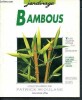
Classification Dewey : 580-Botanique
Ekoloske i socioloske studije o litofitskim Cijanoficejama sa Jugoslavenske obale jandrana. Études écologiques et sociologiques des Cyanophycées lithophytes de la côte Yougoslave de l’Adriatique.
1932 94, 24 p., 10 figures, 7 plates (1 coloured), paperbound. Ex library Joséphine Th. Koster (with her stamp) and Dr. W.F. Prudhomme van Reine (with his signature). Lower end of one plate slightly damaged due to sticking to previous plate, else good copy. With 24 page French (extensive) summary. Scarce.
L'océan - le point des connaissances océanographiques
Maritimes et d'outre mer 1971 in8. 1971. Cartonné. illustrations noir et blanc
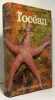
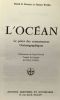
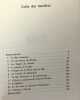
Etat correct bords frottés couverture défraîchie rousseurs sur tranche intérieur propre
Les maladies cryptogamiques des plantes agricoles et leur traitement. Par Jakob Eriksson, professeur et chef de la section botanique de l'institut central d'expériences agricoles de Stockholm. Traduit du suédois par Madame Signe Hagman. Introduction de L. Blaringhem.3
Paris, Librairie de l'Académie d'Agriculture, 1914, in-4to, XV p. + 254 p. avec illustrations, brochure originale.

(SLACES, NVVA)
Phone number : 41 (0)26 3223808

