 Write to the booksellers
-
Type
Autograph (3)
Book (37081)
Engraving (6)
Magazine (539)
Manuscript (3)
Music sheets (109)
Old papers (5)
Photographs (69)
Posters (2)
-
Latest
Last 24h (5)
Last 3 days (7)
Last month (62)
Last week (22)
-
Language
Dutch (9)
English (24)
French (37738)
German (8)
Greek (1)
Italian (3)
Latin (26)
Polish (1)
Portuguese (1)
Russian (1)
Spanish (5)
-
Century
16th (65)
17th (193)
18th (1001)
19th (4036)
20th (17718)
21st (1904)
-
Countries
Belgium (1264)
Brazil (11)
Canada (60)
China (5)
Côte d'Ivoire (72)
Denmark (655)
France (32373)
Germany (11)
Greece (6)
Italy (3)
Netherlands (2)
Switzerland (3355)
-
Syndicate
ALAC (59)
CLAM (19)
CLAQ (56)
CNE (26)
ILAB (23647)
NVVA (2119)
SLACES (2119)
SLAM (20266)
SNCAO (180)
Le Vieux-Neuf. histoire ancienne des inventions et découvertes modernes. Deuxième édition refondue et considérablement augmentée
Paris, Dentu, 1877 3 vol. in-12, [4]-414 pp., [4]-396 pp. et [4]-794 pp., index, broché. Qqs mouillures, manque le second plat de couv. du tome 1.
Polygraphe et historien méritant, Édouard Fournier (1819-1880) s'exprima dans les lettres et son travail a le mérite des ouvrages de vulgarisation scientifique.Le Vieux-Neuf, histoire ancienne des inventions et découvertes modernes évoque principalement : les aérostats, la divination, les feux d'artifice, l'horlogerie, le magnétisme, les paratonnerres, la photographie, la phrénologie, le somnanbulisme, la magie, l'optique, la poudre à canon, les remèdes, la vapeur. - - VENTE PAR CORRESPONDANCE UNIQUEMENT - LIEN DE PAIEMENT, NOUS CONSULTER.
De l'Etalement du Voile dans la Staphylorraphie. Particulièrement par L'Ostéotomie de l'apophyse ptérygoïde. Thèse pour le Doctorat en Médecine N°5
IMP. COMMERCIALE et INDUSTRIELLE. 1908. In-8. Broché. Bon état, Couv. légèrement passée, Dos satisfaisant, Non coupé. 56 pages.. . . . Classification Dewey : 610-Sciences médicales. Médecine
Université de Bordeaux, Faculté de Médecine et de Pharmacie, Année 1908 - 1909 Classification Dewey : 610-Sciences médicales. Médecine
Dictionnaire des intoxications.
Couverture rigide. Reliure de l'éditeur. 670 pages.
Livre. Editions Heures de France - Dr Jean Garnier (Collection : le dictionnaire du praticien), 1970.
Formulaire dictionnaire d'opothérapie.
Angoulême, Imprimerie Coquemard, 1933. 11 x 17, 172 + 48 + 20 pp., quelques figures en couleurs, reliure d'édition dos toilé, bon état.
Bibliothèque du doctorat en médecine - précis de médecine coloniale maladies des pays chauds
Baillière et fils 1929 in8. 1929. Broché.
protection plastique réparation antérieure au cotch rousseurs sur tranches intérieur assez propre
Le premier livre de médecine - éléments de pathologie générale
Baillière et fils in8. Sans date. Relié.
légèrement gondolé tranches fânées intérieur assez propre bonne tenue
Précis d'anatomie - splanchnologie - thorax - abdomen - bassin
Baillière et fils 1929 in8. 1929. Relié.
Bon état de conservation tranches fânées intérieur propre bonne tenue
L'onanisme.
In 12 broché,212 pages,J.B.Baillière & Cie 1911.Causes,dangers,inconvénients pur les individus,la famille,la société, remèdes.
LECONS SUR LA PERIODE PRAEATAXIQUE DU TABES D'ORIGINE SYPHILITIQUE. PAR ALFRED FOURNIER, PROFESSEUR A L'ECOLE DE MEDECINE DE PARIS. RECUEILLIES PAR W. DUBREUILH.
PARIS. G. MASSON, EDITEUR. 1885. IN-8 BROCHE (14,5 X 23,5 X 2,5 CENTIMETRES ENVIRON) DE (4) + 440 ET (3) PAGES, COUVERTURE VERTE, TITRE IMPRIME EN NOIR. BON EXEMPLAIRE.

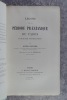
La Syphilis héréditaire tardive.
Leçons professées par Alfred Fournier, Professeur a la Faculté de médecine de Paris, médecin de l'Hôpital Saint-Louis, membre de l'Académie de médecine, avec 31 figures par Alfred Forgeron, 1 vol. in-8 reliure demi-chagrin noir, dos à 5 nerfs dorés, G. Masson, Éditeur, Libraire de l'Académie de médecine, Paris, 1886, 650 pp.

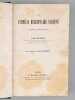
Important ouvrage médical d'Alfred Fournier sur l'hérédosyphilis que l'on pensait alors transmise par les gènes (alors qu'elle est due à la contamination à travers la barrière placentaire". "One of the greatest syphiliologist, did more than any other person to develop the knowledge regarding congenital syphilis. Through his writings, the importance of syphilis as a cause of degenerative diseases was recognized" (Garrison-Morton 2393). Bon état (qq. rouss. claires, bon exemplaire par ailleurs).
QUE FAIRE EN ATTENDANT LE DOCTEUR
ROBERT LAFFONT. 1970. In-8. Relié. Bon état, Couv. convenable, Dos satisfaisant, Intérieur frais. 248 Pages. . . . Classification Dewey : 610-Sciences médicales. Médecine
Classification Dewey : 610-Sciences médicales. Médecine
QUE FAIRE EN ATTENDANT LE DOCTEUR - Une mine de conseils qu'il faut avoir à portée de la main en toutes circonstances et en tous lieux
ROBERT LAFFONT. 1970. In-8. Relié. Bon état, Couv. convenable, Dos satisfaisant, Intérieur frais. 248 Pages. . . . Classification Dewey : 614-Santé publique, médecine préventive
Une mine de conseils qu'il faut avoir à portée de la main en toutes circonstances et en tous lieux Classification Dewey : 614-Santé publique, médecine préventive
Que faire pour soulager vos douleurs.
LAFFONT Robert. 1982. In-12. Broché. Bon état, Couv. convenable, Dos satisfaisant, Intérieur frais. 234 pages.. . . . Classification Dewey : 610-Sciences médicales. Médecine
Avec la collaboration de Othilie Bailly. Classification Dewey : 610-Sciences médicales. Médecine
LA MEDECINE EGYPTIENNE DES ORIGINES A L ECOLE D ALEXANDRIE N° 166
IMPRIMERIE LIBRAIRIE DE L UNVERSITE. 1933. In-8. Broché. Etat passable, 2ème plat abîmé, Dos très frotté, Intérieur frais. 84 pages .. . . . Classification Dewey : 610-Sciences médicales. Médecine
Classification Dewey : 610-Sciences médicales. Médecine
DE LA SUCCESSION D'AUTRICHE. Essai sur le régime des pays autrichiens avant, pendant et après la guerre
Paris - Nancy Berger-Levrault, Libraires-Editeurs 1918 in 12 (19x12) 1 volume reliure demi maroquin rouge à coins de l'époque, dos lisse orné, tête dorée, couverture conservée, 281 pages [1]. Exemplaire imprimé sur papier Japon (non justifié). Reliure signée de Canape. Nouvelle édition revue et augmentée. Bel envoi signé par l'auteur à un ministre. Bel exemplaire, finement relié ( Photographies sur demande / We can send pictures of this book on simple request )
Très bon Couverture rigide Signé par l'auteur
Comment j'ai vaincu mon infarctus du myocarde, Le chemin de la resurrection de 400000 cardiaques.
Librairie Polytechnique Beranger. 1963. In-12. Broché. Bon état, Couv. convenable, Dos satisfaisant, Quelques rousseurs. 151 pages. De nombreuses illustrations en noir et blanc, dans texte.. . . . Classification Dewey : 614-Santé publique, médecine préventive
Classification Dewey : 614-Santé publique, médecine préventive
Le Professeur Godefroy (1805-1875), médecin rennais
Université de Rennes Dos carré collé 1974 In-4 (20,8 x 29 cm), dos carré collé, 75 pages, thèse pour le doctorat en médecine par Michel Fourre (1974) ; bords des plats brunis, intérieur frais, bon état générl. Livraison a domicile (La Poste) ou en Mondial Relay sur simple demande.
COMMENT ON SE DEFEND LA NEURASTHENIE - LUTTE CONTRE LE SURMENAGE MENTAL / 3e EDITION.
LIBRAIRIE DU MAGNETISME. VERS 1900. In-12. Broché. Etat d'usage, Couv. légèrement passée, Dos satisfaisant, Intérieur acceptable. 48 + 16 pages.. . . . Classification Dewey : 610-Sciences médicales. Médecine
BIBLIOTHEQUE DE MEDECINE USUELLE. Classification Dewey : 610-Sciences médicales. Médecine
comment on se défend contre la neurasthénie lutte contre le surmenage mental
paris librairie du magnétisme sans date (vers 1930 ) In 12 broché 48 pages et 16 pages pour le catalogue de la librairie du magnétisme
Comment on se défend de l'alcoolisme. La lutte pour la tempérance.
1905 Paris, L'Edition Médicale Mutuelle, sans date (vers 1905), in 8° broché, 60 pages.
...................... Photos sur demande ...................


Phone number : 04 77 32 63 69
L'ELECTRICITE ET SES APPLICATIONS
REINWALD,SCHLEICHER 1900, grand in12, Rel.cartonnage ed. percaline rouge, dos lisse, fers dorés spéciaux sur le premier plat et le dos,tranches dorées,192p.,23 illustrations in et ht, Bel exemplaire.
radiographie,medecine etc.,rare Remise de 20% pour toutes commandes supérieures à 200 €
PSYCHOVILLE
EDITIONS J'AI LU. 1998. In-8. Broché. Bon état, Couv. convenable, Dos satisfaisant, Intérieur frais. 371 pages.. . . . Classification Dewey : 610-Sciences médicales. Médecine
Traduit de l'anglais par François Thibaux. Classification Dewey : 610-Sciences médicales. Médecine
Traité de Matière Médicale et de Thérapeutique appliquée à chaque maladie en particulier. Tome premier: Matière Médicale.
Paris, Germer Baillière 1843, 225x130mm, VIII- 628pages, reliure demi-basane. Plats papier marbré. Etiquette d’auteur, titre et ornementation dorés au dos. Intérieur propre, quelques rousseurs marginales. Dos et charnières frottés, par endroits durement. Bon état.
Pour un paiement via PayPal, veuillez nous en faire la demande et nous vous enverrons une facture PayPal
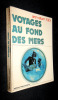
Voyages au fond des mers, ou trente ans d'aventures sous-marines
Editions France Empire Broché 1974 Grand in-12 carré broché (15 x 20 cm),broché avec rabats, couverture illustrée en couleurs, 222 pp., deux cahiers d'illustrations noir et blanc ; l'ouvrage est équipé d'un protège-livre, pliures au dos incurvé, coiffes et bords frottés, plats défraîchis, ex-libris et notes manuscrites en 1ère garde, assez bon état. Livraison a domicile (La Poste) ou en Mondial Relay sur simple demande.
GUIDE DE CARDIOLOGIE DU SPORT
BESINS-ISCOVESCO. 1976. In-4. Cartonnage d'éditeurs. Etat d'usage, Couv. convenable, Dos satisfaisant, Intérieur frais. 157 pages. Jaquette illustrée en couleurs, légèrement passée. Quelques illustrations en couleurs et noir et blanc dans et hors texte.. Avec Jaquette. . . Classification Dewey : 610-Sciences médicales. Médecine
Classification Dewey : 610-Sciences médicales. Médecine

