 Write to the booksellers
-
Type
Book (64)
Magazine (4)
-
Language
French (65)
Italian (1)
Portuguese (1)
Russian (1)
-
Century
20th (31)
21st (11)
-
Countries
Belgium (6)
France (58)
Switzerland (3)
United States of America (1)
-
Syndicate
ILAB (21)
SLAM (21)
Lettres Piégées
Jéome Da Cunha Presses De La Cite / Hors Collection broché Bristol illustré Paris 1992 80 pages en format 21 - 29.5 cm - nombreues illustrations
Très Bon État
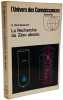
La Recherche du Zéro absolu
Hachette 1966 collection L'Univers des Connaissances. in12. 1966. Broché. Cet ouvrage de Kurt Mendelssohn retrace l'histoire de la quête du zéro absolu en expliquant de manière accessible les concepts physiques et les expériences qui ont permis d'atteindre des températures extrêmement basses. Le livre est structuré comme un exposé historique progressif destiné à un public non spécialiste
Bon état
La Nouvelle Revue Française - (Revue mensuelle de littérature)
Reference : 17285
(1953)
N R F - La Nouvelle Revue Française - (Revue mensuelle de littérature) Adieux de Anhimaharua ( Henri Michaux ) - Une Conversation avec Drieu ( Jean Grenier ) - Récit secret ( Drieu La Rochelle ) - L'Ignorant ( Philippe Jacottet ) - L'Immortel ( J.-L. Borgès ) - Les Mythes du Monde moderne ( Mircea Elliade ) - Angelo ( III ) ( Jean Giono ) CHRONIQUES : Plus loin que le degré zéro ( Maurice Blanchot ) - Un Homme du Ressentiment ( Dominique Aury ) - Le Chant du Monde ( Marcel Arland ) - Barbarie ou Berbérie ( Etiemble )
1953 N° 9 - 1e Septembre 1953 - in-8 broché
Assez bon état
LIGUE ZÉRO : Big bang t1.
Toulon, Soleil, 2004 ; in-4, 48 pp., cartonnage de l'éditeur. EO tome 1 DL mai 2004 , ( manque un petit morceau sur le haut du dos ,mais le livre est est en bonne état).
EO tome 1 DL mai 2004 , ( manque un petit morceau sur le haut du dos ,mais le livre est est en bonne état).
Farce nationale.
Monaco, Editions du Rocher, 1998 ; in-8, 229 pp., broché. Bon état.
Bon état.
Farce nationale.
Monaco, Editions du Rocher, 1998 ; in-8, 229 pp., broché. Bon état.
Bon état.
Le Jaguar : Code Zéro (The Strange expériment)
1955 petit in-8 broché - 1955 - 176 pages - couverture illustrée par Alex Pinon - Ed. Sogedide
Bon état, pliures de lecture sur le dos, léger trait de lecture sur le premier plat, légères pliures sur le quatrième plat
Walter Leblanc, addenda au catalogue raisonne 1. (addendum I)
, Antwerpen, Ludion,, 2011 Bound in hardcover with dusjacket, 96pp. Fine condition ! NL / FR ISBN 9789055448784.
Leblanc was medeoprichter van G58, hij kwam er in contact met de internationale avant-garde, zoals de Duitse Zero-groep (1958-1966), Nul uit Nederland (1960-1965) en werd lid van de internationale beweging Nouvelle Tendance (1961-1968).In 1959 introduceerde Leblanc de torsie als basiselement in zijn werk. In de Twisted Strings werden getorste katoendraden gespannen op een monochroom, meestal wit, oppervlak. Afhankelijk van de verplaatsing van de toeschouwer en de wisselende lichtinval op het relief, ontstaat in het oog van de participant een vibrerend, optisch effect. In de Mobilo Statics, werden de katoendraden vervangen door tweekleurige polyvinyl-linten. De Torsions ontwikkelden zich verder tot vrijstaande sculpturen uit gelakt metaal of hout. In 1975 ontstonden de Archetypes, geprogrammeerde reeksen, waarin Leblanc via tekeningen en sculpturen uit geoxideerd staal, de combinatiemogelijkheden van geometrische grondvormen, zoals de driehoek, het vierkant, de cirkel en hun afgeleiden onderzocht. Doorheen het hele oeuvre van de kunstenaar, is er een tendens aanwezig om uit het vlak te treden. In de Archetypen ging dit gepaard met een toenemende monumentaliteit die een hoogtepunt bereikte met de architectonische integratie in Simonis (metrostation) te Brussel (1981-1986). Zijn zin voor monumentaliteit en een zuivere, geometrische vormgeving en ook de modulaire, seriele en systematische opbouw van zijn werken, tonen verwantschap met het minimalisme. Maar in tegenstelling tot het industriele karakter van de minimale kunst, getuigen de werken van Leblanc van een poetische en subtiele eenvoud. Deze publicatie is een eerste addendum bij de catalogue raisonne uit 1997. Het addendum volgt dezelfde methodologie en toont de kunstwerken die, om diverse redenen, destijds niet konden worden opgenomen. Het eerste deel van de publicatie omvat teksten van Baudouin Michiels, Jan Hoet, Laurent Busine en Johan Pas die toelaten om dieper in te gaan op het oeuvre van Walter Leblanc en het in zijn context plaatsen. Naast talrijke reproducties over de volle pagina, biedt het addendum een bibliografische update en een appendix bij de eerste publicatie. .
Walter Leblanc, addendum to the catalogue raisonne VOLUME 2. (addendum II ) Supplement.
, Antwerpen, Ludion,, 2019 bound in hardcover with dusjacket, 96pp. English text. fine condition ! ISBN 9789493039179.
Leblanc was medeoprichter van G58, hij kwam er in contact met de internationale avant-garde, zoals de Duitse Zero-groep (1958-1966), Nul uit Nederland (1960-1965) en werd lid van de internationale beweging Nouvelle Tendance (1961-1968).In 1959 introduceerde Leblanc de torsie als basiselement in zijn werk. In de Twisted Strings werden getorste katoendraden gespannen op een monochroom, meestal wit, oppervlak. Afhankelijk van de verplaatsing van de toeschouwer en de wisselende lichtinval op het relief, ontstaat in het oog van de participant een vibrerend, optisch effect. In de Mobilo Statics, werden de katoendraden vervangen door tweekleurige polyvinyl-linten. De Torsions ontwikkelden zich verder tot vrijstaande sculpturen uit gelakt metaal of hout. In 1975 ontstonden de Archetypes, geprogrammeerde reeksen, waarin Leblanc via tekeningen en sculpturen uit geoxideerd staal, de combinatiemogelijkheden van geometrische grondvormen, zoals de driehoek, het vierkant, de cirkel en hun afgeleiden onderzocht. Doorheen het hele oeuvre van de kunstenaar, is er een tendens aanwezig om uit het vlak te treden. In de Archetypen ging dit gepaard met een toenemende monumentaliteit die een hoogtepunt bereikte met de architectonische integratie in Simonis (metrostation) te Brussel (1981-1986). Zijn zin voor monumentaliteit en een zuivere, geometrische vormgeving en ook de modulaire, seriele en systematische opbouw van zijn werken, tonen verwantschap met het minimalisme. Maar in tegenstelling tot het industriele karakter van de minimale kunst, getuigen de werken van Leblanc van een poetische en subtiele eenvoud. Deze publicatie is een eerste addendum bij de catalogue raisonne uit 1997. Het addendum volgt dezelfde methodologie en toont de kunstwerken die, om diverse redenen, destijds niet konden worden opgenomen. Het eerste deel van de publicatie omvat teksten van Baudouin Michiels, Jan Hoet, Laurent Busine en Johan Pas die toelaten om dieper in te gaan op het oeuvre van Walter Leblanc en het in zijn context plaatsen. Naast talrijke reproducties over de volle pagina, biedt het addendum een bibliografische update en een appendix bij de eerste publicatie. TEXT IN ENGLISH Leblanc was co-founder of G58, he came into contact with the international avant-garde, such as the German Zero group (1958-1966), Nul from the Netherlands (1960-1965) and became a member of the international movement Nouvelle Tendance (1961- 1968). In 1959, Leblanc introduced torsion as a basic element in his work. In the Twisted Strings, twisted cotton threads were stretched on a monochrome, usually white, surface. Depending on the movement of the spectator and the varying incidence of light on the relief, a vibrating, optical effect is created in the eye of the participant. In the Mobilo Statics, the cotton threads were replaced by two-tone polyvinyl ribbons. The Torsions further developed into free-standing sculptures made of lacquered metal or wood. In 1975, the Archetypes, programmed series, were created in which Leblanc explored the combination possibilities of basic geometric forms, such as the triangle, the square, the circle and their derivatives through drawings and sculptures made of oxidized steel. Throughout the artist's entire oeuvre, there is a tendency to step out of the box. In the Archetypes this was accompanied by an increasing monumentality that reached a climax with the architectural integration in Simonis (metro station) in Brussels (1981-1986). His sense of monumentality and a pure, geometric design, as well as the modular, serial and systematic construction of his works, show an affinity with minimalism. But in contrast to the industrial character of minimal art, Leblanc's works bear witness to a poetic and subtle simplicity. This publication is the first addendum to the catalog raisonne from 1997. The addendum follows the same methodology and shows the works of art that, for various reasons, could not be included at the time. The first part of the publication includes texts by Baudouin Michiels, Jan Hoet, Laurent Busine and Johan Pas that allow us to delve deeper into Walter Leblanc's oeuvre and place it in context. In addition to numerous full-page reproductions, the addendum provides a bibliographic update and an appendix to the first publication. TEXT IN ENGLISH. .
SUPERHUMAN BATTLEFIELD T02
MAHO 78
LIVRE A L’ETAT DE NEUF. EXPEDIE SOUS 3 JOURS OUVRES. NUMERO DE SUIVI COMMUNIQUE AVANT ENVOI, EMBALLAGE RENFORCE. EAN:9782487369153
Mystères des chiffres
2004 Editions Assouline - 2004 - Nouvelle édition - In-8, broché - 383 pages - Illustrations et reproductions photographiques en N&B in et hors texte
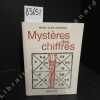
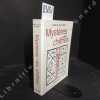
Bon état - Menus frottements sur la couverture
SUPERHUMAN BATTLEFIELD T03
MAHO 78
LIVRE A L’ETAT DE NEUF. EXPEDIE SOUS 3 JOURS OUVRES. NUMERO DE SUIVI COMMUNIQUE AVANT ENVOI, EMBALLAGE RENFORCE. EAN:9782487369160
SUPERHUMAN BATTLEFIELD T04
MAHO 78
LIVRE A L’ETAT DE NEUF. EXPEDIE SOUS 3 JOURS OUVRES. NUMERO DE SUIVI COMMUNIQUE AVANT ENVOI, EMBALLAGE RENFORCE. EAN:9782487369788
Positif : Jean Vigo (Inédits, Témoignages, Etudes)
1953 N° 7 (mai 1953) - In-8 broché - revue illustrée - 98 pages - Sans la jaquette - Les scénarios et extraits du Journal ont été choisis par Bernard Chardère, Guy Jacob et Michel Subiela qui ont réalisé ce numéro - Dédicace (Envoi) de Bernard Chardère en haut de la page de sommaire
Bon état sans sa jaquette - Un ticket de cinéma pour la séance de "L'Atalante" à l'Institut Lumière le 16.12.2004
Rébéna Frédéric One Ring Zero Auster Paul
Reference : 77136
(2005)
ISBN : 9782350210025
New York Spleen (1CD audio)
Naïve 2005 57 pages 23x15x1cm. 2005. Broché. 57 pages.
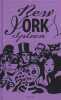
french edition - cd inclut -L'ouvrage qui n'a jamais été lu peut présenter d'infimes traces de stockage sur couverture et/ou les pourtours- Idéal pour offrir car Remis Sous blister -envoi rapide et soigné depuis la France dans un emballage adap
Rébéna Frédéric One Ring Zero Auster Paul
Reference : 79884
(2005)
ISBN : 9782350210025
New York Spleen (1CD audio)
Naïve 2005 57 pages 23x15x1cm. 2005. Broché. 57 pages.
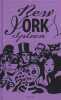
French édition - Le livre jamais lu présente des marques de stockage sur la couverture et/ou les pourtours mais reste en très bon état d'ensemble. Expédition soignée sous blister dans une enveloppe a bulles
Saint Ephrem Harpe du Saint Espr: recueil d'hymnes
CERO 2006 in4. 2006. Spirales.
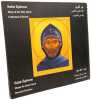
Bon état textes anglais/syriaque
Valerie L. Hillings / Catherine Millet Co-auteur: Heike Van Den Valentyn
Reference : 26933
1957-1966 ZERO NY 2008
Gent, MER Paper Kunsthalle, 2008 hardcover, 320 pages, illustrations, 21x20cm, Fine condition ISBN 9789076979731.
starting in the middle of the 1950s the art movement ZERO revolutionised the art of the post-war period with a new pictorial and formal language. From its biginnings the movement had an international network. The Dusseldorf artists' community of Heinz Mack, Otto Piene and Gunther Uecker was attached to an array of European groupings, whose intermediary figure from 1960 was Piero Manzoni. Next to him Yves Klein and Lucio Fontana also played key rolls. Their contacts reached as far as East Asia through the artists' group GUTAI, who like European avant-garde, developed out of a desire to break free from the old order. MUSEUM KUNST PALAST Dusseldorf 2006 of the exhibition: ZERO internationale Kunstler Avantgarde der 50er/60er Jahre.
Le Zéro
2011 Ed. Rivages, coll. Rivages/Thriller, 2011, 1 volume in-8 de 313 pages, broché.
bon état
Weapon zero n°5.
S.l., Semic, 1998 ; in-8, 60 pp., broché, couverture illustr. Tome 5.
Tome 5.
NIQUE TON MAIRE - TRAITE ILLUSTRE DE FRANCHISE POSTALE / COLLECTION TROMPE L'OEIL
LAFON MICHEL. 1996. In-4. Broché. Bon état, Couv. convenable, Dos satisfaisant, Intérieur frais. 118 pages - nombreuses photos et illustrations en noir et blanc et en couleurs dans et hors - dos à spiral.. . . . Classification Dewey : 847-Satire, humour
Classification Dewey : 847-Satire, humour



