 Write to the booksellers
-
Type
Any type (1)
Art print (5)
Autograph (4)
Book (66304)
Drawings (2)
Engraving (5)
Magazine (103)
Manuscript (3)
Music sheets (242)
Old papers (8)
Photographs (1)
Postcards (2)
-
Latest
Last 24h (5)
Last 3 days (5)
Last month (924)
Last week (58)
-
Language
Dutch (31)
English (53)
French (66547)
German (10)
Hebrew (1)
Italian (7)
Latin (21)
Portuguese (2)
Romanian (1)
Spanish (5)
Swedish (2)
-
Century
16th (99)
17th (687)
18th (1452)
19th (7736)
20th (35172)
21st (3750)
-
Countries
Belgium (9880)
Canada (159)
China (9)
Côte d'Ivoire (120)
Denmark (718)
France (53688)
Germany (8)
Greece (27)
Netherlands (224)
Switzerland (1847)
-
Syndicate
ALAC (159)
CLAM (91)
CLAQ (159)
CNE (35)
ILAB (35647)
NVVA (1216)
SLACES (1216)
SLAM (33410)
SNCAO (10)
BIBLE ET TERRE SAINTE N°81 : LAODICEE DU LYKOS RESURGIT - A L'ANGLE DE L'EGLISE DE LAODICEE ECRIS... - L'AVEUGLEMENT DE LAODICEE SES FRUITS
MAISON BONNE PRESSE. MARS 1966. In-4. Broché. Bon état, Couv. convenable, Dos satisfaisant, Intérieur frais. 23 pages. Nombreuses photographies en noir et blanc, dans le texte.. . . . Classification Dewey : 200-RELIGION
Classification Dewey : 200-RELIGION


BIBLE ET TERRE SAINTE N°82 : L'HEORIQUE FORTERESSE DE LAKISH - ISAIE ET JEREMIE TEMOINS DE DEUX INVASIONS - NOTRE MAITRE L'EVENEMENT
MAISON BONNE PRESSE. AVRIL 1966. In-4. Broché. Bon état, Couv. convenable, Dos satisfaisant, Intérieur frais. 23 pages. Nombreuses photographies en noir et blanc, dans le texte.. . . . Classification Dewey : 200-RELIGION
Classification Dewey : 200-RELIGION
BIBLE ET TERRE SAINTE N°83 : DOURA EUOPOS : UNE SYNAGOGUE EN MILIEU PAIEN - ISRAEL PARMI NOUS - LE RESPECT DES AUTRES RELIGIONS
MAISON BONNE PRESSE. MAI 1966. In-4. Broché. Bon état, Couv. convenable, Dos satisfaisant, Intérieur frais. 23 pages. Nombreuses photographies en noir et blanc, dans le texte.. . . . Classification Dewey : 200-RELIGION
Classification Dewey : 200-RELIGION
BIBLE ET TERRE SAINTE N°84 : LES FILS D'ESAU : LES EDOMITES
MAISON BONNE PRESSE. JUIN 1966. In-4. Broché. Bon état, Couv. convenable, Dos satisfaisant, Intérieur frais. 23 pages. Nombreuses photographies en noir et blanc, dans le texte.. . . . Classification Dewey : 200-RELIGION
Classification Dewey : 200-RELIGION
BIBLE ET TERRE SAINTE N°85 : LA ROUTE DU PLATEAU DE MOAB
MAISON BONNE PRESSE. JUIL-AOUT 1966. In-4. Broché. Bon état, Couv. convenable, Dos satisfaisant, Intérieur frais. 23 pages. Nombreuses photographies en noir et blanc, dans le texte.. . . . Classification Dewey : 200-RELIGION
Classification Dewey : 200-RELIGION
BIBLE ET TERRE SAINTE N°86 : LA PISCINE PROBATIQUE
MAISON BONNE PRESSE. OCT-NOV 1966. In-4. Broché. Bon état, Couv. convenable, Dos satisfaisant, Intérieur frais. 23 pages. Nombreuses photographies en noir et blanc, dans le texte.. . . . Classification Dewey : 200-RELIGION
Classification Dewey : 200-RELIGION
BIBLE ET TERRE SAINTE N°87 : LA NAISSANCE DE EVANGILES
MAISON BONNE PRESSE. DECEMBRE 1966. In-4. Broché. Bon état, Couv. convenable, Dos satisfaisant, Intérieur frais. 23 pages. Nombreuses photographies en noir et blanc, dans le texte.. . . . Classification Dewey : 200-RELIGION
Classification Dewey : 200-RELIGION
BIBLE ET TERRE SAINTE N°89 : LE NAUFRAGE DE SAINT PAUL
MAISON BONNE PRESSE. FEVRIER 1967. In-4. Broché. Bon état, Couv. convenable, Dos satisfaisant, Intérieur frais. 23 pages. Nombreuses photographies en noir et blanc, dans le texte.. . . . Classification Dewey : 200-RELIGION
Classification Dewey : 200-RELIGION
BIBLE ET TERRE SAINTE N°90 : MYTHES GRECS - MYSTERE CHRETIEN
MAISON BONNE PRESSE. MARS 1967. In-4. Broché. Bon état, Couv. convenable, Dos satisfaisant, Intérieur frais. 23 pages. Nombreuses photographies en noir et blanc, dans le texte.. . . . Classification Dewey : 200-RELIGION
Classification Dewey : 200-RELIGION
BIBLE ET TERRE SAINTE N°91 : MONTEZ A JERUSALEM comment préparer votre voyage en Terre Sainte. Quelles routes choisir dans ces pays riches en souvenirs bibliques - A TRAVERS LE LIBAN & LA SYRIE
MAISON BONNE PRESSE. AVRIL 1967. In-4. Broché. Bon état, Couv. convenable, Dos satisfaisant, Intérieur frais. 19 pages. Nombreuses photographies en noir et blanc, dans le texte.. . . . Classification Dewey : 200-RELIGION
Classification Dewey : 200-RELIGION
BIBLE ET TERRE SAINTE N°92 : LES LIEUX DE CULTE SEMITIQUE
MAISON BONNE PRESSE. MAI 1967. In-4. Broché. Bon état, Couv. convenable, Dos satisfaisant, Intérieur frais. 23 pages. Nombreuses photographies en noir et blanc, dans le texte.. . . . Classification Dewey : 200-RELIGION
Classification Dewey : 200-RELIGION
BIBLE ET TERRE SAINTE N°93 : LA PALESTINE PREHISTORIQUE
MAISON BONNE PRESSE. JUIN 1967. In-4. Broché. Bon état, Couv. convenable, Dos satisfaisant, Intérieur frais. 23 pages. Nombreuses photographies en noir et blanc, dans le texte.. . . . Classification Dewey : 200-RELIGION
Classification Dewey : 200-RELIGION
BIBLE ET TERRE SAINTE N°94 : ORIGINE DE L'EGLISE DE ROME
MAISON BONNE PRESSE. JUIL-AOUT 1967. In-4. Broché. Bon état, Couv. convenable, Dos satisfaisant, Intérieur frais. 23 pages. Nombreuses photographies en noir et blanc, dans le texte.. . . . Classification Dewey : 200-RELIGION
Classification Dewey : 200-RELIGION
BIBLE ET TERRE SAINTE N°95 : PIERRE ET PAUL A ROME
MAISON BONNE PRESSE. OCT-NOV 1967. In-4. Broché. Bon état, Couv. convenable, Dos satisfaisant, Intérieur frais. 23 pages. Nombreuses photographies en noir et blanc, dans le texte.. . . . Classification Dewey : 200-RELIGION
Classification Dewey : 200-RELIGION
BIBLE ET TERRE SAINTE N°96 : EZECHIEL - LA CAPTIVITE
MAISON BONNE PRESSE. DECEMBRE 1967. In-4. Broché. Bon état, Couv. convenable, Dos satisfaisant, Intérieur frais. 24 pages. Nombreuses photographies en noir et blanc, dans le texte.. . . . Classification Dewey : 200-RELIGION
Classification Dewey : 200-RELIGION
BIBLE ET TERRE SAINTE N°97 : LE KERYGME ANNONCE DU SALUT
MAISON BONNE PRESSE. JANVIER 1968. In-4. Broché. Bon état, Couv. convenable, Dos satisfaisant, Intérieur frais. 24 pages. Nombreuses photographies en noir et blanc, dans le texte.. . . . Classification Dewey : 200-RELIGION
Classification Dewey : 200-RELIGION
BIBLE ET TERRE SAINTE N°98 : LE CENECLE - LA FRACTION DU PAIN
MAISON BONNE PRESSE. FEVRIER 1968. In-4. Broché. Bon état, Couv. convenable, Dos satisfaisant, Intérieur frais. 24 pages. Nombreuses photographies en noir et blanc, dans le texte.. . . . Classification Dewey : 200-RELIGION
Classification Dewey : 200-RELIGION
The Belief in Immortality 2 volumes
London 1913 MacMillan and Co Hardcover
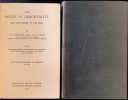
Couverture rigide vert foncé avec titre doré sur le dos, 23 x 16 cm, 495 + 447 pp., Anglais, 2 volumes, état du livre : Très Bon Vol I : La croyance parmi les aborigènes d'Australie, les îles du détroit de Torres, la Nouvelle-Guinée et la Mélanésie Vol II : La croyance parmi les Polynésiens [Cette description peut avoir été traduite par une IA.]
EVANGILE Abraham Père et Modèle des Croyants
. 1960. In-8. Broché. Bon état, Couv. convenable, Dos satisfaisant, Intérieur frais. 95 pages. Numéro de classement écrit au stylo sur le 1er plat. Tampon de l'institution sainte marie sur la page de titre.. . . . Classification Dewey : 200-RELIGION
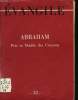
Classification Dewey : 200-RELIGION
L'HOMME A LA CONQUETE DE L'UNIVERS
1955 / 431 pages. relié avec jaquette Editions Plon
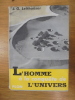
Illustrations noir et blanc. Couverture toilée bleue avec des rousseurs éparses, jaquette d'usage frottée et rognée. Intérieur frais avec de rares rousseurs. Bon état.
Défense de la réforme de Luther contre mains préjugés des novateurs.
Lecerf. 1966. In-8. Broché. Bon état, Couv. convenable, Dos satisfaisant, Intérieur frais. XLVI + 199 pages.. . . . Classification Dewey : 200-RELIGION
Réédition avec introduction, traduction, notes et notices biographiques par Georges Pons. Classification Dewey : 200-RELIGION
MORALE DE SITUATION ET MORAL CHRETIENNE
LA PENSEE CATHOLIQUE. 1964. In-12. Broché. Bon état, Couv. convenable, Dos satisfaisant, Intérieur frais. 80 pages. Etiquette de classement sur le dos. Tampon de l'institution de sainte marie sur la page de titre.. . . . Classification Dewey : 200-RELIGION
Classification Dewey : 200-RELIGION
LUMIERE ET VIE (religions et croyances) n°29 : Le mystère de la Sainte Trinité - 1) Données bibliques
IMP ARTISTIQUE P. JACQUES. SEPTEMBRE 1956. In-8. Broché. Bon état, Tâchée, Dos satisfaisant, Non coupé. 144 pages. Numéro de classement écrit au stylo sur le dos. Tampon de l'institution sainte marie sur la page de titre.. . . . Classification Dewey : 200-RELIGION
Classification Dewey : 200-RELIGION
LA BASILIQUE DE VEZELAY guide et plan
EDITIONS FRANCISCAINES. NON DATE. In-12. Broché. Bon état, Couv. convenable, Dos satisfaisant, Intérieur frais. 24 pages. Nombreuses illutrations en noir et blanc dans le texte et hors texte.. . . . Classification Dewey : 200-RELIGION
Classification Dewey : 200-RELIGION
sequences d'Adam de Saint-Victor. Etude litteraire (poetique et rhetorique). Textes et traductions, commentaires,
Turnhout, Brepols, 2008 Hardback, 944 pages., 1 b/w ill., 160 x 245 mm. ISBN 9782503526591.
Alors que les questions de rhetorique et de poetique viennent generalement en fin d'etude quand il s'agit d'analyser des oeuvres religieuses, de propos delibere l'auteur du present travail est parti de l'art poetique, car les sequences d'Adam de Saint-Victor sont au moins autant des poemes que de chants liturgiques. Il s'agissait d'asseoir la lecture du texte non seulement sur l'analyse de son contenu, mais aussi sur un examen des procedes artistiques ; or, la rhetorique victorine n'est jamais gratuite ; elle est toujours motivee par une volonte de faire dire au mot, au vers, a la musicalite, ce que les concepts ont peine a exprimer. Le langage poetique, apparente au langage mystique, permet sinon une pleine comprehension, a tout le moins une perception intuitive du mystere, voire une adhesion. Ainsi la fonction psychagogique de la sequence ne tient pas seulement a son statut liturgique, mais aussi a la force intrinseque et au pouvoir du langage mis en oeuvre. Cette recherche, par une relecture extensive de l'oeuvre a travers la traduction et le commentaire, reprend dans le detail l'application des traits generaux d'abord degages, et s'efforce egalement de mettre au jour le contexte et les sources d'inspiration indispensables a la comprehension de textes devenus generalement etrangers a l'horizon culturel de la plupart des lecteurs actuels. L'authenticite des sequences comme la personnalite du poete, aussi illustre qu'il est peu connu, demeurent problematiques : en abordant cette question du point de vue de l'analyse interne, sans pretendre donner des reponses definitives, l'auteur espere convaincre que la beaute et l'excellence de la plupart de ces sequences temoignent de la presence, a leur origine, d'un homme a la fois poete, exegete, mystique, et profondement soucieux de faire partager sa foi. Au demeurant la memoire des chanoines de la congregation victorine et les temoignages des contemporains ne laissent aucun doute sur l'existence de ce poete hors pair. Languages: English, Latin.

