 Write to the booksellers
-
Type
Book (967)
Engraving (2)
Magazine (3)
-
Latest
Last 3 days (1)
Last month (16)
Last week (1)
-
Language
English (3)
French (968)
Latin (1)
-
Century
16th (7)
17th (9)
18th (22)
19th (50)
20th (298)
21st (208)
-
Countries
Belgium (289)
Canada (5)
Denmark (5)
France (671)
Switzerland (2)
-
Syndicate
ALAC (5)
CLAM (3)
ILAB (211)
SLAM (198)
Islam Without Allah?: The Rise of Religious Externalism in Safavid Iran
Taylor & Francis Ltd 2001 288 pages 16 05x2 57x20 57cm. 2001. Cartonné jaquette. 288 pages.
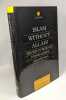
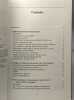
Très bon état intérieur propre bonne tenue avec sa jaquette
"1 DISQUE AUDIO 33 TOURS - BANDE ORIGINALE DU FILM ""LACHE MOI LES BASKETS!"" / don't play with the one who loves you / i go to pieces / robot man / i can sing, i can dance / tommy medley / baby love..."
. NON DATE. In-12. Broché. Bon état, Couv. convenable, Dos satisfaisant, Intérieur frais. 1 disque audio 33 tours - pochette en bon état. . . . Classification : 410-33 Tours
Classification : 410-33 Tours


"1 DISQUE AUDIO 33 TOURS - BANDE ORIGINALE DU FILM DE MICHAEL CACOYANNIS ""ZORBA LE GREC"" - Musique composée et conduite par Mikis Théodorakis / thème de Zorba / la vie s'en va / une grande catastrophe / questions sans réponses / désir secret..."
. NON DATE. In-12. Broché. Bon état, Couv. convenable, Dos satisfaisant, Intérieur frais. 1 disque audio 33 tours - pochette défraichie. . . . Classification : 410-33 Tours
Classification : 410-33 Tours
1 DISQUE AUDIO 33 TOURS - BANDE ORIGINALE DU FILM - PARIS, TEXAS - Musique de Ry Cooder
. 1985. In-12. Broché. Bon état, Couv. convenable, Dos satisfaisant, Intérieur frais. 1 disque audio 33 tours - pochette en bon état. . . . Classification : 410-33 Tours
Classification : 410-33 Tours
1 DOUBLE LASERDISC - ABYSS - UN FILM DE JAMES CAMERON - AVEC ED HARRIS - MARY ELIZABETH MASTRANTONIO ET MICHAEL BIEHN
. 1989. In-12. Broché. Bon état, Couv. convenable, Dos satisfaisant, Intérieur frais. 1 double laserdisc (2 disques inclus) - couleur - version française - dolby surround - digital stereo - 134 min. environ - PAL - format 1.85 respecté. . . . Classification : 400-Diplomes / Prix
copyright 1989 Classification : 400-Diplomes / Prix
1 DOUBLE LASERDISC - ALIENS - LE RETOUR - UN FILM DE JAMES CAMERON - AVEC SIGOURNEY WEAVER
. 1986. In-12. Broché. Bon état, Couv. convenable, Dos satisfaisant, Intérieur frais. 1 double laserdisc (2 disques inclus) - couleur - version française - hi-fi stereo - 132 min. environ - PAL. . . . Classification : 400-Diplomes / Prix
copyright 1986 Classification : 400-Diplomes / Prix
1 DOUBLE LASERDISC - INDEPENDENCE DAY - UN FILM DE ROLAND EMMERICH - AVEC WILL SMITH - BILL PULLMAN ET JEFF GOLDBLUM
. 1997. In-12. Broché. Bon état, Couv. convenable, Dos satisfaisant, Intérieur frais. 1 double laserdisc (2 disques inclus) - couleur - version française - son stereo THX - 2h20 min. environ - PAL - format 2.35 cinémascope - une étiquette contre collée sur la face de la pochette et une au dos. . . . Classification : 400-Diplomes / Prix
copyright 1997 Classification : 400-Diplomes / Prix
1 DOUBLE LASERDISC - POINT BREAK - EXTREME LIMITE - AVEC KEANU REEVES ET PATRICK SWAYZE
. 1991. In-12. Broché. Bon état, Couv. convenable, Dos satisfaisant, Intérieur frais. 1 double laserdisc (2 disques inclus) - couleur - version française - 118 min. environ / son digital stéréo dolby surround - PAL TV - format 1.85 respecté. . . . Classification : 400-Diplomes / Prix
copyright 1991 Classification : 400-Diplomes / Prix
1 DOUBLE LASERDISC - SOLEIL LEVANT (rising sun) - AVEC SEAN CONNERY ET WESLEY SNIPES
. 1994. In-12. Broché. Bon état, Couv. convenable, Dos satisfaisant, Intérieur frais. 1 double laserdisc (2 disques inclus) - couleur - version française - cinémascope - PAL - son digital stéréo dolby surround - 124 minutes - quelques déchirures sur le dos et à l'intérieur de la pochette. . . . Classification : 400-Diplomes / Prix
Classification : 400-Diplomes / Prix
1 DOUBLE LASERDISC - THE ROSE - UN FILM DE MARK RYDELL - AVEC BETTE MIDLER
. 1990. In-12. Broché. Bon état, Couv. convenable, Dos satisfaisant, Intérieur frais. 1 double laserdisc (2 disques inclus) - couleur - V.O. sous-titrée - hi-fi stereo - 129 min. environ - PAL. . . . Classification : 400-Diplomes / Prix
copyright 1990 Classification : 400-Diplomes / Prix
"1 jeu de 8 Photographies d'Exploitation, du film "" Quand Harry ... rencontre Sally ... """
IMP. DARMON. XXe siècle.. In-4. En feuillets. Bon état, Couv. convenable, Dos satisfaisant, Intérieur frais. Lot de 8 planches de photographies en couleurs, du film. Dans une pochette.. . . . Classification Dewey : 791.43-Cinéma
Classification Dewey : 791.43-Cinéma
1 LASERDISC - 58 MINUTES POUR VIVRE - DIE HARD 2 - AVEC BRUCE WILLIS - UN FILM DE RENNY HARLIN
. 1990. In-12. Broché. Bon état, Couv. convenable, Dos satisfaisant, Intérieur frais. 1 laserdisc - couleur - version française - 119 min. environ - format cinémascope - dolby surround. . . . Classification : 400-Diplomes / Prix
copyright 1990 Classification : 400-Diplomes / Prix
1 LASERDISC - ALIEN 3 - UN FILM DE DAVID FINCHER - AVEC SIGOURNEY WEAVER - CHARLES DANCE - CHARLES S. DUTTON
. 1993. In-12. Broché. Bon état, Couv. convenable, Dos satisfaisant, Intérieur frais. 1 laserdisc - couleur - version française - son digital stereo dolby surround prologic - 111 min. environ - PAL - format 1.66 respecté. . . . Classification : 400-Diplomes / Prix
copyright 1993 Classification : 400-Diplomes / Prix
1 LASERDISC - - ALIEN - LE 8eme PASSAGER - AVEC TOM SKERRITT - SIGOURNEY WEAVER - VERONICA CARTWRIGHT - HARRY DEAN STANTON - JOHN HURT...
. 1979. In-12. Broché. Bon état, Couv. convenable, Dos satisfaisant, Intérieur frais. 1 laserdisc - couleur - version française - digital stereo - 116 min. environ - PAL - format 1.85 respecté. . . . Classification : 400-Diplomes / Prix
copyright 1979 Classification : 400-Diplomes / Prix
1 LASERDISC - BROKEN ARROW - UN FILM DE JOHN WOO - AVEC TRAVOLTA ET SLATER
. 1996. In-12. Broché. Bon état, Couv. convenable, Dos satisfaisant, Intérieur frais. 1 laserdisc - couleur - version française - digital stereo dolby surround - 1h44 min. environ - PAL - format : 2.35 cinémascope - une étiquette contre collée sur la face de la pochette - une déchirure au dos de la pochette. . . . Classification : 400-Diplomes / Prix
copyright 1996 Classification : 400-Diplomes / Prix
1 LASERDISC - LA GUERRE DES ROSES - UN FILM DE DANNY DEVITO - AVEC MICHAEL DOUGLAS - KATHLEEN TURNER - DANNY DEVITO
. 1991. In-12. Broché. Bon état, Couv. convenable, Dos satisfaisant, Intérieur frais. 1 laserdisc - couleur - version française - digital stereo - 113 min. environ - PAL - jaquette abimée. . . . Classification : 400-Diplomes / Prix
copyright 1991 Classification : 400-Diplomes / Prix
1 LASERDISC - SPEED - UN FILM DE MARK GORDON - AVEC SANDRA BULLOCK - KEANU REEVES - DENNIS HOPPER
. 1994. In-12. Broché. Bon état, Couv. convenable, Dos satisfaisant, Intérieur frais. 1 laserdisc - couleur - version française - digital stereo dolby surround - 111 min. environ - PAL - format cinemascope. . . . Classification : 400-Diplomes / Prix
copyright 1994 Classification : 400-Diplomes / Prix
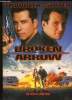
"Dossier de presse du film "" Broken Arrow "" de John Woo avec John Travolta et Christian Slater."
CHEZ L'AUTEUR. 1996. In-4. Broché. Très bon état, Couv. fraîche, Dos satisfaisant, Intérieur frais. Livret de 35 pages illustré de photos en noir et blanc, en hors-texte.. . . . Classification Dewey : 791.43-Cinéma
Classification Dewey : 791.43-Cinéma
"Jeu de 11 photographies d'exploitation du film "" Tora ! Tora ! Tora ! """
CHEZ L'AUTEUR. Non daté. In-4. Broché. Bon état, Couv. convenable, Dos satisfaisant, Intérieur frais. 11 planches (dont certaines en doubles) de photographies en couleurs. 23 x 28.5 cm. Quelques coins usés.. . . . Classification : 1300-Photos Anciennes Situées
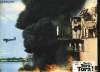
Classification : 1300-Photos Anciennes Situées
"Jeu de 6 photographies d'exploitation du film "" Crimes et Délits "" avec Woody Allen, Martin Landau, Claire Bloom, Gregg Edelman ..."
CHEZ L'AUTEUR. Non daté. In-4. En feuillets. Bon état, Couv. convenable, Dos satisfaisant, Intérieur frais. Pochette de 6 planches de photographies en couleurs, de 27 x 21 cm.. . . . Classification Dewey : 791.43-Cinéma
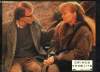
Classification Dewey : 791.43-Cinéma
"Plaquette de presse, en forme de pochette de disque vinyl 45 tours, du film ""That Thing you do ! "" avec Tom Hanks, Tom Everett Scott, Liv Tyler, Rthan Embry ..."
CHEZ L'AUTEUR. 28 janvier 1997. In-8. Broché. Bon état, Couv. convenable, Dos satisfaisant, Intérieur frais. Livret, en forme de disque 45 tours, de 43 pages illustrées de nombreuses photos en noir et blanc, dans le texte et hors-texte.. . . . Classification Dewey : 791.43-Cinéma
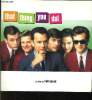
Classification Dewey : 791.43-Cinéma
"Plaquette de présentation du film "" A Couteaux Tirés (The Edge) "", de Lee Tamahori avec Anthony Hopkins, Alec Baldwin, Elle Macpherson"
CHEZ L'AUTEUR. 36 juin 1998. In-4. Broché. Très bon état, Couv. fraîche, Dos satisfaisant, Intérieur frais. Livret de 24 pages, illustré de nombreuses photos en couleurs, dans le texte.. . . . Classification Dewey : 791.43-Cinéma
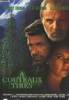
Classification Dewey : 791.43-Cinéma
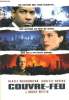
"Plaquette de présentation du film "" Couvre-Feu ( The Siege) "", de Edward Zwick avec Denzel Washington, Annette Bening et Bruce Willis."
CHEZ L'AUTEUR. 16 décembre 1998. In-4. Broché. Bon état, Couv. convenable, Dos satisfaisant, Intérieur frais. Livret de 24 pages, illustré de nombreuses photos en couleurs, dans le texte.. . . . Classification Dewey : 791.43-Cinéma
Classification Dewey : 791.43-Cinéma
"Une brochure de presse du film "" L'Affaire Ciceron "" de Joseph MANKIEWICZ avec Danielle DARRIEUX, James MASON, Michael RENNIE ..."
CHEZ L'AUTEUR. Non daté. In-4. En feuillets. Etat d'usage, Couv. convenable, Dos satisfaisant, Intérieur acceptable. 1 brochure de 4 pages, illustrée de quelques photos en noir et blanc.. . . . Classification Dewey : 791.43-Cinéma
Classification Dewey : 791.43-Cinéma
"Une plaquette de presse du film ""La Chasse aux Sorcières (The Crucible)"" de Nicholas Hytner avec Daniel Day-Lewis, Winona Ryder, Paul Scofield, Joan Allen ..."
CHEZ L'AUTEUR. 26 février 1997. In-4. Broché. Bon état, Couv. fraîche, Dos satisfaisant, Intérieur frais. Livret de 22 pages, illustrée de nombreuses photos en noir et blanc, dans le texte et hors-texte.. . . A l'italienne. Classification Dewey : 791.43-Cinéma
Classification Dewey : 791.43-Cinéma

