 Write to the booksellers
-
Type
Autograph (15)
Book (51100)
Magazine (288)
Manuscript (2)
Maps (1)
New book (1)
Old papers (2)
Photographs (1)
-
Latest
Last 24h (70)
Last 3 days (75)
Last month (1158)
Last week (71)
-
Language
Dutch (6)
English (43)
Finnish (1)
French (51280)
German (19)
Greek (5)
Italian (20)
Japanese (2)
Latin (21)
Polish (1)
Portuguese (3)
Spanish (7)
Swedish (2)
-
Century
16th (63)
17th (195)
18th (1311)
19th (3639)
20th (22028)
21st (3737)
-
Countries
Belgium (6737)
Brazil (24)
Canada (6)
China (2)
Côte d'Ivoire (66)
Denmark (1045)
France (38857)
Germany (3)
Greece (3)
Netherlands (268)
Switzerland (4399)
-
Syndicate
ALAC (6)
CLAM (37)
CNE (6)
ILAB (20133)
NVVA (998)
SLACES (907)
SLAM (17799)
SNCAO (41)
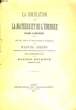
La Mission de la Femme d'après Auguste Comte. Conférence par m. J.-A. Crée. (Religion de l'humanité)
Paris, Emile Blanchard 1897 23pp., 24cm., br.orig. (petit coin détaché du plat supérieur), bon état, rare, F88313
La pensée chinoise : de Confucius à Mao Tseu-Tong - bibliothèque historique
Payot. 1955. In-8. Broché. Bon état, Couv. convenable, Dos satisfaisant, Intérieur frais. 281 pages. Inscription sur la page de garde.. . . . Classification Dewey : 180-Philosophie antique, médiévale, orientale
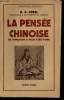
Bibliothèque historique. Traduction de Jean-François Leclerc. Classification Dewey : 180-Philosophie antique, médiévale, orientale
La pensée chinoise de Confucius à Mao Tseu-Tong. Traduction de J.-F. Leclerc.
1955 Paris, Payot, 1955, in 8° broché, 281 pages ; non coupé ; couverture illustrée.
...................... Photos sur demande ...................


Phone number : 04 77 32 63 69
LE PROBLEME RELIGIEUX DANS LA PHILOSOPHIE DE L'ACTION, M. MAURICE BLONDEL ET LE P. LABERTHONNIERE
Librairie Félix Alcan - Maisons Félix Alcan et Guillaumin Réunies. 1912. In-8. Broché. Etat d'usage, Plats abîmés, Dos abîmé, Intérieur acceptable. 112 pages. Etiquette de code sur la couverture. Quelques tampons de bibliothèque. Quelques annotations au crayon dans le texte.. . . . Classification Dewey : 100-PHILOSOPHIE ET DISCIPLINES CONNEXES
Préface de Victor DELBOS. Classification Dewey : 100-PHILOSOPHIE ET DISCIPLINES CONNEXES
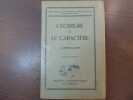
L'ECRITURE ET LE CARACTERE.
PRESSES UNIVERSITAIRES DE FRANCE. 1960. In-8. Broché. Etat d'usage, Tâchée, Coiffe en pied abîmée, Intérieur frais. 441 pages.. . . . Classification Dewey : 100-PHILOSOPHIE ET DISCIPLINES CONNEXES
15e EDITION / BIBLIOTHEQUE DE PHILOSOPHIE CONTEMPORAINE. Classification Dewey : 100-PHILOSOPHIE ET DISCIPLINES CONNEXES
LÉcriture et le caractère.
Presses Universitaires De France Paris 1947 In-8 carré ( 230 X 150 mm ) de 440 pages, broché sous couverture imprimée. Très bel exemplaire.
Le petit Retz de la spiritualité orientale.
RETZ. 1986. In-12. Broché. Bon état, Couv. légèrement passée, Dos satisfaisant, Intérieur frais. 143 pages.. . . . Classification Dewey : 180-Philosophie antique, médiévale, orientale
300 notions de Advaita à Zen. Classification Dewey : 180-Philosophie antique, médiévale, orientale
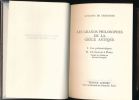
Les grands philosophes de la Grèce antique. 2 Volumes. I: Les présocratiques. II: De Socrate à Plontin.
Paris, Julliard 1988-1989, 207x140mm, 241 + 242pages, broché. Bel exemplaire.

Pour un paiement via PayPal, veuillez nous en faire la demande et nous vous enverrons une facture PayPal
LES GRANDS PHILOSOPHES DE LA GRECE ANTIQUE.
1988 Couverture souple 1988 P, Julliard , 1988 - 1989 , 2 vols in8 brochés , 241 - 242 pp . Couverture du tome 2 froissée avec une déchirure sans manque . Sinon , état neuf. Langue: Français
Les grands philosophes de la Grèce antique. I-Les présocratiques II-De Socrate à Plotin
France Loisirs France Loisirs 1989, In-8 relié cartonnage éditeur, 485 pags. Très bon état
Toutes les expéditions sont faites en suivi au-dessus de 25 euros. Expédition quotidienne pour les envois simples, suivis, recommandés ou Colissimo.
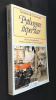
PYTHAGORE SUPERSTAR . Vies des philosophes grecs et travaux pratiques à l' heure de l' apéritif .
1985 Couverture souple 1985 Lattès , 1985 , in8 broché , 210 pp . Langue: Français
Pythagore superstar, vies des philosophes grecs et travaux pratiques à l'heure de l'apéritif.
Paris, JC Lattès, 1985. 14 x 22, 210 pp., broché, bon état.
Traduit de l'italien par Bertrand Levergeois.
Pythagore superstar, vies des philosophes grecs et travaux pratiques à l'heure de l'apéritif
JClattès Dos carré collé 1985 In-8 (14 x 22,5cm), dos carré collé, couverture illustrée par une photographie en couleur, 196 pages ; plats un peu jaunis, des rousseurs sur les tranches, intérieur frais, bel état général. Livraison a domicile (La Poste) ou en Mondial Relay sur simple demande.
La circulation de la Matière et de l'Energie dans l'univers.
"IMP. DU ""GUADALETE"". 1894. In-8. Broché. A relier, 1er plat abîmé, Dos abîmé, Non coupé. 287 pages. Dos cassé. Accrocs et petites déchirures sur les bords du 1er plat de couverture, détaché.. . . . Classification Dewey : 190-Philosophie occidentale moderne"
Nouvel Essai Philosophie Naturelle. Traduit de l'édition espagnole de 1890 par Maximin Deloche Classification Dewey : 190-Philosophie occidentale moderne
La metapsychique devant la science
Dervy Paris, Dervy, 1948. In-8 broché de 188 pages. Collection de psychologie scientifique. Couverture insolée Bon état
Toutes les expéditions sont faites en suivi au-dessus de 25 euros. Expédition quotidienne pour les envois simples, suivis, recommandés ou Colissimo.
Le problème moral et les philosophes
Armand colin 1947 in16. 1947. Broché.
jauni couverture défraîchie frottée intérieur propre
Le problème moral et les philosophies
Armand colin 1957 205 pages in12. 1957. Broché. 205 pages.
Bon Etat
LA MORALE DE KANT, ETUDE CRITIQUE
Félix Alcan, Paris. 1904. In-12. Broché. Etat passable, 1er plat abîmé, Dos abîmé, Intérieur acceptable. 211 pages. Etiquette de code sur la couverture. Quelques tampons de bibliothèque. Dos très abîmé. Plats tachés. Quelques annotations au crayon dans le texte.. . . . Classification Dewey : 100-PHILOSOPHIE ET DISCIPLINES CONNEXES
'Bibliothèque de philosophie contemporaine'. 2e édition revue et augmentée. Couronné par l'Académie des sciences morales et politiques. Classification Dewey : 100-PHILOSOPHIE ET DISCIPLINES CONNEXES
LA MORALE DE LA RAISON THEORIQUE, ESSAI PHILOSOPHIQUE
Félix Alcan, Paris. 1903. In-8. Relié demi-cuir. Bon état, Couv. convenable, Dos fané, Intérieur acceptable. 301 pages. Auteur, titre et filets dorés sur le dos. Etiquette de code sur la couverture. Quelques tampons de bibliothèque. Dos insolé. Annotations en page de faux-titre (ex-libris). Annotations au crayon dans le texte.. . . . Classification Dewey : 100-PHILOSOPHIE ET DISCIPLINES CONNEXES
La méthode. Le bonheur. La sagesse... Classification Dewey : 100-PHILOSOPHIE ET DISCIPLINES CONNEXES
LA PHILOSOPHIE FRANCAISE
PUF. 1944. In-12. Broché. Bon état, Couv. légèrement passée, Dos satisfaisant, Intérieur acceptable. 127 pages. Tampons de bibliothèque sur le 1er plat et en page de garde. Pages légèrement jaunies.. . . . Classification Dewey : 100-PHILOSOPHIE ET DISCIPLINES CONNEXES
'Que sais-je ?', n° 170. Classification Dewey : 100-PHILOSOPHIE ET DISCIPLINES CONNEXES
LE MALAISE DE LA PENSEE PHILOSOPHIQUE
Félix Alcan, Paris. 1907. In-12. Relié demi-cuir. Etat d'usage, Couv. convenable, Coiffe en tête abîmée, Intérieur acceptable. 199 pages. Titre doré sur le dos. Etiquette de code sur la couverture. Quelques tampons de bibliothèque. Tranche légèrement salie.. . . . Classification Dewey : 100-PHILOSOPHIE ET DISCIPLINES CONNEXES
'Bibliothèque de Philosophie contemporaine'. Le naturalisme et ses ennemis. Le moralisme et le traditionalisme. Le malaise, l'avenir. Classification Dewey : 100-PHILOSOPHIE ET DISCIPLINES CONNEXES
LE MECANISME DE L'ESPRIT
Librairie Armand Colin, Paris. 1950. In-16. Broché. Etat d'usage, Tâchée, Coiffe en tête abîmée, Intérieur acceptable. 216 pages.. . . . Classification Dewey : 100-PHILOSOPHIE ET DISCIPLINES CONNEXES
'Collection Armand Colin', Section de Philosophie, n° 261. Classification Dewey : 100-PHILOSOPHIE ET DISCIPLINES CONNEXES
LES BASES DE LA PHILOSOPHIE NATURALISTE
Félix Alcan, Paris. 1907. In-12. Broché. Etat d'usage, Couv. légèrement passée, Coiffe en pied abîmée, Intérieur acceptable. 178 pages. Etiquette de code sur la couverture. Quelques tampons de bibliothèque (et ex-libris). Quelques cahiers se détachant. Quelques annotations au crayon dans le texte.. . . . Classification Dewey : 100-PHILOSOPHIE ET DISCIPLINES CONNEXES
'Bibliothèque de Philosophie contemporaine'. Classification Dewey : 100-PHILOSOPHIE ET DISCIPLINES CONNEXES
LES SYSTEMES PHILOSOPHIQUES
Collection Armand Colin, N°119. 1935. In-12. Broché. Bon état, Couv. convenable, Dos satisfaisant, Intérieur bon état. 218 pages. Annotation en page de garde.. . . . Classification Dewey : 100-PHILOSOPHIE ET DISCIPLINES CONNEXES
3e édition. CAC, Section de Philosophie. Classification Dewey : 100-PHILOSOPHIE ET DISCIPLINES CONNEXES
LES SYSTEMES PHILOSOPHIQUES -
ARMAND COLIN. 1942. In-12. Relié toilé. Bon état, Couv. convenable, Dos satisfaisant, Intérieur frais. 218 pages - Tampons en page de titre - Code sur le 1 er plat et au dos - contre plats jaspés -. . . . Classification Dewey : 100-PHILOSOPHIE ET DISCIPLINES CONNEXES
COLLECTION ARMAND COLIN Classification Dewey : 100-PHILOSOPHIE ET DISCIPLINES CONNEXES

