 Write to the booksellers
760 books for « zimmermann r »Edit
-
Type
Any type (1)
Book (708)
Music sheets (48)
Photographs (3)
-
Latest
Last 3 days (2)
Last month (33)
-
Language
Dutch (1)
French (757)
German (2)
-
Century
18th (23)
19th (34)
20th (354)
21st (48)
-
Countries
Belgium (41)
Canada (3)
Côte d'Ivoire (3)
Denmark (8)
France (519)
Greece (2)
Netherlands (8)
Switzerland (176)
-
Syndicate
ALAC (3)
CLAM (4)
CNE (1)
ILAB (330)
NVVA (39)
SLACES (39)
SLAM (257)
SNCAO (1)
Topics
- Algeria (3)
- Alsace (10)
- Animals (2)
- Anthropology (2)
- Antwerp (4)
- Archaeology (13)
- Architecture (4)
- Architecture/ urban planning/ memorials (2)
- Belgium (3)
- Bicycle (4)
- Biography (7)
- Birds (4)
- Boats - ships (2)
- Botany (7)
- Carmen (3)
- Children’s books (14)
- Christmas (2)
- Citadel (4)
- Collections (2)
- Comic strip (17)
- Concentration camp (3)
- Cooking (2)
- Crime (3)
- Cycling (4)
- Dedication (8)
- Detective novels (3)
- Dorin rene (4)
- Drama (2)
- Earth (3)
- Economics (5)
- Education (8)
- Education - morals (3)
- Electricity (5)
- Entomology (3)
- Esotericism (2)
- Ethnology (8)
- Family (3)
- Fine arts (8)
- First edition (3)
- Fishes (2)
- Flowers (3)
- French speaking swiss literature (10)
- Geography (10)
- Geology (3)
- Germanic languages (19)
- Germany (6)
- Greece (3)
- Guide books (3)
- Helvética (45)
- History (26)
- Industrial arts & crafts - fine arts (6)
- Jung (2)
- Literature (36)
- Lix (2)
- Maps (6)
- Marie louise (9)
- Marriage (4)
- Medicine (21)
- Music (9)
- Nepal (3)
- Newspapers press (3)
- Oceania (3)
- Ornithology (3)
- Palaeontology (5)
- Paris (7)
- Perrault charles (2)
- Philosophy (16)
- Photography (8)
- Pisciculture (2)
- Poetry (13)
- Postcards (4)
- Psychiatry neurology (3)
- Psychology (3)
- Religions (8)
- Review (6)
- River (6)
- Sailor (2)
- Sciences (8)
- Scores (55)
- Sculpture (4)
- Sociology (2)
- Songs (54)
- Switzerland (53)
- Tales (2)
- Teaching (3)
- Technology (3)
- Theatre (8)
- Theology (5)
- Travel (6)
- Various (10)
- Waltz (3)
- War (7)
- Zimmermann daniel (35)
- Zimmermann jean louis (9)
Gaudemar Jean-Paul de,Jouvenel Hugues de,Lecomte Jacques,Méraud Jacques,Moreau Philippe,Morel Bernard,Zimmermann Jean-Benoît
Reference : nx469
(1991)
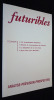
Futuribles (n°151, février 1991)
Futuribles Dos carré collé 1991 In-8 (15,5 x 24 cm), dos carré collé, 96 pages, n°151 de la revue Futuribles (février 1991) avec au sommaire : La quête identitaire, par Philippe Moreau. France 2000 : les perspectives de consommation et de croissance, par Jacques Méraud. Feu la mer d'Aral. La destruction d'un écosystème, par Jacques Lecomte. Marseille : entre Europe et Méditerranée, par Bernard Morel et Jean-Benoît Zimmermann. De Marseille à la métropole marseillaise, par Jean-Paul de Gaudemar. Sur l'utilité de la prospective régionale, par Hugues de Jouvenel ; plats et dos à peine jaunis, petit défaut en queue du quatrième plat, par ailleurs très bon état. Livraison a domicile (La Poste) ou en Mondial Relay sur simple demande.

PHILELEUTHERUS HELVETIUS. (Pseudonym of Johannes Jakob Zimmermann.)
Reference : 120531
De miraculis quae Pythagorae, Apollonio Tyanensi, Francisco Assisio, Dominico, & Ignatio Lojolae tribuuntur, libellus, auctore Phileleuthero Helvetio.
Douai (Duaci) (= Zürich), Typis Petri Columbii, 1734.
8vo. (XVI;XXXVI),404 p. Vellum 17 cm (Ref: Brunet 4,602; Graesse 5,263; E. Weller, 'Die falschen und fingirten Druckorte', Leipzig, 1858, p. 190) (Details: 5 thongs laced through the joints. Short title & year on the back. All 3 edges marbled. Good quality paper) (Condition: Vellum soiled. Old inscription on the front flyleaf: 'Bel exemplaire de ce livre curieux et recherché'; old references written on the verso of this flyleaf) (Note: 'Johannes Jakob Zimmermann, Professor der Theologie an der Karlsschule in Zürich war der erste namhafte Vertreter der religiösen Aufklärung dieser Stadt'. Zimmermann was born in 1695 in Zürich, and died there in 1756. During his studies he came under the influence of freethinkers like Clericus and Grotius, and began to dislike orthodoxy, and grew interested in heretics. In 1737 he was appointed professor of natural law and of church history in his hometown, and later succeeded, against all expectations, in gaining a professorship of theology. (Hauptprofessur) 'In dieser Stellung entfaltete er eine bedeutende Thätigkeit als Lehrer und Freund der studirenden Jugend und veröffentlichte daneben eine Reihe von theils gelehrten, theils mehr populären Abhandlungen philosophischen und theologischen Inhaltes'. Zimmermann wanted to discuss fruchtbringende Fragen instead of the traditionellen Subtilitäten, and made a stand against Verketzerungssucht. He warned against too exaggerated views on the holiness of the first christians, and the visions and wonders that occurred in the first centuries of christianity. To prove his point he wrote this De miraculis quae Pythagorae, Apollonio Tyanensi, Francisco Assisio, Dominico, & Ignatio Lojolae tribuuntur, libellus. Their stories were merely inventions of naive followers, he argues. His scepticism brought him ennemies among the clergy, who opposed his arminian heresy. 'Zimmermann's Bekämpfung der Orthodoxie stützt sich auf die Überzeugung, das die Religion eine praktische Angelegenheit des Menschen sei. Das oberste Ziel der Religion ist die Besserung des Menschen. (...) Die zürcherischen Theologen der zweiten Hälfte des Jahrhunderts kamen aus seine Schule'. (ADB 45,271-273) Zimmermann's book against wonderworking and supernatural tales remained on the Index of forbidden books of the Catholic Church till 1948. It was published pseudonymously in Zürich. The name of the Swiss author was already revealed to the public in a review of the book in the Bibliothèque germanique, ou Histoire littéraire de l'Allemagne, de la Suisse et des Pays du Nord, Année 1735, Tome 31, p. 148/152. We quote part of the review: 'Après quelques Reflexions générales sur les Miracles, il parle d'abord de ceux de Pythagore & d'Apollonius, & puis de ceux de St. François, de St. Dominique, & de St. Ignace de Loyola. Ensuite il entre dans l'Examen de la doctrine, des moers; & du but de chacun des ces faiseurs de Miracles en particulier. Il prétend que les Miracles des uns & des autres ne sauroient venir de Dieu; mais il ne veut pas non plus qu'ils ayent été l'Ouvrage de Demon, desorte qu'il ne lui reste d'autre partie à prendre que de les taxer comme il fait de Chimeres & d'impostures, de faux Miracles ménagés par l'adresse des Charlatans Thaumaturges. On se sera pas faché de lire ce que Notre Auteur dit pour appuyer son sentiment, surtout par rapport aux prétendus Miracles d'Apollonius de Tyane. Monsieur Zimmermann ameroit mieux qu'on canonisât Socrate, que les trois Saints qu'il met en parallele avec Pythagore & avec Apollonius'. Zimmermann's pseudonym Phileleutherus Helvetius, means a Swiss loving freedom, or a Swiss liberal. This pen name echoes the pseudonym used by the famous English philologist and theologian Richard Bentley, 1662-1742, the greatest name among classical scholars of the first half of the 18th century. In 1710 he published a book with his emendations of the fragments of Menander and Philemon under this assumed name. Zimmermann, by choosing this name, seems to connect his endeavour to wipe out idolatry, superstition and the belief in wonders in pre-elightenment faith with the battle fought by Bentley against orthodox classical philologists who thought that old was best. He proved in his Dissertation upon the Epistles of Phalaris (1697), that some ancient texts, which were believed to be old, authorative, and great literature, were in fact late antique forgeries without any literary or historical merit. Zimmermann tries to do the same. He argues that wondrous tales concerning Franciscus of Assisi, the founder of the Franciscan order, and Dominicus Guzman, the founder of the Dominican order, and Ignatius de Loyola, the founder of the Jesuit order, which were considered to be true, and which were promoted by the Catholic Church, were in fact mendacious fabrications. (mendacia & figmenta Monachorum, p. a2 recto) He also battles against the veneration of saints and the canonization of numerous saints by the Catholic Church. The transsubstantion of the body of Christ is in his eyes ridiculous. As a consequence the Vatican placed this book on the Index of forbidden books. And allthough Zimmermann admits in his preface, in caeteris satis ostendi, me natura ad jocos risusque proclivem non esse (p. b4 verso), one reads on the title that this book was published in 'Duaci', i.e. in Duacum, the Latin form of the name of the city of Douai in North of France, near Arras. It was in this city in the Spanish Netherlands, now French Flanders, that the Spanish king Philip II founded in 1559 with the support of pope Paulus IV a university which was to be a catholic bulwark of the Contrareformation against the spreading of the protestantism in the Low Countries. The contemporary reader would immediately have realized that this was an impossible and funny combination, an antipapist book, on the title of which pagan charlatans were on equal level with great saints, being published in the lion's den of Douai. The book was in fact published in Zürich. The name of the printer/publisher deserves some attention too. The non existing name 'Petrus Columbius' (Peter Dove) in the imprint seems to be programmatic. Contemporary readers might recognize Acts 4:8-11, where the apostle Petrus speaks up filled with the Holy Spirit, and explains that Christ is the only one a christian should worship. This passage forbids to believe in wonders, other than those of Christ, and forbids to worship other deities/saints. The dove symbolises the Holy Spirit since early christianity. It is told (John, 1:32) that the Holy Spirit descended on Jesus's head like a dove (quasi columbam), when he was baptized by John the Baptist in the Jordan. By way of conclusion we cite the titles of some chapters. Chapter 10: Miracula Pythagorae, Apollonii, Francisci, Dominici, Lojolae non sunt a Deo, quia doctrina eorum omnibus Dei virtutibus contraria, 11: '(...) quia Relig. Christianae veritatem & divinitatem subvertunt; 13: Disquiritur, utrum Miracula illa Diabolo sint tribuenda'. There is also a chapter (15) in which Zimmermann proves that Pontifices illos homines fuisse, cum rerum divinarum ignarissimos, tum impudentissimos, nequissimosque) (Collation: *8, a-b8, A-2B8 2C2) (Photographs on request)
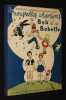
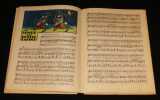
Les nouvelles chansons de Bob et Bobette, Edition de luxe avec indications de mise en scène.
Sam Fox, Editions Philippe Parès Bob et Bobette Album cartonné In-4 cartonné, premier plat illustré en couleurs, sans date, 32 pp., paroles, musique, illustrations couleurs ; des taches sur la couverture, intérieur frais sauf quelques marques de crayons de couleur, bon exemplaire. Livraison a domicile (La Poste) ou en Mondial Relay sur simple demande.
La parenté
Presses Universitaires de France Dossiers logos Broché 1972 In-12 (11x19 cm), broché, 94 pages ; coiffes et coins légèrement frottés, plats jaunis, quatrième plat un peu sali, bon état. Livraison a domicile (La Poste) ou en Mondial Relay sur simple demande.
L'Homme : problèmes et merveilles de la nature humaine, physique et intellectuelle. Origine de l'homme, son développementde l'état sauvage à l'état de civilisation ; exposé complet d'anthropologie et d'ethnographie à l'usage des gens du monde
Muquardt C., Schulz et Thuillié Relié 1964 In-8 (16,8 x 24,5 cm), reliure pleine toile, dos lisse orné de filets dorés, 976 pages, illustrations en noir in et hors texte et quelques-unes en couleur ; mors fendus, coiffes et bords des plats usés, intérieur frais, état moyen. Livraison a domicile (La Poste) ou en Mondial Relay sur simple demande.
Vendre en détail (le guide du commerçant et du vendeur)
Editions ERL E. Ruckstuhl Broché In-8 (15x21 cm), broché, couverture à rabats, 216 pages ; coiffes et coins frottés, traces de frottement sur le 4e plat jauni, rousseurs aux tranches, assez bon état. Livraison a domicile (La Poste) ou en Mondial Relay sur simple demande.
Franck B.,Hiebel J.-L.,Le Léannec B.,Messner F.,Schlick J.,Wahl A.,Woehrling J.-M.,Zimmermann M.
Reference : cv3075
(1979)
Eglises et état en Alsace et Moselle
Université des sciences humaines de Strasbourg Hommes et Eglise Dos carré collé 1979 In-8 broché dos carré collé, 354 pp. ; très bon état. Livraison a domicile (La Poste) ou en Mondial Relay sur simple demande.
Nouvelles chansons de Bob et de Bobette
Editions Phillipe Parès Plaquette In-16 (15,6 x 12,2 cm), format italien, plaquette dos agrafé, 24 pages, sans date ; tampon aux plats, petites taches au premier plat, note manuscrite au quatrième plat, par ailleurs assez bon état général. Livraison a domicile (La Poste) ou en Mondial Relay sur simple demande.
Les Phénomènes de la nature, leurs lois et leurs applications aux arts et à l'industrie (2 volumes)
Charles Muquardt, Gustave Havard, Schulz et Thuillié Relié 1858 Deux volumes in-8 (16,7 x 24,5 cm), reliure demi-peau, dos lisses ,gardes couleur, Tome 1 : Electricité - Magnétisme - Galvanisme (VIII-515 pp.) ; Tome 2 : Mécanique - Acoustique - Optique - Calorique (584 pp.), nombreuses figures en noir dans le texte ; épidermures sur le cuir, coins et coupes usés, intérieur frais, assez bon état général. Livraison a domicile (La Poste) ou en Mondial Relay sur simple demande.
Dans la baignoire d’Archimède. Faut-il être un génie pour avoir de bonnes idées?
<p>Pour quelle raison Archimède a-t-il trouvé l'inspiration dans son bain ? Comment Edison est-il parvenu à inventer l'ampoule ? Pourquoi les plus grandes découvertes de Poincaré se faisaient à des moments inattendus ? Quelles techniques utilisait le scénariste des Monthy Python ? Vous n'avez peut-être jamais eu, comme eux, l'idée d'une technologie révolutionnaire ou développé de grands projets artistiques... Pour autant, la créativité s'invite tous les jours dans notre quotidien, de l'éducation de nos enfants à l'accommodation des restes de nos placards. Et, bonne nouvelle, elle se travaille ! Ce livre invite à comprendre comment naissent les idées et à démystifier la notion de « créativité ». Vous apprendrez pourquoi il est souhaitable d'aller au-delà de vos premières intuitions (ou de leur résister) ; d'adopter un juste usage de la critique ; d'enquêter sur un problème en remontant à ses racines ; d'accorder à vos idées une « présomption de pertinence » ; de rebondir sur les hasards et les opportunités, et surtout… de prendre votre temps. Après avoir lu ce livre, vous ne direz plus : « Ça ne marchera jamais », « J'ai toujours fait comme ça », « Il n'y a qu'une seule solution »… ou, pire encore : « Je ne suis pas créatif ! ».<br>Préparez-vous à plonger dans votre propre baignoire d'Archimède.</p> Paris, 2021 Arkhê 192 p., broché. 14 x 20
Neuf
Art antique dans les collections du musée Barbier-Mueller
Hazan Cartonné avec jaquette 1991 Grand in-4 (33*30), cartonné sous jaquette illustrée, 181pp. dont 53 planches d'illustrations, illustrations in texte et cartes, catalogue descriptif des illustrations, bibliographie ; très legérs défauts à la jaquette, très bon état. Livraison a domicile (La Poste) ou en Mondial Relay sur simple demande.
Dissertatio Physiologica de Irritabilitate quam Divinis Auspiciis consensu, gratiosae facultatiis Medicae pro Obtiendis. Doctoris Medici Honoribus publice defendet Auctor Ioannes Georgius Zimmerman (sic). - Angebunden: Brendel, Johann Gottfried: Commentariolo de Logarithmis Parabolicis solemnia Honorum in Meicina Summorum aditalia Praenobilissimi Doctissimique Candidati Jo. Georgi Zimmermann.
2 Titel in 1 Band. Göttingen, Typis Georg Ludov. Schulz. 1751. 4°. 4 n.n. Bl., 74 S., 1 S. Errata; 14 S., 1 gestochenes Blatt in unbeschnittenen und ungefalteten Druckbögen. Ohne Einband.
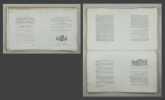
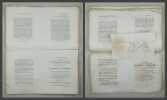
Ischer, Bibliographie 1. - Bibliographia Halleriana 816. - Erste Ausgabe der ersten Buchveröffentlichung von Zimmermann. Seine Dissertation, auf Anregung und mit Hilfe von Albrecht von Haller, bei dem er promovierte, gilt als Beginn der Neurophysiologie als moderne Wissenschaft. Zimmermann durfte bei seinen Experimenten über die Reizbarkeit animalischen Gewebes auf den Zugang zu Hallers Laboratorium zählen. Er widmete seine Arbeit Haller, mit dem er bis zu dessen Tode freunschaftlich verbunden blieb. - Unserem Exemplar ist ein mathematischer Aufstz von Johann Gottfried Brendel nachgestellt, zusammen mit dem Lebenslauf von Zimmermann, der bei der nachträglichen Feier vorgelesen wurde. - Unbeschnittene Druckbögen, stellenweise mit leichten Randläsuren und fleckig. Etwas gebräunt. - In dieser Form und mit dem Nachtrag von uns bibliographisch nicht nachweisbar.
# TITRE: Découverte de La Chaux-de-Fonds - 2eme série
# AUTEUR: Zimmermann # ÉDITEUR: # ANNÉE ÉDITION: 1935 # ENVOI, BEAUX PAPIERS: Vélin # COUVERTURE: rhodoïd titre noir vertical # DÉTAILS: In 4° dos spirale non paginé. cette plaquette au tirage restreint n'est pas mise dans le commerce. 21 planches photographiques héliogravées par Haefeli Co, couverture tirée d'un plafond peint dans la maison des Bressels. Le manuscrit original de Jean-Paul Zimmermann est tiré sur Vélin brut, les planches héliogravées sur Vélin blanc à la cuve, par les procédés Hélio-Roto. Photographies prises par Haefeli Co. Carton doré d'hommage à Mr Courvoisier collé sur la page de garde. Etat d'usage, légère déchirure à la couverture. # PHOTOS visibles sur www.latourinfernal.com
Texte de J.P. Zimmermann, l'impression en a été achevée le 20 février 1935 à la Chaux-de-Fonds, Edmond Chatelain étant prote et Georges Cattin chef-pressier, sous la direction de Fritz Haefeli, maître-imprimeur. Plaquette offerte à ceux qui apprécient l'effort de la maison d'arts graphiques Haefeli vers plus de perfection.
Magies de Verlaine. Etude de l'évolution poétique de Paul Verlaine.
Genève-Paris, Slatkine, 1981, gr. in-8°, 350 pp, 2e édition, chronologie de Verlaine, index des noms, index des poèmes cités, biblio critique choisie, broché, bon état
"Depuis la parution du "Vrai Verlaine" d'Antoine Adam, il y a une trentaine d'années, ce poète aimé et maudit a retrouvé la faveur et la saveur des chercheurs français et anglo-saxons. Le professeur Zimmermann, qui enseigne à l'université de Rochester, a fourni un travail critique impressionnant. Son étude a réalisé l'impossible : une présentation objective du poète lyrique le plus subjectif de tous. Le système suivi est à la fois thématique et chronologique (le cycle Mathilde suit judicieusement le cycle Rimbaud). Les dix chapitres très complets permettent au lecteur de comprendre l'évolution de Verlaine à travers l'œuvre et la vie du poète. Malgré une quantité impressionnante de recherches érudites, le livre de Mlle Zimmermann constitue une lecture fascinante. Il est passionnant de découvrir que ce génie hanté, déchiré entre "Sagesse" et "Amour", a acquis une technique unique et si poétiquement parfaite qu'elle permet de réaliser un "summum bonum" sous forme de vers. Le livre évite à juste titre d'aborder les aspects les plus scabreux de Verlaine : "Femmes" et "Hombres" ne sont pas traités ici, et il n'y a pas non plus de références à certains poèmes de Verlaine que l'Edition de la Pleiade qualifie de "délibérément obscènes". Le long chapitre final "Vision de Verlaine - paysages et monde extérieur" est, à mon avis, particulièrement réussi. Mlle Zimmermann y suit les "yeux précoces" du poète dans l'explication de plusieurs sonnets et "Ariettes oubliées". Rarement ces natures mortes d'ambiance ont été aussi bien analysées." (Paul A. Mankin, Univ. of Massachusetts, Books Abroad, 1968) Désormais les frais d'envoi sont de 6 € seulement pour les livres jusqu'à 1 kg (colissimo suivi), pour la France métropolitaine.
Seelenarzt und armer Tropf. Königlicher Leibarzt Johann Georg Zimmermann 1728-1795. Stadtarchiv Hannover/ Fachhochschule Hannover (Hrsg.) 1995, 54 S. & + STÜSSI-LAUTERBURG, Barbara: Johann Georg Zimmermann Die Einsamkeit des konservativen Intellektuellen Sep. 1996. ca. 25 S. / + Ein Sticj gegen Zimmermann. Austellung i.d. Nieders. Landesbibl. Hannover 1993, 43 S. illustriert.
1995 in-8vo, 3 Brosch. zus. Original-Broschüre.

(SLACES, NVVA)
Phone number : 41 (0)26 3223808
Vergeten linies. Antwerpse bunkers en loopgraven door de lens van Leutnant Zimmermann (1918) ** 3 delen
Antwerpen , provincie Antwerpen, 2013 -2018 3 boekdelen linnen hardcovers met stofomslag, Formaat 24 x 24 cm, DRIE fraai en rijk geillustreerde boekdelen, 274+ 280 en 212 pagina's. !!! nieuwstaat !! standaardwerk !! ISBN 9789066251731.
Op een heldere januaridag in 1918 verzamelt Leutnant Josef Zimmermann zijn team op het militaire vliegveld van Schaffen in Diest. Hij heeft de opdracht gekregen de eigen, Duitse verdedigingslinie in de provincie Antwerpen te fotograferen. Vanuit zijn tweedekker overziet hij de tientallen forten, schansen, geschutsopstellingen en loopgraven. Ook langs het kanaal Dessel-Turnhout-Schoten is het zicht uitstekend: ideaal voor het maken van goede luchtfoto?s die kunnen dienen om de uitvoering en de camouflage van de stellingen te controleren. De foto?s worden ontwikkeld en geanalyseerd, waarna ze in dikke dossiers verdwijnen en vergeten raken. Na de oorlog komen de foto?s via Berlijn, Moskou en Parijs in Brussel terecht. Pas in 2007 duiken ze weer op. In Vergeten linies. Antwerpse bunkers en loopgraven door de lens van Leutnant Zimmermann (1918) ontdekt u niet alleen alle details van deze unieke luchtfotoreeks. Ook het onderzoek dat tot de herontdekking van de linie heeft geleid, de 400 bunkers en de 10 kilometer loopgraven die nu nog in de provincie bewaard zijn, komen uitgebreid aan bod. Het boek laat u kennismaken met dit zeer goed bewaard militair erfgoed, met elementen die uniek zijn voor Belgie en zelfs voor Europa, en gaat in op een minder gekend onderbelicht aspect van de Groote Oorlog. Die woedde immers niet alleen aan het westelijke front, maar drukte ook honderd kilometer daarvandaan in bezet gebied zijn stempel op het landschap en op het dagelijks leven.
Vergeten linies. Antwerpse bunkers en loopgraven door de lens van Leutnant Zimmermann (1918) ** DEEL 1
Antwerpen , provincie Antwerpen, 2013 hardcover met stofomslag, Formaat 24 x 24 cm, fraai en rijk geillustreerde boek, 274 pagina's. nieuwstaat !! standaardwerk !! ISBN 9789066251731.
Op een heldere januaridag in 1918 verzamelt Leutnant Josef Zimmermann zijn team op het militaire vliegveld van Schaffen in Diest. Hij heeft de opdracht gekregen de eigen, Duitse verdedigingslinie in de provincie Antwerpen te fotograferen. Vanuit zijn tweedekker overziet hij de tientallen forten, schansen, geschutsopstellingen en loopgraven. Ook langs het kanaal Dessel-Turnhout-Schoten is het zicht uitstekend: ideaal voor het maken van goede luchtfoto?s die kunnen dienen om de uitvoering en de camouflage van de stellingen te controleren. De foto's worden ontwikkeld en geanalyseerd, waarna ze in dikke dossiers verdwijnen en vergeten raken. Na de oorlog komen de foto?s via Berlijn, Moskou en Parijs in Brussel terecht. Pas in 2007 duiken ze weer op. In Vergeten linies. Antwerpse bunkers en loopgraven door de lens van Leutnant Zimmermann (1918) ontdekt u niet alleen alle details van deze unieke luchtfotoreeks. Ook het onderzoek dat tot de herontdekking van de linie heeft geleid, de 400 bunkers en de 10 kilometer loopgraven die nu nog in de provincie bewaard zijn, komen uitgebreid aan bod. Het boek laat u kennismaken met dit zeer goed bewaard militair erfgoed, met elementen die uniek zijn voor Belgie en zelfs voor Europa, en gaat in op een minder gekend onderbelicht aspect van de Groote Oorlog. Die woedde immers niet alleen aan het westelijke front, maar drukte ook honderd kilometer daarvandaan in bezet gebied zijn stempel op het landschap en op het dagelijks leven.
Vergeten linies. Antwerpse bunkers en loopgraven door de lens van Leutnant Zimmermann (1918) ** DEEL 2
Antwerpen , provincie Antwerpen, 2013 hardcover met stofomslag, Formaat 24 x 24 cm, fraai en rijk geillustreerde boek, 280 pagina's. nieuwstaat !! standaardwerk !! Enkel deel 2. ISBN 9789066251731.
Op een heldere januaridag in 1918 verzamelt Leutnant Josef Zimmermann zijn team op het militaire vliegveld van Schaffen in Diest. Hij heeft de opdracht gekregen de eigen, Duitse verdedigingslinie in de provincie Antwerpen te fotograferen. Vanuit zijn tweedekker overziet hij de tientallen forten, schansen, geschutsopstellingen en loopgraven. Ook langs het kanaal Dessel-Turnhout-Schoten is het zicht uitstekend: ideaal voor het maken van goede luchtfoto?s die kunnen dienen om de uitvoering en de camouflage van de stellingen te controleren. De foto's worden ontwikkeld en geanalyseerd, waarna ze in dikke dossiers verdwijnen en vergeten raken. Na de oorlog komen de foto?s via Berlijn, Moskou en Parijs in Brussel terecht. Pas in 2007 duiken ze weer op. In Vergeten linies. Antwerpse bunkers en loopgraven door de lens van Leutnant Zimmermann (1918) ontdekt u niet alleen alle details van deze unieke luchtfotoreeks. Ook het onderzoek dat tot de herontdekking van de linie heeft geleid, de 400 bunkers en de 10 kilometer loopgraven die nu nog in de provincie bewaard zijn, komen uitgebreid aan bod. Het boek laat u kennismaken met dit zeer goed bewaard militair erfgoed, met elementen die uniek zijn voor Belgie en zelfs voor Europa, en gaat in op een minder gekend onderbelicht aspect van de Groote Oorlog. Die woedde immers niet alleen aan het westelijke front, maar drukte ook honderd kilometer daarvandaan in bezet gebied zijn stempel op het landschap en op het dagelijks leven.
Montmartre mon pays.
P., Marcelle Lesage, 1928 ; petit in-8, broché. 86pp.-3ff. Aquarelle couleur en frontispice et dessins in-texte en noir par ZIMMERMANN. Bon état, en partie non coupé.
![Montmartre mon pays.. DORGELES (Roland) - [ZIMMERMANN (René)].](https://static.livre-rare-book.com/pictures/AIS/10790_1_thumb.jpg)
![Montmartre mon pays.. DORGELES (Roland) - [ZIMMERMANN (René)].](https://static.livre-rare-book.com/pictures/AIS/10790_2_thumb.jpg)
Edition tirée à 2000 exemplaires, un des 1950 sur Ingres blanc.
Géographie universelle tome troisième états scandinaves régions polaires boréales
Armand colin 1933 in4. 1933. Broché.
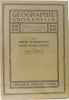
Bon Etat rousseurs un peu jauni
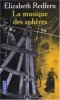
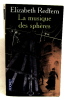
Redfern Elizabeth Zimmermann Nathalie Zimmermann Nathalie
Reference : 231460
(2004)
ISBN : 2266130536
Eucharist - Eucharistie Bibliographie internationale 1975-1984 international bibliography 1975-1984 (ric supplément 96-98
Cerdic 1985 non paginé env. 150p pages in8. 1985. Broché. non paginé env. 150p pages.
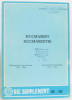
Bon Etat général bords et couverture un peu frottés tranche ternie aux coins intérieur propre
The woman in the chruch - La Femme dans l'église Bibliographie internationale 1975-1984 international bibliography 1975-1984 (ric supplément 94-95)
Cerdic 1985 non paginé env. 150p pages in8. 1985. Broché. non paginé env. 150p pages.
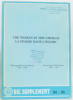
Bon Etat général bords et couverture un peu frottés tranche ternie aux coins intérieur propre
Catechetics and education catéchèse et éducation Bibliographie internationale 1975-1984 international bibliography 1975-1984 (ric supplément 88-90)
Cerdic 1984 239 pages in8. 1984. Broché. 239 pages.
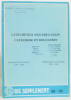
Bon Etat général bords et couverture un peu frottés tranche ternie aux coins intérieur propre ancien livre de bibliothèque
Penance and reconciliation pénitence et réconciliation Bibliographie internationale 1975-1984 international bibliography 1975-1984 (ric supplément 86-87)
Cerdic 1984 144 pages in8. 1984. Broché. 144 pages.
Bon Etat général bords et couverture un peu frottés tranche ternie aux coins intérieur propre ancien livre de bibliothque inscription sur la couverture

