 Write to the booksellers
1558 books for « sartre j paul »Edit
-
Type
Book (1529)
Magazine (27)
Music sheets (2)
-
Latest
Last 24h (1)
Last month (11)
Last week (1)
-
Language
Dutch (2)
French (1556)
-
Century
19th (1)
20th (911)
21st (24)
-
Countries
Belgium (101)
Canada (13)
Côte d'Ivoire (3)
Denmark (18)
France (1317)
Germany (8)
Switzerland (98)
-
Syndicate
ALAC (12)
CLAM (11)
CLAQ (2)
CNE (4)
ILAB (643)
NVVA (3)
SLACES (3)
SLAM (587)
Topics
- Abraham (3)
- Adam (3)
- Algeria (2)
- Anti-semitism (3)
- Autographs (5)
- Bibliophilism (12)
- Biography (9)
- Camus albert (3)
- Cinema (8)
- Cohen-solal annie (4)
- Colette (3)
- Colonies (2)
- Dostoievsky - dostoievski (3)
- Drama (3)
- Drawings (2)
- Dry-point (3)
- Early printed books (7)
- Esotericism (2)
- Essays (13)
- Ethic (5)
- Existentialism (30)
- Faith (3)
- Fine arts (6)
- First edition (137)
- French literature (10)
- Gallimard (17)
- Genet jean (9)
- Geography (4)
- Germanic languages (8)
- Guillemein henri (2)
- Hackney (3)
- Head edition (5)
- Hebraic literature (4)
- History (13)
- Humanism (4)
- Iconography (3)
- Illustrated books (4)
- Indochina (2)
- Judaism (judaica) (9)
- Kafka franz (3)
- Leiris michel (3)
- Literary criticism (3)
- Lithographs (6)
- Magazine (20)
- Manuscripts (5)
- May 1968 (4)
- Modern comic (3)
- Modern illustrated book (3)
- Modern times (3)
- Newspapers press (22)
- Numbered edition (3)
- Paris (10)
- Philosophy (143)
- Photography (4)
- Pléiade & album de la (16)
- Poetry (10)
- Policy (8)
- Prassinos (28)
- Psychoanalysis (4)
- Psychology (25)
- Religions (3)
- Reliure (4)
- Review (19)
- Reviews (47)
- Richter Jean Paul (4)
- Sartre jean paul (1222)
- Shapes & colours (5)
- Sicard (4)
- Simone (12)
- Sociology (4)
- Tales (3)
- Theatre (123)
- United states (3)
- Various (5)
- War (10)
- Woods & woods’ price lists (2)
- Xxth century (2)
La Putain respectueuse. - [PRESENTATION-COPY]
Paris, Nagel, 1946. 8vo. Original printed wrappers. Uncut copy. The spine shows light wear, with a small tear to lower front hinge, but remains fully intact. The corners are slightly bumped, and there is minor edge wear to the covers. Internally clean and well-preserved throughout.
First edition, presentation-copy, of one of the most significant plays. Inscribed and signed by Sartre to front free end-paper: ""Les extrêmes se touchent toujours. / C’est pourquoi je dédie / cet ouvrage à Madame / Tage Hansen, laquelle n’est / ni putain ni respectueuse. / Paul S."" Jean-Paul Sartre's La Putain respectueuse is one of the most significant plays in his vast literary oeuvre, first published in 1946, just after World War II, during a time of profound social and political change. This play is not only a compelling dramatic work but also a profound exploration of existentialist philosophy, a hallmark of Sartre’s writing. Sartre masterfully weaves his philosophical ideas into La Putain respectueuse, using it to examine the complex intersection of race, class, and moral integrity—themes that resonate powerfully both in their historical context and in contemporary discussions. Sartre was inspired in part by his relationship with Simone de Beauvoir, a prominent philosopher and writer. Their intellectual partnership greatly influenced Sartre's exploration of themes such as gender and morality, as Beauvoir's work often challenged traditional notions of femininity and societal roles. This context deepens the understanding of Sartre's characters and moral dilemmas. Set in the deeply segregated American South, the play offers a sharp critique of racial injustice, centering on a Black man falsely accused of rape. This accusation reflects the pervasive systemic racism of the time, which remains largely unchallenged by society. The protagonist, Lizzie, a prostitute, finds herself at the heart of a moral and ethical dilemma. Her testimony could either condemn an innocent man or align with the corrupt powers that seek to manipulate her. Lizzie’s struggle embodies a broader existential question: How can one maintain individual freedom and moral integrity when society pressures them to comply with injustice? In La Putain respectueuse, Sartre’s meditations on freedom and responsibility come to life. Lizzie’s plight encapsulates the existential challenge of living authentically—staying true to oneself and one’s values—while being caught in the web of societal expectations and moral compromise. Sartre’s existentialist philosophy argues that individuals are ""condemned to be free,"" meaning that freedom carries the unavoidable weight of choice. Lizzie’s decision becomes a powerful commentary on the human condition, the burden of ethical choices, and the often painful consequences of moral courage. Beyond its philosophical depth, La Putain respectueuse stands as an exemplary representation of Sartre’s ability to merge political commentary with dramatic intensity. His critique of systemic racism and class exploitation remains highly relevant, offering both a historical reflection and a mirror to contemporary issues of inequality and oppression. This work remains a cornerstone of French theatre and existentialist thought, emblematic of Sartre’s enduring intellectual legacy. La Putain respectueuse continues to offer profound insights into the social conflicts of its time while maintaining a timeless relevance in its exploration of the human condition.

Galgenfrist. Frihedens Veje. [i.e. ""Le Sursis"" - in Danish]. - [PRESENTATION-COPY FOR HIS LOVER]
København [Copenhagen], 1964. 8vo. Original printed yellow wrappers with green and black lettering. Minor soiling and minor creasing to wrappers. Internally near mint condition. Uncut and unopened. 371 pp.
Signed presentation-copy for Michelle Léglise (A Michell/ 11 Janvier 66/ Jean Pauls S"") of the first edition of the first Danish translation of ""Le Sursis"". This is a higly interesting presentation-copy, since Michelle Léglise (or Michelle Vian as she was named at the time), was both the wife of a close friend of Sartre, herself a close friend, and eventually - around the time of this presentation - his lover.In 1940 Michelle Léglise had met the French multi-artist and author Boris Vian, whom she married already in 1941. Boris Vian (1920-1959) is best known today for his novels (many of which were published under the pseudonym Vernon Sullivan). He was also of great importance to the French jazz-scene and served as liason for Duke Ellington and Miles Davis in Paris. He was also a popular musician in his own time. When he met Michelle, she taught him English and introduced him to American literature. They had a son together in 1942. In the middle of the 40'ies, Vian was struggling to have his novels acknowledged, but those that he published in 1945 were not very successful. He did, however, in 1946 have the luck of meeting, and later befriending Jean-Paul Sartre and Simone de Beauvoir, as well as Albert Camus, and he began publishing in ""Les Temps Modernes"". Thus, also Michelle got acquainted with the most famous couple in France at the time - and very well acquainted with Sartre! In fact the two became lovers and began an affair that lasted throughout Sartre's life, in 1980. Michelle and Boris Vian thus divorced in 1951 under messy circumstances. Both Beauvoir and Sartre were very fond of Boris Vian and had promoted him often, but the messy divorce seems to have created spite between the different parties involved - Sartre sided with Michelle, and Simone de Beauvoir with Boris Vian. ""Le Sursis"" originally appeared in 1945 as part II of ""Chemins de la liberté"". When the first Danish edition appeared in 1965, Sartre and Michelle were still lovers.
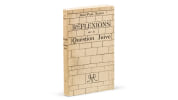
Réflexions sur la question juive
Édition originale des Réflexions sur la question juive, cette œuvre de Sartre qui « fit effraction dans le silence convenu de l’époque » (Shmuel Trigano). L’un des 120 exemplaires numérotés du tirage de tête, à l’état de neuf, conservé dans sa brochure d’éditeur, tel que paru. In-16 de 199 pp. Broché, couverture imprimée, exemplaire non rogné. Brochure de l'éditeur. 186 x 120 mm. Sartre, Jean-Paul. Réflexions sur la question juive. Paris, Paul Morihien, 1946. « Les Réflexions sur la question juive marquent un moment important. C’est l’œuvre la plus proche de la guerre. Elle fit effraction dans le silence convenu de l’époque » (Shmuel Trigano). « Cet essai est d'abord dirigé contre l'antisémitisme, puisque Sartre y affirme que le Juif est créé par l'antisémitisme car « si le Juif n'existait pas, l'antisémite l'inventerait ». Seule une modification radicale de la société pourra détruire l'antisémitisme » (Dictionnaire des œuvres). « Comment agir sur l’antisémitisme ? », demande Sartre qui, au cours de l’été 1939, donne un entretien sur cette question à Arnold Mandel pour la Revue juive de Genève. Alors que la prise de conscience de l’extermination des Juifs pendant la guerre se fait lentement, Sartre consacre très tôt une étude à l’antisémitisme européen. Entre octobre 1944 et novembre 1946, il rédige les Réflexions sur la question juive, à la fois écrit de combat, essai d’existentialisme appliqué et description phénoménologique. Ainsi qu’il l’affirme à Benny Lévy, « La Question Juive est une déclaration de guerre aux antisémites ». Ses Réflexions suivent le schéma de quatre personnages : l’antisémite, le démocrate, le Juif inauthentique et le Juif authentique, et visent deux cibles : d’une part l’antisémite dont il dresse un portrait dévastateur ; d’autre part le démocrate qui prétend régler le problème par l’assimilation. Angoissé d’une existence vide, l’antisémite se persuade que « sa place a toujours été marquée dans le monde, qu’elle l’attendait et qu’il a, de tradition, le droit de l’occuper. L’antisémite, en un mot, c’est la peur devant la condition humaine » ; « cette phrase : « Je hais les Juifs », est de celle qu’on prononce en groupe ; en la prononçant, on se rattache à une tradition et à une communauté : celle des médiocres ». Confrontée à l’antisémitisme, poursuit Sartre, quelle est la situation des Juifs en France ? Le livre se termine par un appel à la lutte, par un cri d’alerte et d’larme audacieux et retentissant. Sartre lance : « Pas un Français ne sera libre tant que les Juifs ne jouiront pas de la plénitude de leurs droits. Pas un Français ne sera en sécurité tant qu’un Juif, en France et dans le monde entier, pourra craindre pour sa vie » (Aliocha Wald Lasowski). L’un des 120 exemplaires numérotés du tirage de tête, imprimé sur pur fil Lafuma, à l’état de neuf, conservé dans sa brochure d’éditeur, tel que paru. Rare et recherché des bibliophiles dans cette belle condition.
édition_originale

Saint Genet comédien et martyr. Manuscrit autographe partiel comportant de nombreuses ratures, ajouts et corrections.
[1950-1952] : 82 ff. in-4 (21 x 27 cm) à l’encre sur papier quadrillé, 15 ff. dactylographiés. Manuscrit autographe partiel comportant de nombreuses ratures, ajouts et corrections. Ces feuillets manuscrits, sont complétés par 15 feuillets dactylographiés, certains portants de très nombreux ajouts et corrections autographes. Cette biographie de Jean Genet publiée chez Gallimard en 1952 est née d’un projet de préface que Sartre destinait aux Œuvres complètes de l’écrivain, dont six fragments furent successivement publiés dans Les Temps modernes de juillet à novembre 1950. Écrit entre Baudelaire et L’Idiot de la Famille, Saint-Genet comédien et martyr est parmi les grandes biographies littéraires de Sartre la seule consacrée à l’un de ses contemporains. Le projet est décrit par l’auteur dans ses entretiens avec Simone de Beauvoir (La Cérémonie des adieux, p. 350) : « Parce que je m’étais lassé de faire de la philosophie. [...] J’ai fait L’Être et le Néant et je me suis fatigué ; là aussi il y avait une suite possible, je ne l’ai pas faite. J’ai écrit Saint Genet qui peut passer comme intermédiaire entre la philosophie et la littérature.»Plus loin, Sartre évoque l’accueil que Genet réserva au texte : « Quand j’ai eu fini, je lui ai donné le manuscrit, il l’a lu, et une nuit, il s’est levé, il est allé jusqu’à une cheminée et il a pensé le jeter au feu. Je crois même qu’il a jeté des feuilles et qu’il les a reprises. Ça le dégoûtait parce qu’il se sentait bien tel que je l’avais décrit [...]. Il se prenait pour le poète et il me prenait pour le philosophe. » Cette observation est corroborée par un feuillet dactylographié consacré à la révélation poétique de l’auteur de Notre-Dame des Fleurs (Il assistait à la naissance des vers, il en fait, à présent, sur le même modèle. “Un ange qui sanglote... etc...” est un mauvais vers, facile, fade, in-sincère. Mais à travers lui le poète s’atteint comme activité créatrice et découvre pour la première fois que la poésie n’est peut-être pas un destin.), en marge duquel Jean Genet a porté un commentaire autographe à la mine de plomb : « vrai à tel point que c’est en écrivant ce poème - en le fabricant - et non en écrivant N.D. des Fleurs, que j’eus la stupéfaction un peu humilié qu’on fait des vers, ou qu’on peut en faire. »Dans un entretien réalisé en 1964 pour Playboy, Jean Genet reconnut avoir « été pris d’une sorte de nausée, parce que je me suis vu mis à nu, et par un autre que moi-même. Certes je me dévoile entièrement dans tous mes livres, mais dans le même temps, j’ai recours au déguisement des mots, des attitudes, des choix particuliers. J’utilise une certaine magie et fais en sorte de me ménager un peu. Or Sartre m’a dépouillé sans faire de cérémonie, à la hussarde... Ma première réaction a été de vouloir brûler le livre ; Sartre m’avait donné le manuscrit à lire. Puis j’ai accepté sa publication parce que mon principal souci a toujours été d’assumer la responsabilité de mes actes. Il m’a fallu du temps pour me remettre de la lecture de son livre. Je me suis retrouvé dans une quasi-impossibilité d’écrire. [...] Le livre de Sartre a créé en moi un vide qui a joué comme une sorte de détérioration psychologique. »La part la plus importante du manuscrit de Saint-Genet se trouve à la BnF, au départements des manuscrits, sous la côte NAF 28405-40 : divisé en trois sous-ensembles, il contient des fragments du livre I et les six premières parties du livre II (NAF 28405-41) ; puis la dernière partie du livre II (Caïn) et le livre III (NAF 28405-42) ; suivi du livre IV et de fragments non foliotés, qui seront insérés dans la la version définitive du livre IV, ainsi que les notes (NAF 28405-42). L’ensemble que nous produisons comporte quant à lui les parties suivantes (pour la pagination, se rapporter à l’édition Gallimard de 1952, bien que ce manuscrit diffère parfois grandement de l’imprimé): deuxième partie du livre I : La Métamorphose (pages 20 à 40), plusieurs fragments du livre IV (pages 402 à 405, pages 534 à 447, pages 497-500). La dernière partie de Saint-Genet est complète, de la page 517 à la fin du volume, page 578. On y retrouve après le dernier chapitre du livre IV la célèbre conclusion Prière pour le bon usage de Genet (page 538 à 570).Prière pour le bon usage de Genet, inséré à la fin du volume et dont le manuscrit manquait lors de l’exposition Sartre à BnF de 2005, y est décrit dans le catalogue comme « un manifeste d’intention » dont le premier paragraphe est reproduit en notice : « Montrer les limites de l’interprétation psychanalytique et de l’explication marxiste et que seule la liberté peut rendre compte d’une personne dans sa totalité, faire voir cette liberté aux prises avec le destin, d’abord écrasée par ses fatalités puis se retournant sur elles pour les digérer peu à peu, prouver que le génie n’est pas un don mais l’issue qu’on invente dans les cas désespérés, retrouver le choix qu’un écrivain fait de lui-même, de sa vie et du sens de l’univers jusque dans les caractères formels de son style et de sa composition, jusque dans la structure de ses images, et dans la particularité de ses goûts, retracer en détail l’histoire d’une libération : voilà ce que j’ai voulu. » t qui] n'entend rien à la politique". Il donne une discussion animée entre un ami "fasciste" et un autre "communisant" échangeant, autour d'une table de bistrot, leurs opinions sur le film. Sartre en fait une analyse précise, opposant la lecture catholique et la lecture marxiste du film.TRÈS BEL ENSEMBLE DE MANUSCRITS DE SARTRE
Le scénario Freud.
Gallimard, collection Connaissance de l'inconscient, série La psychanalyse et son histoire, 1984. In-8 broché, couverture légèrement défraîchie (quelques traces de plis, dont plis de lecture au dos).
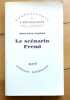
"Dans le courant de l'année 1958, le réalisateur américain John Huston demande à Sartre d'écrire un scénario sur Freud, plus précisément sur ce temps conflictuel de la découverte où Freud, renonçant à l'hypnose, invente la psychanalyse. De ce travail de commande, Sartre va se saisir avec autant d'amusement que de passion. Il remet l'année suivante à Huston un scénario, "gros comme ma cuisse", dira le metteur en scène qui demande remaniements et coupures. Mais la seconde version - on reconnaîtra là un trait de Sartre - est encore plus volumineux. Finalement, Sartre renonce et exige que son nom ne figure pas au générique du film Freud, the Secret Passion, tourné en 1961. Pour écrire son scénario, Sartre lit la biographie de Jones, les Etudes sur l'hystérie, L'interprétation des rêves. Ces lectures transforment l'image, jusqu'alors plutôt négative, qu'il se faisait de Freud. Elles lui révèlent une personnalité contradictoire, violente et retenue, en lutte permanente avec elle-même et l'entourage. Elles lui montrent que la psychanalyse, avant d'être une doctrine, est le produit d'un long travail mené sur soi et d'abord contre soi. Le lecteur sera surpris de la sympathie avec laquelle Freud est ici représenté (et souvent inventé). Il verra aussi comment, loin d'être un simple divertissement, le scénario Freud a été un moment important dans l'oeuvre de Sartre : Les Séquestrés d'Altona, L'Idiot de la famille et aussi Les Mots en dérivent pour une part. Est-ce ici Sartre qui analyse Freud ou Freud qui analyse Sartre ? L'un et l'autre eurent en tout cas une passion commune : l'hystérie féminine. Ils partagent aussi une même interrogation, autour de quoi Sartre construit son scénario : qu'est-ce que le lien de paternité ? "
Eksistentialisme er humanisme. (Oversat fra den franske originaludgave L'existentialisme est un humanisme af Anders Thuborg). - [FIRST DANISH TRANSLATION OF ONE OF SARTRE'S TWO MAIN PHILOSOPHICAL WORKS]
København, 1946. Lille 4to. Ubesk. i orig. omsl. Ryggen med brugsspor, små rifter ved kapitæler, indre forreste fals lidt svag, ellers ren og pæn. 122, (2) pp.Small 4to. Uncut in the orig. wrappers. Spine a bit worn, small tears at capitals, inner front hinge a bit weak, otherwise nice and clean. 122, (2) pp.
Originaludgaven af den første danske oversættelse af det andet af Sartres to filosopfiske hovedværker, som begge udøvede stor indflydelse på det 20. århundredes filosofi og bidrog væsentligt til udviklingen af eksistentialismen. Den danske oversættelse er trykt samme år som originalen, og udgør formentlig den nydeligste udgave typografisk set. Værket er trykt særdeles nydeligt, med brede marginer og på godt papir. The first edition of the first Dansih translation of the second of Sartre's two main philosophical works, which have both influenced 20th century philosophy greatly, and contributed immensely to the development of existentialism in general. The Danish translation is printed the same year as the French first edition, and typographically probably constitutes the best edition. It is a very nice print with wide margins and on good, thick paper. ""Existentialism is a Humanism"" became one of Sartre's most widely read and most critcized works, and it caused great controversies and uproar at the time of its appearance"" -as opposed to his ""L'Être et le Néant"", all of Sartre's critics actually read this work, and so did huge parts of the population, causing the book to appear in huge numbers after the publication of the first edition.The work is the literary re-working of an exposition given by Sartre at a conference in October 1945, where he caused a scandalous discussion, which among other things led to the fact that all references to the existentialist T.E. Lawrence were omitted from the work when it appeared in print. ""Cette conférence marqua une date dans l'histoire anecdotique de l'existemtialisme..."" (Contat & Rybalka p. 131).""L'Existentialisme est un Humanisme"" fut l'un des ouvrages les plus lus et les plus critiqués de Sartre et suscita de considérables malentendus. Comme l'a bien vu M.-A. Burnier dans ""Les Existentialistes et la politique"" (p. 31), ""l'importance prise par ces pages semble due à la paresse d'un bon nombre de critiques qui hésitant à lire ""L'Être et le Néant"" et qui furent heureaux de pouvoir attaquer Sartre sans grande fatique et avec bonne conscience après avoir parcouru 141 pages."" Il est bon de rappeler cependant que l'ouvrage constitue une assez mauvaise introduction à la philosophie de Sartre, surtout pour un public non averti..."" (Contat & Rybalka p. 132). Sartre himself also disowned great parts of this work, which makes it all the more interesting, since it is the only one of his works of which he has done so. The work was reprinted numerous times during the first years, and the first edition (on vellum-paper) is very difficult to come by.
Eksistentialisme er humanisme. (Oversat fra den franske originaludgave L'existentialisme est un humanisme af Anders Thuborg). - [FIRST DANISH TRANSLATION OF ONE OF SARTRE'S TWO MAIN PHILOSOPHICAL WORKS]
København, Kronos, 1946. Lille 4to. Ubesk. i orig. omsl. Omslag en anelse brnplettede, ellers et nydeligt, rent og friskt eksempler. 122, (2) pp.Small 4to. Uncut in the orig. wrappers. Minor light brownspotting to wrappers, otherwise a very nice, clean, and fresh copy. 122, (2) pp.
Originaludgaven af den første danske oversættelse af det andet af Sartres to filosopfiske hovedværker, som begge udøvede stor indflydelse på det 20. århundredes filosofi og bidrog væsentligt til udviklingen af eksistentialismen. Den danske oversættelse er trykt samme år som originalen og udgør formentlig den nydeligste udgave typografisk set. Værket er trykt særdeles nydeligt, med brede marginer og på godt papir. The first edition of the first Dansih translation of the second of Sartre's two main philosophical works, which have both influenced 20th century philosophy greatly, and contributed immensely to the development of existentialism in general. The Danish translation is printed the same year as the French first edition, and typographically probably constitutes the best edition. It is a very nice print with wide margins and on good, thick paper. ""Existentialism is a Humanism"" became one of Sartre's most widely read and most critcized works, and it caused great controversies and uproar at the time of its appearance"" -as opposed to his ""L'Être et le Néant"", all of Sartre's critics actually read this work, and so did huge parts of the population, causing the book to appear in huge numbers after the publication of the first edition.The work is the literary re-working of an exposition given by Sartre at a conference in October 1945, where he caused a scandalous discussion, which among other things led to the fact that all references to the existentialist T.E. Lawrence were omitted from the work when it appeared in print. ""Cette conférence marqua une date dans l'histoire anecdotique de l'existemtialisme..."" (Contat & Rybalka p. 131).""L'Existentialisme est un Humanisme"" fut l'un des ouvrages les plus lus et les plus critiqués de Sartre et suscita de considérables malentendus. Comme l'a bien vu M.-A. Burnier dans ""Les Existentialistes et la politique"" (p. 31), ""l'importance prise par ces pages semble due à la paresse d'un bon nombre de critiques qui hésitant à lire ""L'Être et le Néant"" et qui furent heureaux de pouvoir attaquer Sartre sans grande fatique et avec bonne conscience après avoir parcouru 141 pages."" Il est bon de rappeler cependant que l'ouvrage constitue une assez mauvaise introduction à la philosophie de Sartre, surtout pour un public non averti..."" (Contat & Rybalka p. 132). Sartre himself also disowned great parts of this work, which makes it all the more interesting, since it is the only one of his works of which he has done so. The work was reprinted numerous times during the first years, and the first edition (on vellum-paper) is very difficult to come by.
Eksistentialisme er humanisme. (Oversat fra den franske originaludgave L'existentialisme est un humanisme af Anders Thuborg). - [FIRST DANISH TRANSLATION OF ONE OF SARTRE'S TWO MAIN PHILOSOPHICAL WORKS]
København, Kronos, 1946. Lille 4to. Ubesk. i orig. omsl. Foromslag en anelse flamet for oven. Et nydeligt, rent og friskt eksempler. 122, (2) pp.Small 4to. Uncut in the orig. wrappers. Minor fading to top of front wrapper. A very nice, clean, and fresh copy. 122, (2) pp.

Originaludgaven af den første danske oversættelse af det andet af Sartres to filosopfiske hovedværker, som begge udøvede stor indflydelse på det 20. århundredes filosofi og bidrog væsentligt til udviklingen af eksistentialismen. Den danske oversættelse er trykt samme år som originalen og udgør formentlig den nydeligste udgave typografisk set. Værket er trykt særdeles nydeligt, med brede marginer og på godt papir. The first edition of the first Dansih translation of the second of Sartre's two main philosophical works, which have both influenced 20th century philosophy greatly, and contributed immensely to the development of existentialism in general. The Danish translation is printed the same year as the French first edition, and typographically probably constitutes the best edition. It is a very nice print with wide margins and on good, thick paper. ""Existentialism is a Humanism"" became one of Sartre's most widely read and most critcized works, and it caused great controversies and uproar at the time of its appearance"" -as opposed to his ""L'Être et le Néant"", all of Sartre's critics actually read this work, and so did huge parts of the population, causing the book to appear in huge numbers after the publication of the first edition.The work is the literary re-working of an exposition given by Sartre at a conference in October 1945, where he caused a scandalous discussion, which among other things led to the fact that all references to the existentialist T.E. Lawrence were omitted from the work when it appeared in print. ""Cette conférence marqua une date dans l'histoire anecdotique de l'existemtialisme..."" (Contat & Rybalka p. 131).""L'Existentialisme est un Humanisme"" fut l'un des ouvrages les plus lus et les plus critiqués de Sartre et suscita de considérables malentendus. Comme l'a bien vu M.-A. Burnier dans ""Les Existentialistes et la politique"" (p. 31), ""l'importance prise par ces pages semble due à la paresse d'un bon nombre de critiques qui hésitant à lire ""L'Être et le Néant"" et qui furent heureaux de pouvoir attaquer Sartre sans grande fatique et avec bonne conscience après avoir parcouru 141 pages."" Il est bon de rappeler cependant que l'ouvrage constitue une assez mauvaise introduction à la philosophie de Sartre, surtout pour un public non averti..."" (Contat & Rybalka p. 132). Sartre himself also disowned great parts of this work, which makes it all the more interesting, since it is the only one of his works of which he has done so. The work was reprinted numerous times during the first years, and the first edition (on vellum-paper) is very difficult to come by.
LES TEMPS MODERNES N° 164 - T. M. — Algérie : ouverture ou échappatoire ?.JEAN-PAUL SARTRE. — Les séquestrés d’Altona.(pièce en 5 actes)HENRI GUILLEMIN La capitulation de Paris (III)NOUVEAUX TÉMOIGNAGES SUR LES DISPARITIONS
JULLIARD. OCTOBRE 1959. In-12. Broché. Bon état, Couv. convenable, Dos satisfaisant, Intérieur frais. Paginé de 577 à 768.. . . . Classification Dewey : 70.49-Presse illustrée, magazines, revues
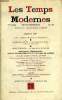
Revue fondée par Jean-Paul Sartre et Simone de Beauvoir. Sommaire : T. M. — Algérie : ouverture ou échappatoire ?.JEAN-PAUL SARTRE. — Les séquestrés d’Altona.(pièce en 5 actes)HENRI GUILLEMIN La capitulation de Paris (III)NOUVEAUX TÉMOIGNAGES SUR LES DISPARITIONS ET LES TORTURES EN ALGÉRIEJACQUES VERGÉS et MICHEL ZAVRIAN. - Pour une commission d’enquête sur les « villas de la mort »Le second « Cahier vert ».Témoignages sur un centre de tortures : la Cité Ameziane, à Constantine Lettre d’un interné au camp de Bossuet.DOCUMENTSA quoi rêvent les enfants d’Algérie ? .EXPOSÉSMARC BARBUT. — Quelques aspects mathématiques de ladécision rationnelle.ALBERT-PAUL LENTIN. — L’Algérie de papa. Classification Dewey : 70.49-Presse illustrée, magazines, revues
Existentialismen är en humanism. - [PRESENTATION-COPY]
Stockholm, Bonniers, (1946). All edges uncut in original printed wrappers w. some minor edge-wear. Internally nice and clean. 137 pp.
First Swedish edition, presentation-copy: ""A Carl Ericsson/ avec toute ma sympathie/ JPaulS."" Printed the same year as the first edition.""L'Existentialisme est un Humanisme"" is the second of Sartre's two main philosophical works, which have both influenced 20th century philosophy greatly, and contributed immensely to the development of existentialism in general. ""Existentialism is a Humanism"" became one of Sartre's most widely read and most critcized works, and it caused great controversies and uproar at the time of its appearance"" -as opposed to his ""L'Être et le Néant"", all of Sartre's critics actually read this work, and so did huge parts of the population, causing the book to appear in huge numbers after the publication of the first edition.The work is the literary re-working of an exposition given by Sartre at a conference in October 1945, where he caused a scandalous discussion, which among other things led to the fact that all references to the existentialist T.E. Lawrence were omitted from the work when it appeared in print. ""Cette conférence marqua une date dans l'histoire anecdotique de l'existemtialisme..."" (Contat & Rybalka p. 131).""L'Existentialisme est un Humanisme"" fut l'un des ouvrages les plus lus et les plus critiqués de Sartre et suscita de considérables malentendus. Comme l'a bien vu M.-A. Burnier dans ""Les Existentialistes et la politique"" (p. 31), ""l'importance prise par ces pages semble due à la paresse d'un bon nombre de critiques qui hésitant à lire ""L'Être et le Néant"" et qui furent heureaux de pouvoir attaquer Sartre sans grande fatique et avec bonne conscience après avoir parcouru 141 pages."" Il est bon de rappeler cependant que l'ouvrage constitue une assez mauvaise introduction à la philosophie de Sartre, surtout pour un public non averti..."" (Contat & Rybalka p. 132). Sartre himself also disowned great parts of this work, which makes it all the more interesting, since it is the only one of his works of which he has done so. The work was reprinted numerous times during the first years, and immediately translated into several languages. The first edition (on vellum-paper) is very difficult to come by. First edition: Contat & Rybalka 46/88.
Situations, I-III. - [THE MOST ORIGINAL BODY OF ESSAY WRITING OF THE MIDDLE OF THE 20TH CENTURY]
(Paris), Gallimard, (1947-49). 8vo. All three in the orig. decorated black cardboard-bindings w. art deco-inspired decorations to spines and boards, in white and yellow, yellow and grey, and grey and blue. Gilt titles to spines. All three volumes placed in a custom-made black cardboard-cassette. Very minor traces of use to capitals, and the white paper on boards of vol. one w. a bit of brownspotting, otherwise an excellent, nice and clean set.
First editions of Sartre's first three ""Situations, all three copies numbered (vol. one: No. 421 out of 990 copies, vol. two: No. 631 out of 990 copies, vol three: No. 781 out of 1000 copies) copies on ""alfa des Papeteries Navarre"".Volume one states ""20 novembre 1947"" on colophon, though Contat & Rybalka state ""20 octobre 1947"".Contat & Rybalka 47/117 + 48/155 + 49/180.Sartre's ""Situations"" contain many of Sartre's most important articles and essays, and it is within these that Sartre foremost shows his philosophical and political face. ""The several volumes of Jean-Paul Sartre's Situations, published from 1947 on, constitute the most weighty and, in the two first volumes in particular, the most original body of essay writing of the middle of the 20th century."" (Encyclop. Britannica). In all 10 ""Situations"" appeared.
Existentialisme est en humanisme. - [EXISTENTIALISM IS A HUMANISM]
(Paris), Les éditions Nagel, (1946). 8vo. Uncut and in the original printed wrappers, w. black and blue printing. A very nice and clean copy with almost no markings . 141, (3) pp.
First edition (43e mille, on back wrapper), the regular issue (not one of the 500 numbered copies) of the second of Sartre's two main philosophical works, which have both influenced 20th century philosophy greatly, and contributed immensely to the development of existentialism in general. ""Existentialism is a Humanism"" became one of Sartre's most widely read and most criticized works, and it caused great controversies and uproar at the time of its appearance"" -as opposed to his ""L'Être et le Néant"", all of Sartre's critics actually read this work, and so did huge parts of the population, causing the book to appear in huge numbers after the publication of the first edition.The work is the literary re-working of an exposition given by Sartre at a conference in October 1945, where he caused a scandalous discussion, which among other things led to the fact that all references to the existentialist T.E. Lawrence were omitted from the work when it appeared in print. ""Cette conférence marqua une date dans l'histoire anecdotique de l'existemtialisme..."" (Contat & Rybalka p. 131).""L'Existentialisme est un Humanisme"" fut l'un des ouvrages les plus lus et les plus critiqués de Sartre et suscita de considérables malentendus. Comme l'a bien vu M.-A. Burnier dans ""Les Existentialistes et la politique"" (p. 31), ""l'importance prise par ces pages semble due à la paresse d'un bon nombre de critiques qui hésitant à lire ""L'Être et le Néant"" et qui furent heureaux de pouvoir attaquer Sartre sans grande fatique et avec bonne conscience après avoir parcouru 141 pages."" Il est bon de rappeler cependant que l'ouvrage constitue une assez mauvaise introduction à la philosophie de Sartre, surtout pour un public non averti..."" (Contat & Rybalka p. 132). Sartre himself also disowned great parts of this work, which makes it all the more interesting, since it is the only one of his works of which he has done so. The work was reprinted numerous times during the first years, and the first edition (on vellum-paper) is very difficult to come by. This copy states ""Achevé d'imprimer en février 1946..."" and ""(1946 1er trimestre)"" on colophon, as with the numbered issue.Contat & Rybalka 46/88.
Existentialisme est en humanisme. - [EXISTENTIALISM IS A HUMANISM]
(Paris), Les éditions Nagel, (1946). 8vo. Uncut and in the original printed wrappers, w. black and blue printing. A very nice and clean copy. Old owner's name to front free end-paper. 141, (3) pp.
First edition (17e édition, on back wrapper), the regular issue (not one of the 500 numbered copies) of the second of Sartre's two main philosophical works, which have both influenced 20th century philosophy greatly, and contributed immensely to the development of existentialism in general. ""Existentialism is a Humanism"" became one of Sartre's most widely read and most criticized works, and it caused great controversies and uproar at the time of its appearance"" -as opposed to his ""L'Être et le Néant"", all of Sartre's critics actually read this work, and so did huge parts of the population, causing the book to appear in huge numbers after the publication of the first edition.The work is the literary re-working of an exposition given by Sartre at a conference in October 1945, where he caused a scandalous discussion, which among other things led to the fact that all references to the existentialist T.E. Lawrence were omitted from the work when it appeared in print. ""Cette conférence marqua une date dans l'histoire anecdotique de l'existemtialisme..."" (Contat & Rybalka p. 131).""L'Existentialisme est un Humanisme"" fut l'un des ouvrages les plus lus et les plus critiqués de Sartre et suscita de considérables malentendus. Comme l'a bien vu M.-A. Burnier dans ""Les Existentialistes et la politique"" (p. 31), ""l'importance prise par ces pages semble due à la paresse d'un bon nombre de critiques qui hésitant à lire ""L'Être et le Néant"" et qui furent heureaux de pouvoir attaquer Sartre sans grande fatique et avec bonne conscience après avoir parcouru 141 pages."" Il est bon de rappeler cependant que l'ouvrage constitue une assez mauvaise introduction à la philosophie de Sartre, surtout pour un public non averti..."" (Contat & Rybalka p. 132). Sartre himself also disowned great parts of this work, which makes it all the more interesting, since it is the only one of his works of which he has done so. The work was reprinted numerous times during the first years, and the first edition (on vellum-paper) is very difficult to come by. This copy states ""Achevé d'imprimer en février 1946..."" and ""(1946 1er trimestre)"" on colophon, as with the numbered issue.Contat & Rybalka 46/88.
LES TEMPS MODERNES N° 245 - GERSCHON SCHOLEM. — Juifs et Allemands..JEAN-PAUL SARTRE. — Flaubert, du poète à l’Artiste (fin)..EXPOSÉSDIDIER ANZIEU. — Œdipe avant le complexe ou De l’interprétation psychanalytique des mythes.RENÉ MICHA.
PRESSES D'AUJOURD'HUI. OCTOBRE 1966. In-12. Broché. Bon état, Couv. convenable, Dos satisfaisant, Intérieur frais. Paginé de 577 à 768.. . . . Classification Dewey : 70.49-Presse illustrée, magazines, revues
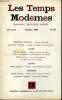
Revue fondée par Jean-Paul Sartre et Simone de Beauvoir. Sommaire : GERSCHON SCHOLEM. — Juifs et Allemands..JEAN-PAUL SARTRE. — Flaubert, du poète à l’Artiste (fin)..EXPOSÉSDIDIER ANZIEU. — Œdipe avant le complexe ou De l’interprétation psychanalytique des mythes.RENÉ MICHA. — Le nouvel urbanisme aux États-Unis et au CanadaENQUÊTEANNE GUÉRIN. — Tunisie : Les coopérateurs parlent.CHRONIQUESRENÉE SAUREL. — Halte entre le passé et l’avenir.CHRISTIAN ZIMMER. — Mon frère William.. Classification Dewey : 70.49-Presse illustrée, magazines, revues
LES TEMPS MODERNES N° 240 - JEAN-PAUL SARTRE. — La conscience de classe chez FlaubertDISCUSSIONNICOS POULANTZAS. — Vers une théorie marxisteROBERT PARIS. — En deçà du marxisme..JEAN POUILLON. — Du côté de chez MarxEXPOSÉHENRI EDME
PRESSES D'AUJOURD'HUI. MAI 1966. In-12. Broché. Bon état, Couv. convenable, Dos satisfaisant, Intérieur frais. Paginé de 1921 à 2112.. . . . Classification Dewey : 70.49-Presse illustrée, magazines, revues
Revue fondée par Jean-Paul Sartre et Simone de Beauvoir. Sommaire : JEAN-PAUL SARTRE. — La conscience de classe chez FlaubertDISCUSSIONNICOS POULANTZAS. — Vers une théorie marxisteROBERT PARIS. — En deçà du marxisme..JEAN POUILLON. — Du côté de chez MarxEXPOSÉHENRI EDME. — Révolution en Amérique latine ?DOCUMENTLa « camaraderie ».CHRONIQUESRENÉE SAUREL. — Les technocrates de la mort..BERNARD DORT. — Une démence exemplaireCHRISTIAN ZIMMER. — « Nos yeux reçoivent la lumière d’étoiles mortes ».NOTESSYLVIE LE BON : « Marcel Proust », de George Painter.ANNIE LECLERC : Maurice Pons, « Les saisons »CLAUDE GLAYMAN : Colin Turnbull, « L’Africain désemparé »..CORRESPONDANCE Galileo Galilei à Gallazone Gallanzoni, à Rome Classification Dewey : 70.49-Presse illustrée, magazines, revues
LES TEMPS MODERNES N° 209 - JEAN-PAUL SARTRE. - Les mots (I).ALEXANDRE SOLJENITSYN. - Pour le bien de la cause (I).EXPOSÉSANATOL RAPOPORT. — Bon et mauvais usages de la théorie des jeux..LAURA CONTI. — Les conditions du développement
JULLIARD. OCTOBRE 1963. In-12. Broché. Bon état, Couv. convenable, Dos satisfaisant, Intérieur frais. Paginé de 577 à 768.. . . . Classification Dewey : 70.49-Presse illustrée, magazines, revues
Revue fondée par Jean-Paul Sartre et Simone de Beauvoir. Sommaire : JEAN-PAUL SARTRE. - Les mots (I).ALEXANDRE SOLJENITSYN. - Pour le bien de la cause (I).EXPOSÉSANATOL RAPOPORT. — Bon et mauvais usages de la théorie des jeux..LAURA CONTI. — Les conditions du développement culturel en U. R. S. S..ENTRETIENM. LACHERAF. — L’avenir de la culture algérienne..CHRONIQUESHEINZ ABOSCH. - La fin d’un règne..RENÉE SAUREL. — Une concession perpétuelle. Classification Dewey : 70.49-Presse illustrée, magazines, revues
LES TEMPS MODERNES N° 259 - JEAN-PAUL SARTRE. — Le génocide.JEAN GOYTISOLO. — Pièces d’identité.EXPOSÉSJEAN MONOD. — Watts Happening.JACQUELINE ORMOND. — Héros de l’Impossible et de l’Absolu..DAVID COOPER.
PRESSES D'AUJOURD'HUI. DECEMBRE 1967. In-12. Broché. Bon état, Couv. convenable, Dos satisfaisant, Intérieur frais. Paginé de 953 à 1144.. . . . Classification Dewey : 70.49-Presse illustrée, magazines, revues
Revue fondée par Jean-Paul Sartre et Simone de Beauvoir. Sommaire : JEAN-PAUL SARTRE. — Le génocide.JEAN GOYTISOLO. — Pièces d’identité.EXPOSÉSJEAN MONOD. — Watts Happening.JACQUELINE ORMOND. — Héros de l’Impossible et de l’Absolu..DAVID COOPER. — Une expérience d’anti-psychiatrie..TÉMOIGNAGEALAIDE FOPPA. — Entretien avec ClementeCHRONIQUESRENÉE SAUREL. — Au pain sec et au whiskyCHRISTIAN ZIMMER. — La vie précaire et révocable..SYLVAIN ROUMETTE. — Au sens du noble termeCorrespondance.Communiqué Classification Dewey : 70.49-Presse illustrée, magazines, revues
LES TEMPS MODERNES N° 114-115 - JEAN-PAUL SARTRE. - Nekrassov (I)SIMONE DE BEAUVOIR. — Merleau-Ponty et le pseudo-sartrismeJORGE LUIS BORGES. — Le rêve de Coleridge, et autres essais.MICHEL LEIRIS. - Vois! déjà l’ange. (fin).EXPOSÉS
JULLIARD. JUIN-JUIL 1955. In-12. Broché. Bon état, Tâchée, Dos satisfaisant, Intérieur frais. Paginé de 2017 à 2304.. . . . Classification Dewey : 70.49-Presse illustrée, magazines, revues
Revue fondée par Jean-Paul Sartre et Simone de Beauvoir. Sommaire : JEAN-PAUL SARTRE. - Nekrassov (I)SIMONE DE BEAUVOIR. — Merleau-Ponty et le pseudo-sartrismeJORGE LUIS BORGES. — Le rêve de Coleridge, et autres essais.MICHEL LEIRIS. - Vois! déjà l’ange. (fin).EXPOSÉSGEORGES POULET. — L’univers circonscrit d’Edgar Poe.ISAAC DEUTSCHER. - « 1984 » : le mysticisme de la cruauté .S. de B. — La pensée de droite, aujourd’hui (fin)CHRONIQUESRAYMOND BORDE. — Syndicalisme et cinéma.EDGAR MORIN. — Notes pour une sociologie du Festival de CannesNOTESCOLETTE AUDRY. — « Clair-Obscur », de Jean Cocteau.ROBERT MISRAHI -JEAN CAU. - A propos de la corrida.Table des matières contenues dans le tome X (Juillet 1954-Juillet 1955) Classification Dewey : 70.49-Presse illustrée, magazines, revues
Les Films Marceau présentent une production Georges Agiman et Artes FilmsLA P..... RESPECTUEUSE de Jean-Paul Sartre.Un film de Charles Brabant et Marcello Pagliero avec Barbara LAAGE, Ivan Desny, Walter Bryant, Marcel Herrand d'après la pièce de théâtre de Jean-Paul Sartre.
1898 P., Films Marceau, 1952, 1 dépliant in-4° (306 x 235) broché sous couverture illustrée d'une photographie en noir et blanc imprimée en rouge et noir, de (8) pp.Petite tache en marge gauche, très bon état par ailleurs.

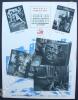
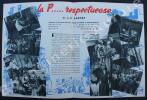
Rare Scénario-Affichette original imprimé en héliogravure. Une fois totalement déplié, il dévoile une affichette de 610 x 470 mm, reproduite en première de couverture, la quatrième de couverture nous révélant le matériel publicitaire du film.
LES TEMPS MODERNES N° 61 - JACQUES CERVIONE. — La femme du docteur (fragments). E.-N. DZELEPY. — Le drame de la politique américaine(fin).JEAN-PAUL SARTRE. — Jean Genêt (fragments, suite).V/ESPHILIO. — Journal (fragments, fin)DOCUMENTS
JULLIARD. NOVEMBRE 1950. In-12. Broché. Bon état, Couv. convenable, Dos satisfaisant, Intérieur frais. Paginé de 769 à 960.. . . . Classification Dewey : 70.49-Presse illustrée, magazines, revues
Revue fondée par Jean-Paul Sartre et Simone de Beauvoir. Sommaire : JACQUES CERVIONE. — La femme du docteur (fragments). E.-N. DZELEPY. — Le drame de la politique américaine(fin).JEAN-PAUL SARTRE. — Jean Genêt (fragments, suite).V/ESPHILIO. — Journal (fragments, fin)DOCUMENTSDOMINIQUE TRAORt. — Mariage entre femmesEXPOSÉSÉTIEMBLE : Chronique littéraire. — Balzac critique.GEORGES LIMBOUR. — André Masson et la nature.FRANCIS JEANSON. — Pirandello et Camus, à travers « Henri IV » et « Caligula ».NO TESDr J. MALLET. — « L’homme impuissant », par Wilhelm Stekel.JEAN-HENRI ROY. — « Orphée », film de Jean Cocteau; « La vie commence demain », film de Nicole Védrès . Classification Dewey : 70.49-Presse illustrée, magazines, revues
LES TEMPS MODERNES N° 65 - JEAN-PAUL SARTRE. — Gide vivantPIERRE SCHNEIDER. — Barbey d’Aurevilly l’extrême. GILBERT LELY. — La belle-sœur du marquis de Sade :Mlle Anne-Prospère de LaunayANDRÉ MASSON. - L’instant.VIOLETTE LEDUC.
JULLIARD. MARS 1951. In-12. Broché. Bon état, Couv. convenable, Dos satisfaisant, Intérieur frais. Paginé de 1537 à 1728.. . . . Classification Dewey : 70.49-Presse illustrée, magazines, revues
Revue fondée par Jean-Paul Sartre et Simone de Beauvoir. Sommaire : JEAN-PAUL SARTRE. — Gide vivantPIERRE SCHNEIDER. — Barbey d’Aurevilly l’extrême. GILBERT LELY. — La belle-sœur du marquis de Sade :Mlle Anne-Prospère de LaunayANDRÉ MASSON. - L’instant.VIOLETTE LEDUC. - Au villageIGNAZIO SILONE. — Une poignée de mûres (fin)WILLIAM FAULKNER. — Palmiers sauvages (III)TÉMOIGNAGESDr MIKLOS NYISZLI. — S.S. Obersturmführer Docteur MengeleEXPOSÉSÉTIEMBLE : Chronique littéraire. — Habeant sua fatalibelli!CLAUDE BOURDET. — La fausse guerre et les vraisdangers YVON BELAVAL. — Le monologue hambourgeoisJEAN EPSTEIN. — Le film et le monde.JEAN-HENRI ROY. — Bernanos et le cinéma.NOTESJ.-H. R. — « Élise architecte », par Marcel Jouhandeau. LOUIS GUILLERMIT. — « L’homme et le sacré », par Roger Caillois. Classification Dewey : 70.49-Presse illustrée, magazines, revues
LES TEMPS MODERNES N° 122 - JEAN-PAUL SARTRE. — Le Réformisme et les fétiches. DANIEL GUÉRIN. — Un futur pour les Antilles? (fin).WILLIAM BRADFORD HUIE. - L’exécution du soldatSlovik (fin).TÉMOIGNAGESROBERT MISRAHI. — De la question juive
JULLIARD. FEVRIER 1956. In-12. Broché. Bon état, Couv. convenable, Dos satisfaisant, Intérieur frais. Paginé de 1153 à 1344.. . . . Classification Dewey : 70.49-Presse illustrée, magazines, revues
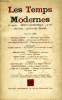
Revue fondée par Jean-Paul Sartre et Simone de Beauvoir. Sommaire : JEAN-PAUL SARTRE. — Le Réformisme et les fétiches. DANIEL GUÉRIN. — Un futur pour les Antilles? (fin).WILLIAM BRADFORD HUIE. - L’exécution du soldatSlovik (fin).TÉMOIGNAGESROBERT MISRAHI. — De la question juive à l’existence d’Israël.EXPOSÉSBERNARD DORT. — Introduction à la télévision, ou une machine sans rêvesVERRIER ELWIN. — Les Muria et leur ghotul (finj) (Une méthode d'éducation sociale et sexuelle)CHRONIQUESJEAN POUILLON. — Confessions d’un mangeur d’opium.GEORGES MOUNIN. — Poésie et chanson populaire.ELENA DE LA SOUCHÈRE. — L’Espagne est-elle devenue une nation libre ?NOTESD. G. — « Bourgeoisie noire », de Franklin FrazierRAYMOND BORDE. — « Racines », de Benito Alazraki. Classification Dewey : 70.49-Presse illustrée, magazines, revues
LES TEMPS MODERNES N° 129-130-131 - JEAN-PAUL SARTRE. — Le fantôme de Staline.MARCEL PÉJU. — Du rapport Khrouchtchev à la tragédie hongroise : le communisme à l’heure de la vérité.LA RÉVOLTE DE LA HONGRIEFRANÇOIS FEJTÔ. - Introduction
JULLIARD. NOV 1956 - JANV 1957. In-12. Broché. Bon état, Couv. convenable, Dos satisfaisant, Intérieur frais. Paginé de 577 à 1063. Rhodoïd recouvrant la revue.. . . . Classification Dewey : 70.49-Presse illustrée, magazines, revues
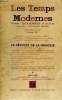
Revue fondée par Jean-Paul Sartre et Simone de Beauvoir. Sommaire : JEAN-PAUL SARTRE. — Le fantôme de Staline.MARCEL PÉJU. — Du rapport Khrouchtchev à la tragédie hongroise : le communisme à l’heure de la vérité.LA RÉVOLTE DE LA HONGRIEFRANÇOIS FEJTÔ. - IntroductionLES ANNÉES DE LA TERREUR INTELLECTUELLE (1949-1953) .LE PREMIER GOUVERNEMENT IMRE NAGY : UNE TENTATIVE DE RETOUR A LA DÉMOCRATIE.LA REVANCHE DE RAKOSI.L’OFFENSIVE GÉNÉRALE DES INTELLECTUELS APRÈS LE XXe CONGRÈS .LE COMBAT POUR LA VÉRITÉ.SOUS LA TEMPÊTE.•TRIBUNE LIBRERAYMOND BORDE. — La fin du stalinismeCLAUDE ROY. — Réponses à une interview de « Nowa Kultura ». Classification Dewey : 70.49-Presse illustrée, magazines, revues
LES TEMPS MODERNES N° 165 - ROBERT JAULIN. — Entre noir et blanc JEAN-PAUL SARTRE. - Les séquestrés d’Altona (fin)HENRI GUILLEMIN. — La capitulation de Paris (IV)TÉMOIGNAGESJEAN BIOU. — Le temps du refusEXPOSÉSPATRICK KESSEL.
JULLIARD. NOVEMBRE 1959. In-12. Broché. Bon état, Couv. convenable, Dos satisfaisant, Intérieur frais. Paginé de 769 à 958.. . . . Classification Dewey : 70.49-Presse illustrée, magazines, revues
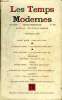
Revue fondée par Jean-Paul Sartre et Simone de Beauvoir. Sommaire : ROBERT JAULIN. — Entre noir et blanc JEAN-PAUL SARTRE. - Les séquestrés d’Altona (fin)HENRI GUILLEMIN. — La capitulation de Paris (IV)TÉMOIGNAGESJEAN BIOU. — Le temps du refusEXPOSÉSPATRICK KESSEL. — Que s’est-il passé au Laos ?CHRONIQUESSERGE MALLET. — Raymond Aron, ou le dernier des « libéraux ». .DOCUMENTSX.X.X. — Note sur la répression au Kamerun.NOTESCOLETTE AUDRY. — « Le commandant d’Auschwitz parle ». Classification Dewey : 70.49-Presse illustrée, magazines, revues
LES TEMPS MODERNES N° 241 - JEAN-PAUL SARTRE. — La conscience de classe chezFlaubert (fin)JANINE MATILLON. — Une sciatique internationale.EXPOSÉSFAUSTA BELLINI. — L’émigration des travailleurs grecsFRÉDÉklC BON et M. A. BURNIER.
PRESSES D'AUJOURD'HUI. JUIN 1966. In-12. Broché. Bon état, Couv. convenable, Dos satisfaisant, Intérieur frais. Paginé de 2113 à 2304.. . . . Classification Dewey : 70.49-Presse illustrée, magazines, revues
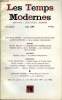
Revue fondée par Jean-Paul Sartre et Simone de Beauvoir. Sommaire : JEAN-PAUL SARTRE. — La conscience de classe chezFlaubert (fin)JANINE MATILLON. — Une sciatique internationale.EXPOSÉSFAUSTA BELLINI. — L’émigration des travailleurs grecsFRÉDÉklC BON et M. A. BURNIER. — Les intellectuels dans la société..DOCUMENTFRANCE HELM. — La matinée d’aujourd’hui.CHRONIQUESISAAC DEUTSCHER. — Lukacs critique de Thomas Mann RENÉE SAUREL. — Forces de vie, forces de mort.CHRISTIAN ZIMMER. — Deux précis de décompositionJEANINE ROVET. — Vladimir Nabokov : le démon de l’analogieGÜNTHER ANDERS. — Nuremberg et le Vietnam..I. L. HOROWITZ. — La « sélection »..Table des matières du tome XXI (juillet 1965 - juin 1966). Classification Dewey : 70.49-Presse illustrée, magazines, revues

