 Write to the booksellers
15094 books for « a richard et j richa... »Edit
-
Type
Autographs (9)
Books (14536)
Drawings (2)
Magazines (15)
Maps (6)
Music sheets (498)
New books (7)
Photographs (7)
Postcards (4)
Posters (1)
Records (9)
-
Latest
Last 24h (12)
Last 3 days (5)
Last month (163)
Last week (48)
-
Language
Dutch (7)
English (173)
French (14759)
German (18)
Italian (1)
Polish (1)
Russian (134)
Spanish (1)
-
Century
16th (13)
17th (37)
18th (114)
19th (706)
20th (6819)
21st (1141)
-
Countries
Belgium (917)
Brazil (2)
Canada (116)
China (15)
Côte d'Ivoire (40)
Denmark (114)
France (12311)
Germany (12)
Greece (5)
Netherlands (3)
Switzerland (1394)
United Kingdom (27)
United States of America (138)
-
Syndicate
ALAC (99)
CLAM (58)
CLAQ (25)
CNE (5)
ILAB (7202)
NVVA (235)
SLACES (235)
SLAM (6504)
SNCAO (14)
Topics
- Alsace (36)
- Anticipation (161)
- Archaeology (59)
- Architecture (140)
- Autographs (57)
- Bach j. s. (75)
- Belgium (44)
- Bessiere richard (56)
- Bibliophilism (37)
- Biography (115)
- Bloch jean richard (56)
- Botany (59)
- Brittany (44)
- Children’s books (166)
- China (35)
- Christianity (35)
- Christmas (67)
- Cinema (108)
- Colette (42)
- Comic strip (217)
- Dedication (93)
- Detective novels (219)
- Dictionaries (35)
- Drawings (42)
- Economics (75)
- Education (54)
- Education - morals (34)
- England (81)
- English (473)
- Esotericism (76)
- Fantastic (130)
- Fine arts (168)
- First edition (305)
- Fleuve noir (54)
- Geography (100)
- Germanic languages (293)
- Germany (71)
- Guide books (57)
- Hackney (46)
- Helvética (143)
- History (597)
- Industrial arts & crafts - fine arts (61)
- Japan (37)
- Law (38)
- Lewinsohn richard (33)
- Literature (736)
- Llewellyn richard (46)
- Magazine (58)
- Mathematics (54)
- Matheson richard (40)
- Medicine (151)
- Military arts (61)
- Murphy warren (97)
- Music (45)
- Navy (59)
- Newspapers press (101)
- Nixon (36)
- Number (39)
- Opera ballet (163)
- Painting (65)
- Paris (69)
- Philosophy (150)
- Photography (141)
- Poetry (156)
- Policy (67)
- Posters (34)
- Psychology (107)
- Regionalism (58)
- Religions (176)
- Review (130)
- Reviews (89)
- Richard jean (39)
- Richard jules (56)
- Richard lionel (34)
- Richard michel (37)
- Richard pierre (39)
- Rock (44)
- Sapir richard (97)
- Science fiction (322)
- Sciences (93)
- Scores (549)
- Sculpture (35)
- Sheridan (35)
- Sociology (59)
- Songs (468)
- Spying (96)
- Strauss richard (99)
- Switzerland (154)
- Tea (37)
- Theatre (190)
- Theology (64)
- Travel (63)
- United kingdom (76)
- United states (55)
- Various (112)
- Wagner richard (853)
- War (184)
- Zoology (33)
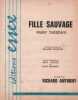
Anthony Richard - Jagger Mick,Richard Keith - Anthony Richard
Reference : 95106
(1967)
[Richard Ward] - Richard M. Bueschel - Richard Ward (illustrateur)
Reference : 49010
(1970)
Aviation japonaise, Aircam AviationSéries N° 13,16, 18, 25, 32 & 35 Naka jima Ki, 43 Hayabusa I-III --- Mitsubishi A6M1/2 - 2N Zero-Sen --- NAkajima KI.278A-B Mansshu KI.79A-B --- NAkajima KI.44 Shoki La,b,c, lla,b,c --- Kawasaki KI48 - I/II S:okei --- Mitsubishi:NAkajima G3M1 2 3 Kusho L3YI 2
1970 Osprey Publications 19701972 - 6 fascicules - couverture illustrée - illustrations en texte & H.T. en couleurs - - Environ 50 pages par fascicule - très frais
Conformément à nos conditions générales de vente :Les frais de port sont affichés à titre indicatif. Il se peut que nous devions vous contacter pour vous informer du coût de laffranchissement supplémentaire en fonction du poids et du nombre de livres, surtout pour les envois internationaux Cependant vu l'augmentation des tarifs postaux à l'internationale, nous pouvons expédier les ouvrages en point relais MONDIAL RELAY pour les pays suivants : Allemagne, Autriche, Belgique, Espagne, Italie, Luxembourg, Pays-Bas, Pologne, et Portugal. Merci de nous indiquer en retour le point relais choisi ainsi que votre numéro de téléphone mobile & adresse Courriel pour assurer le suivi du colis.N'hésitez pas à nous interroger.In accordance with our general terms and conditions of sale:Shipping costs are displayed for informational purposes only. We may need to contact you to inform you of the additional postage costs depending on the weight and number of books, especially for international shipments.However, given the increase in international postal rates, we can ship books via Mondial Relay to the following countries: Germany, Austria, Belgium, Spain, Italy, Luxembourg, Netherlands, Poland, and Portugal. Please provide us with your chosen Mondial Relay point, as well as your mobile phone number and email address to ensure package tracking.Please feel free to contact us with any questions
RICHARD DE MEDIAVILLA [RICHARD OF MIDDLETOWN] & ZAVALLONI Roberto O.F.M.
Reference : F106241
(1951)
Richard de Mediavilla et la controverse sur la pluralité des formes. Textes inédits et étude critique
Louvain, Institut Supérieur de Philosophie 1951 vi + 551pp., 26cm., dans la série "Philosophes médiévaux" tome 2, reliure cart., titre doré au dos, brochure originale conservée et reliée, petit cachet sur la p.d.t., texte et intérieur sont frais, bon état, [dissertation pour l'obtention du grade de Maître Agrégé à l'Ecole Saint-Thomas d'Aquin], textes en Latin, étude en français, poids: 1.3kg., F106241
Tahiti Et La Polynesie Francaise
Arthaud / Guides arthaud grands voyages 1999 400 pages in12. 1999. Broché. 400 pages. Avant de partir. - La meilleure saison pour partir à Tahiti ?. - Que voir en une semaine deux semaines ou plus ?. - Toutes les activités sportives randonnées spots de plongée croisières...La Polynésie : le pays et les hommes. - Un archipel aussi vaste que l'Europe qui comprend les îles de la Société les Marquises les Australes les Tuamotu les Gambier - Coutumes colorées et légendes animent une culture à découvrir à tout prix.Tahiti : les bons itinéraires. - Toute la Polynésie dans un guide ! - Tahiti et la vibrante Papeete - Le magnifique lagon de Rangiroa - Bora Bora la «perle du Pacifique» - Rapa isolée au bout du monde - Des circuits inoubliables à travers atolls et vallons verdoyants.15 cartes et plans. - Découvrir l'ensemble des curiosités sur la carte touristique - Visualiser les itinéraires grâce aux cartes régionales - Se repérer avec les plans des villes et des sites.Sur place. - Achats Heure locale - Météo - Pourboires - Transports intérieurs... et un large choix d'adresses d'hébergement et de restaurants sélectionnées et commentées avec mention des activités de plein air
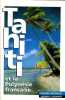
Bon Etat dos cassé intérieur très frais
Hornby Nick Richard Nicolas (traducteur) Richard Nicolas (traducteur)
Reference : 126230
(2005)
ISBN : 2259202012
Vous Descendez
Plon 2005 310 pages in8. 2005. Broché. 310 pages. La veille du nouvel an à Londres quatre individus se retrouvent par coïncidence sur le toit d'un immeuble de quatorze étages tous avec la ferme intention de sauter pour mettre un terme à une vie devenue intolérable. Arrive d'abord Martin présentateur vedette de la télévision dont la carrière et la famille ont été brisées par un scandale sordide et retentissant ; puis Maureen femme simple fervente catholique néanmoins prête à commettre le plus grand des péchés car elle n'en peut plus de s'occuper seule d'un fils handicapé ; ensuite Jess 18 ans souffrant d'une grosse peine de cœur pleine d'amertume (et d'alcool) ; Et enfin J J jeune Américain dont les rêves de devenir rock star ont disparu et qui se trouve anéanti par une situation précaire de livreur de pizzas. Ce quatuor n'a en commun que le désespoir... et une petite faim. Et voici deux pizzas apportées par J J... Les langues se détient chacun raconte sa vie ses déceptions ; Finalement l'aube venant ils décident de différer et se donnent rendez-vous à la Saint-Valentin au même endroit. Ainsi débute ce nouveau roman magistral de Nick Hornby son plus accompli depuis Haute fidélité mélange de drôlerie de tendresse d'humanité d'un brin de mélancolie. L'humour et l'infinie sagesse de Nick Hornby le portent ici au sommet de l'art de l'écrivain
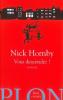
Très Bon Etat
La pratique stomatologique III technique chirurgicale bucco-dentaire
Masson et cie 1935 in8. 1935. Cartonné.
Bon Etat jauni de staches
Chapelle Clotilde Illustrations Caroline Richard Illustrations Caroline Richard
Reference : 179785
(1993)
ISBN : 2950104924
L'arbre aux chouans
Alexandre Moryason 1993 193 pages in8. 1993. Broché. 193 pages.
Bon Etat très légèrement jauni
Georges Charpak Georges Charpak Richard L. Garwin Richard L. Garwin
Reference : 236023
(1997)
ISBN : 2738104363
Feux Follets et Champignons Nucléaires
Odile jacob 1997 382 pages in8. 1997. Broché. 382 pages. Dessin de Sempé
Très Bon Etat
ANTHROPOLOGIE ET CALCUL
Format d'un livre de poche. Couverture souple. 383 pages. Bon état. Une expédition par Mondial Relay vous sera proposée 1971 10*18
Le Gall-Sanquer, Andrée; Richard, Jean-Luc; Richard, Marie-Louise
Reference : IXY-350
L’or bleu. Le lin dans le pays de Landerneau-Daoulas. An aour glaz. Al lin e bro Landerne-Daoulaz.
Préface de Jean-Pierre Thomin. Contributions d’Yves-Pascal Castel, Louis Chauris, Jean-Yves Choquer, Louis Elegoët, André Lévy. Association Dourdon, Landerneau, 2005, 207 p. ill. n&b et couleurs, tableaux, plans, cartes, bibliographie et sources. Cartonnage éditeur, sous jaquette ill. couleurs, 21,8 x 28 cm.
Très bon état.
Buster Brown chez lui.
S.l. (Paris), s.d. (1910), in-8 oblong, demi-toile rouge, plats illustrés, 25 pages non chiffrées.
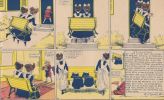
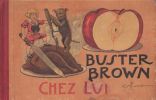
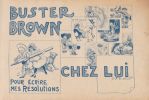
Contre-garde illustrée d'un crayon taillé par Buster pour écrire ses fameuses "résolutions". La bande dessinée de Buster Brown commence à paraître aux Etats Unis en 1902, en feuilleton dans le New-York Herald du dimanche. Son succès est immédiat, et les traductions s'enchaînent à partir de 1903. Buster Brown est un petit garçon blond de la haute bourgeoisie américaine, à l'esprit farceur, dont les idées se retournent parfois à ses dépends et qui commente ses aventures, vécues en compagnie de son bouledogue nomme Tige (Tiger dans la version française), par les fameuses "résolutions". Les scènes sont dignes du cinéma avec de l'action et des rebondissements, les postures corporelles et les expressions des visages sont parfois, tels des pantomines, tellement exagérés que cela crée le comique de situation. Usures à la couverture et taches, restaurations sur le titre, petites brunissures au papier.

Partition de la chanson : Hail ! Minnesota University of Minnesota
Partitions sur le Sport,Partitions sur les États-Unis 1926
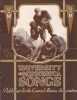
Etat moyen Format Américain Piano
Handbook of diseases of the skin.
St. Louis, C.V. Mosby, 1949, gr. in-8vo, XVI + 749 p., with 1057 illustrations, former owner's stamp on fly leaf, orig. publisher’s illustrated red cloth. Spines sunned, else a fine set.
First edition. The authors were professor of dermatology and syphilology at the University of Kansas Medical School.

(SLACES, NVVA)
Phone number : 41 (0)26 3223808
Diseases of the Skin. With 1310 Illustrations and 11 colored Plates. Ninth Edition.
London, Henry Kempton, 1935. Royal8vo. 2 orig. full cloth. 1433 pp. Illustrated.
La Caida de la Casa Usher y otros relatos de Edgar Allan Poe.
TOUTAIN EDITOR. 1985. In-12. Broché. Très bon état, Couv. fraîche, Dos satisfaisant, Intérieur frais. 54 pages de bandes dessinées, en couleurs et en espagnol.. . . . Classification Dewey : 460-Langues espagnole et portugaise
Classification Dewey : 460-Langues espagnole et portugaise
Tiré à part : Ecology Vol.70 n°5 : Boundary form effects on woody colonization of reclaimed surface mines.
Ecological Society of America. 1989. In-4. Broché. Bon état, Livré sans Couverture, Agraffes rouillées, Intérieur frais. Paginé de 1252 à 1260. Quelques graphiques en noir et blanc dans le texte. Relié par deux agraffes. Texte en anglais sur deux colonnes.. . . . Classification Dewey : 420-Langue anglaise. Anglo-saxon
Classification Dewey : 420-Langue anglaise. Anglo-saxon
Le chatiment des cinq morts.
Paris , Rossel edition, 1976 ; in-4, 46 pp., broché, couverture illustr. Tome 2.
Tome 2.
[Men-At-Arms Series] Richard BRZEZINSKI et Richard HOOK
Reference : LFA-126740897
(1991)
THE ARMY OF GUSTAVUS ADOLPHUS : 1 - INFANTRY
48 pages, format 185 x 245 mm, illustré, broché couverture couleurs, publié en 1991, Osprey Military n° 235, bon état
Phone number : 04 74 33 45 19
NOUVELLE HISTOIRE des LANDES
Un ouvrage de 124 pages, format 135 x 215 mm, illustré, broché, publié en 1947, Librairie A. Lesgourgues, bon état
Histoire des Landes depuis les origines
Phone number : 04 74 33 45 19
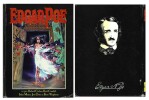
( Bandes Dessinées ) - Richard Corben - Reed Crandall - Isidro Mones - José Ortiz - Berni Wrighston - Joëlle Wintrebert.
Reference : 31211
(1983)
Edgar Poe vu par Richard Corben, Reed Crandall, Isidro Mones, José Ortiz et Berni Wrighston.
Fershid Bharucha éditeur / Collection Neptune 1981. In-4 cartonnage éditeur de 96 pages, au format 28 x 21cm. Superbe couverture illustrée par Richard Corben. Portrait de Edgar Allan Poe au 4ème plat. Plats avec frottements et tassements aux coins. Petits problème de pelliculage aux mors. Intérieur resté frais. Préface de Joëlle Wintrebert. Cet album contient 10 adaptations, dont 2 en couleurs, de quelques textes d'Edgar Allan Poe: Le portrait ovale par Richard Corben - Le Puits et le pendule par Jose Ortiz - La Barrique d'Amontillado par Reed Crandall- Le Corbeau par Richard Corben ( en couleurs ) - Le Cœur révélateur par Reed Crandall ( en couleurs ) - Bérénice par Isidoro Mones - Le Chat noir par Bernie Wrightson - Double assassinat de la rue Morgue par Jose Ortiz - La Vérité sur le cas de M. Valdemar par Isidoro Mones - Ombre par Richard Corben. Tirage sur couché. Rarissime édition originale en état de fraicheur correct.
Vente exclusivement par correspondance. Le libraire ne reçoit, exceptionnellement que sur rendez-vous. Il est préférable de téléphoner avant tout déplacement.Forfait de port pour un livre 10 € sauf si épaisseur supérieure à 3 cm ou valeur supérieure ou égale à 100 €, dans ce cas expédition obligatoire au tarif Colissimo en vigueur. A partir de 2 livres envoi en colissimo obligatoire. Port à la charge de l'acheteur pour le reste du monde.Les Chèques ne sont plus acceptés.Pour destinations extra-planétaire s'adresser à la NASA.Membre du Syndicat Lusitanien Amateurs Morues
( Bandes Dessinées ) - Richard Corben - Jan Strnad - Beth Corben Reed - Mike Shields
Reference : 26459
(2018)
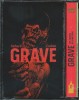
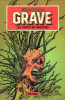
Grave, les Contes du Cimetière. ( Tirage de luxe à 100 exemplaires avec bonus et goodies et certificat signé par Richard Corben )
Editions Delirium 2018.In-4 broché de 305 pages au format 16,5 x 26 cm sous coffret rigide illustrée au format 17,5 x 4 x 27,5 cm. Couverture alternative et illustrations de Richard Corben sur scénarios de Richard Corben, Jan Strnad, Beth Corben Reed et Mike Shields. Magnifique hommage aux recueils de magazines d’horreur et de fantastique d’antan, et aux grands classiques du genre comme " Les Contes de la Crypte, Creepy ou Eerie ". Tirage de luxe limité à 100 exemplaires, avec édition enrichie de suppléments exceptionnels inédits : Goodies ( 10 cartes postales au format 11 x 15,5 et 10 marque-pages au format 5,5 x 15 cm tirés en sérigraphie ), mais aussi des histoires en plus et des couvertures additionnelles, ainsi qu’un magazine " Creepy " inédit de 30 pages avec des histoires qui ne feront pas l’objet d’une publication à part. Exceptionnel exemplaire accompagné d’un certificat numéroté, signé par Richard Corben. Etat de neuf sous blister. Rarissime édition originale, épuisée à parution.
Vente exclusivement par correspondance. Le libraire ne reçoit, exceptionnellement que sur rendez-vous. Il est préférable de téléphoner avant tout déplacement.Forfait de port pour un livre 10 € sauf si épaisseur supérieure à 3 cm ou valeur supérieure ou égale à 100 €, dans ce cas expédition obligatoire au tarif Colissimo en vigueur. A partir de 2 livres envoi en colissimo obligatoire. Port à la charge de l'acheteur pour le reste du monde.Les Chèques ne sont plus acceptés.Pour destinations extra-planétaire s'adresser à la NASA.Membre du Syndicat Lusitanien Amateurs Morues
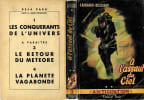
( Fleuve Noir - Collection Anticipation ) - François Richard - Richard Bessière sous le pseudonyme de F.Richard-Bessière.
Reference : 13212
Les Conquérants de l'Univers, tome 2 : A l'Assaut du Ciel.
Editions Fleuve Noir / Collection " Anticipation " n° 2 sans date ( 1951 ). In-12 broché de 190 pages au format 19 x 12,5 cm. Magnifique couverture illustrée par René Brantonne. Dos très soigneusement recollé, resté carré, avec de petites pliures de lecture. Premier plat resté frais malgré d'infimes frottis aux coins et de très légères traces de pliure angulaires au coin inférieur droit. 4ème plat très frais. Intérieur frais, malgré un nom indcrit en page de garde et de minuscules manques de papier aux coins supérieur droit de quelques pages, dus à la fragilité du papier. Bel état général pour cette très rare édition originale. 2ème volume du cycle " Les Conquérants de l'Univers ".
Vente exclusivement par correspondance. Le libraire ne reçoit, exceptionnellement que sur rendez-vous. Il est préférable de téléphoner avant tout déplacement.Forfait de port pour un livre 10 € sauf si épaisseur supérieure à 3 cm ou valeur supérieure ou égale à 100 €, dans ce cas expédition obligatoire au tarif Colissimo en vigueur. A partir de 2 livres envoi en colissimo obligatoire. Port à la charge de l'acheteur pour le reste du monde.Les Chèques ne sont plus acceptés.Pour destinations extra-planétaire s'adresser à la NASA.Membre du Syndicat Lusitanien Amateurs Morues
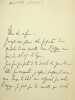
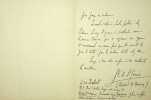
Richard de L'Isle de Falcon de Saint-Geniès, dit Richard O'Monroy (1849-1916), écrivain.
Reference : 018342
Lettre autographe signée
Richard de L'Isle de Falcon de Saint-Geniès, dit Richard O'Monroy (1849-1916), écrivain. L.A.S., sd, 2p in-12. Jolie lettre dans laquelle il accepte de publier des nouvelles dans le journal L'Eclipse. [425]
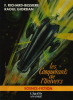
( Fleuve Noir - Collection Anticipation - Bandes Dessinées en tirage de tête ) - François Richard - Richard Bessière sous le pseudonyme de F.Richard-Bessière - Raoul Giordan - René Brantonne.
Reference : 22498
(2014)
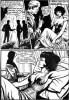
Les Conquérants de l'Univers - ( Bande dessinée en tirage de luxe. Un des quelques exemplaires du service de presse ).
Editions L'Âge d'Or / Ananké - Collection Science-Fiction 2014. In-4 cartonnage éditeur de 102 pages au format 20,5 x 28 cm. Couverture illustrée. Dos rond, toilé, marron. Jaquette et couverture illustrées par René Brantonne reprenant celle du livre original paru au Fleuve Noir dans la mythiqyue Collection Anticipation ( n° 1 ) de 1951. Reproductions de couvertures de livres de la collection " Anticipation " par René Brantonne, en pages de garde. Magnifique adaptation de ce roman mythique par Raoul Giordan, paru en 1968 dans la BD, petit format " Sidéral ", édité par Arédit / Artima. Tirage de luxe, uniquement édité à 30 exemplaires accompagnés d'une œuvre de Raoul Giordan. Le notre n'est pas numéroté. Il est noté " S.P " et fait partie du service de presse, tiré à quelques exemplaires. Edition originale, publiée au format des planches originales. Comme neuf. Epuisé.
Vente exclusivement par correspondance. Le libraire ne reçoit, exceptionnellement que sur rendez-vous. Il est préférable de téléphoner avant tout déplacement.Forfait de port pour un livre 10 € sauf si épaisseur supérieure à 3 cm ou valeur supérieure ou égale à 100 €, dans ce cas expédition obligatoire au tarif Colissimo en vigueur. A partir de 2 livres envoi en colissimo obligatoire. Port à la charge de l'acheteur pour le reste du monde.Les Chèques ne sont plus acceptés.Pour destinations extra-planétaire s'adresser à la NASA.Membre du Syndicat Lusitanien Amateurs Morues
( Fleuve Noir - Collection Anticipation - Science-Fiction ) - François Richard - Richard Bessière sous le pseudonyme de F.Richard-Bessière - René Brantonne.
Reference : 453
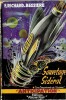
Les Conquérants de l'Univers, tome 5 : Sauvetage Sidéral.
Editions Fleuve Noir / Collection " Anticipation " n° 37 sans date ( 1954 ). In-12 broché de 190 pages au format 19 x 13 cm. Magnifique couverture illustrée par René Brantonne. Dos carré, très légèrement pâli et avec petits frottis. Plats et intérieur très frais, malgré d'infimes frottis aux coins. Cachet au bas de la dernière page de garde : Ouvrage exclusivement réservé à la vente au Canada. Prix 75 cents. Rare édition originale, surtout dans un tel état de fraicheur. Dernier volume du cycle " Les Conquérants de l'Univers ".
Vente exclusivement par correspondance. Le libraire ne reçoit, exceptionnellement que sur rendez-vous. Il est préférable de téléphoner avant tout déplacement.Forfait de port pour un livre 10 € sauf si épaisseur supérieure à 3 cm ou valeur supérieure ou égale à 100 €, dans ce cas expédition obligatoire au tarif Colissimo en vigueur. A partir de 2 livres envoi en colissimo obligatoire. Port à la charge de l'acheteur pour le reste du monde.Les Chèques ne sont plus acceptés.Pour destinations extra-planétaire s'adresser à la NASA.Membre du Syndicat Lusitanien Amateurs Morues

